Advocacy
Mobilizing technical, policy, and financing support for integrated service delivery models
The NCDI Poverty Network works to raise awareness of the need to prioritize access to care for severe conditions that disproportionately affect the world’s poorest children, adolescents, and young adults, to amplify the voices of people living with these severe conditions, and to mobilize a global campaign of solidarity to address these conditions as both a moral imperative and a key to achieving universal health coverage.
Voices for PEN-Plus

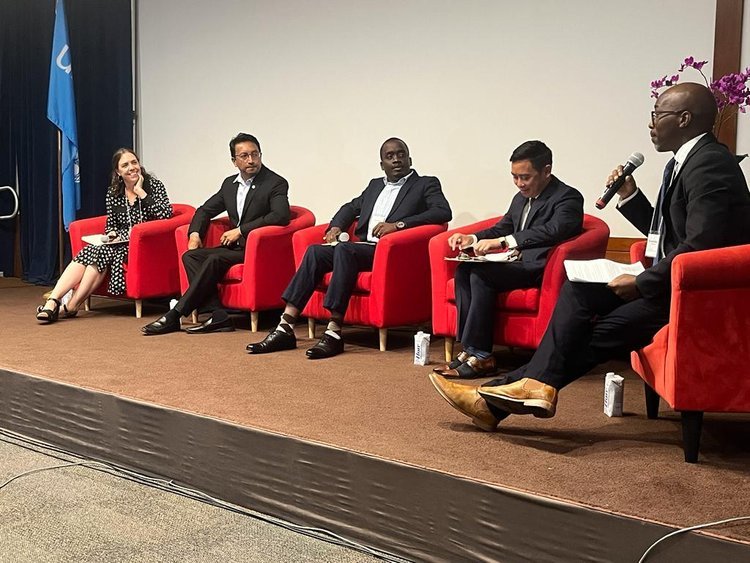
Voices for PEN-Plus advocates who presented during the first International Conference on PEN-Plus in Africa included, from left, Moses Echodu, a childhood cancer survivor from Uganda; Arafa Said, a sickle cell warrior from Tanzania; Emmanuella Selasi Hormenoo, a type 1 diabetes warrior from Ghana; and Neema Mohamed, a sickle cell warrior from Tanzania. (Photo: Courtesy of the WHO Regional Office for Africa)
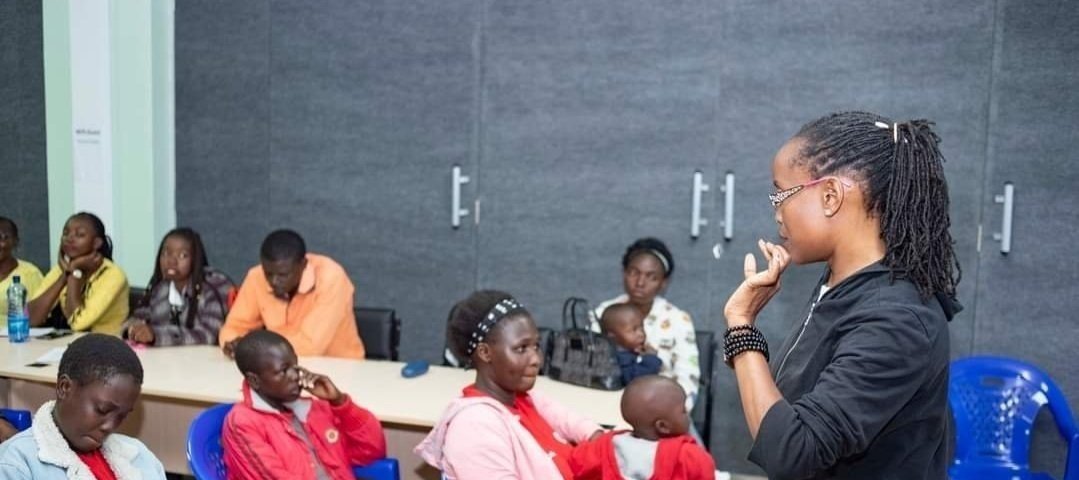
Voices for PEN-Plus, an initiative of the NCDI Poverty Network, brings together people with lived experience to advocate for implementation of PEN-Plus in rural sub-Saharan Africa and South Asia.
All of the program’s advocates are from a country actively involved in initiating or implementing PEN-Plus, an innovative and integrated care-delivery model. Although they do not receive their care at a PEN-Plus clinic, each advocate lives with a severe, chronic noncommunicable condition, such as type 1 diabetes, sickle cell disease, childhood heart disease, or childhood cancer.
Although the advocates live in disparate countries, they have faced common challenges, including difficulty accessing medicine, stigmatization, and a lack of education about their condition among their community members.
“You all represent a voice, a story, and a hope for a better tomorrow,” Dr. Apoorva Gomber, the Network’s associate advocacy director, told the advocates during the official launch of the program in September 2023. “There’s no better way to advocate for health systems that meet our needs than as an organized coalition. When you learn from others living with noncommunicable conditions, you become an advocate not only for your disease but also for theirs. PEN-Plus serves multiple disease communities, and we support each other too.”
Advocacy priorities for 2023-2025
to build a solidarity movement around PEN-Plus at global, national, and local levels;
To advocate for funding—from individuals, organizations, legislatures, and parliaments—for PEN-Plus internationally; and
To engage advocates on a grassroots level to ensure PEN-Plus care is relevant, effective, culturally appropriate, and socially and financially supported.
Advocacy Updates
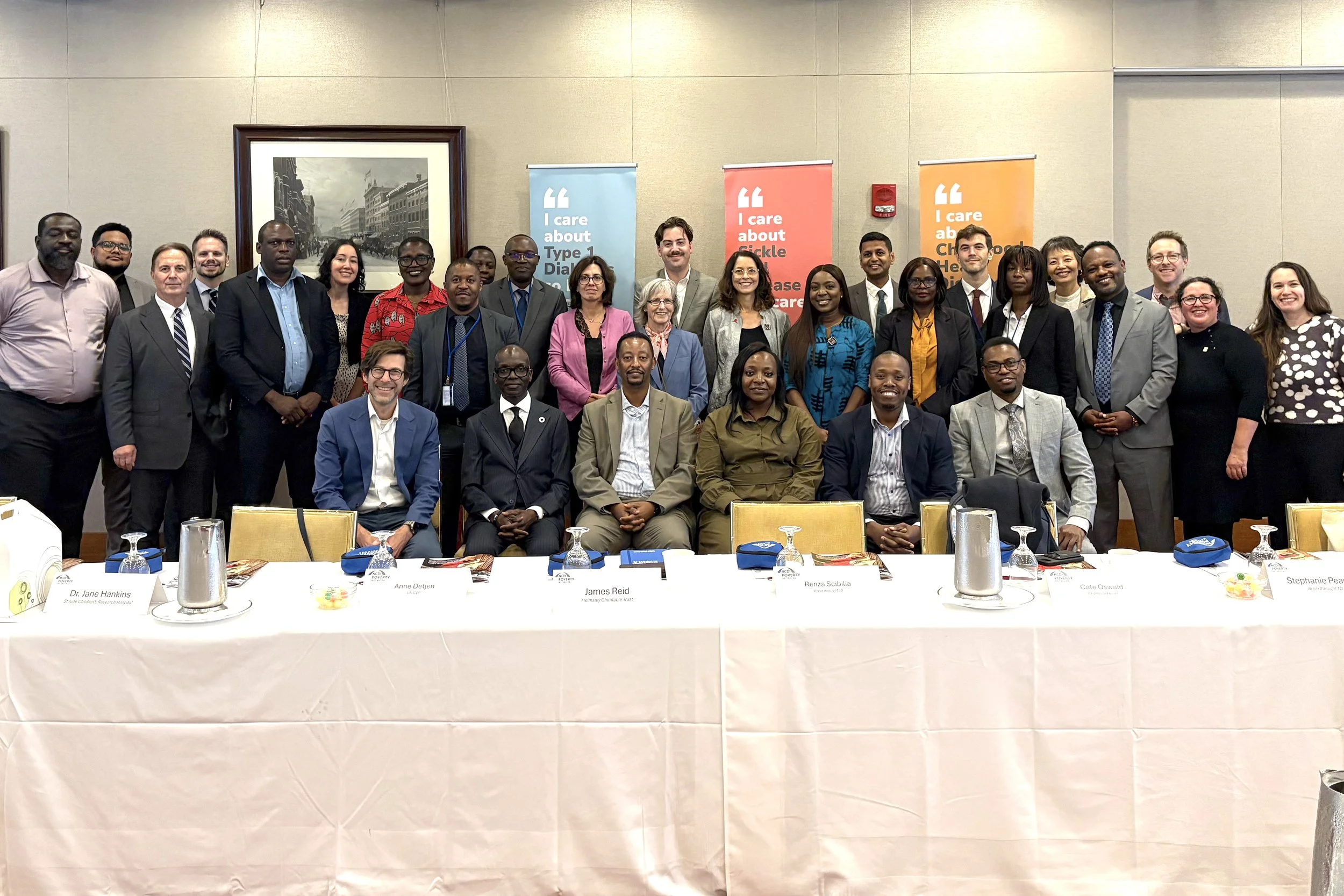
During this year’s United Nations General Assembly Week, Rachel Gasana, senior director of advancement at the NCDI Poverty Network, reflected on the bold new partnerships and program launches that made the previous year a momentous one for the care of people living with severe, chronic noncommunicable diseases.
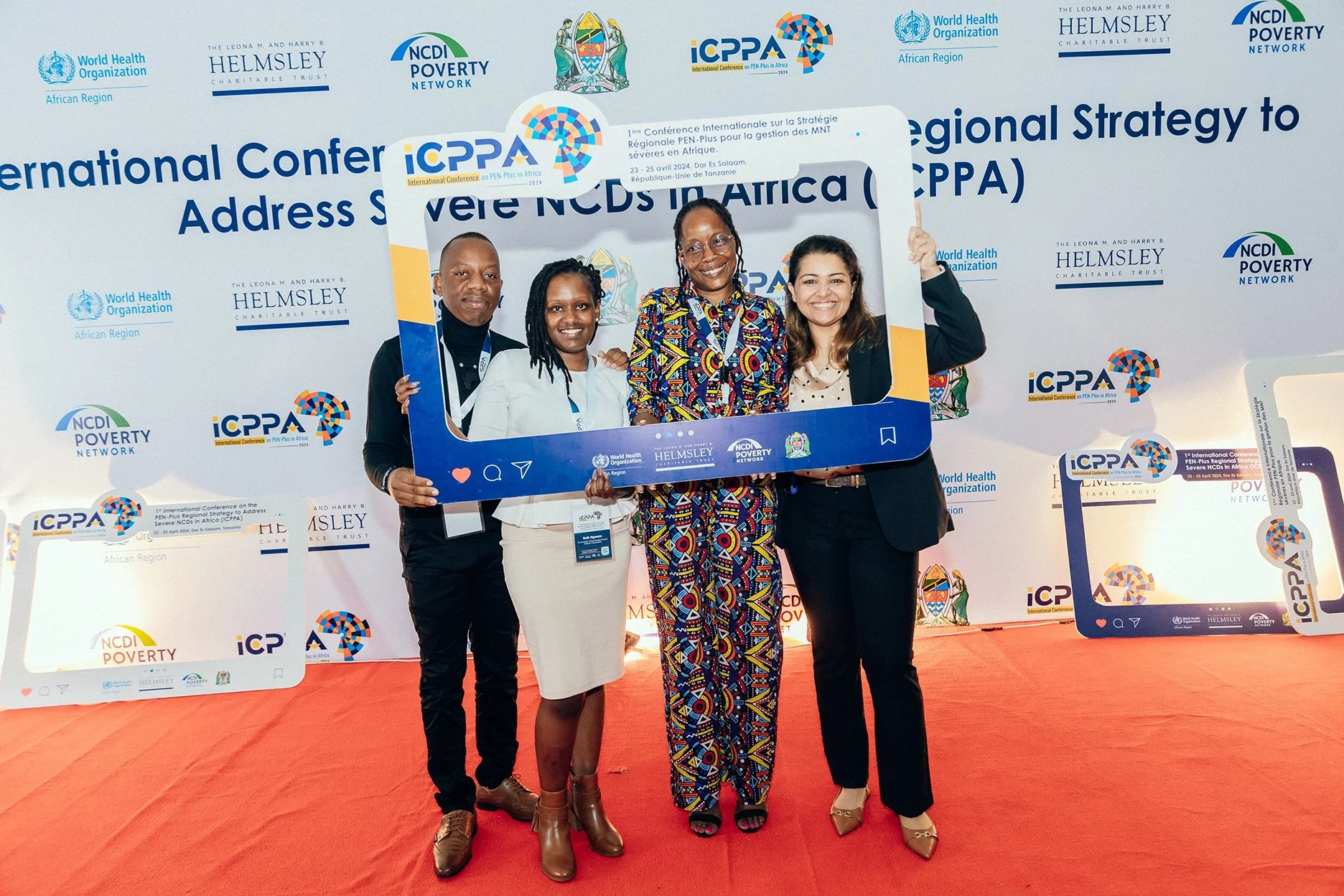
After five years with the NCDI Poverty Network, Dr. Apporva Gomber leaves a legacy of impassioned advocacy—and community—through her work with the Voices for PEN-Plus program. Dr. Gomber is returning to clinical work, with the goal of becoming a pediatric endocrinologist and using her own lived experience to help children navigate the challenges of living with type 1 diabetes.
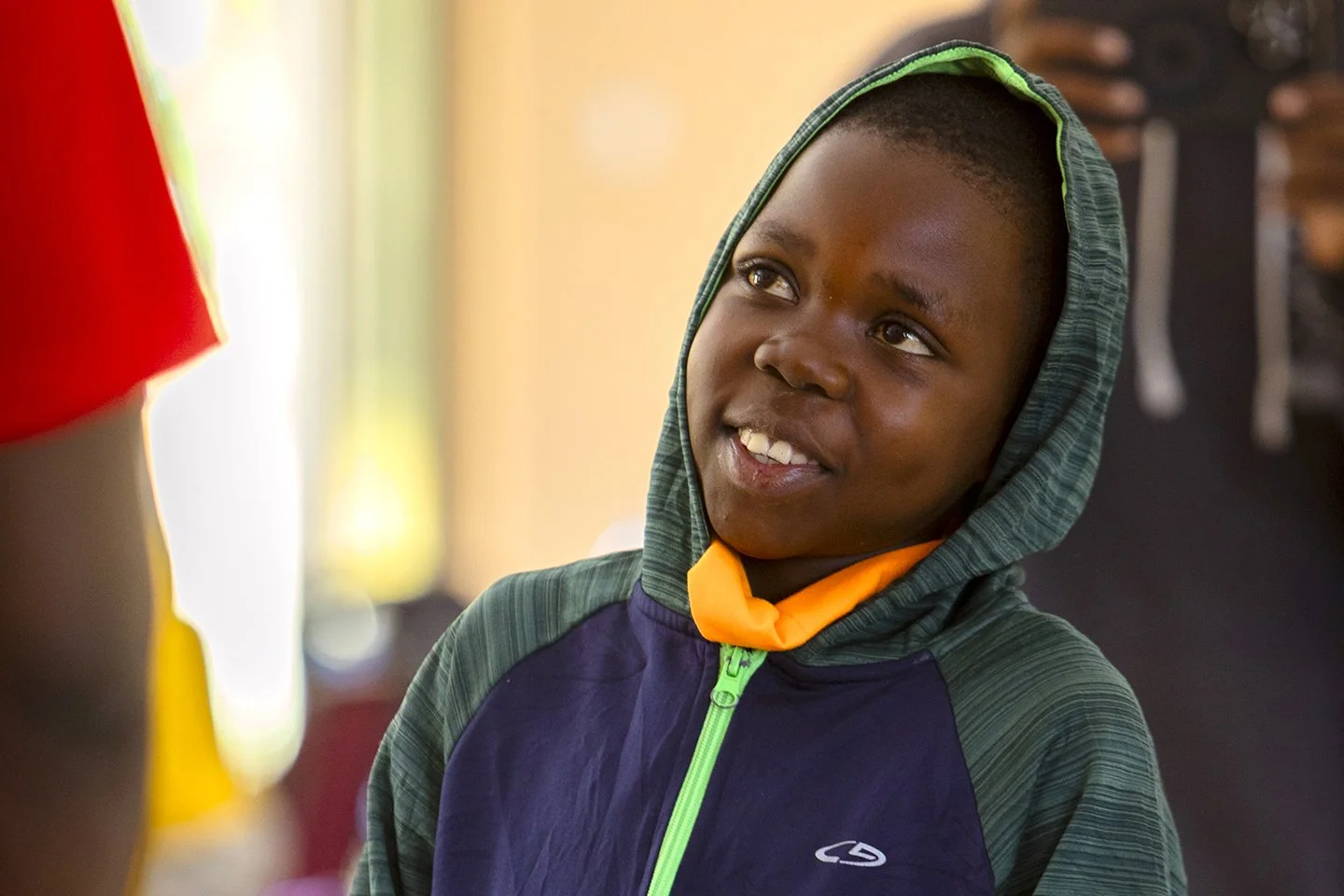
Daniel Mulowa, an 11-year-old with sickle cell disease, experienced a transformative week at an PEN-Plus camp last summer. The camp, held in Zambia for young people with sickle cell disease or type 1 diabetes, showed the power of peer support, health education, and empowerment.
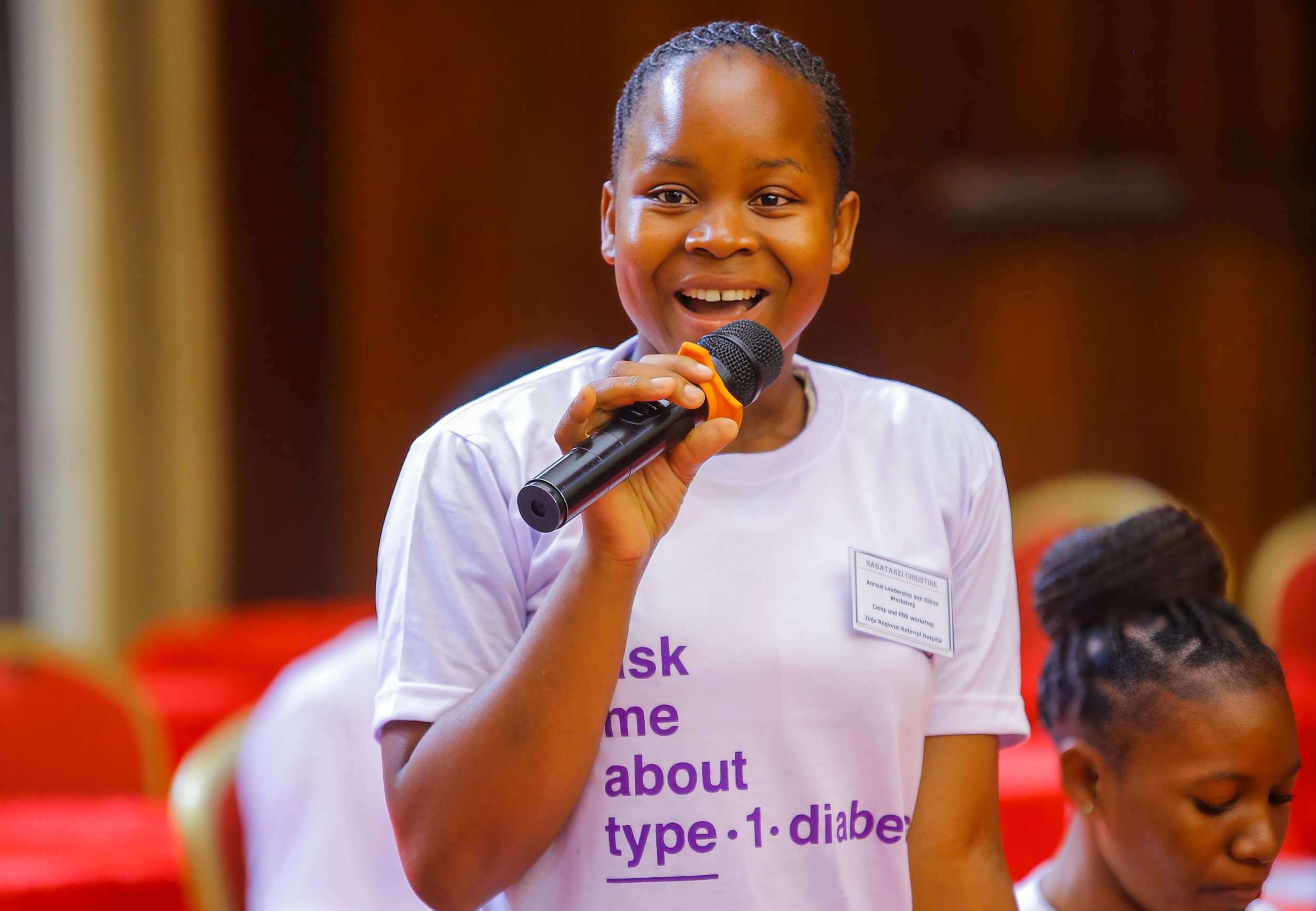
Two sickle cell warriors from Kenya and two type 1 diabetes warriors, one from Uganda and the other from Zambia, recently joined the Network’s Voices for PEN-Plus advocacy program. “Your story makes a difference, your story has impact,” veteran Voices advocate Moses Echodu said in welcoming the newcomers. “And, importantly, your story is what will keep someone else hopeful.”
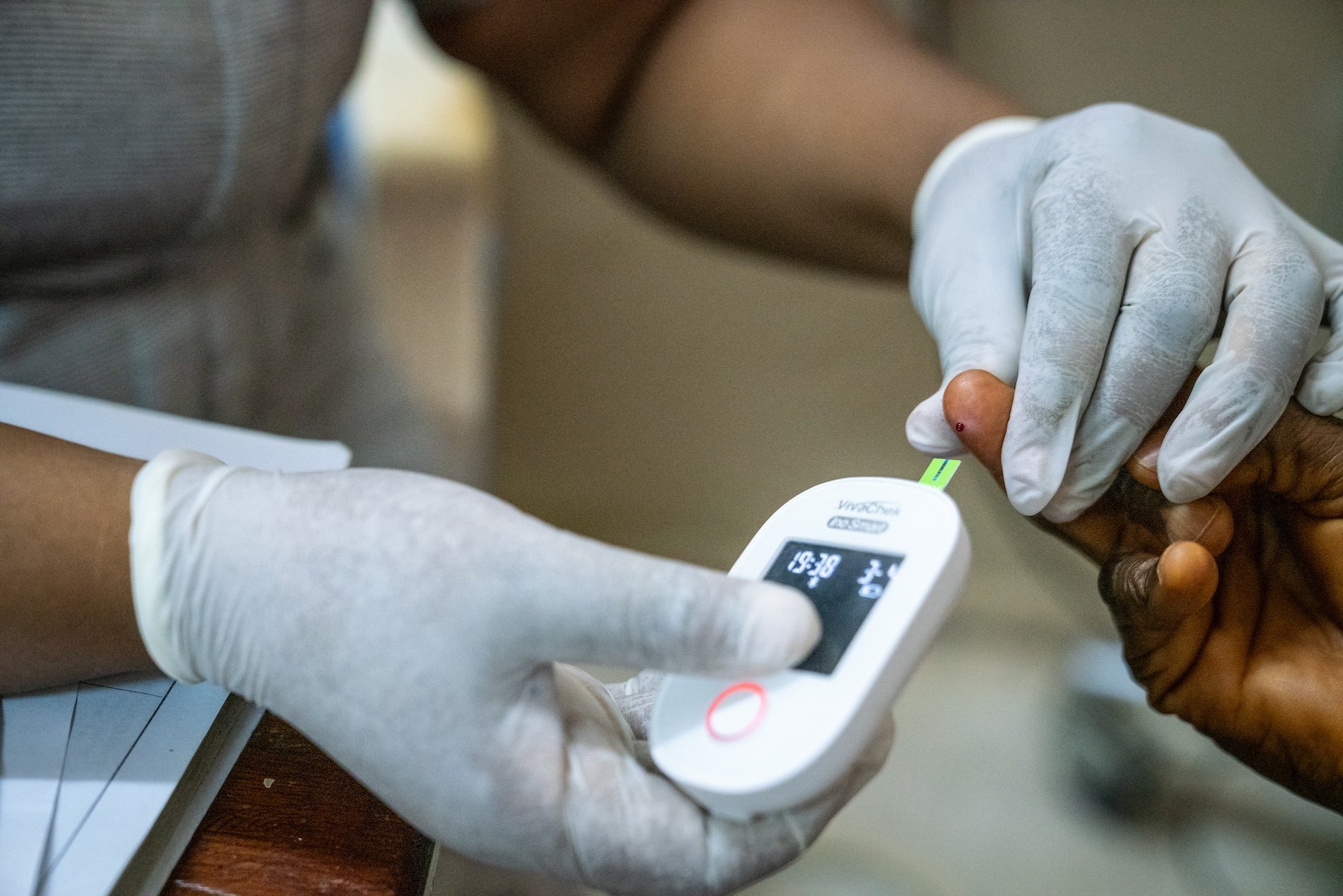
A first-of-its-kind review of published studies on type 1 diabetes care found a significant lack of records and data on care in primary- and first-referral-level hospitals in low-and lower-middle-income countries. The findings do more than suggest a wide gap in care for people living with the disease in rural areas of low- and lower-middle-income countries; they also underscore the urgent need to fill that gap through proven integrated health care models such as PEN-Plus.
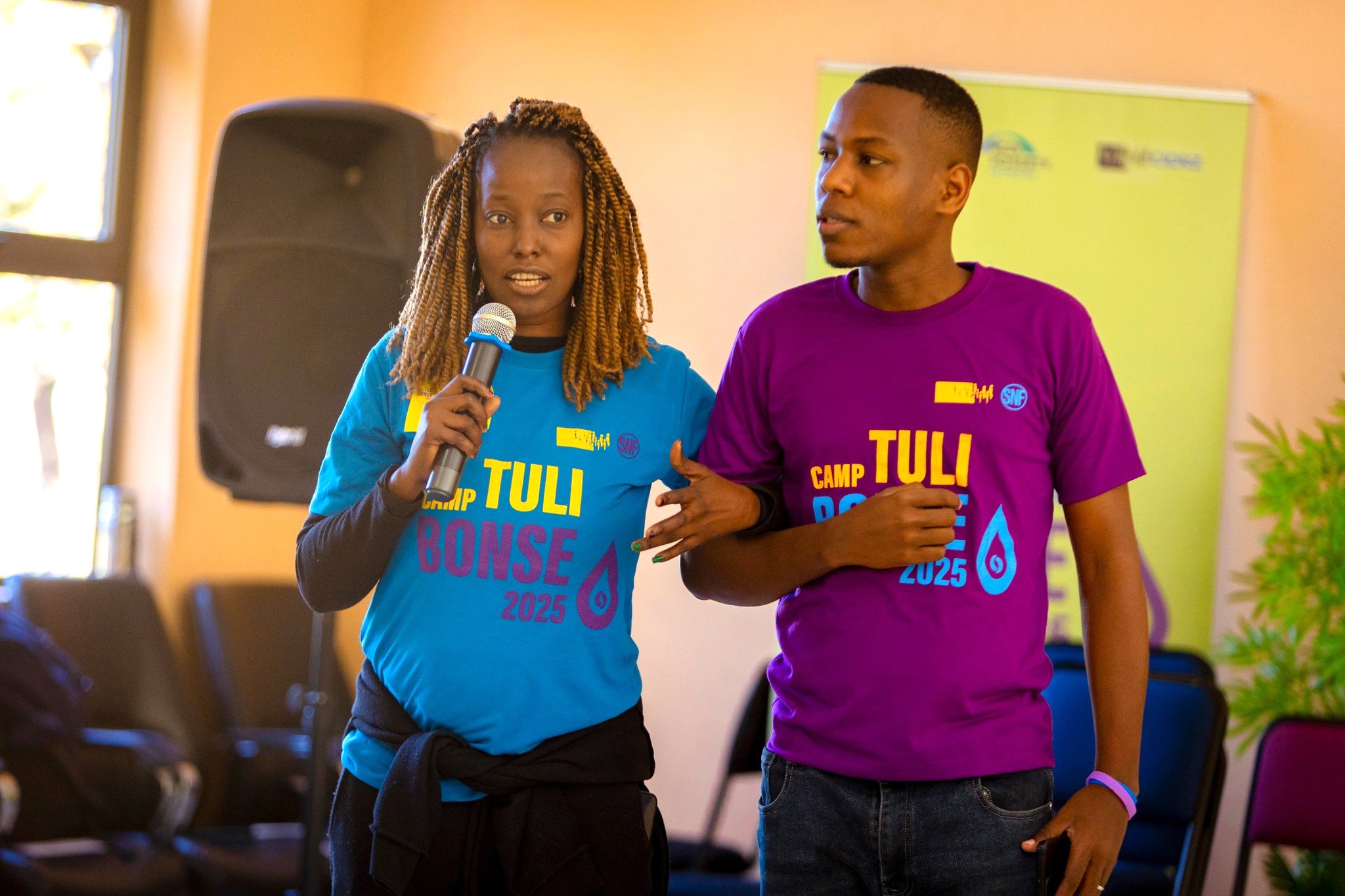
Emmanuel Kisembo and Lwimba Kasongo—who live with type 1 diabetes and sickle cell disease, respectively—are tireless advocates for awareness and education about their conditions. They are members of the NCDI Poverty Network’s Voices for PEN-Plus program and were co-captains last summer at an integrated PEN-Plus camp in Zambia, where they mentored nearly 60 youth with noncommunicable diseases. In this article, they share their lived experience and reflections on mentorship, advocacy, and the power of integration in fostering peer support.
As global health funding continues to evolve, more than 50 experts from dozens of countries are preparing for publication a new four-paper series that will offer integration science as a tool for unlocking significant gains in health equity worldwide. These collaborators represent a range of organizations and include academics, ministry officials, and people with lived experience from across sub-Saharan Africa and South Asia.
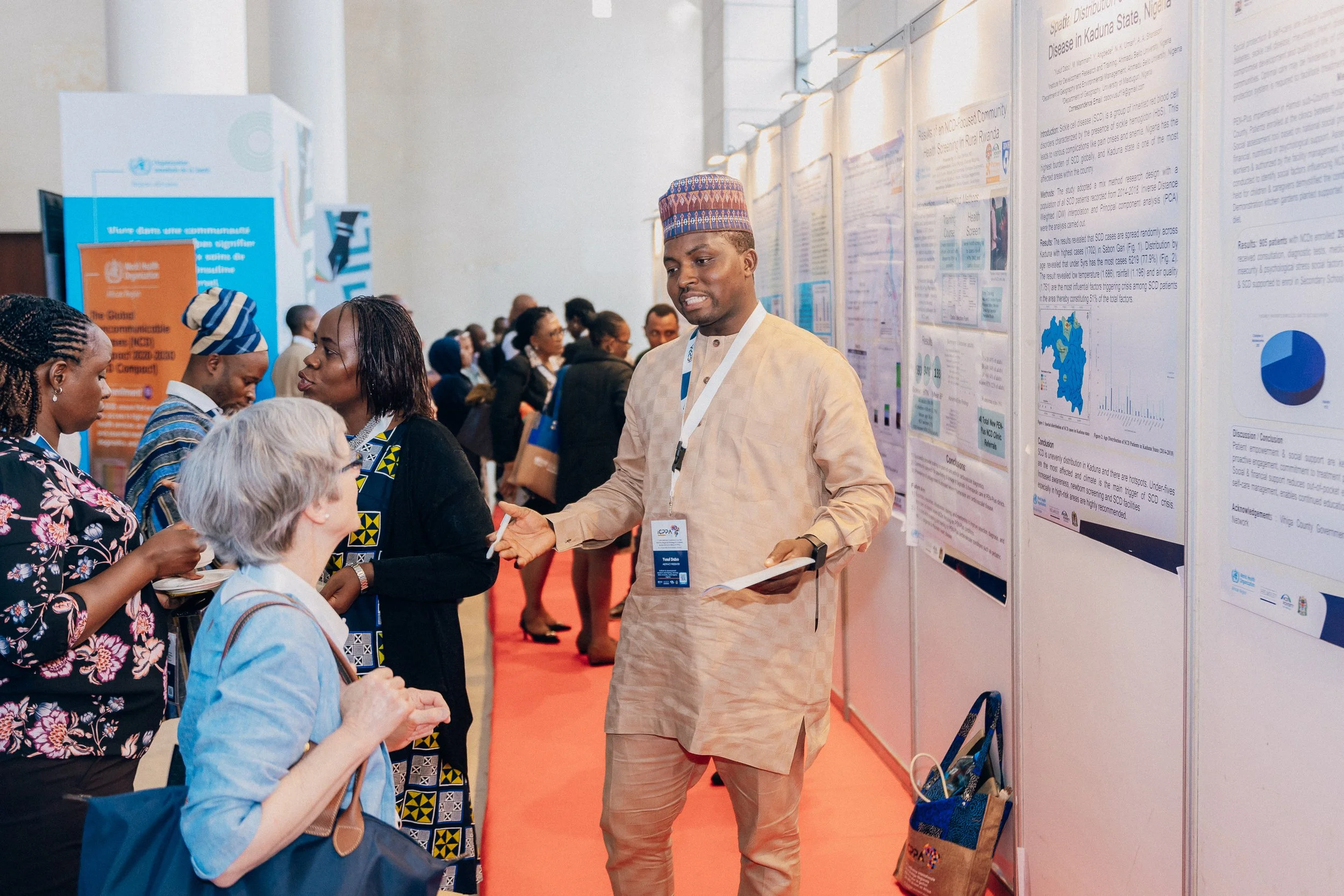
Preparations are in full swing for the Third International Conference on PEN-Plus in Africa, slated for June 23–25 in Dar es Salaam, Tanzania. The conference will celebrate the accelerating momentum of the PEN-Plus movement and highlight the latest research, for which the World Health Organization Regional Office for Africa has issued a call for abstracts.
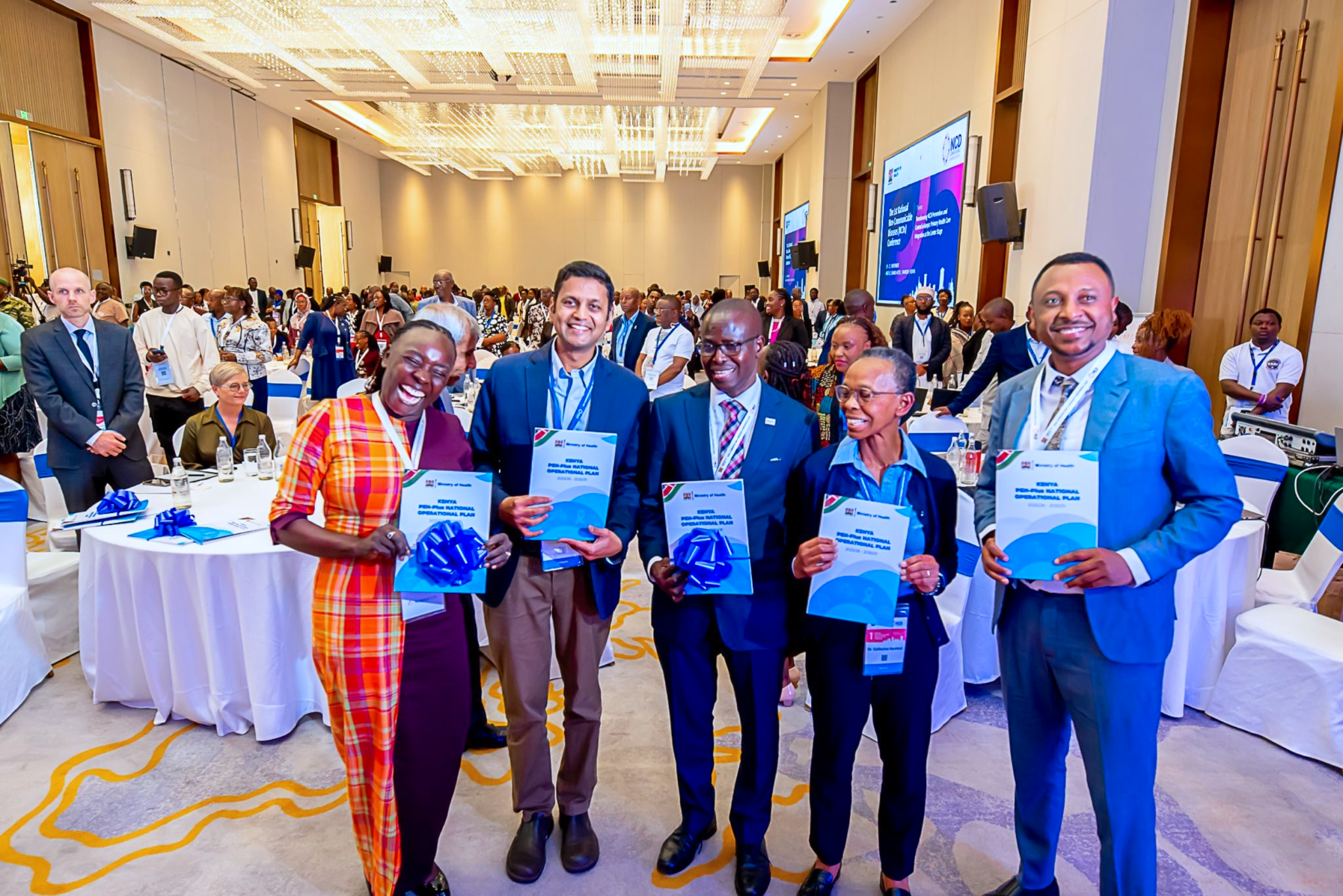
Several countries that have already implemented PEN-Plus are now launching national operational plans to detail how they will use the model to expand, integrate, and decentralize care for people living with noncommunicable diseases. A leader in Kenya’s Ministry of Health recently revealed critical steps in ensuring that country’s plan would be a success.
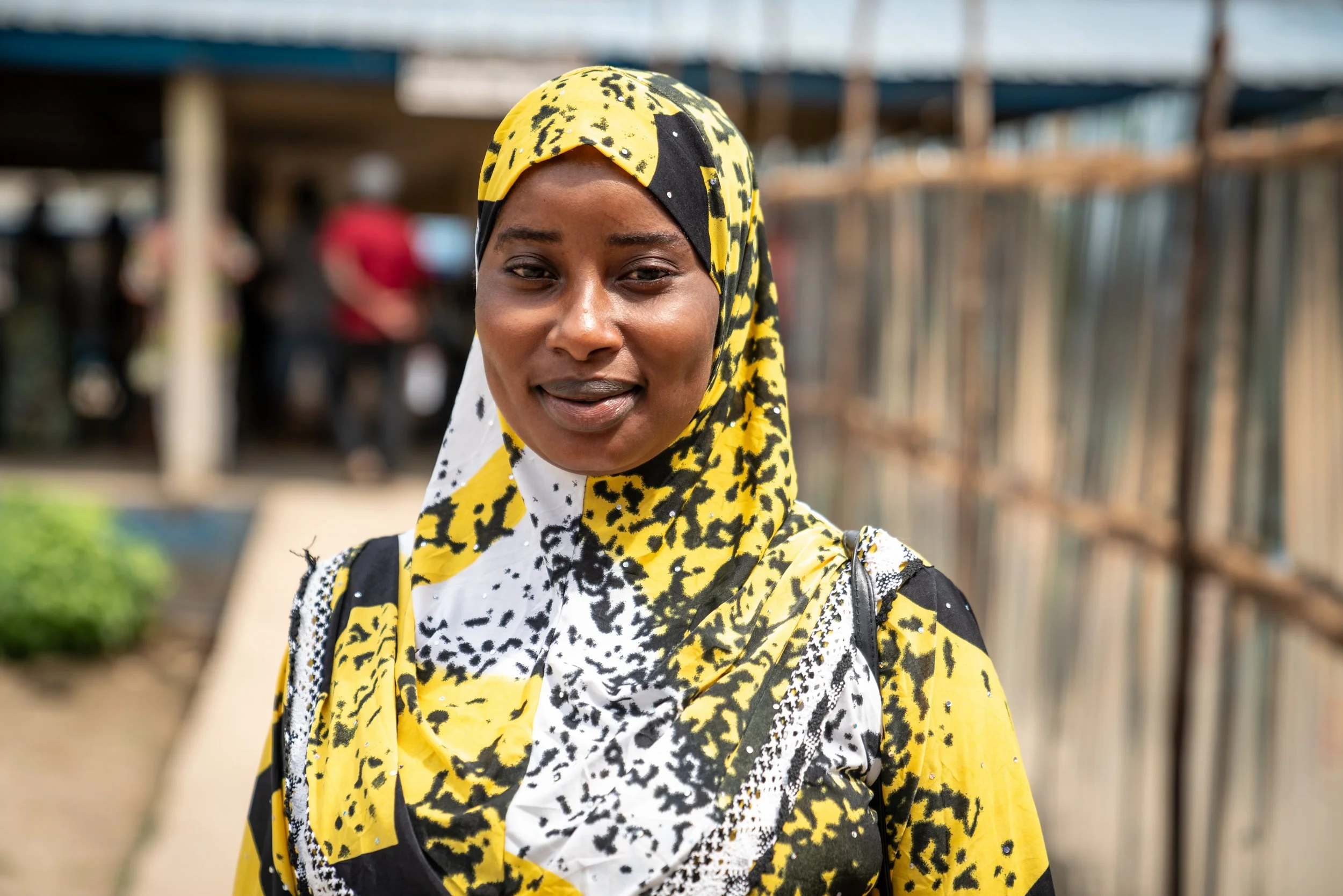
Thanks to her continued care at the PEN-Plus clinic in Koidu, Umu Barrie was able to complete her studies and begin her career as a teacher. “Receiving this treatment has encouraged me to be a role model,” she said. “I am now living my life to the full, and I want to help other people with diabetes change their lives.”
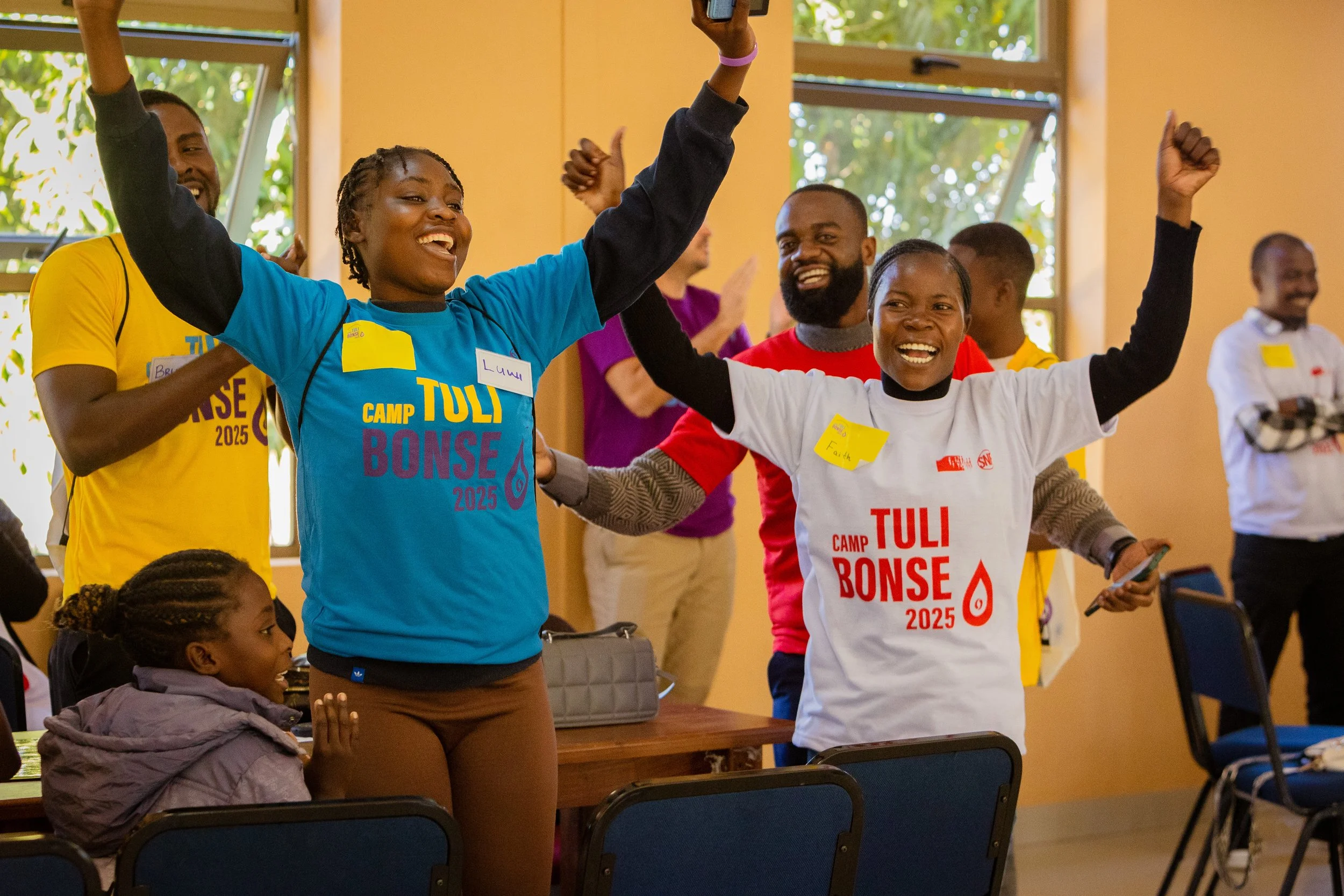
With peer support having proved to be a key component of PEN-Plus care, the NCDI Poverty Network is developing an integrated training program for peer educators. “We’ve seen beautiful examples of young people who are unafraid to speak boldly about their condition, to be advocates, to be champions,” said Dr. Colin Pfaff, the Network’s associate director of programs. “They are living successful lives and are examples to others, which has such a powerful impact.”
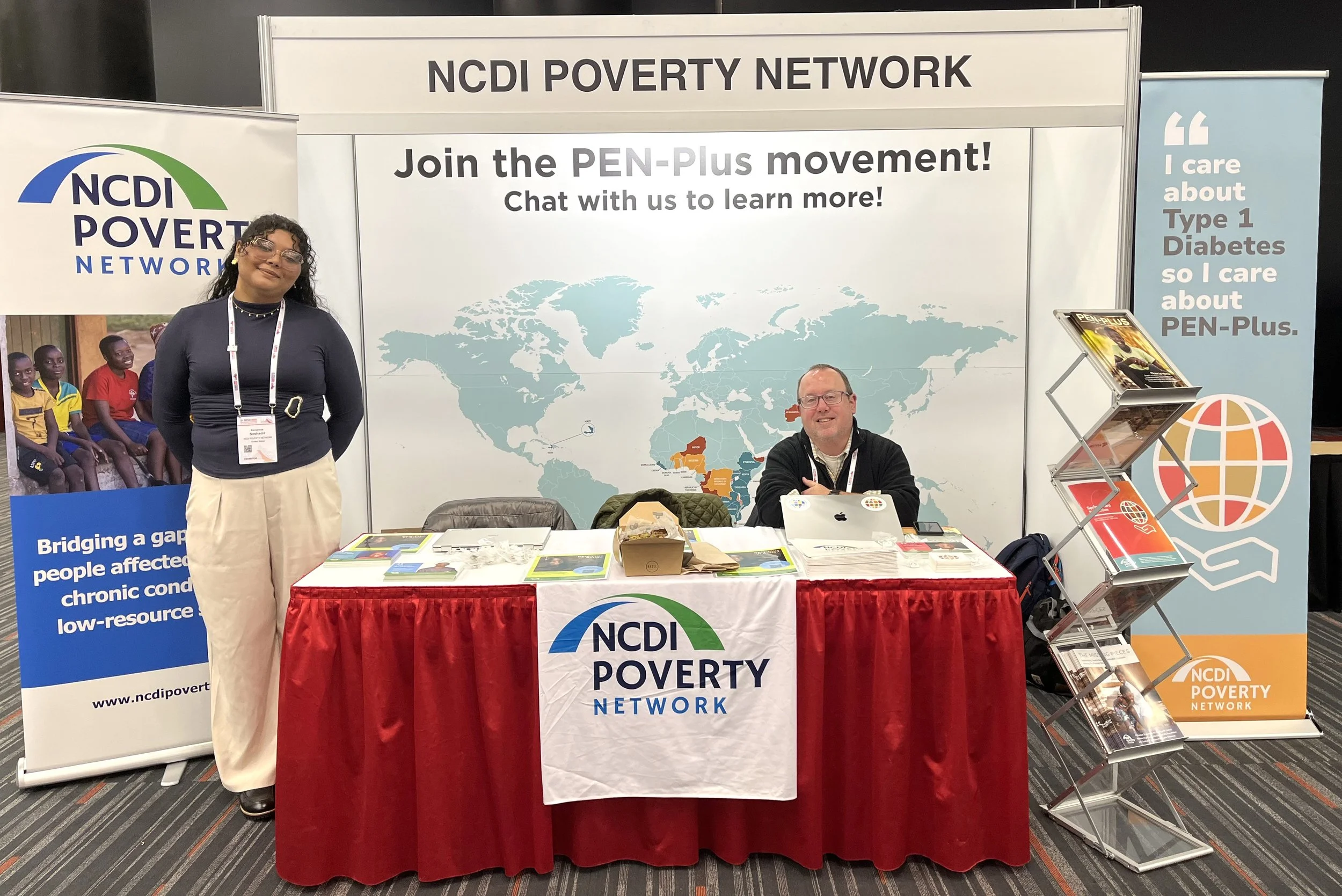
The PEN-Plus model of care is not only improving treatment and accessibility for people living with type 1 diabetes, but it’s also placing an emphasis on the disease that had not previously existed in some parts of the world, Dr. Gene Bukhman said during the recent International Society for Pediatric and Adolescent Diabetes conference, held in Montreal.

Naomi Mwila was attending college for civil engineering, planning her career, and dreaming of a bright future until a diagnosis of type 1 diabetes changed her entire outlook, as a college professor told her that her condition meant she no longer had anything to live for. Then an integrated PEN-Plus camp restored her ability to dream.

When it comes to advocating for health equity and greater access to care for people living with severe noncommunicable diseases, Emmanuella Selasi Hormenoo doesn’t miss an opportunity. Undaunted by sharing stages with global health leaders, the Voices for PEN-Plus advocate represented people with lived experience on two panels at the World Health Summit in Berlin in mid-October.
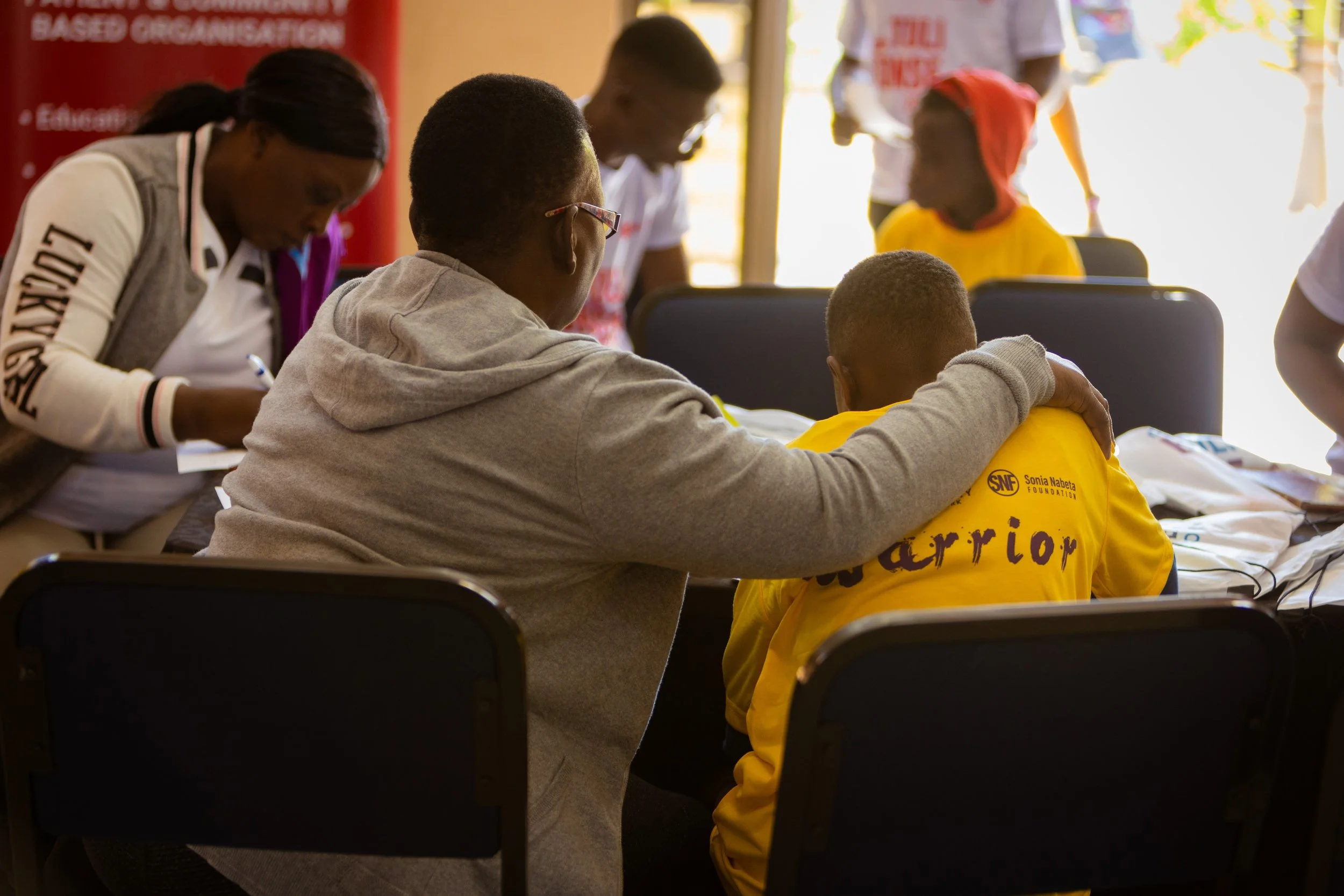
Photos from the weeklong camp show joy, education, and empowerment, as young people living with type 1 diabetes or sickle cell disease shared experiences, learned about managing their health and, above all, discovered they were not alone.
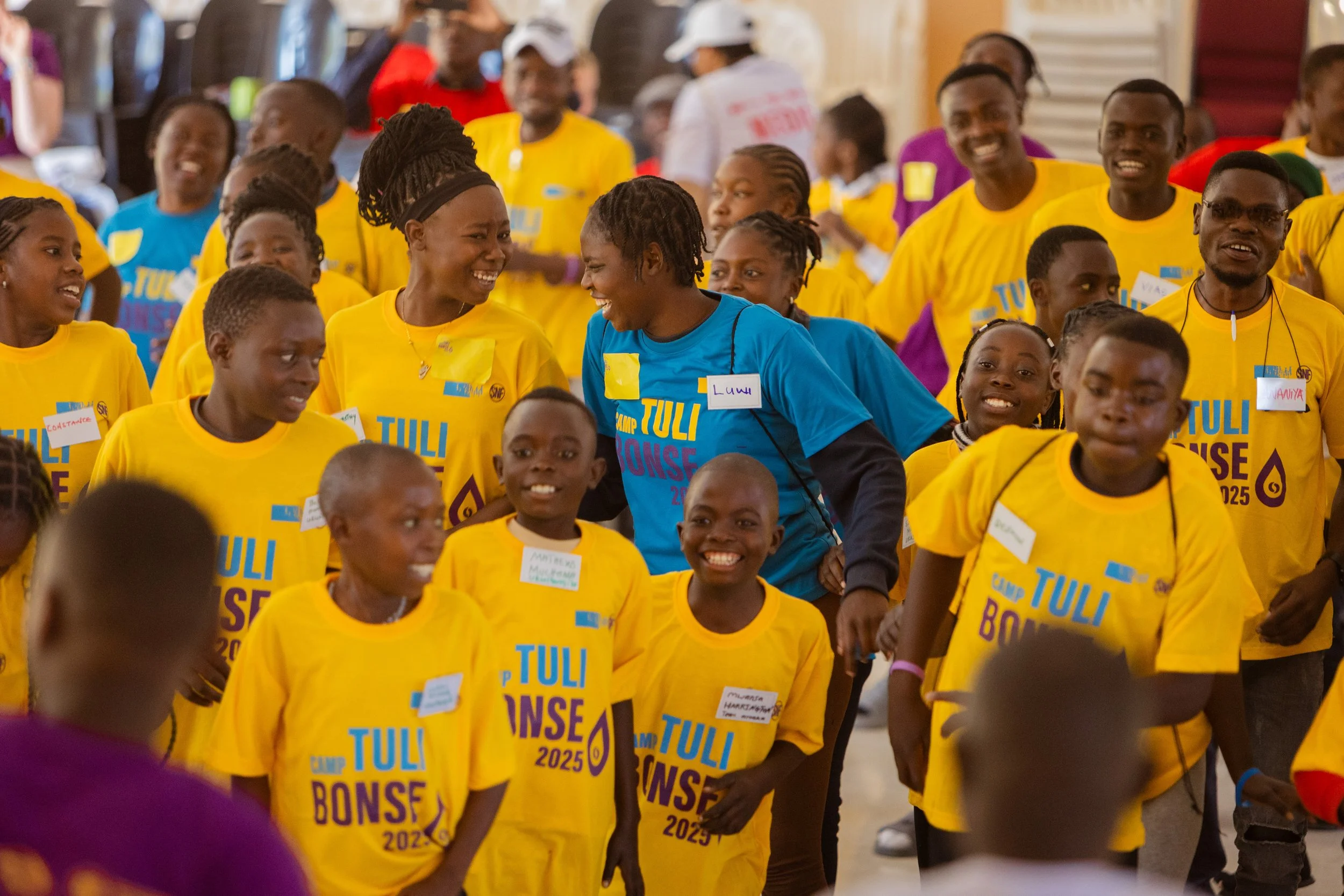
“I am a warrior. I am brave. I am triumphant.” With that mantra, participants in Camp Tuli Bonse—an integrated camp for young people living in Zambia with type 1 diabetes or sickle cell disease—learned how a sense of unity can confer benefits beyond physical health.

Dr. Ana Mocumbi, co-chair of the NCDI Poverty Network, represented PEN-Plus at a high-level side event during the recent 75th session of the WHO Regional Committee for Africa. There delegates emphasized the urgent need for equitable access to prevention, screening, treatment, and rehabilitation across the continuum of care for people living with severe noncommunicable diseases.
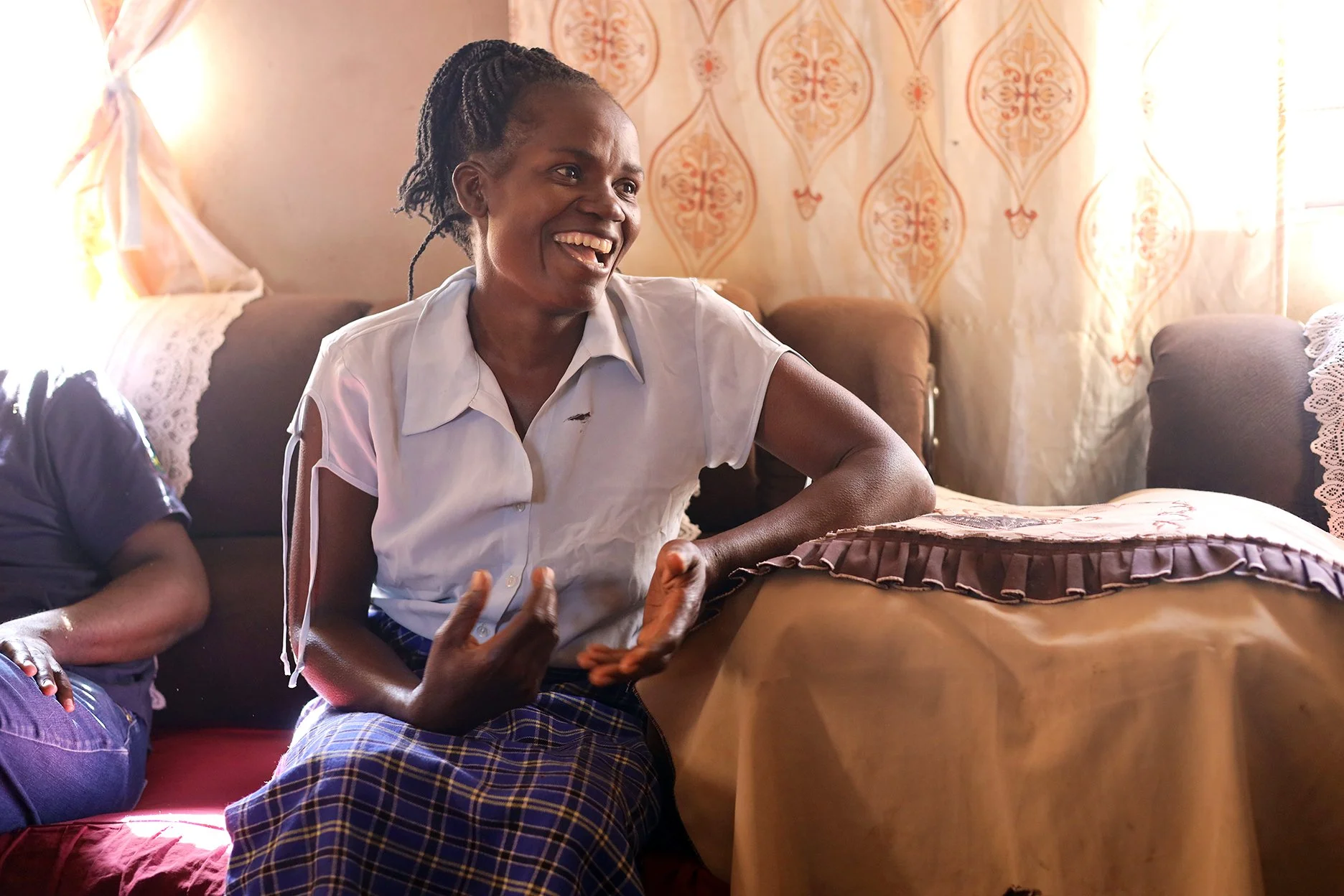
Shumirai Magidi, a 48-year-old mother of six who lives in a quiet rural stretch of Chabata Village in the Bikita District of southeastern Zimbabwe, is known for her resilience. Yet that strength was put to the test several years ago, when her health began to fail.
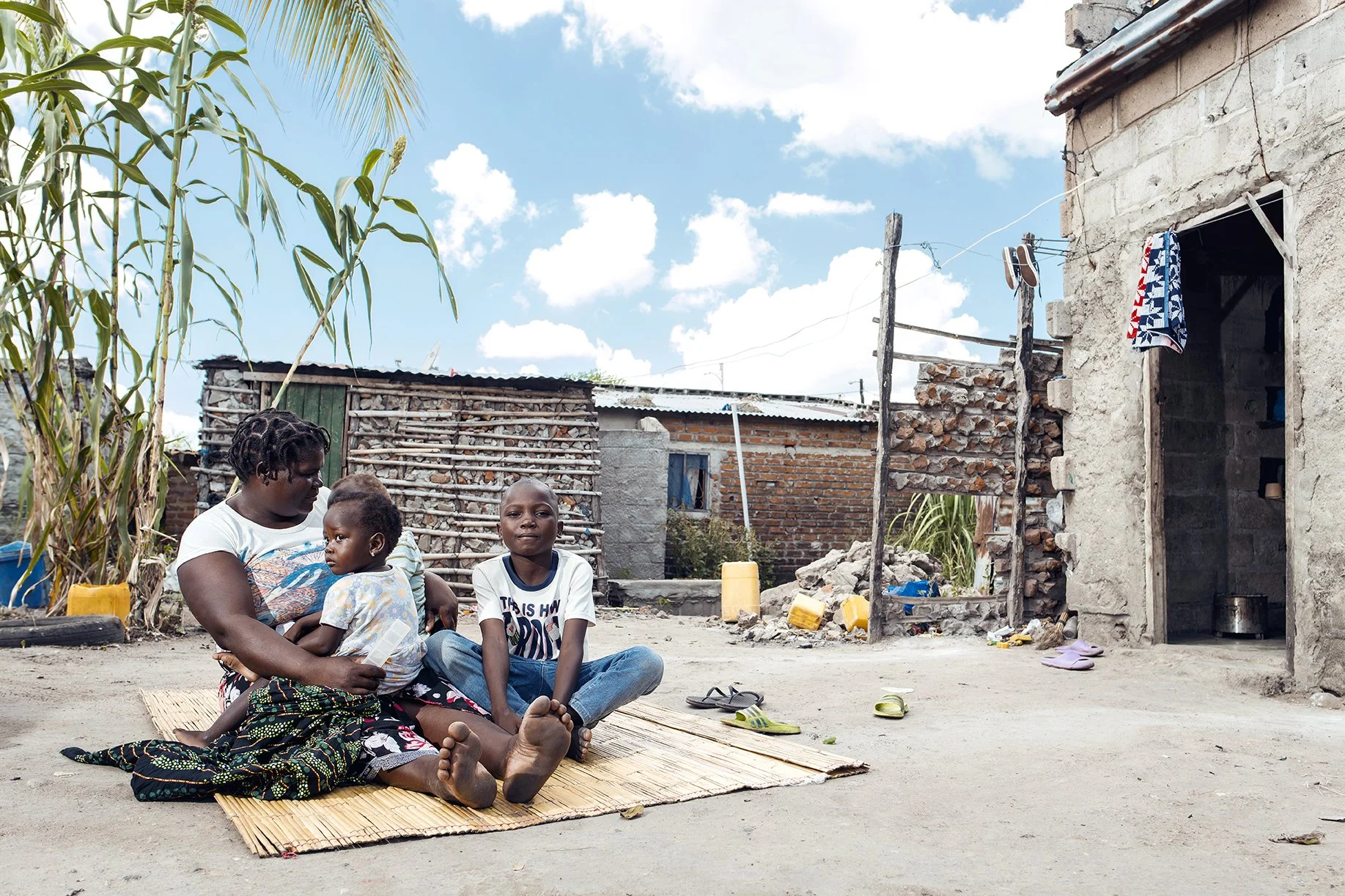
A commentary authored by Network and UNICEF leaders and published in August by The Lancet Child & Adolescent Health makes the case for better care for children and adolescents living with severe, chronic NCDs in settings of extreme poverty, a case that’s also reflected in the Network’s position statement ahead of the United Nations High-Level Meeting on NCDs in September.

At the second International Conference for PEN-Plus in Africa, recently held in Abuja, health leaders, policymakers, and development partners across Africa renewed their commitment to an accelerated implementation of the PEN-Plus to significantly expand access to care for people living with severe noncommunicable diseases.

The second International Conference on PEN-Plus in Africa positioned Nigeria as a leading advocate for PEN-Plus across the African continent, media coverage of the July conference showed.

Camp Tuli Bonse, an integrated summer camp, will bring together about 60 children, adolescents, and young adults living with either type 1 diabetes or sickle cell disease for a week of health education, support, solidarity, and fun in Chongwe, Zambia, from August 18 to 22.

A peer education event in May brought clinicians and community advocates from Liberia, Sierra Leone, and Uganda together for training on type 1 diabetes management and symptoms, leadership, and…building towers out of spaghetti.
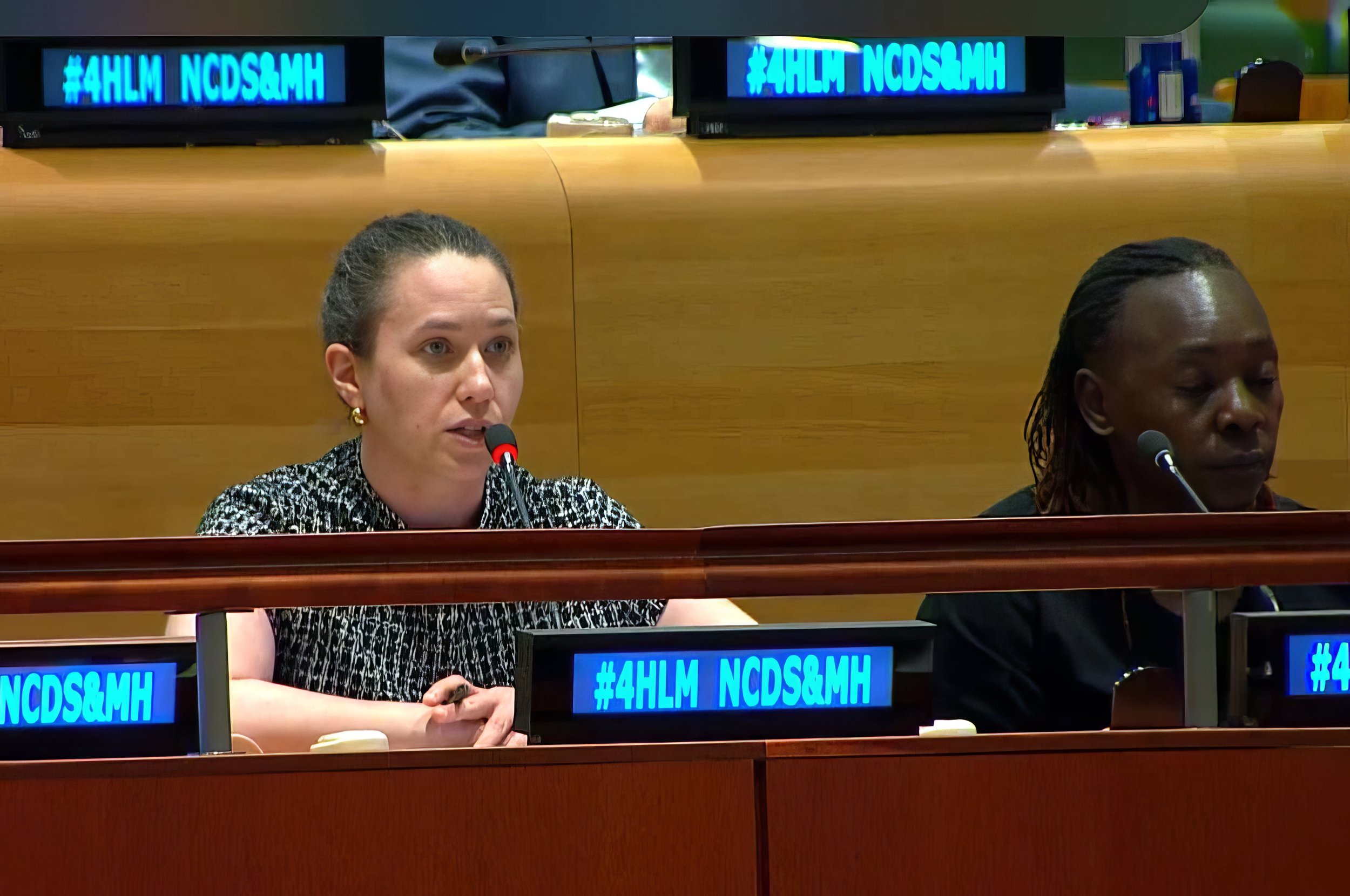
On behalf of the NCDI Poverty Network, Rachel Gasana, senior director of advancement, testified at the multistakeholder hearing on noncommunicable diseases, held at the United Nations Headquarters in New York City. The Network was one of 70 organizations selected to deliver testimonies as a prelude to the United Nations High-Level Meeting on NCDs in September.

The WHO Regional Office for Africa recently published a landmark report that details the impact and momentum of the PEN-Plus model, providing a valuable tool for advocacy and information about integrated care for people living with severe, chronic noncommunicable diseases.
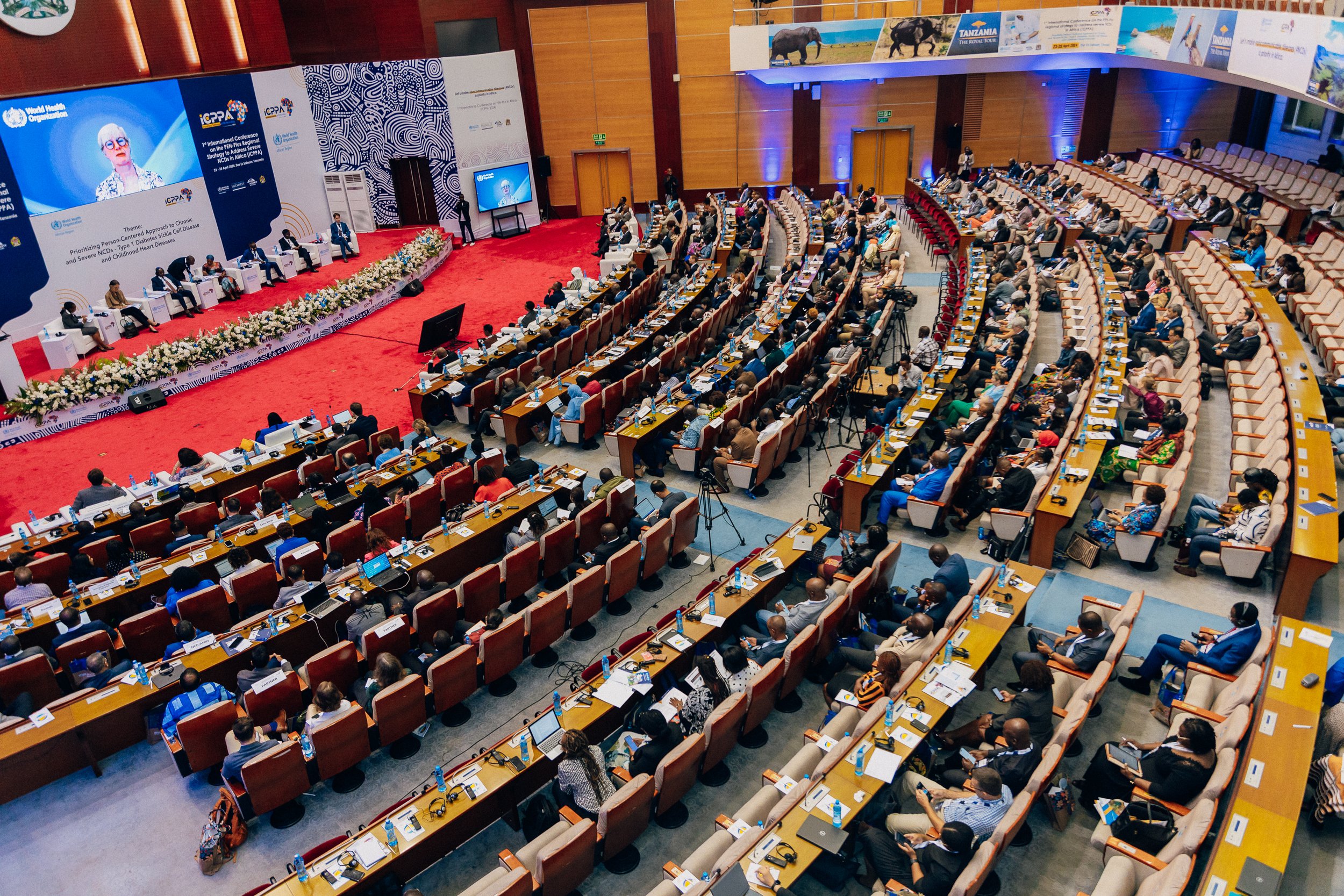
The NCDI Poverty Network recently expanded its social media presence to use the rising popularity of Facebook in Africa to good advantage—and to provide additional platforms for its advocacy work in ensuring that children, adolescents, and adults living with severe noncommunicable diseases in low-income countries have access to the lifesaving services they need.
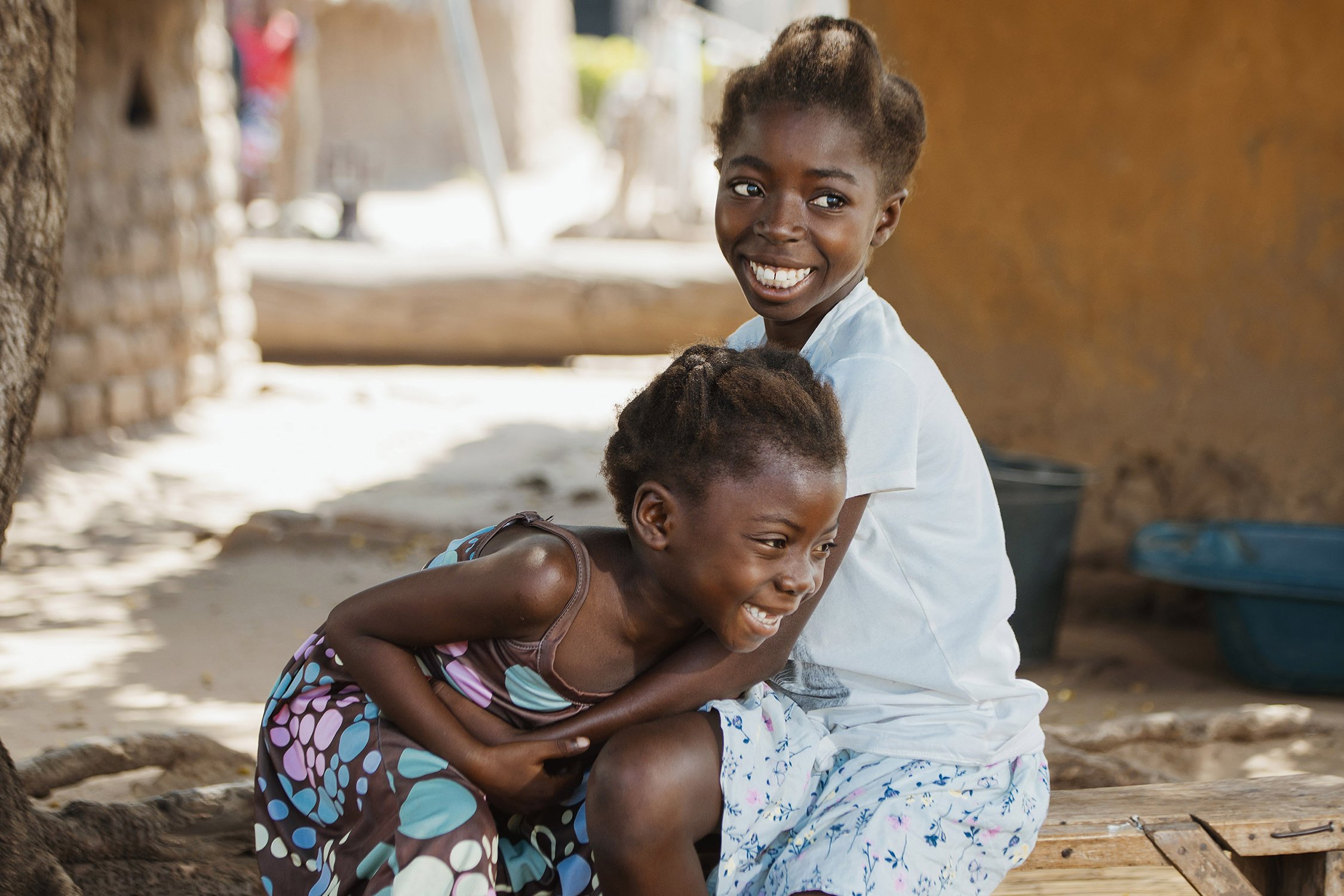
The NCDI Poverty Network recently published a position statement that identifies the crucial pieces—and populations—missing from the global NCD agenda. With this statement, the Network seeks to inform policy discussions in the lead-up to the Fourth United Nations High-Level Meeting on the Prevention and Control of Noncommunicable Diseases, slated for September.
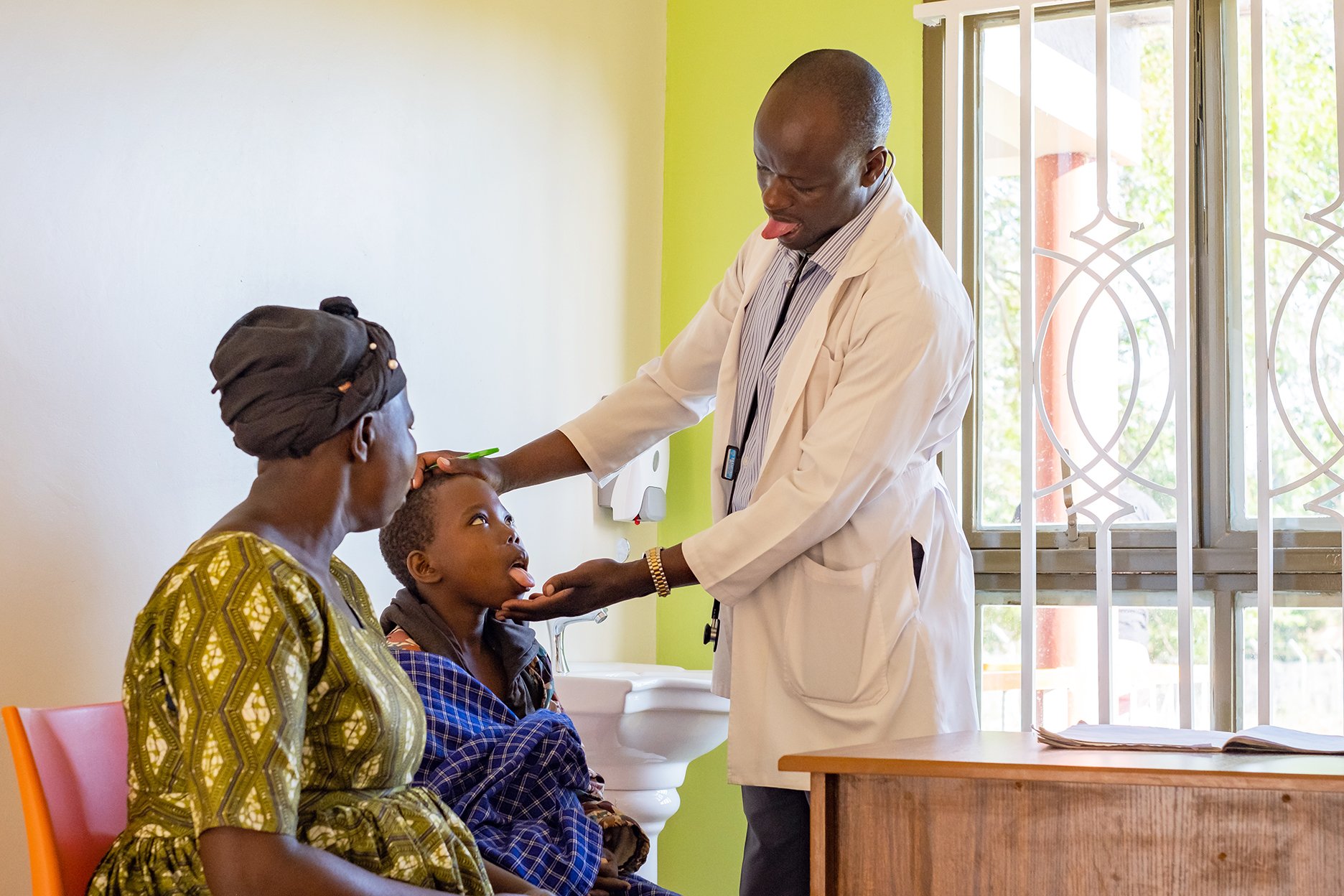
Dr. Neil Gupta, a pediatrician and the senior director of policy at the NCDI Poverty Network, will join a panel of healthcare providers in an upcoming webinar that explores how PEN-Plus affects the care of children living with severe NCDs. The International Pediatric Association is hosting the webinar on March 25.
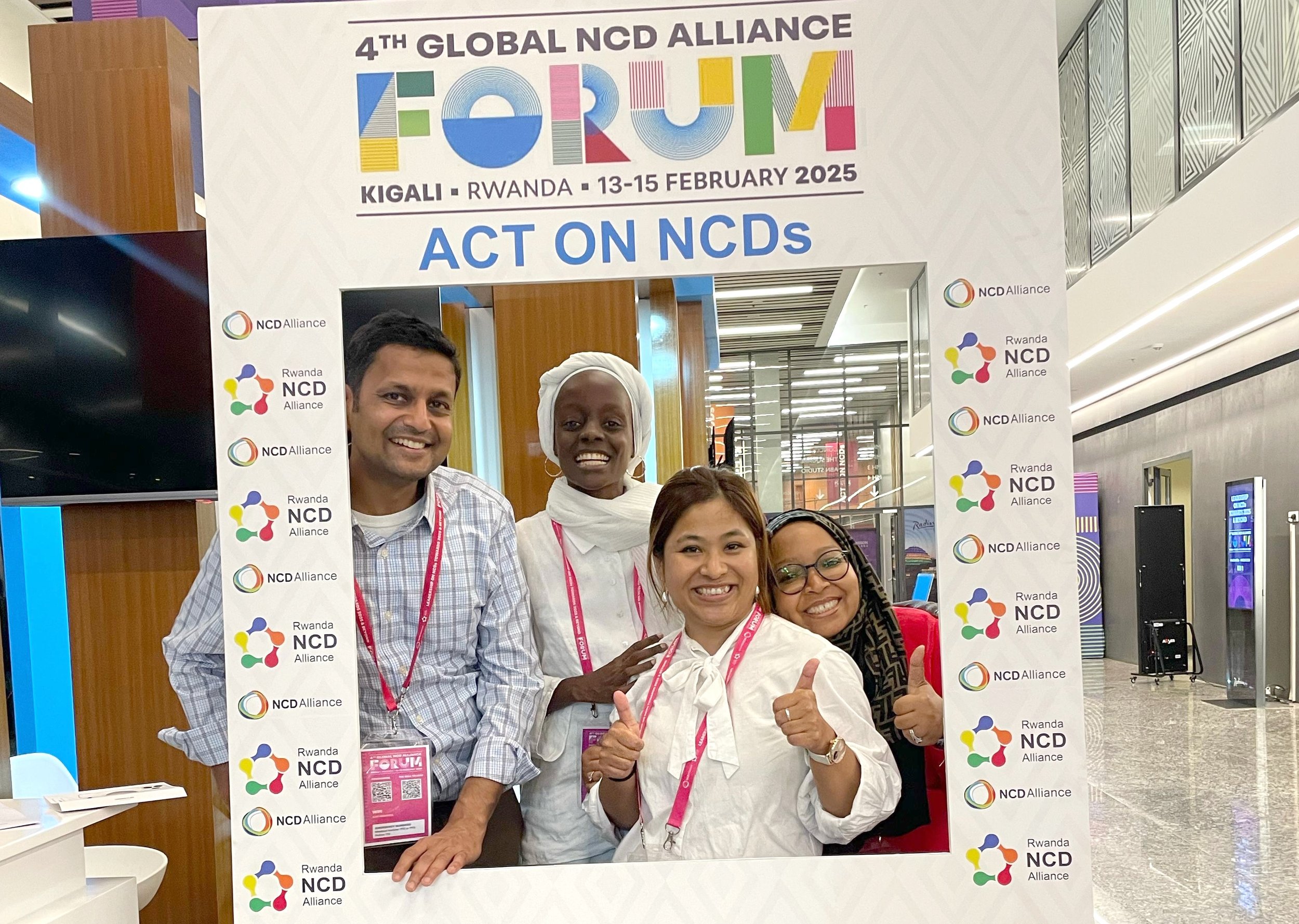
The NCDI Poverty Network’s recent week of advocacy in Rwanda included visits to two hospitals, a conference with more than 700 attendees, a panel with four expert speakers, and one recurring theme: the recognition that PEN-Plus is an effective model for mobilizing action and financing to increase access to care for people living with severe, chronic noncommunicable diseases.
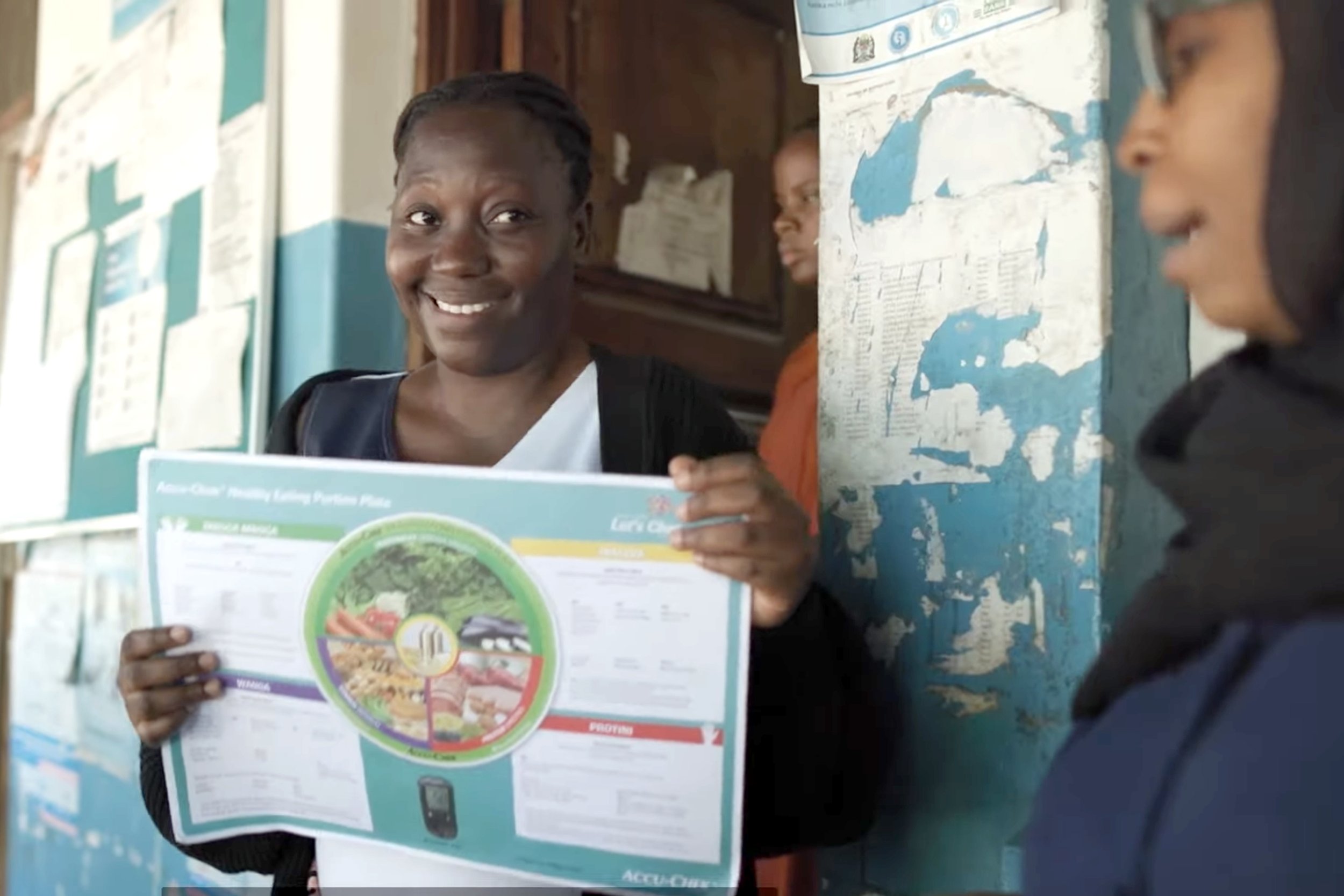
In a new video, Lucy Johnbosco, a member of the NCDI Poverty Network’s Steering Committee from Tanzania, offers her perspective of what it takes to change perceptions of type 1 diabetes in places where many people have limited understanding of the condition.