News and Stories

Rethinking Global Health: The Third Symposium on Integration Science
What could global health achieve if it stopped organizing itself along traditional lines? On October 27, the Third Symposium on Integration Science will explore the latest advancements in integration science, a growing field that bridges fundamental gaps in traditional, disease-specific approaches to global health by applying expertise and methodologies from a range of disciplines. The Center for Integration Science in Global Health Equity at Brigham and Women’s Hospital will host the symposium in Boston and online.
Journal Series to Explore Integration Science as Key to Meeting Global Health Challenges
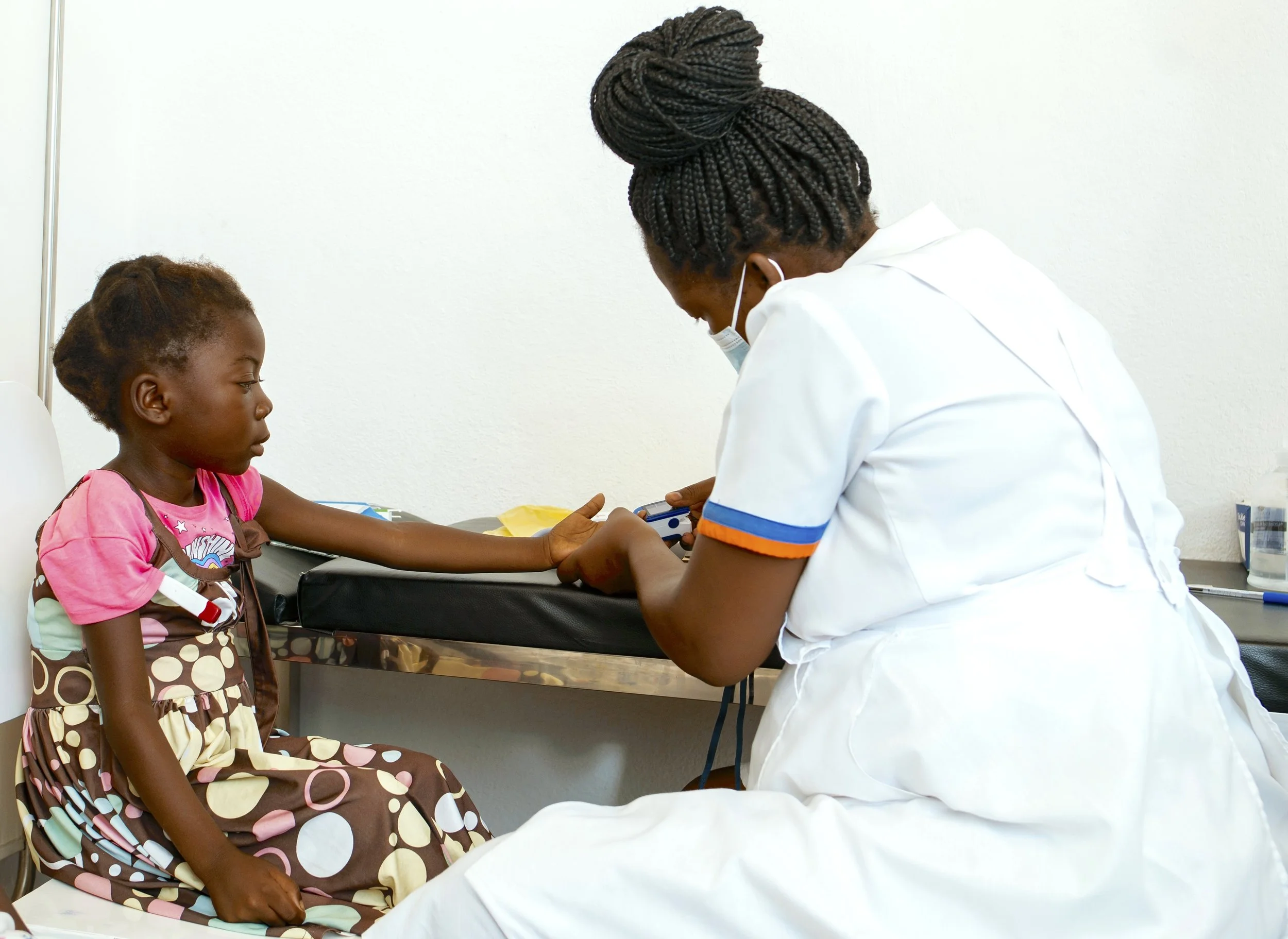
As global health funding continues to evolve, more than 50 experts from dozens of countries are preparing for publication a new four-paper series that will offer integration science as a tool for unlocking significant gains in health equity worldwide. These collaborators represent a range of organizations and include academics, ministry officials, and people with lived experience from across sub-Saharan Africa and South Asia.

Examining the Patient’s Entire Journey
The NCDI Poverty Network’s second study in a trio assessing 16 health facilities across nine countries in 2022–23, before PEN-Plus implementation, focuses on how providers deliver care, from screening and diagnosis through treatment and long-term support.
Research Team to Devote the Upcoming Year to Facility Assessments and Patient Studies
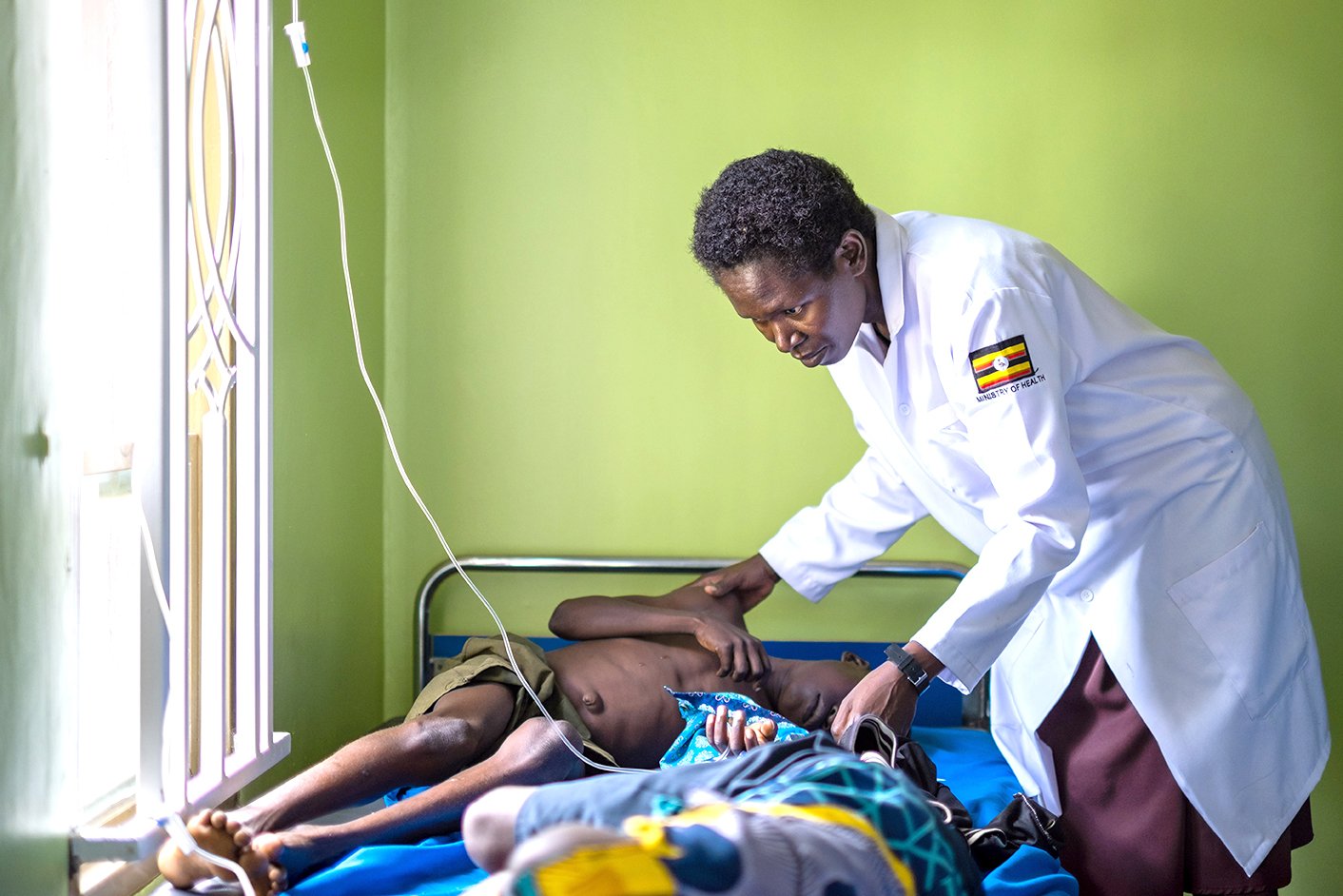
The research team at the Center for Integration Science in Global Health Equity has focused many of its most recent studies on the diverse aspects of PEN-Plus implementation and impact in sub-Saharan Africa and South Asia.

Integration Science Can Help Heal Global Health Inequities
Integration science can do more than deliver quality healthcare; it can also deliver global health equity solutions. That’s the central premise of “From Local Innovation to National Scale to Global Impact: Integration Science as an Engine of Change and an Agenda for Action,” the second annual symposium of the Center for Integration Science in Global Health Equity.

Steering Committee Advances Strategies for PEN-Plus Implementation
Members of the NCDI Poverty Network’s Steering Committee convened on 8 November for their ninth meeting. Among the topics covered were country updates, including those of Nepal.
Integration Science Study on the Delivery Status of High-Priority Clinical Services Launched
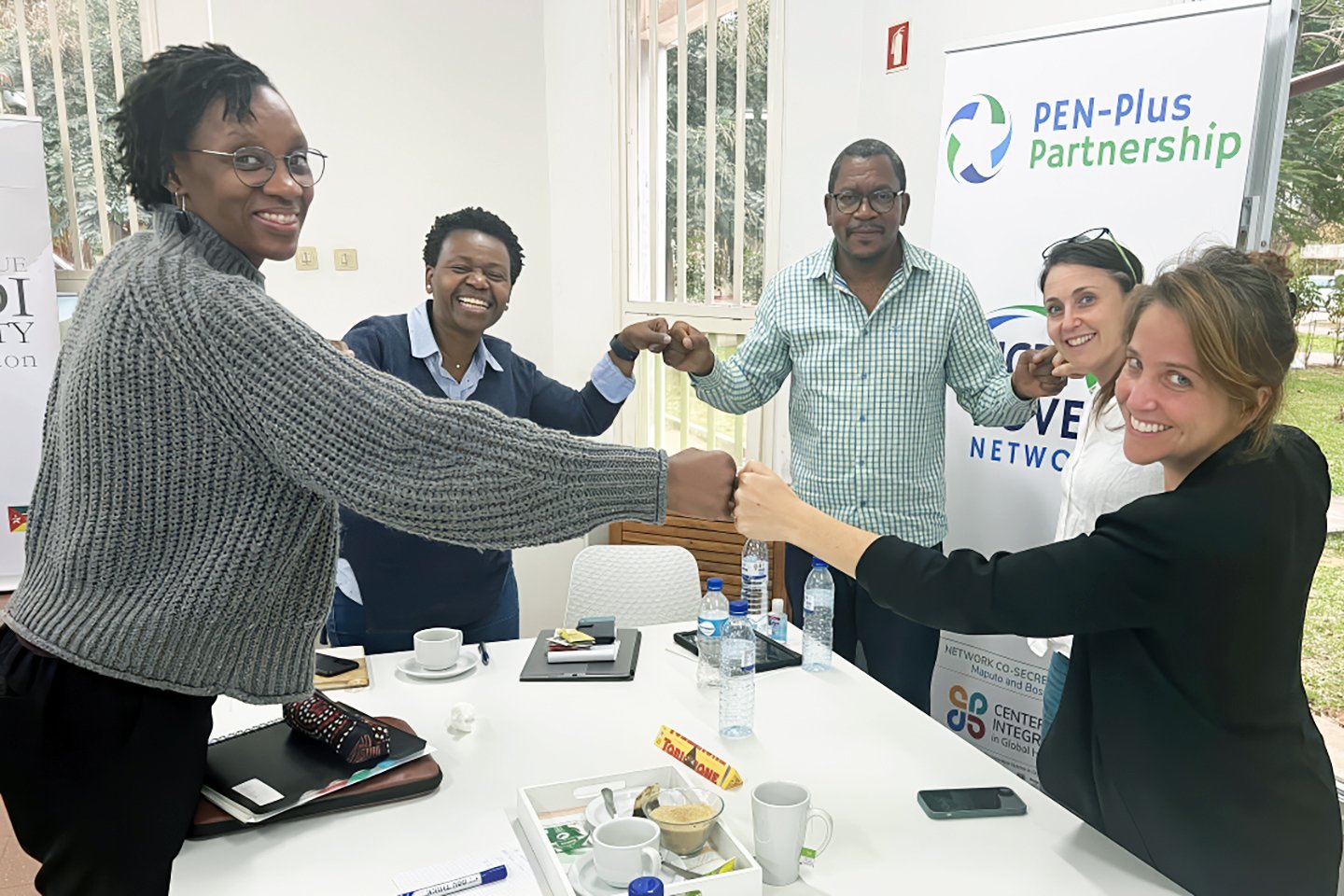
In August, the NCDI Poverty Network’s Maputo Co-Secretariat launched an integration science study designed to generate information on the delivery status of high-priority clinical services for people with noncommunicable diseases at 20 facilities in Mozambique, Cameroon, and Nigeria.

Center for Integration Science in Global Health Equity Celebrates Inaugural Symposium
The Center for Integration Science in Global Health Equity (CIS) hosted its inaugural symposium on Thursday, 10 November 2022 at the Joseph B. Martin Conference Center at Harvard Medical School (HMS).
Research to Measure Demand for PEN-Plus in Africa Finds Ministries of Health Are Determined to Expand Access to Care for Severe NCDs
A study co-authored by researchers from the NCDI Poverty Network and the World Health Organization’s Regional Office for Africa (WHO AFRO) has found that health ministries in Africa have ambitious plans to address gaps in availability of services for severe NCDs by introducing and decentralizing care for insulin-dependent diabetes, heart failure, sickle cell disease, and chronic pain control over the next five years.