Research
The NCDI Poverty Network informs the design, implementation, evaluation, and scale-up of integrated care delivery models like PEN-Plus through research.
The Network’s research team works with partners and collaborators in lower-income countries and in regional and global institutions in applying integration science to inform the design, implementation, evaluation, and scale-up of models for decentralizing services progressively and integrating those services to optimize both health system resources and patient outcomes and well-being.
As part of this work, a special emphasis is placed on research, monitoring and evaluation of PEN-Plus activities. The research team also works with implementing partners to develop the logic model, theory of change, process and outcomes indicators, and systems for monitoring and evaluation of PEN-Plus and other integrated service delivery models.
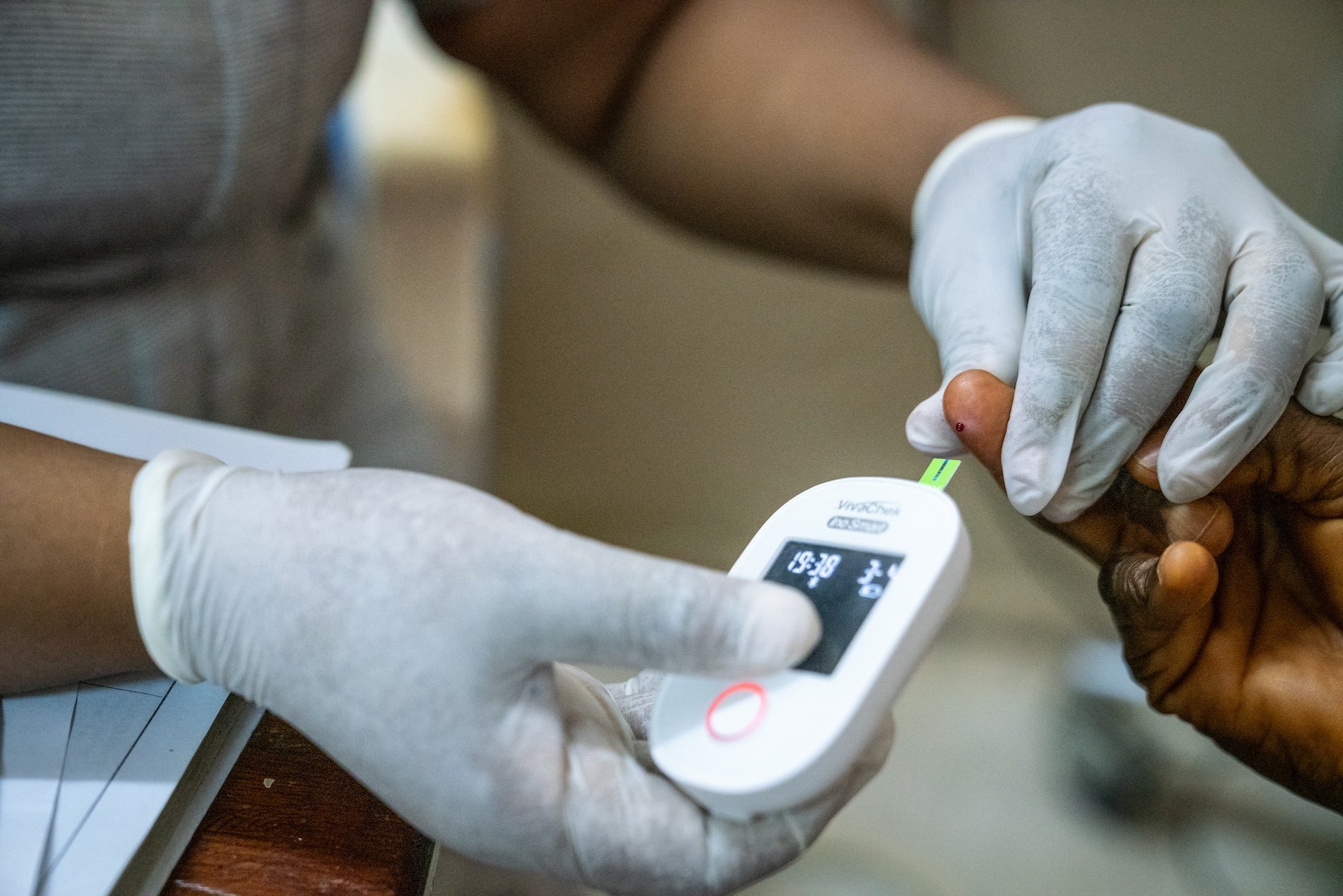
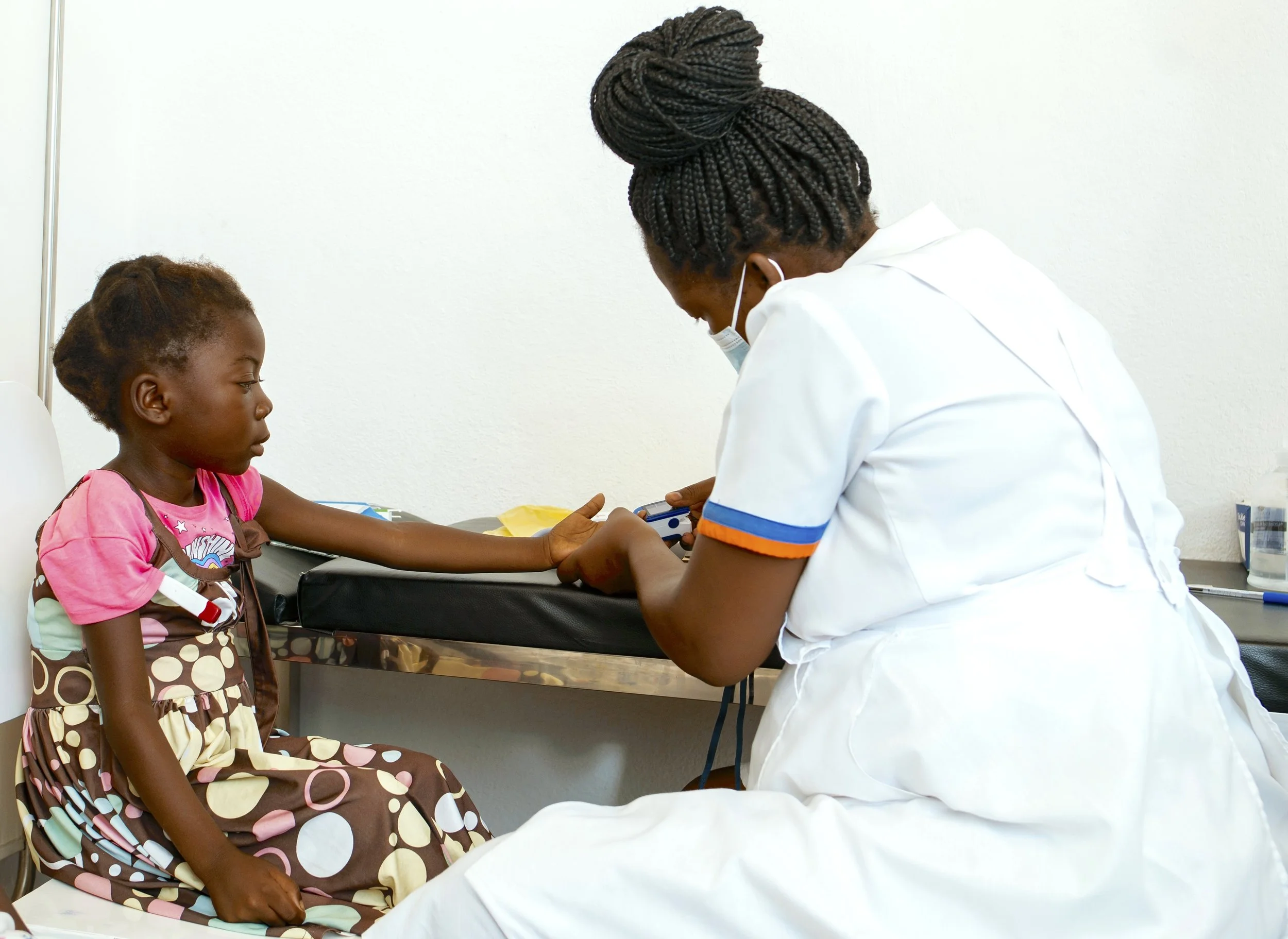
The multidisciplinary research team includes clinical and public health researchers with expertise in disease progression, epidemiology, systematic reviews, health economics and health systems. Our work leverages both quantitative and qualitative tools to better understand the potential and realized impact associated with delivering best possible care for type 1 diabetes, operationalizing PEN-Plus, as well as the implementation challenges faced by diverse teams. Lessons learned from the development of this model are also being applied to an ever-growing number of clinical areas, with teams now poised to assess opportunities to strengthen existing pathways across a number of health systems.
Research by Network staff and collaborating partners supports national commissions, ministries of health, and implementing partners in lower-income with conducting the analysis and developing the evidence base to work through the NCDI Poverty Network’s four-phase theory of change:
Situation analysis and priority-setting
The research team has worked to document the current and anticipated prioritization of severe, chronic NCDs, particularly across the WHO Africa region. A detailed review of national NCD strategic plans from across sub-Saharan Africa documented a complex burden of disease, including simple and severe illness driven by a diverse array of risk factors. The policy response stood in stark contrast to this reality, frequently focusing on primary care targeting a small number of conditions.
In a separate survey of NCD technical leads across the region, we document that health ministries in Africa have ambitious plans to address gaps in availability of services for severe NCDs at lower levels of the health system by introducing and decentralizing care – particularly for conditions targeted by PEN-Plus. Additional work has focused on documenting the Commission process and resulting priorities.
Delivery model design
Work on delivery model design focuses on the clinical space, documenting the diversity of existing care models for individual conditions, assessing the readiness to provide priority care, and better understanding the current of clinical services across a range of settings. For individual interventions, this work focuses on understanding the nuances of care delivery – who delivers care, using what resources, and at what cost. In combination, this work forms the bedrock for work to design new, integrated delivery models aiming for universal health coverage. With the use of modeling, we seek to quantify the potential impact of these recommendations.
Implementation, evaluation, and impact assessment
Much of our work is focused on understanding best quality of care based on both clinical indicators and patient experience. This falls into three categories: determining best practices for T1D care in rural low-resource settings; implementation science; and understanding implementation effectiveness and outcomes.
Examples of studies in best practice involve testing how programs that have been shown to be effective in high-income countries, such as diabetes self-management education and continuous glucose monitoring, can be modified for use in low-income settings. Implementation science research involves understanding barriers and facilitators to successful implementation. This includes evaluating the effectiveness and cost-effectiveness of PEN-Plus, and qualitative research around acceptability and appropriateness of services. Examples of studies around effectiveness include disease-specific cohort studies from three rural districts in Rwanda, studies of the etiology of heart failure and outcomes of heart failure over a 10-year period, outcomes for people with rheumatic heart disease after cardiac surgery, and the effectiveness of the training model in Malawi.
Expansion and national scale-up of PEN-Plus
As we continue to expand PEN-Plus to an increasing number of countries and settings, it is important to understand the unique implementation challenges associated with initiating the model in new countries and scaling it up nationally in countries where it has been implemented successfully. This includes research around national scale-up in Rwanda and ongoing work in evaluating PEN-Plus expansion to ten countries.
Research Updates

As global health funding continues to evolve, more than 50 experts from dozens of countries are preparing for publication a new four-paper series that will offer integration science as a tool for unlocking significant gains in health equity worldwide. These collaborators represent a range of organizations and include academics, ministry officials, and people with lived experience from across sub-Saharan Africa and South Asia.
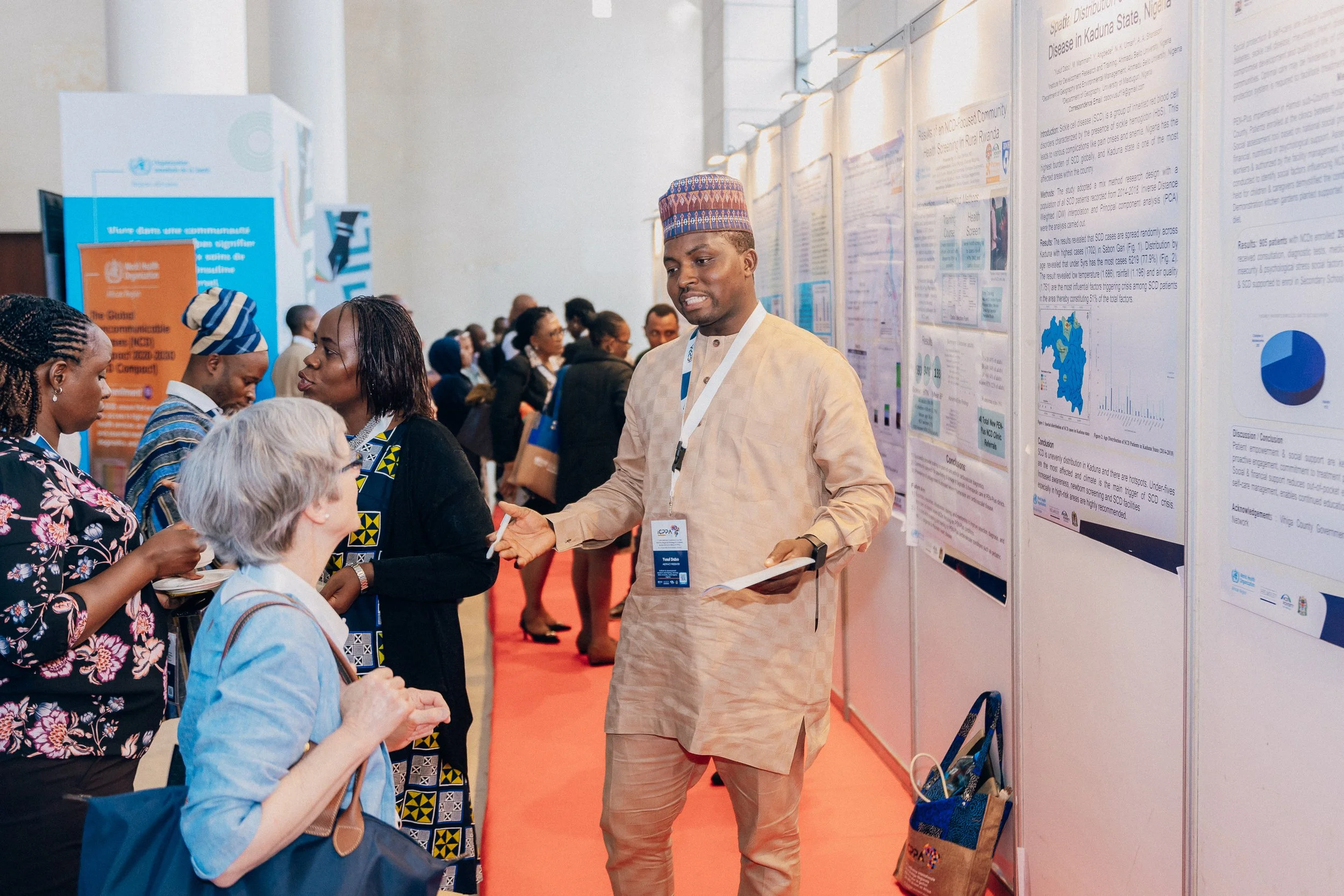
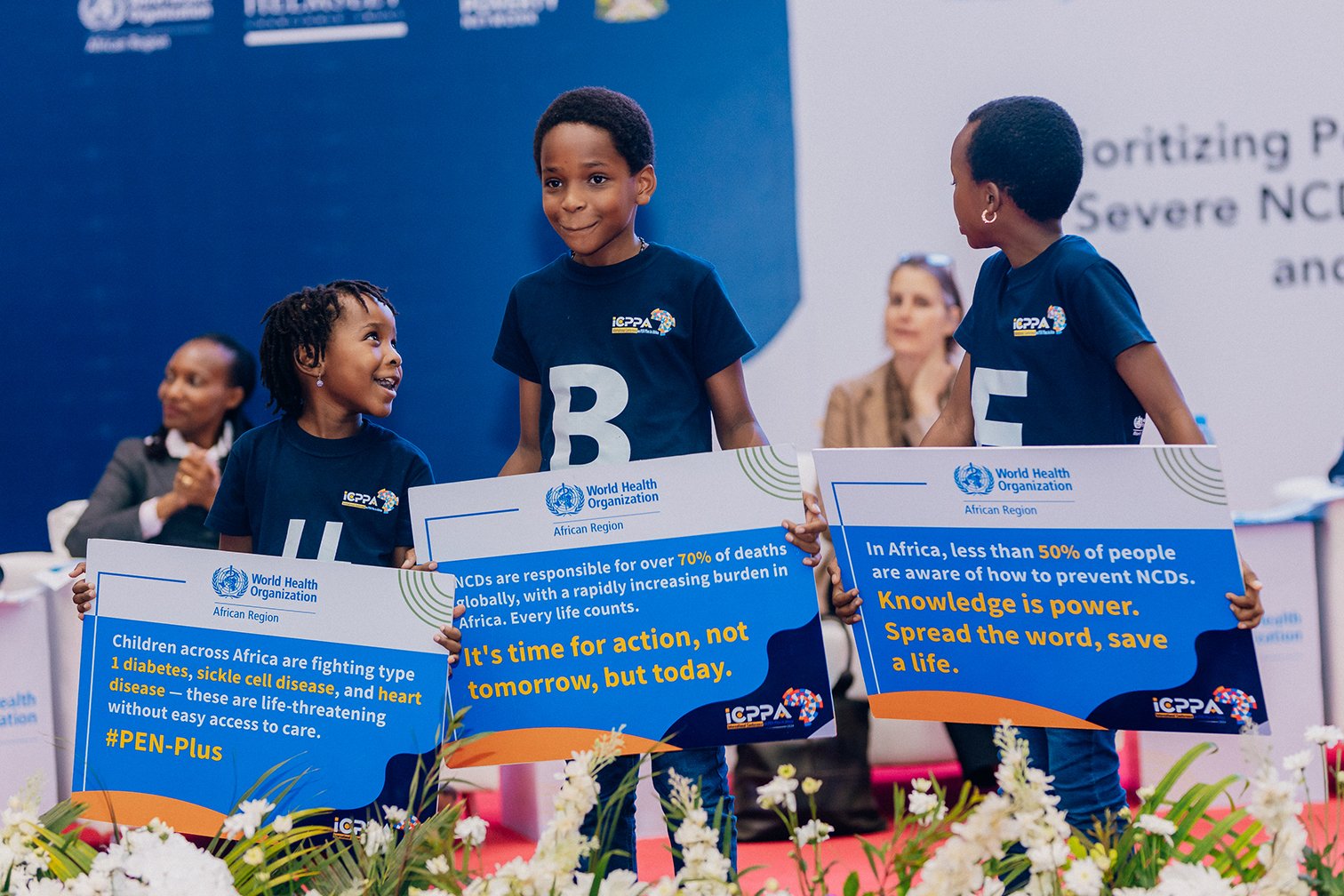
Preparations are in full swing for the Third International Conference on PEN-Plus in Africa, slated for June 23–25 in Dar es Salaam, Tanzania. The conference will celebrate the accelerating momentum of the PEN-Plus movement and highlight the latest research, for which the World Health Organization Regional Office for Africa has issued a call for abstracts.
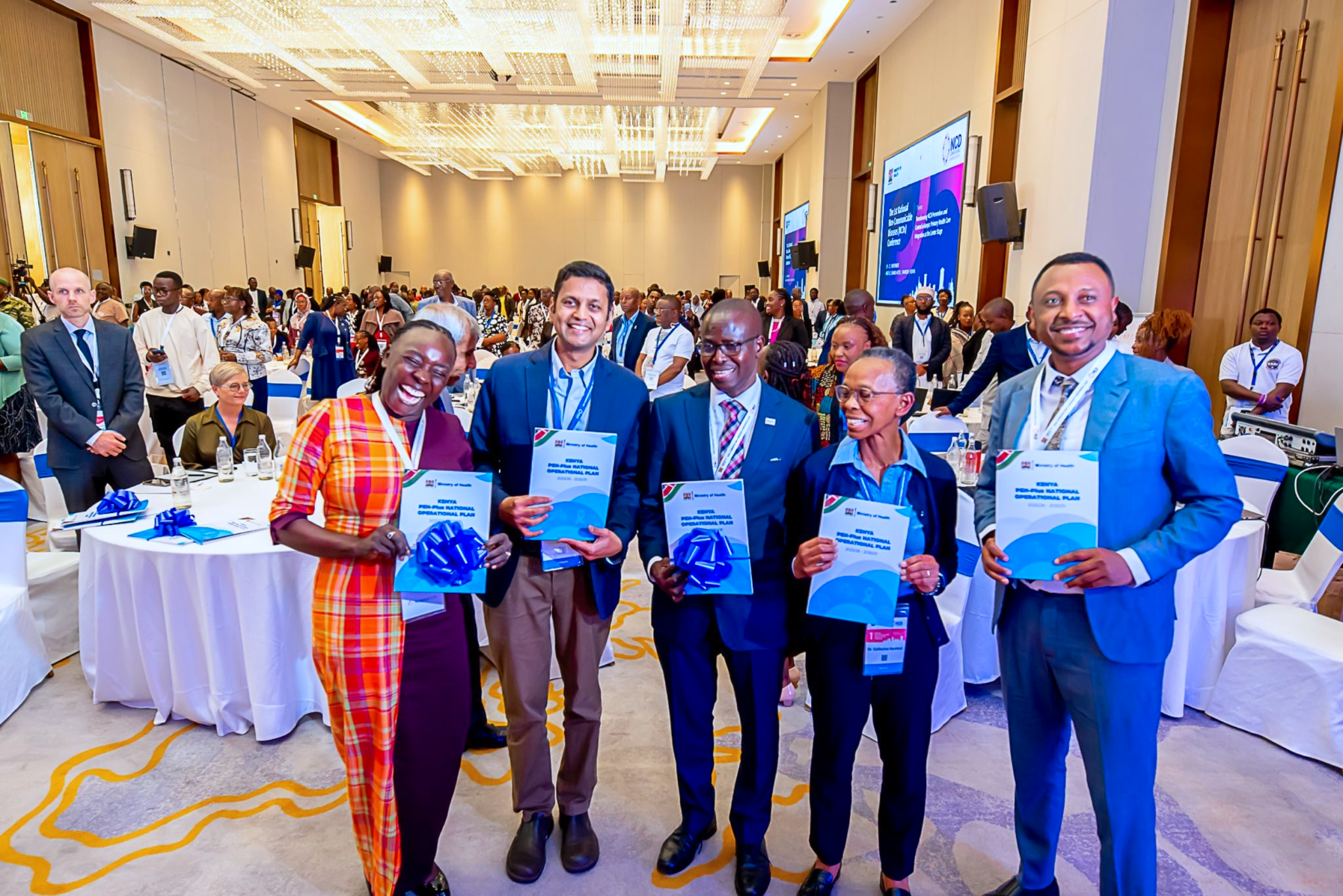
Several countries that have already implemented PEN-Plus are now launching national operational plans to detail how they will use the model to expand, integrate, and decentralize care for people living with noncommunicable diseases. A leader in Kenya’s Ministry of Health recently revealed critical steps in ensuring that country’s plan would be a success.
With peer support having proved to be a key component of PEN-Plus care, the NCDI Poverty Network is developing an integrated training program for peer educators. “We’ve seen beautiful examples of young people who are unafraid to speak boldly about their condition, to be advocates, to be champions,” said Dr. Colin Pfaff, the Network’s associate director of programs. “They are living successful lives and are examples to others, which has such a powerful impact.”
A recently published study found that patient education and peer support helped people living with type 1 diabetes in rural Liberia manage their disease. “Their extra barriers to health,” said Dr. Alma Adler, the Network’s research director, “make it even more critical for patients in low-resource settings to gain both problem-solving skills and a strong clinical understanding of their condition.”
A new initiative to strengthen global collaboration and research on noncommunicable disease care in low- and middle-income countries marks “an important milestone for scientific cooperation between Europe and Africa.”
The NCDI Poverty Network’s co-secretariat in Maputo, Mozambique, and the Southern Africa Regional Hub recently hosted a study tour to enable representatives from the Ministries of Health of Angola, Eswatini, and Lesotho to learn about PEN-Plus implementation.
Dr. Ana Mocumbi, co-chair of the NCDI Poverty Network, represented PEN-Plus at a high-level side event during the recent 75th session of the WHO Regional Committee for Africa. There delegates emphasized the urgent need for equitable access to prevention, screening, treatment, and rehabilitation across the continuum of care for people living with severe noncommunicable diseases.
At the second International Conference for PEN-Plus in Africa, recently held in Abuja, health leaders, policymakers, and development partners across Africa renewed their commitment to an accelerated implementation of the PEN-Plus to significantly expand access to care for people living with severe noncommunicable diseases.
The second International Conference on PEN-Plus in Africa positioned Nigeria as a leading advocate for PEN-Plus across the African continent, media coverage of the July conference showed.
The NCDI Poverty Network’s second study in a trio assessing 16 health facilities across nine countries in 2022–23, before PEN-Plus implementation, focuses on how providers deliver care, from screening and diagnosis through treatment and long-term support.
A newly published study found that only two of 16 health facilities assessed in nine lower-income countries had all the functional equipment needed to diagnose and manage care for people living with type 1 diabetes. Two of the facilities had none of the necessary equipment.
The WHO Regional Office for Africa recently published a landmark report that details the impact and momentum of the PEN-Plus model, providing a valuable tool for advocacy and information about integrated care for people living with severe, chronic noncommunicable diseases.
An international partnership that includes the NCDI Poverty Network and its Mozambique co-secretariat, housed at Universidade Eduardo Mondlane in Maputo, received a 4-million-euro award from the European Commission to assess and support the implementation of PEN-Plus in Mozambique.
The research team at the Center for Integration Science in Global Health Equity has focused many of its most recent studies on the diverse aspects of PEN-Plus implementation and impact in sub-Saharan Africa and South Asia.
The NCDI Poverty Network—through one of its co-secretariats, the Center for Integration Science in Global Health Equity at Brigham and Women’s Hospital—has joined UNICEF in publishing a report on the burden on noncommunicable diseases on children, adolescents, and young adults in South Asia.
In early June, delegations from all eight countries in UNICEF ROSA—the Regional Office for South Asia—convened in Kathmandu for a three-day workshop on severe childhood-onset noncommunicable diseases.
A recently published study of people living with type 1 diabetes in two rural clinics in Malawi found a high level of acceptability and satisfaction among those using continuous glucose monitoring, suggesting that the technology is feasible in low-income settings.
The first International Conference on PEN-Plus in Africa provided a platform for health experts, policymakers, civil society organization representatives, donors, people living with noncommunicable diseases, and community advocates to expedite political and financial backing for PEN-Plus.
In advance of the International Conference on PEN-Plus in Africa, the NCDI Poverty Network team compiled research resources on PEN-Plus and other integrated-science healthcare delivery models.
“PEN-Plus” was coined only five years ago, but already the integrated care-delivery model is receiving a spotlight on the global stage, with the launch of the first annual International Conference on PEN-Plus in Africa. The invitational conference will take place in Dar es Salaam, Tanzania, in April.
Integration science can do more than deliver quality healthcare; it can also deliver global health equity solutions. That’s the central premise of “From Local Innovation to National Scale to Global Impact: Integration Science as an Engine of Change and an Agenda for Action,” the second annual symposium of the Center for Integration Science in Global Health Equity.
“People living with chronic conditions have historically not been considered important decision-makers from a policy perspective,” said Dr. Apoorva Gomber, coauthor of an opinion piece recently published in PLOS Global Public Health.
The Center for Integration Science in Global Health Equity has been named a WHO Collaborating Centre in recognition of its work in designing integrated care delivery systems for people living with severe noncommunicable diseases in extreme poverty.
Access to care for back pain, food insecurity, and abnormal vaginal bleeding. Overcoming the barriers to care posed by the high costs of transportation to clinic and missing work. Care delivered in a way that respects both dignity and privacy. Those were some of the top healthcare priorities that women in rural Rwanda identified in an International Journal of Gynecology and Obstetrics study.
Type 1 diabetes, sickle cell disease, and rheumatic and congenital heart disease. In the United States, if people with any of these diseases walk through a hospital’s doors, they can get treated. Their treatment is typically swift and, by and large, effective. Yet, in low-income nations, these conditions can be a death sentence. Dr. Gene Bukhman, a cardiologist and medical anthropologist at Brigham and Women’s Hospital and the executive director of the Center for Integration Science, has long advocated for a new “science of integration” to advance global health equity.
The stepped-wedge cluster randomized controlled trial evaluated expanding an existing HIV and tuberculosis community health worker program to include NCDs, malnutrition, and tuberculosis screening, as well as family planning and antenatal care.