Type 1 Diabetes Study in Liberia Shows Value of Patient Education and Peer Support
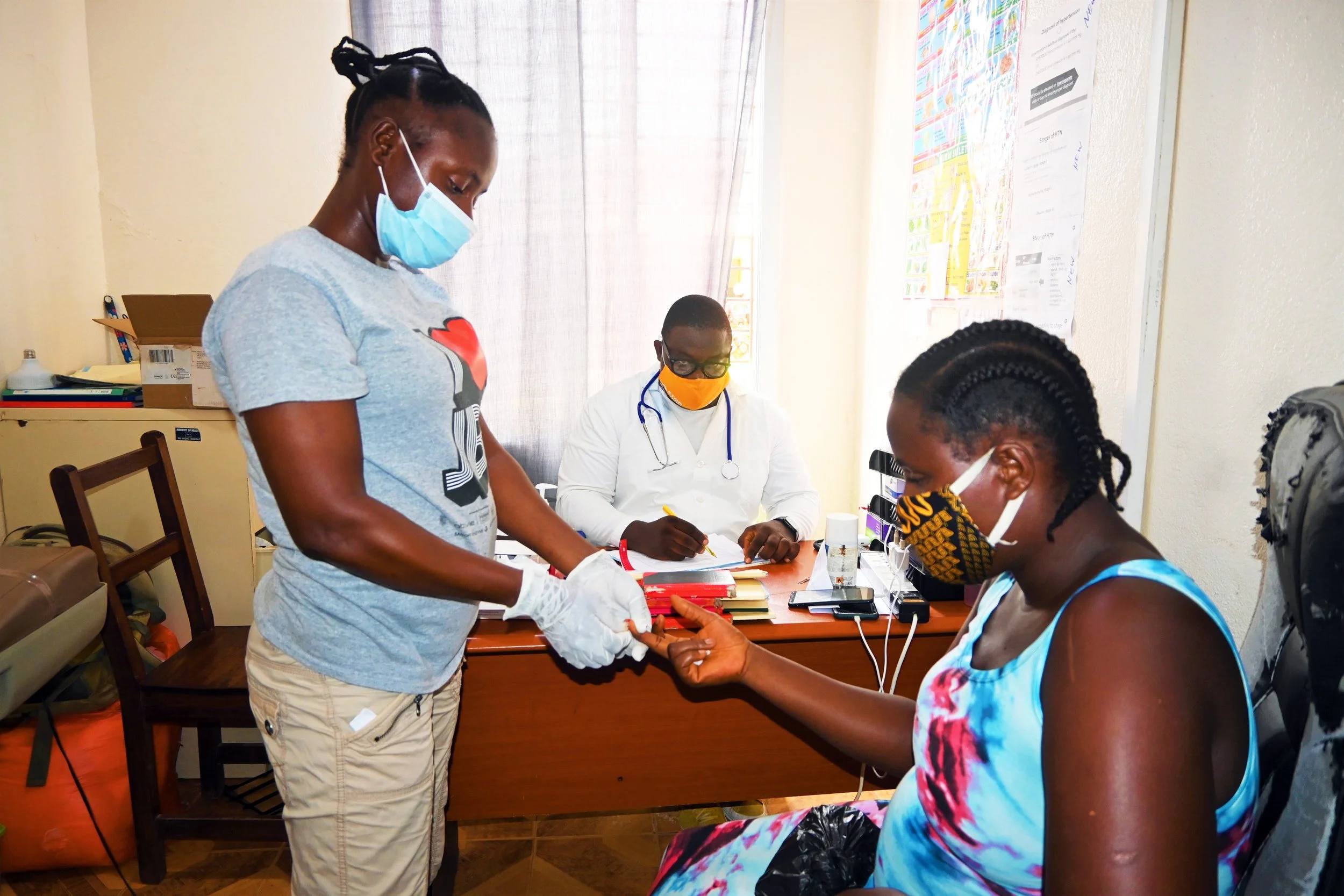
Community health worker (CHW) Tina Thomas checks a patient’s blood sugar at J.J. Dossen Memorial Hospital in Harper, Liberia, in November 2021, when a study about diabetes education was underway. Thomas herself was diagnosed with type 1 diabetes in 2017 and received care at J. J. Dossen. She was in critical condition when first admitted, recovered, and now is affectionately known as "Patient No. 1” at the hospital’s NCD clinic. As a CHW, Thomas provides diabetes education at the clinic and in local communities. (Photo: © Jason Amoo / Partners In Health)
A recently published study has found positive impacts from health education, patient-centered care, and peer support for people living with type 1 diabetes in a rural, low-resource setting.
The study, which took place in southeastern Liberia, appeared in PLOS Global Public Health in December 2025.
Dr. Alma Adler, research director for the NCDI Poverty Network and the Center for Integration Science in Global Health Equity at Brigham and Women’s Hospital, said that when she and fellow coauthors conceived the study, the only research studies they found on education for patients with type 1 diabetes were set in high-income countries.
“To date, no studies have focused on education for people living with insulin-dependent diabetes in low and lower-middle-income countries,” Dr. Adler said. “That’s not surprising, given how little research there is generally on type 1 diabetes in low-resource settings.”
Self-management education teaches people living with type 1 diabetes and other conditions to manage their disease, their symptoms, and their health.
The ability for patients to manage their own condition is essential especially in settings like rural Liberia, Dr. Adler said. Barriers to health in such low-resource settings can include scarcity and high cost of medications and appropriate food, the need to travel long distances for care, and a community’s lack of understanding about some conditions, which can lead to stigmatization.
“Their extra barriers to health make it even more critical for patients in low-resource settings to gain both problem-solving skills and a strong clinical understanding of their condition,” Dr. Adler said.
To assess whether implementing self-management education was effective in rural Liberia, the team monitored patients for more than a year at PEN-Plus clinics in two facilities: J.J. Dossen Memorial Hospital in Harper, and the affiliated, smaller Pleebo Health Center. The team established a Patient Advisory Board in the summer of 2021 to meet monthly with providers and provide feedback; the Patient Advisory Board in turn spurred the development of a peer support group. A total of 26 patients participated in the study, with an average age of 34.
PEN-Plus is a model of integrated care that trains and equips providers to bring specialized care closer to home for people living with severe, chronic NCDs such as type 1 diabetes, sickle cell disease, and childhood heart disease in rural settings.
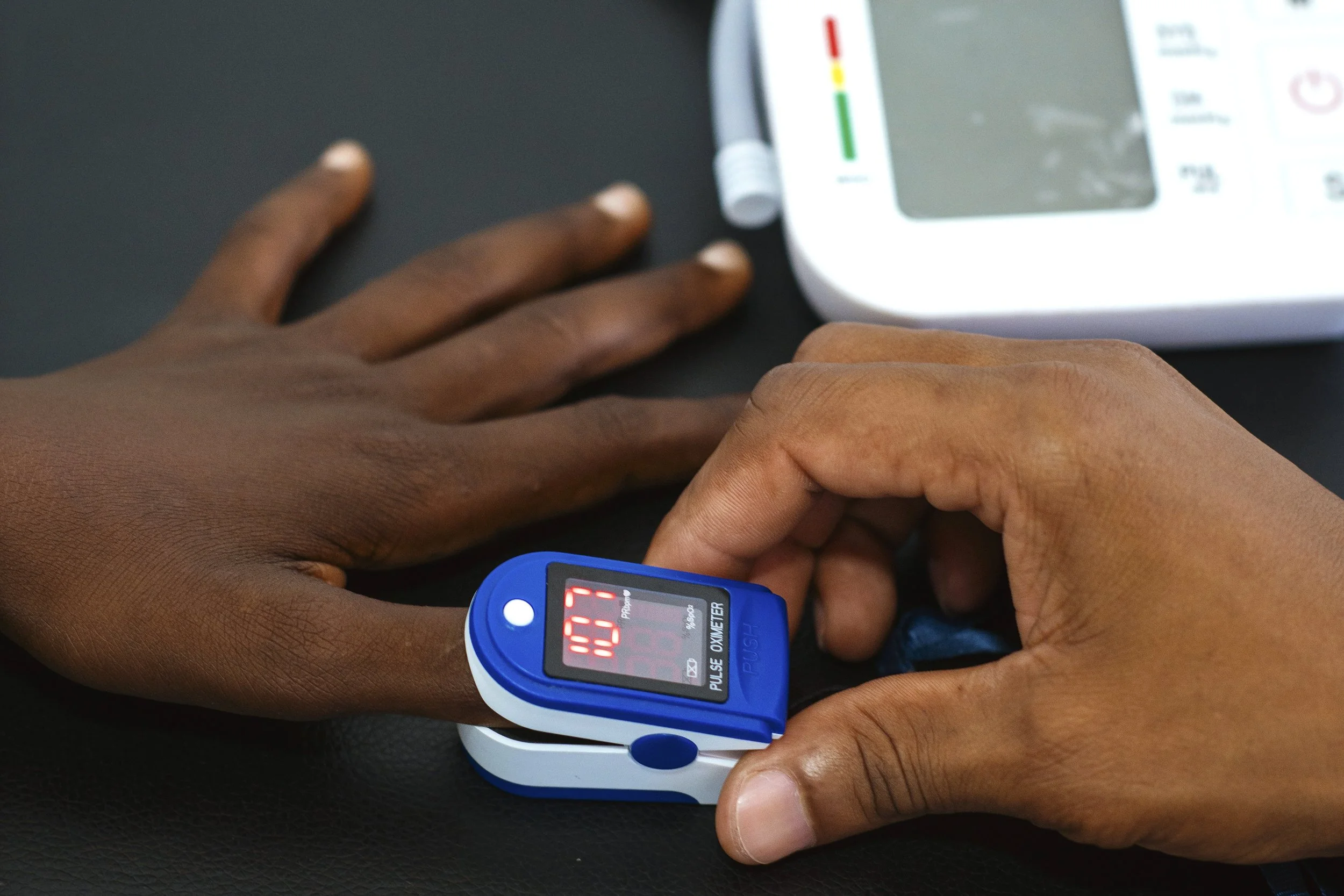
Self-management education for patients is a critical complement to the care they receive with care providers in PEN-Plus clinics. (Photo: © Ivan Simone Congolo/World Health Organization)
Gina Ferrari, type 1 diabetes integration advisor for the Center for Integration Science, said the study and its model of education were designed to work with patients as partners, rather than from the top down.
“We focused in this study on a cultural shift, to a patient-centered model,” said Ferrari, who also is a nurse practitioner. “People with type 1 diabetes constantly need to make medical decisions about their care, and they make dosing decisions every day. Patients are the true experts in their condition.”
During the study, which endured delays and logistical hurdles from COVID-19, nurses specializing in diabetes care trained local providers in behavioral and educational aspects of diabetes management. The training curriculum was adapted from a diabetes course for nurse practitioners at the University of California in San Francisco.
Study results were promising. Dr. Adler said participants cited more frequent engagement in self-management behaviors, such as timing their meals with insulin doses to help with blood sugar levels. Patients checked their sugar levels more frequently and showed reduced HBA1C levels.
Importantly, in both qualitative interviews and quantitative assessments, patients demonstrated an increased knowledge of self-management techniques and behaviors that could continue well beyond the study.
The patients’ support for each other has lasted, as well. The Patient Advisory Board members continue to lead peer support meetings during regularly scheduled clinic visits. They also regularly attend home visits with providers.
Dr. Adler said implementing diabetes self-management education at the two facilities involved many visits, a great deal of training and time, and regular check-ins during the study’s progress over more than a year.
“It was very labor-intensive,” Dr. Adler said. “We’re trying to figure out what key parts can be scaled up, to implement self-management education in more locations.”
Ferrari said some of that scale-up has begun: the Center for Integration Science supported a similar training program in Zimbabwe in May 2025, and in late January 2026, she traveled to Kenya to help incorporate self-management education for type 1 diabetes into a master training session for care providers.
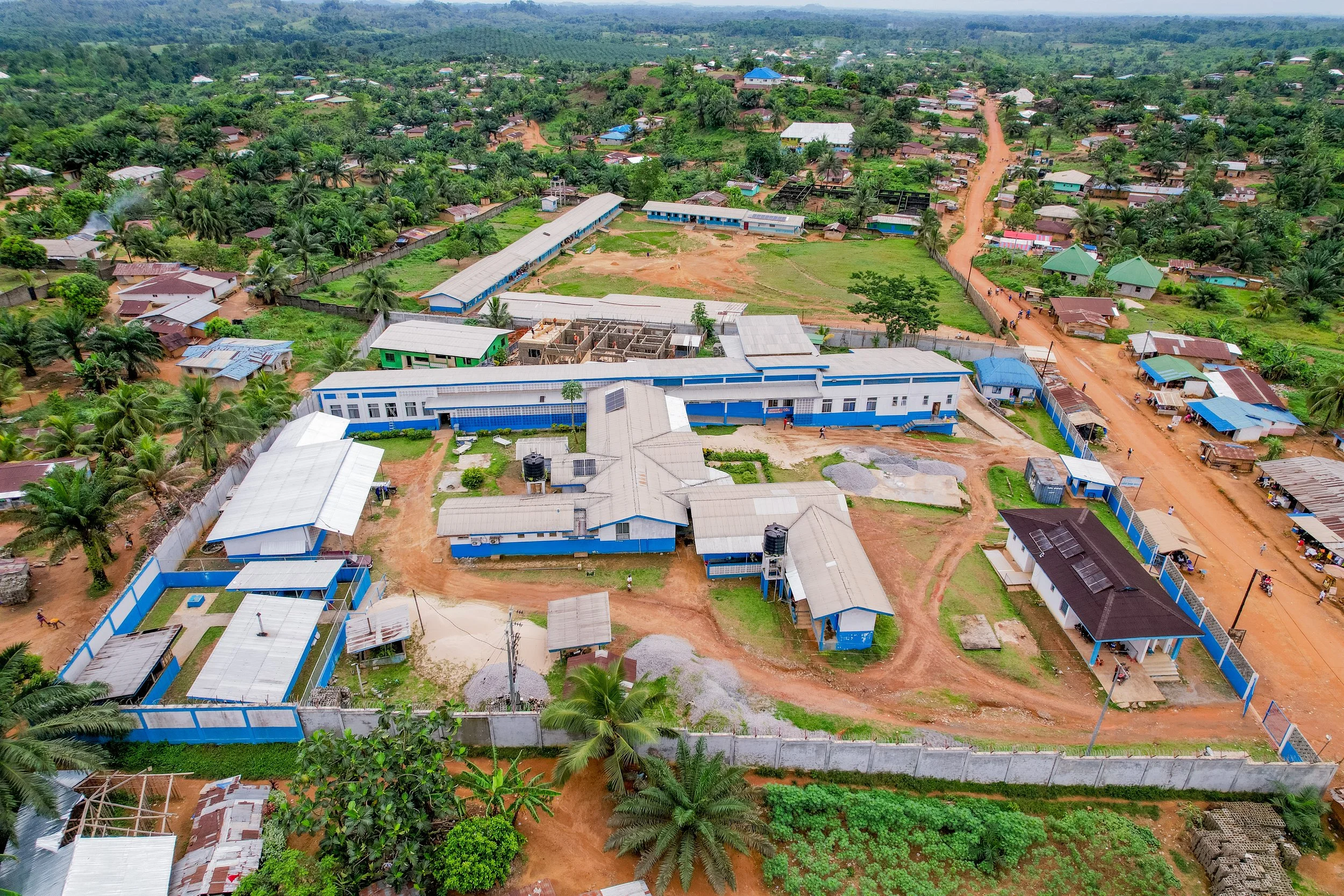
Pleebo Health Center in rural Maryland County, Liberia, participated in a groundbreaking study on self-management education for people living with type 1 diabetes. The health center is shown in May 2025, when construction of a new call-room was underway to improve accommodations and services for health center staff. (Photo: © Ansumana O. Sesay / Partners In Health)
Sadly, one of the study’s lead coauthors passed away during the research. Cyrus Randolph, the NCD clinical coordinator for Partners In Health in Liberia, had been viewed as a mentor to providers at both facilities.
“Cyrus was an inspiration to the team and went above and beyond as a mentor to me,” said Joe Davies, NCD nurse coordinator for PIH Liberia. “He was more than a brother and a friend. He was a strong clinician, and his work was instrumental in the first qualitative research on diabetes in Liberia and the self-management education study. His strong relationships with patients shined in his work with the Patient Advisory Board.”
Ferrari said Randolph, Davies, and the entire PIH Liberia team were invaluable partners in the study. Rudolph’s legacy will live on in its lasting impacts.
“This concept of how we talk to patients and this structured way of providing education and support to patients with diabetes, sometimes gets lost or doesn’t get enough support in low-resource settings,” Ferrari said. “This study showed that self-management education for patients with type 1 diabetes is culturally appropriate and accepted, feasible, and important.”
The study, “Prospective cohort study evaluating feasibility, acceptability, and clinical impact of diabetes self-management education in a PEN-Plus program in southeastern Liberia,” was published Dec. 15, 2025, in PLOS Global Public Health.