The NCDI Poverty Network works with partners internationally to implement PEN-Plus, a proven strategy for providing lifesaving treatment to children, adolescents, and young adults living with severe noncommunicable diseases in settings of extreme poverty.
The PEN-Plus Model
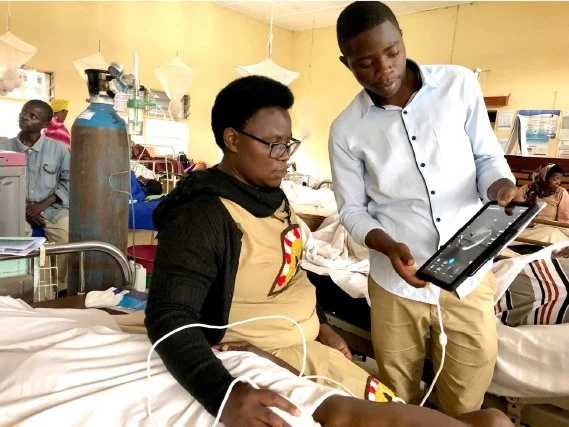
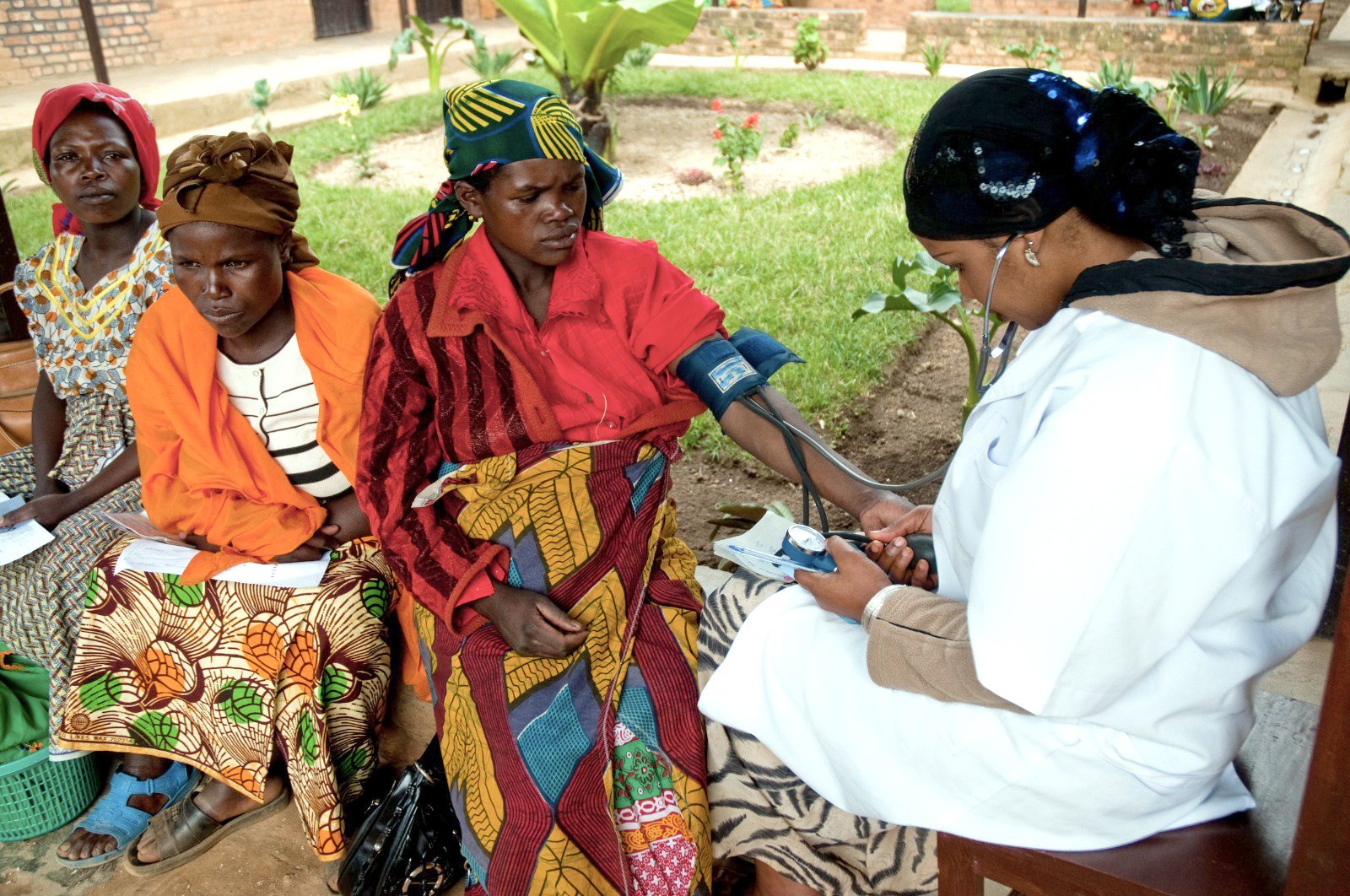
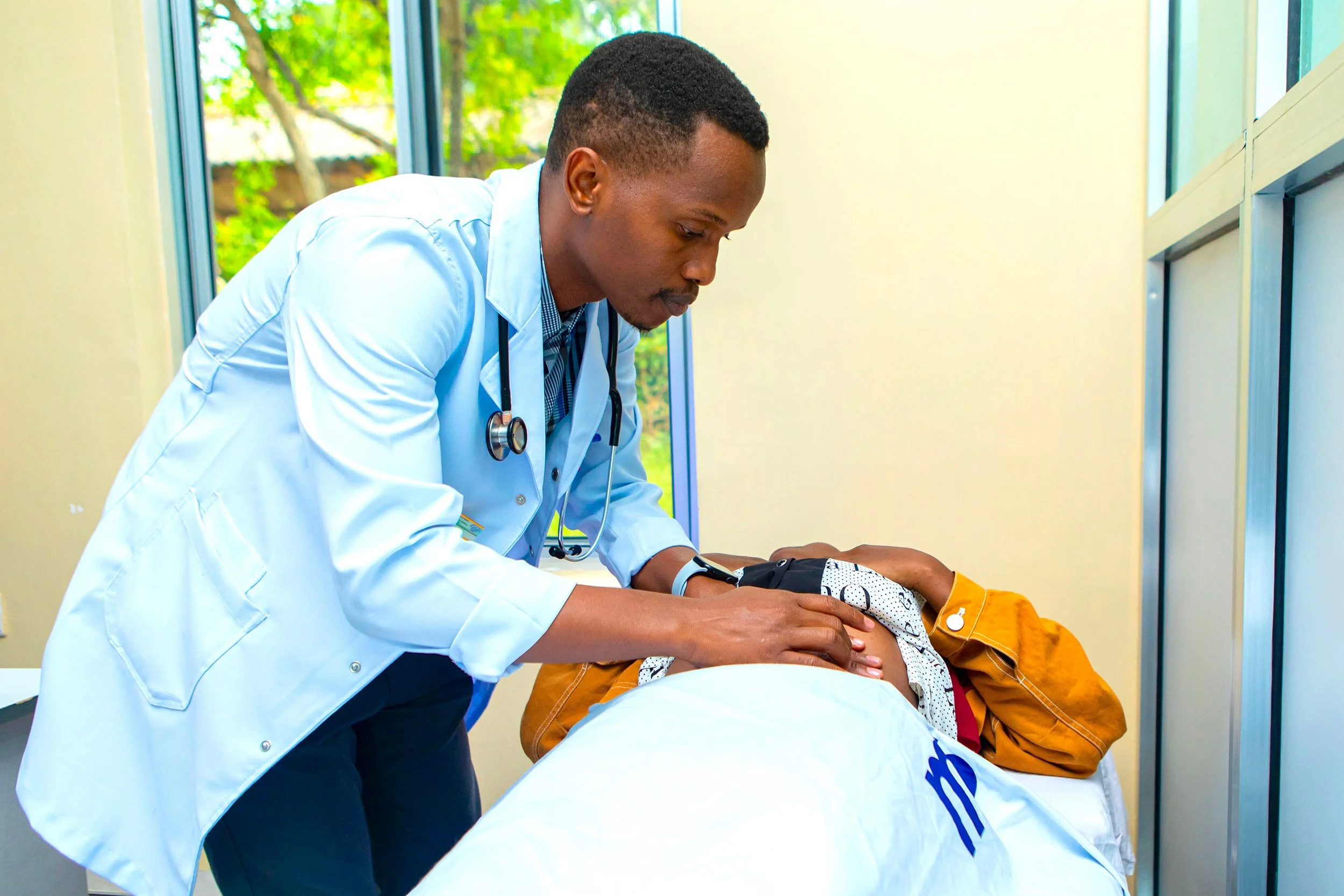
The NCDI Poverty Network partners with low- and lower-middle-income countries to initiate and expand PEN-Plus, an integrated care-delivery model that brings lifesaving treatment closer to home for people living with severe, chronic noncommunicable diseases—such as type 1 diabetes, sickle cell disease, and childhood heart disease—in resource-limited rural areas of sub-Saharan Africa, South Asia, and the Caribbean.

Type 1 Diabetes
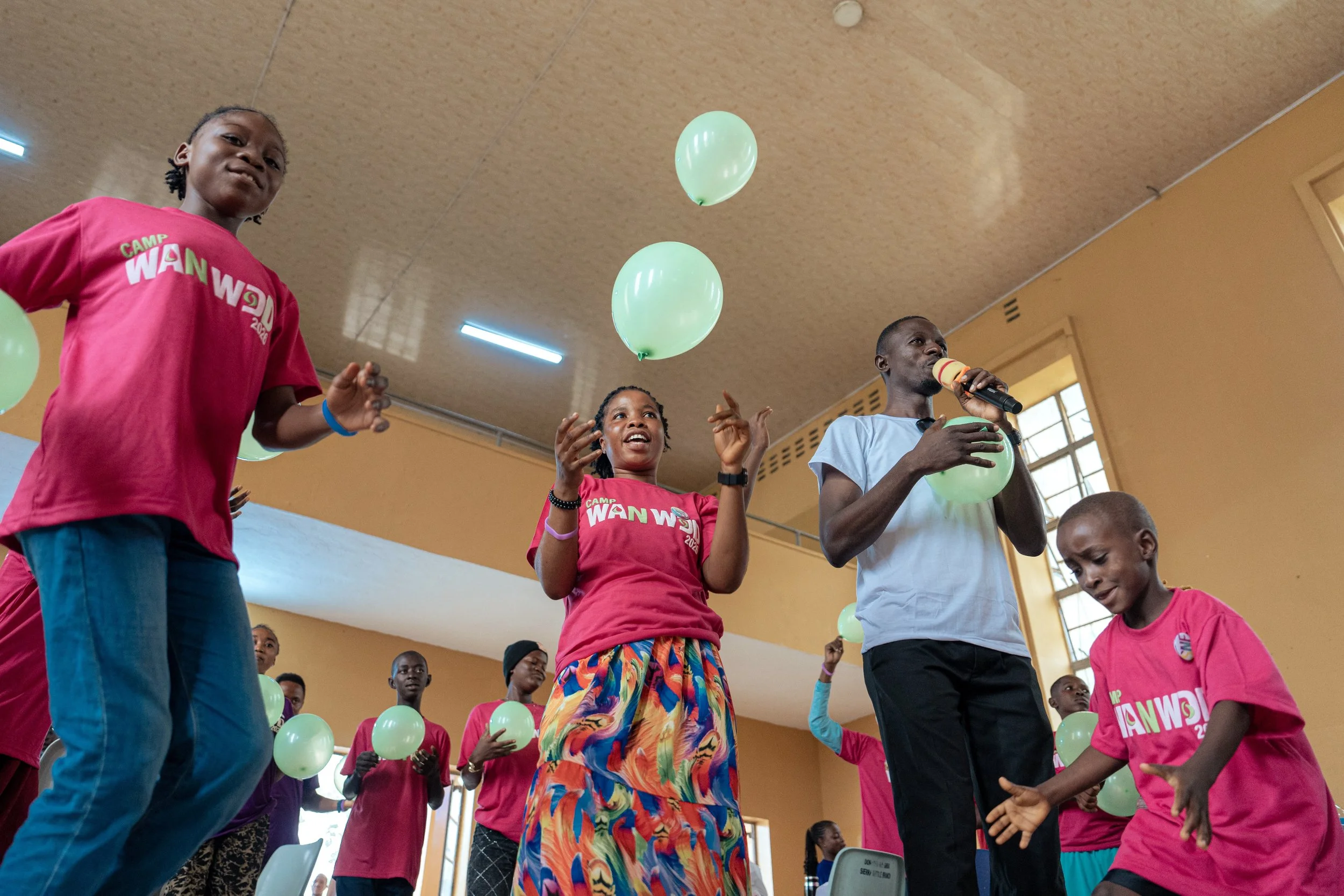
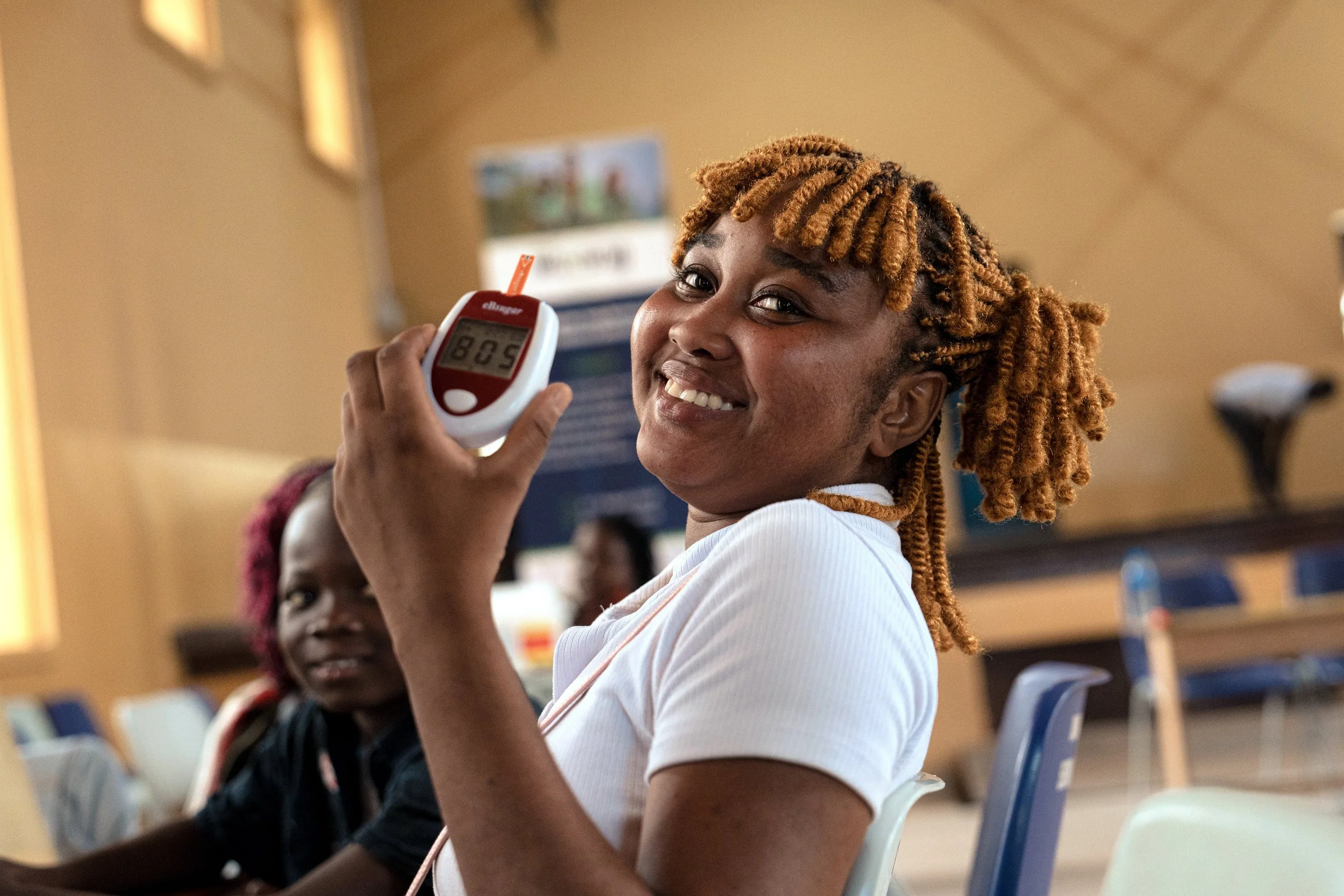
Unlike their counterparts in high-income countries, children with type 1 diabetes in rural areas of sub-Saharan Africa often die within a year of diagnosis. This tragedy is both unjust and avoidable.

Sickle Cell Disease
Each day, in sub-Saharan Africa alone, approximately 1,000 children are born with sickle cell disease. In resource-poor settings, more than half of them will die before they reach their fifth birthday.

Childhood Heart Disease
Without proper treatment, 20 percent of nine-year-olds who survive acute rheumatic fever in low-income countries will die before they turn 15. More than 70 percent will not survive past 25.
PEN-Plus Resources


Our Work

Policy
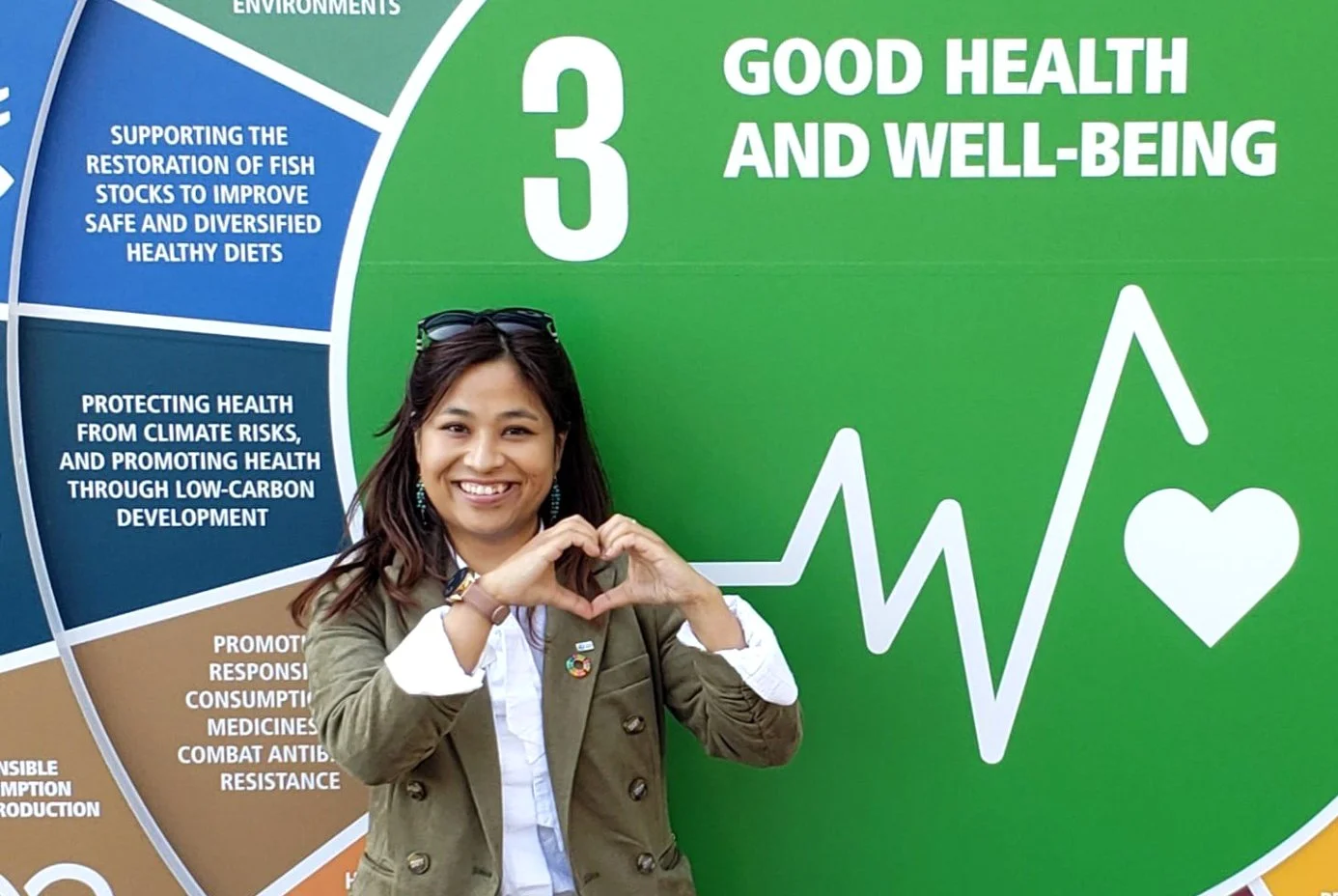
We promote policies based on equity-informed priority setting and best practices in service-delivery design.
Implementation
We provide technical support for the implementation of PEN-Plus in lower-income countries.
Training
We empower nurses, clinical officers, and other mid-level providers with the knowledge and skills they need to deliver specialized care to people living with severe, chronic noncommunicable diseases and to lead PEN-Plus clinics.
Advocacy
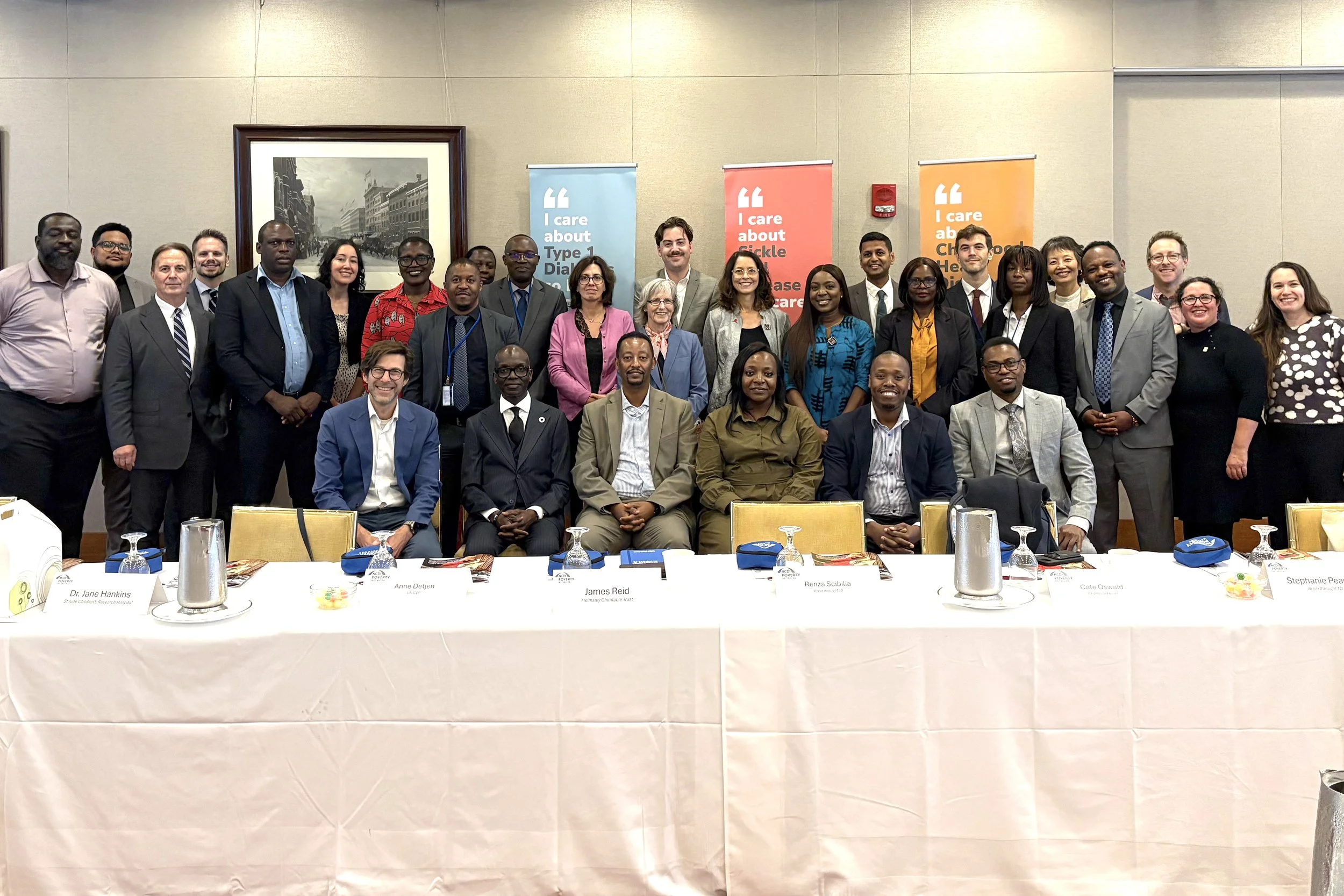
We work with partners around the world to build a solidarity movement across PEN-Plus conditions and to advocate for funding for PEN-Plus internationally.
Research
We inform the design, implementation, evaluation, and scale-up of integration-science solutions—such as PEN-Plus—to healthcare delivery challenges in low-resource settings.
News and Features

Get Involved