News and Stories
Rethinking Global Health: The Third Symposium on Integration Science
What could global health achieve if it stopped organizing itself along traditional lines? On October 27, the Third Symposium on Integration Science will explore the latest advancements in integration science, a growing field that bridges fundamental gaps in traditional, disease-specific approaches to global health by applying expertise and methodologies from a range of disciplines. The Center for Integration Science in Global Health Equity at Brigham and Women’s Hospital will host the symposium in Boston and online.
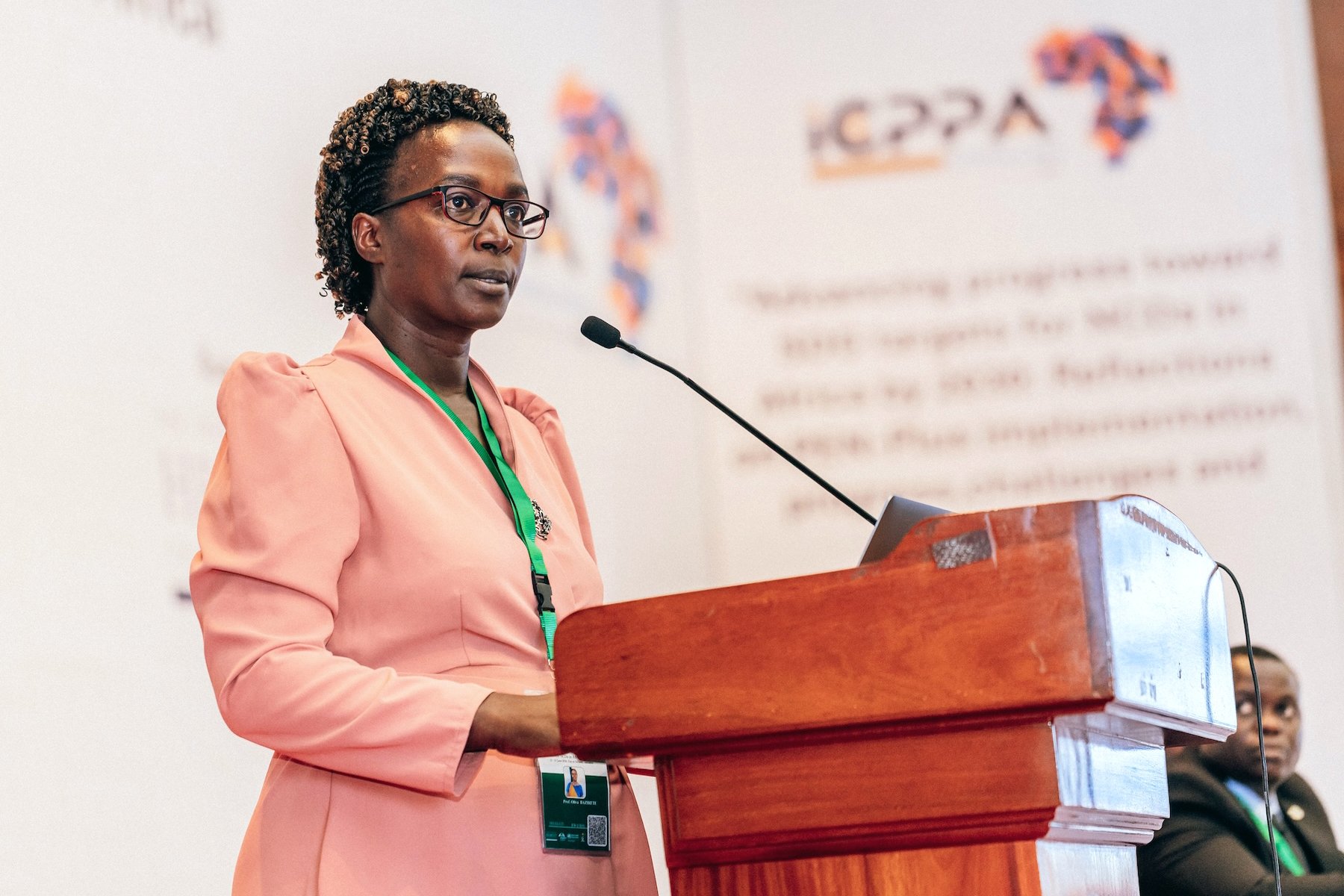
PEN-Plus Spurs Specialized Higher Education Programs
Advanced training for care providers has been a pillar of PEN-Plus from the start. Now two African universities are building that training into higher education: The University of Rwanda is preparing to launch a nursing master’s degree in noncommunicable disease management, while Kampala International University is exploring a program in cardiology training.
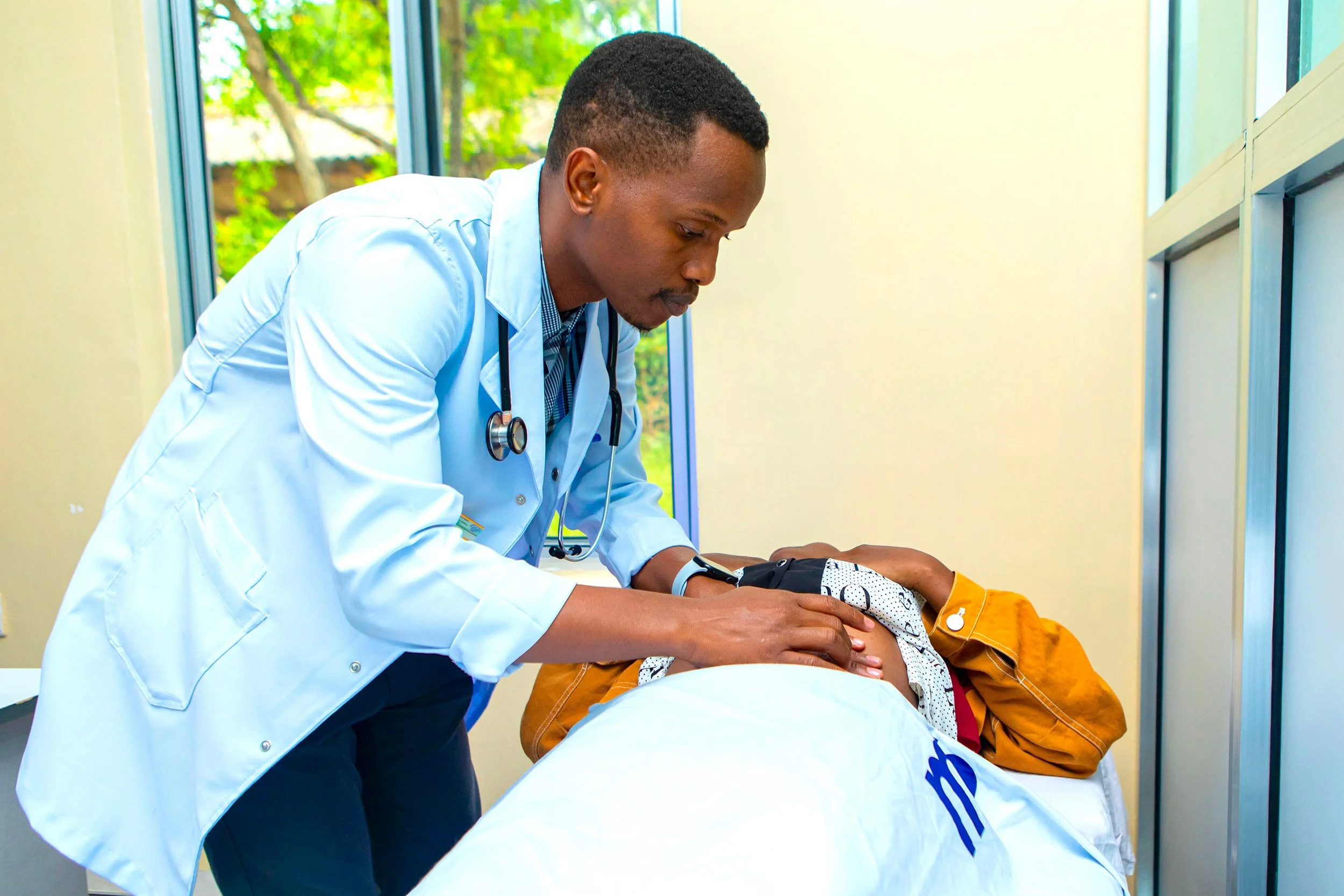
With PEN-Plus Mentoring, a Tanzanian Doctor Helps Patients Reclaim Their Lives
Once a month, specialists travel to Kondoa District Hospital in central Tanzania to see patients alongside Dr. John Reuben. For Dr. Reuben, the hospital’s district coordinator for noncommunicable diseases, those visits have become an essential hands-on education for treating patients with more complex conditions. “There were certain tests I couldn’t perform at my level,” he said. “The specialists have taught me how to treat these patients more effectively.”
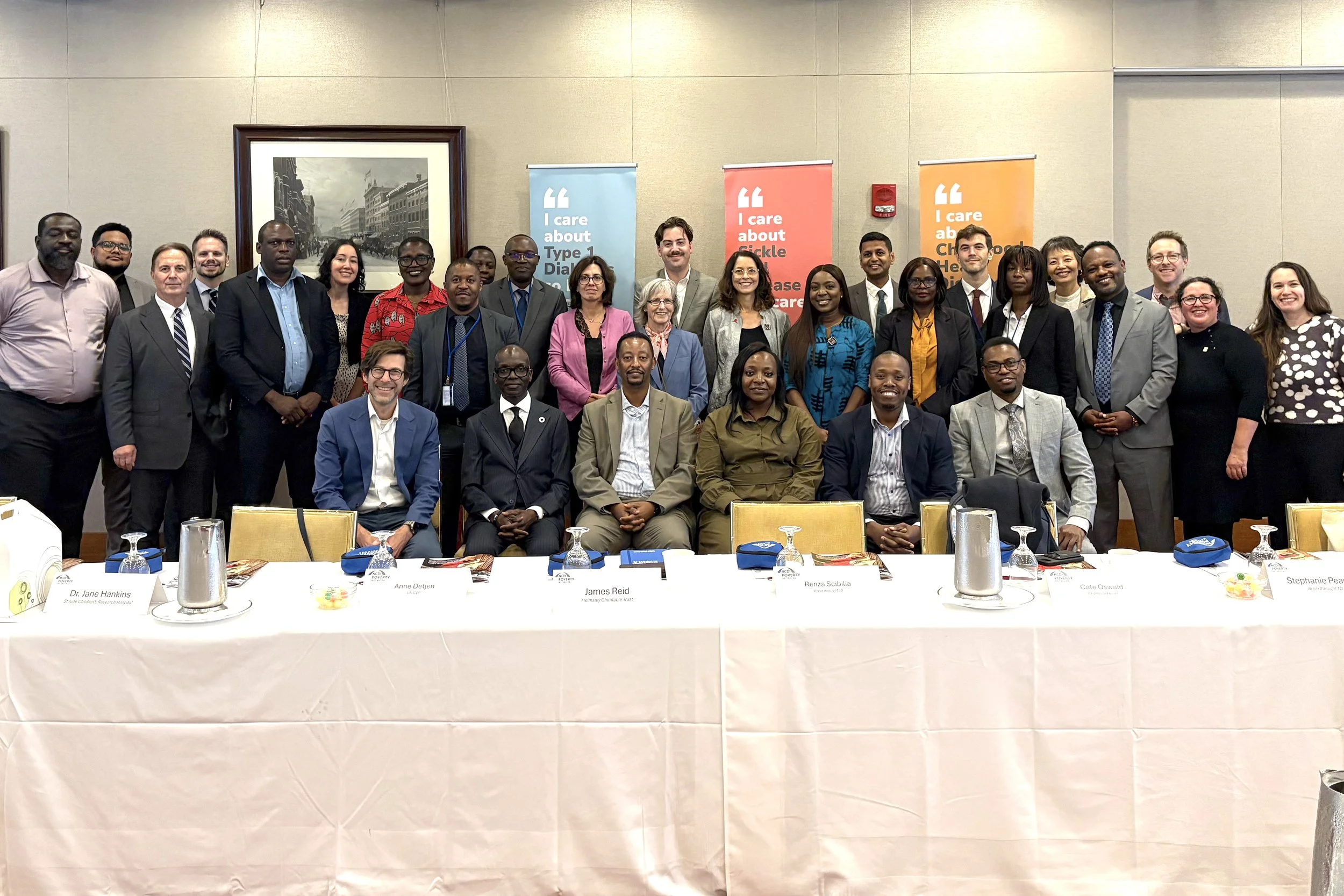
A Year of Acceleration: Reflections on Steps Forward for Noncommunicable Disease Care
During this year’s United Nations General Assembly Week, Rachel Gasana, senior director of advancement at the NCDI Poverty Network, reflected on the bold new partnerships and program launches that made the previous year a momentous one for the care of people living with severe, chronic noncommunicable diseases.
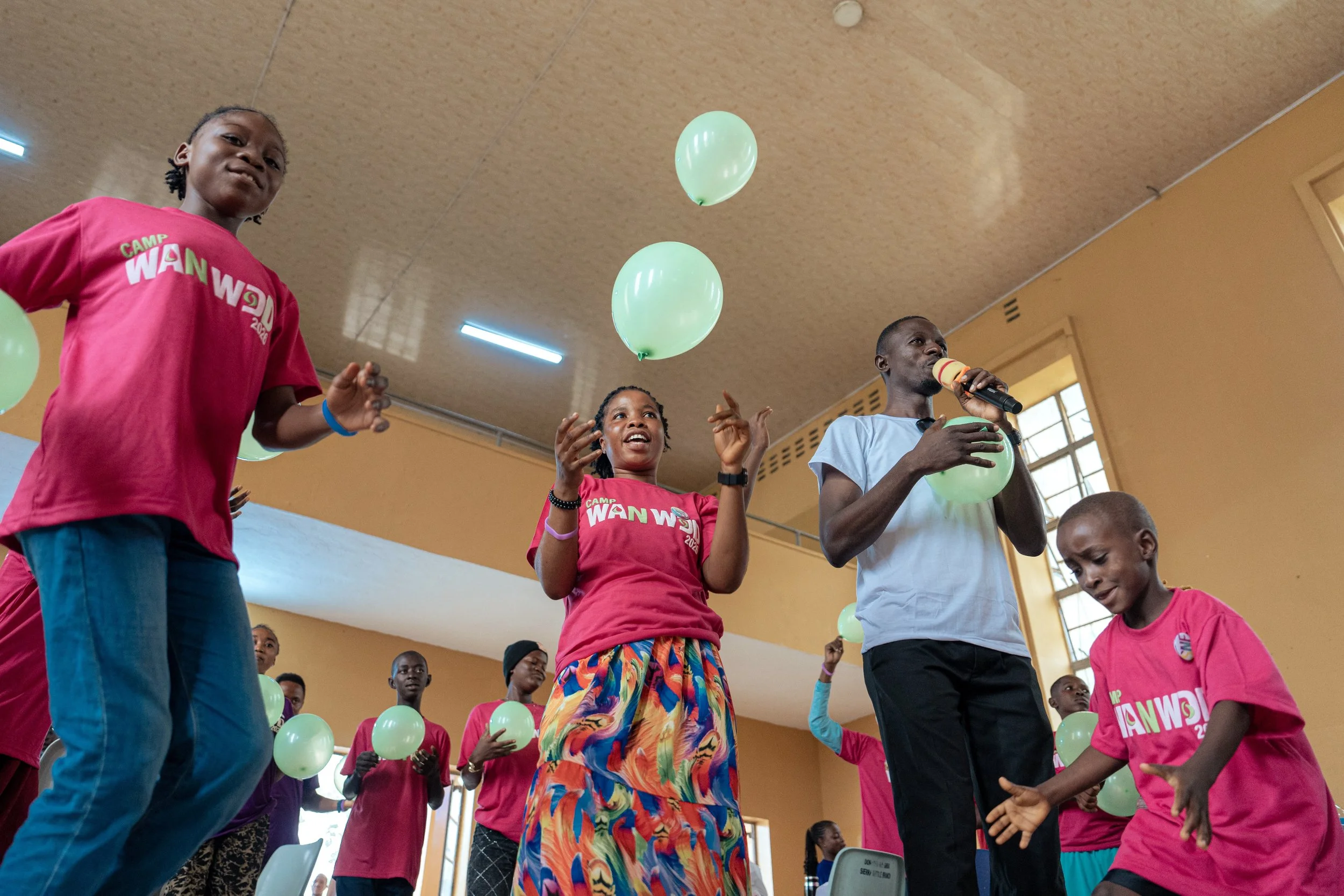
Warriors Raise Their Voices—and Spirits—at Camp Wanwɔd
Singing, games, and reflections on community complemented lessons on disease self-management at Camp Wanwↄd, a PEN-Plus integrated camp recently held for young people living with either type 1 diabetes or sickle cell disease in Sierra Leone.
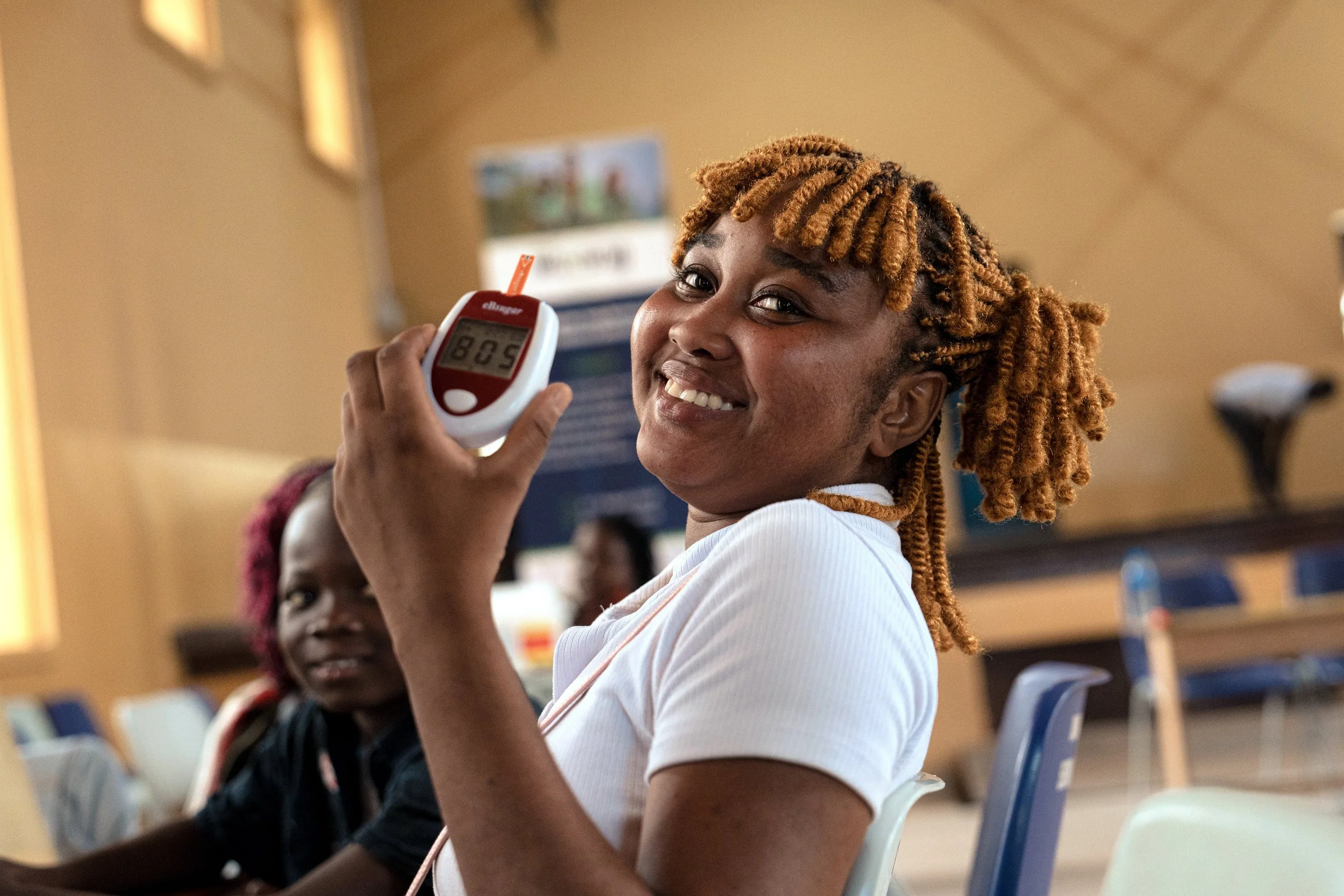
Bukhman Foundation Provides Support for PEN-Plus Integrated Camps
The Bukhman Foundation recently announced a three-year partnership with the NCDI Poverty Network to support the expansion and evaluation of PEN-Plus camps. These integrated camps bring young type 1 diabetes warriors together with those living with other severe, chronic noncommunicable diseases for education about their condition and a greater sense of community.
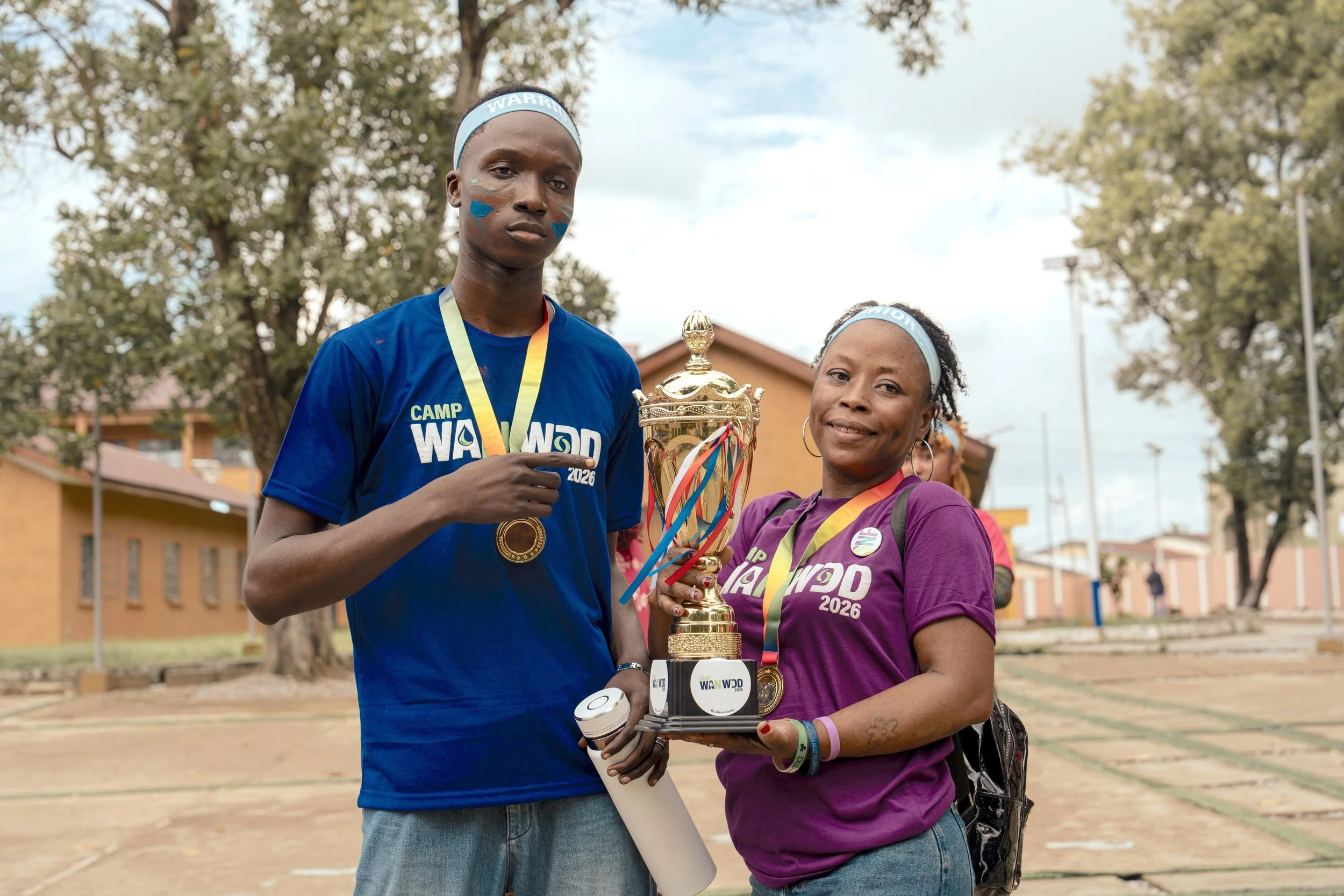
Pujehun PEN-Plus Clinic Offers a Lifeline in Sierra Leone
Every few months, 19-year-old Mohamed Tejan travels nearly 200 miles from Freetown, Sierra Leone, to a PEN-Plus clinic in the southern part of the country. There he receives care for sickle cell disease, along with free medicine that is not available to him in the capital, free or otherwise. His long journey there—and more recently to a PEN-Plus camp—also connects him with a community of other sickle cell warriors.
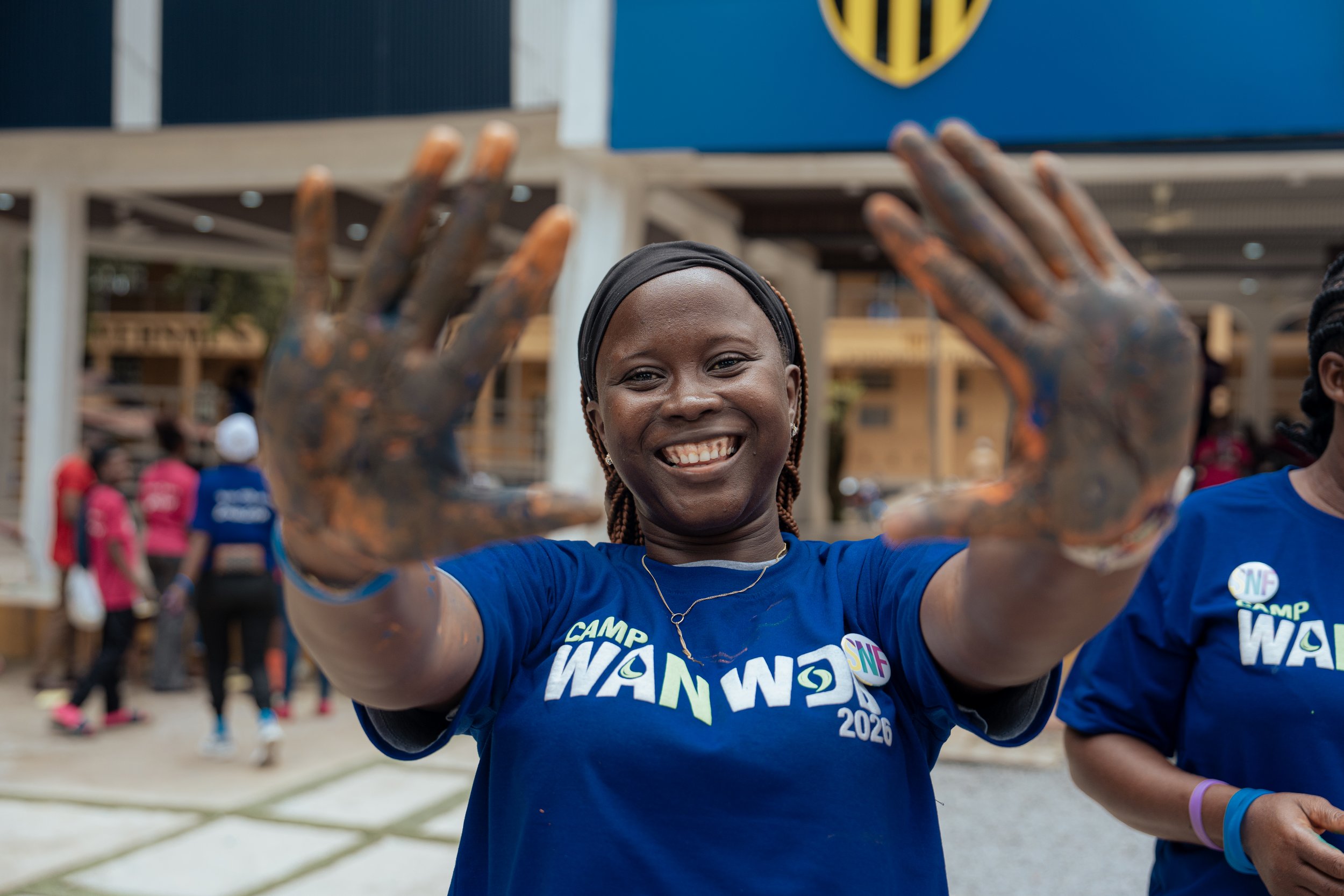
Photo Gallery: Camp Wanwɔd 2026
Witness the joy of Camp Wanwↄd, a PEN-Plus camp recently held for young people living with either type 1 diabetes or sickle cell disease in Sierra Leone.
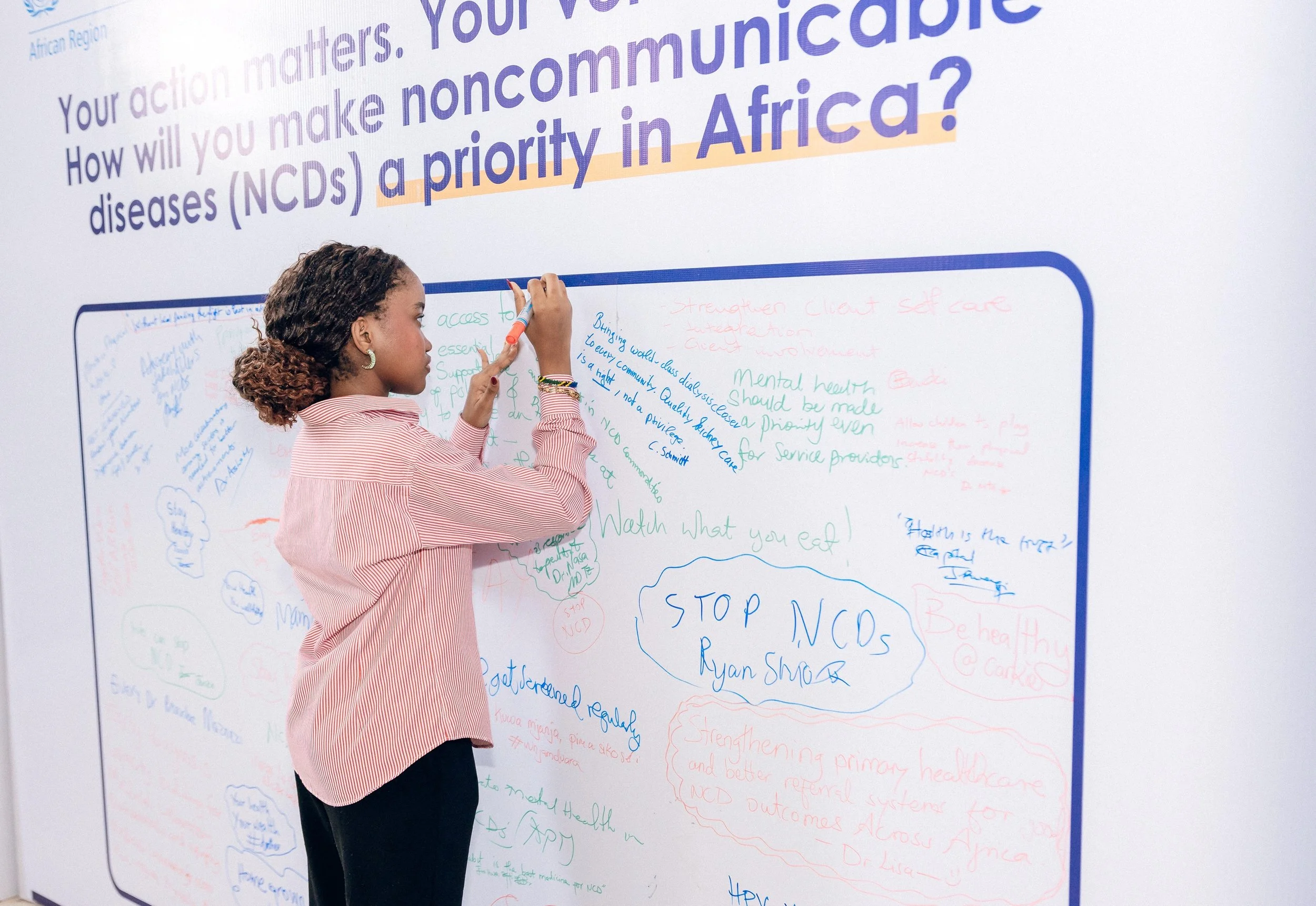
The PEN-Plus Conversation Shifts from What to How
The Third International Conference on PEN-Plus in Africa reflected a key advancement in the PEN-Plus movement in the two years since the inaugural meeting: a notable shift in conversation from what the model is to how countries can best scale up their PEN-Plus programs nationally.
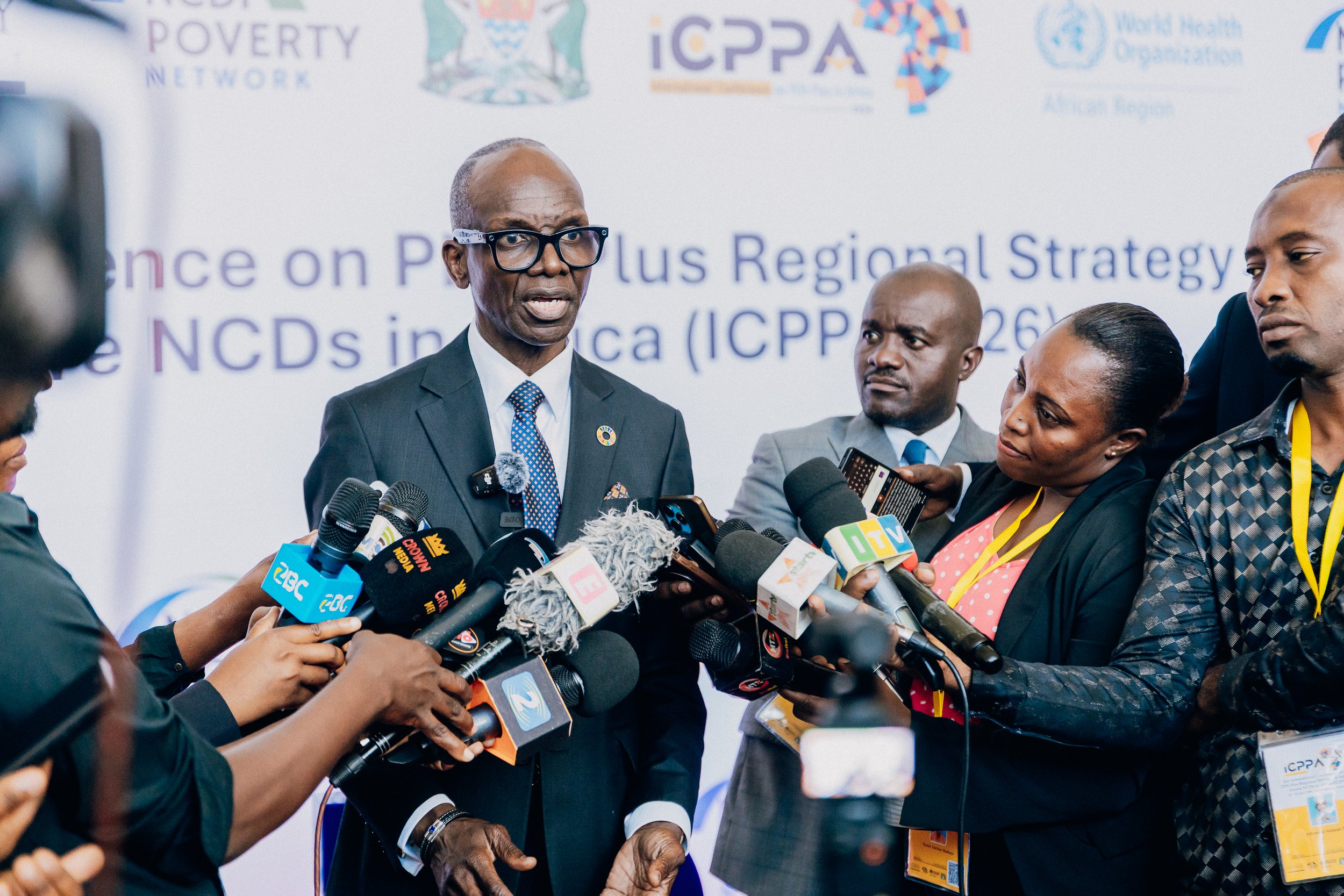
Media Highlights Reflect the Momentum of ICPPA 2026
Follow-up coverage of the Third International Conference on PEN-Plus in Africa reflected the momentum of PEN-Plus, the focus on children’s health, and the support from national governments that were all hallmarks of the conference.
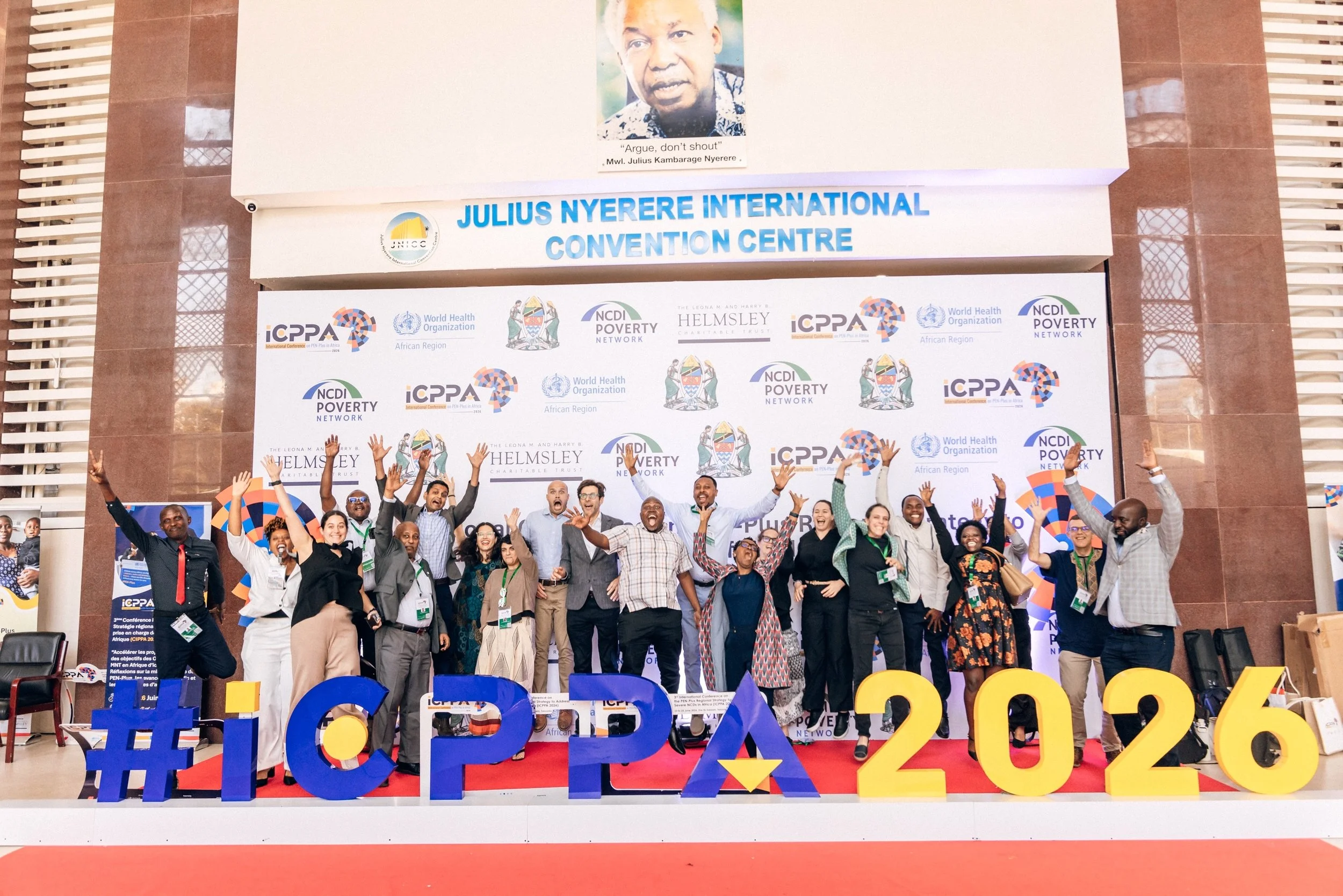
Photo Gallery: Third International Conference on PEN-Plus in Africa
For many participants, the Third International Conference on PEN-Plus in Africa, held in Dar es Salaam in June 2026, represented a kind of homecoming. Some had attended the previous two conferences; others were reuniting with far-flung teammates and long-time collaborators. And for the hundreds of first-time participants, the conference provided opportunities to learn, to network, and to commit to increasing access to lifesaving treatments for people living with severe noncommunicable diseases.
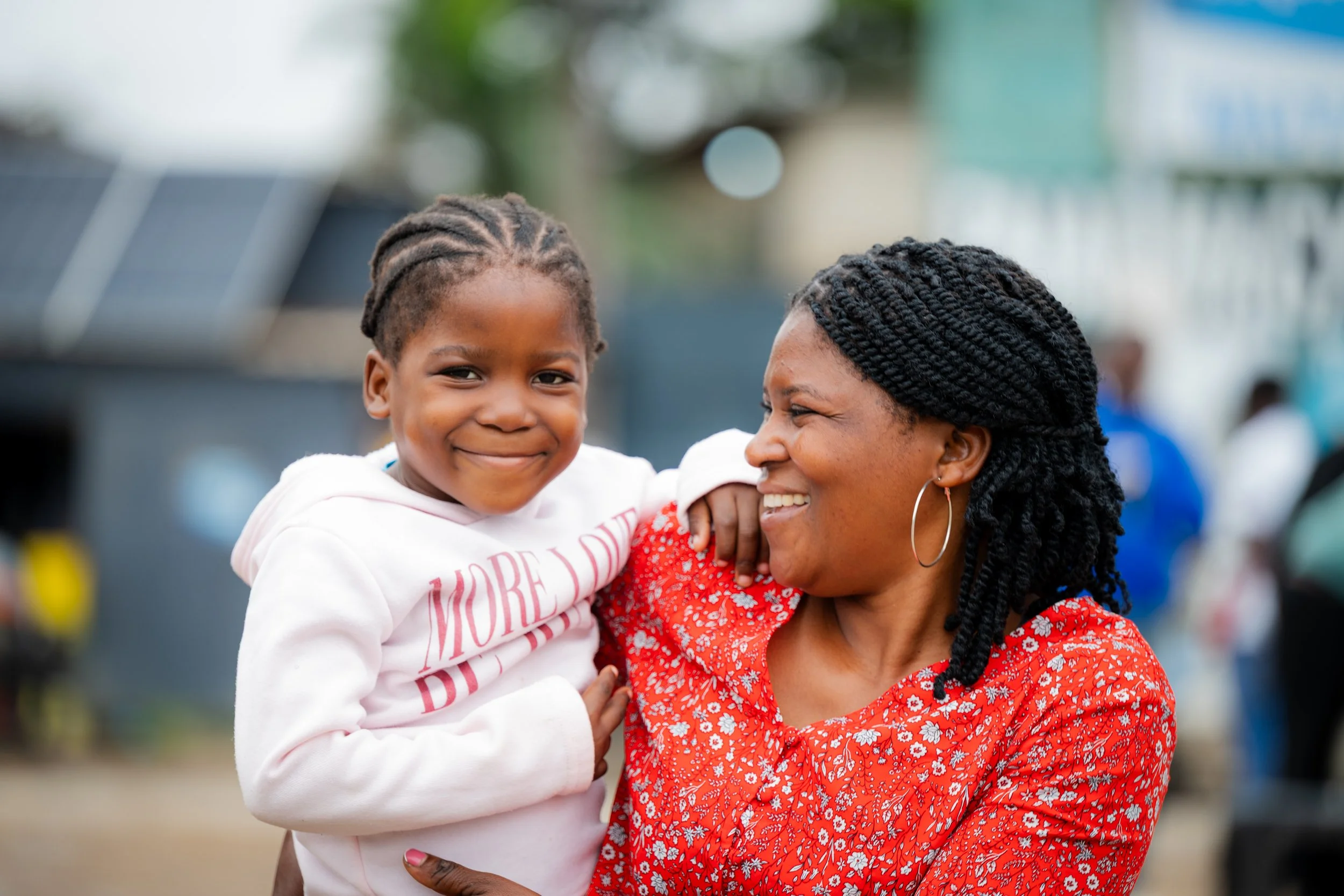
Reclaiming Hope
Margaret Nyirenda’s twin daughters were diagnosed with sickle cell disease at just five months old. Last year, tragically, one of the twins died suddenly while enroute to a hospital in Lusaka, Zambia. Since then, Nyirenda and her husband have been able to enroll their surviving daughter, five-year-old Isabella, in a nearby PEN-Plus clinic, which now delivers treatment to Isabella and hope to the entire family.
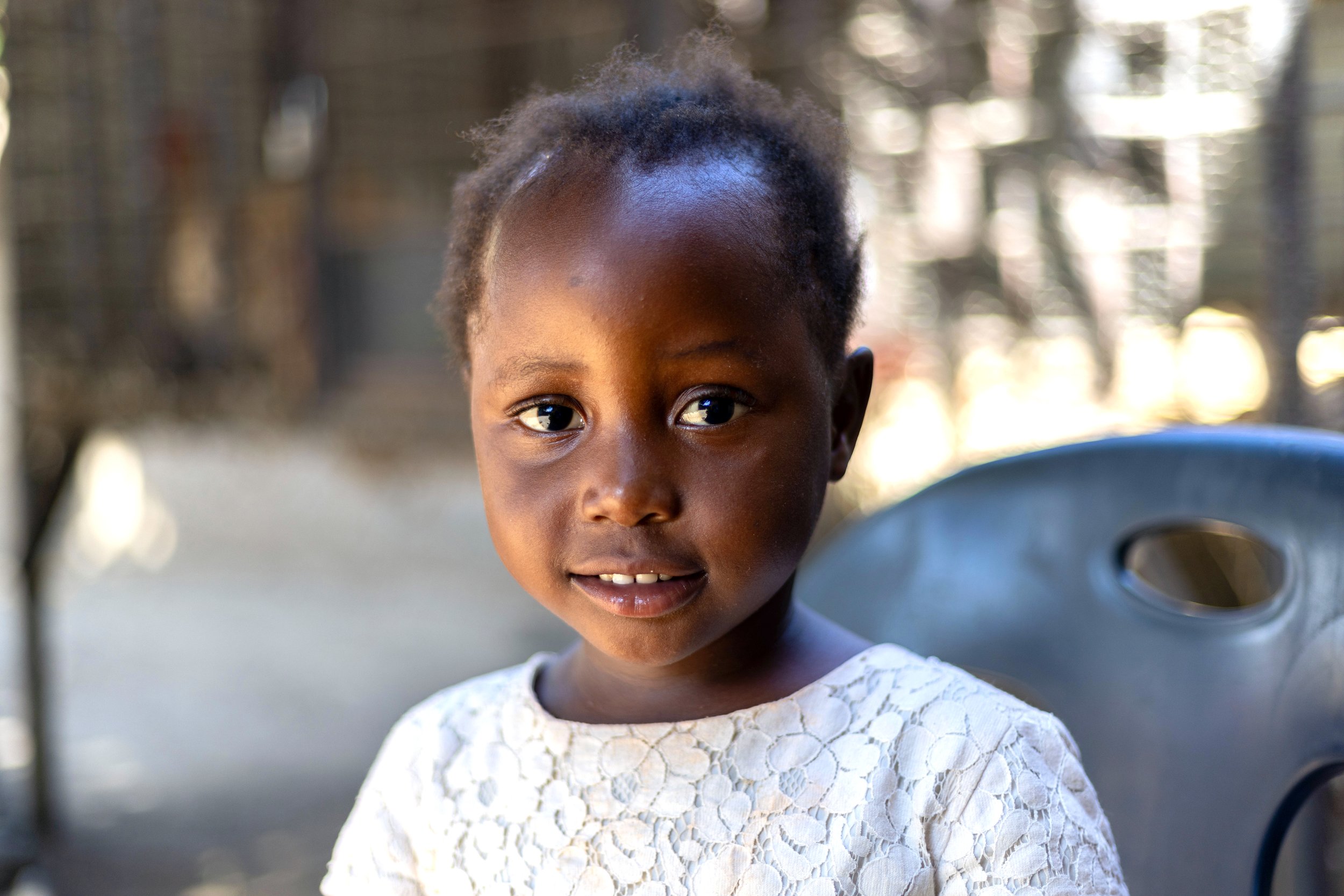
‘The Way We Do Things’
Dr. Justice Mudavanhu, a Ministry of Health expert, reports that Zimbabwe’s PEN-Plus national operational plan, launched just last year, has already helped transform PEN-Plus implementation from a partner-driven activity in one corner of the country to a Ministry of Health program poised for national expansion.
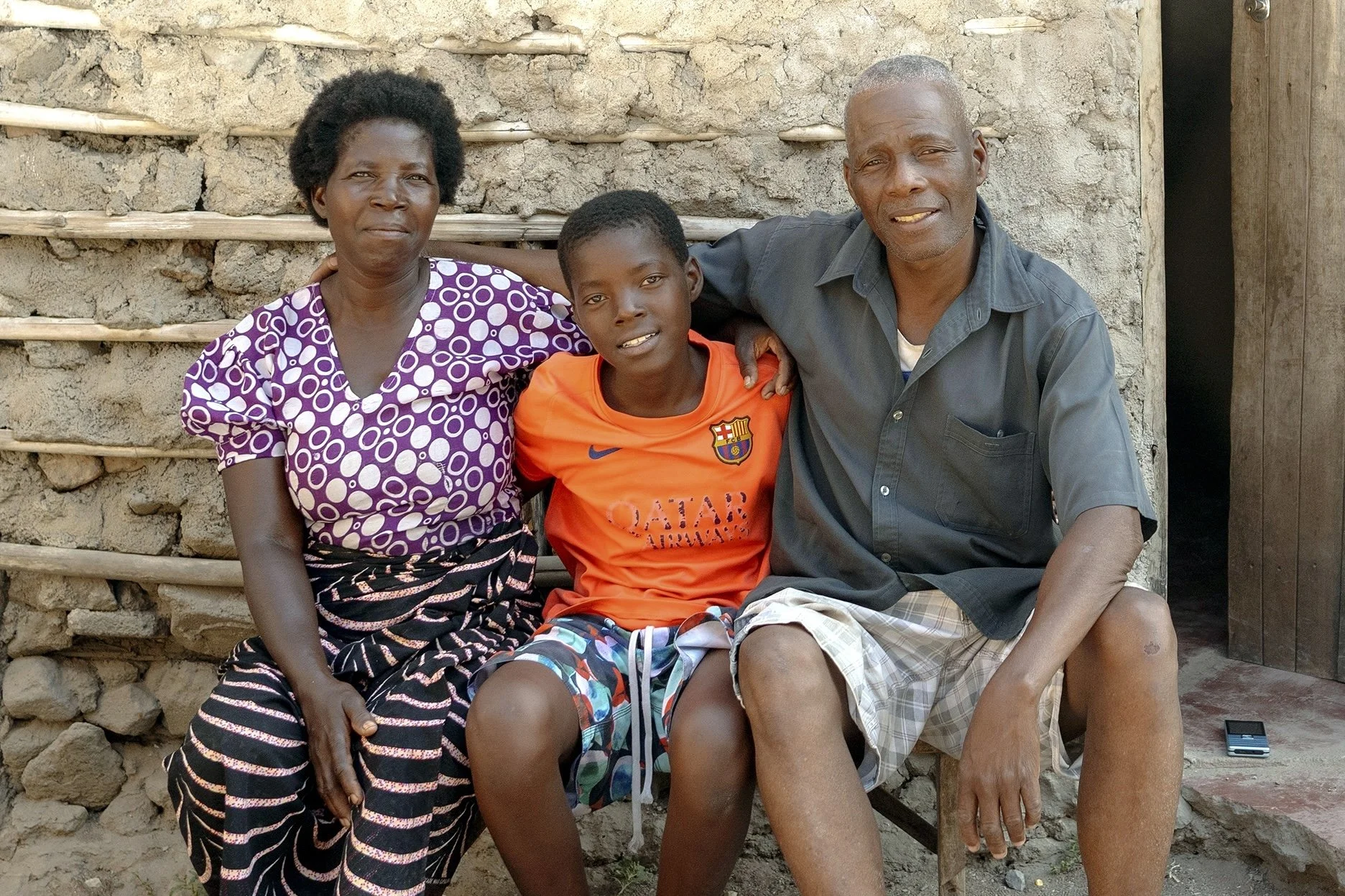
‘His Heart Was Beating Differently’
At just 15 years old, António Joaquim has already faced a life-threatening condition. His story of resilience and recovery illustrates the challenges of accessing timely diagnoses for noncommunicable diseases in low-resource settings—and the impact of integrated care models such as PEN-Plus.
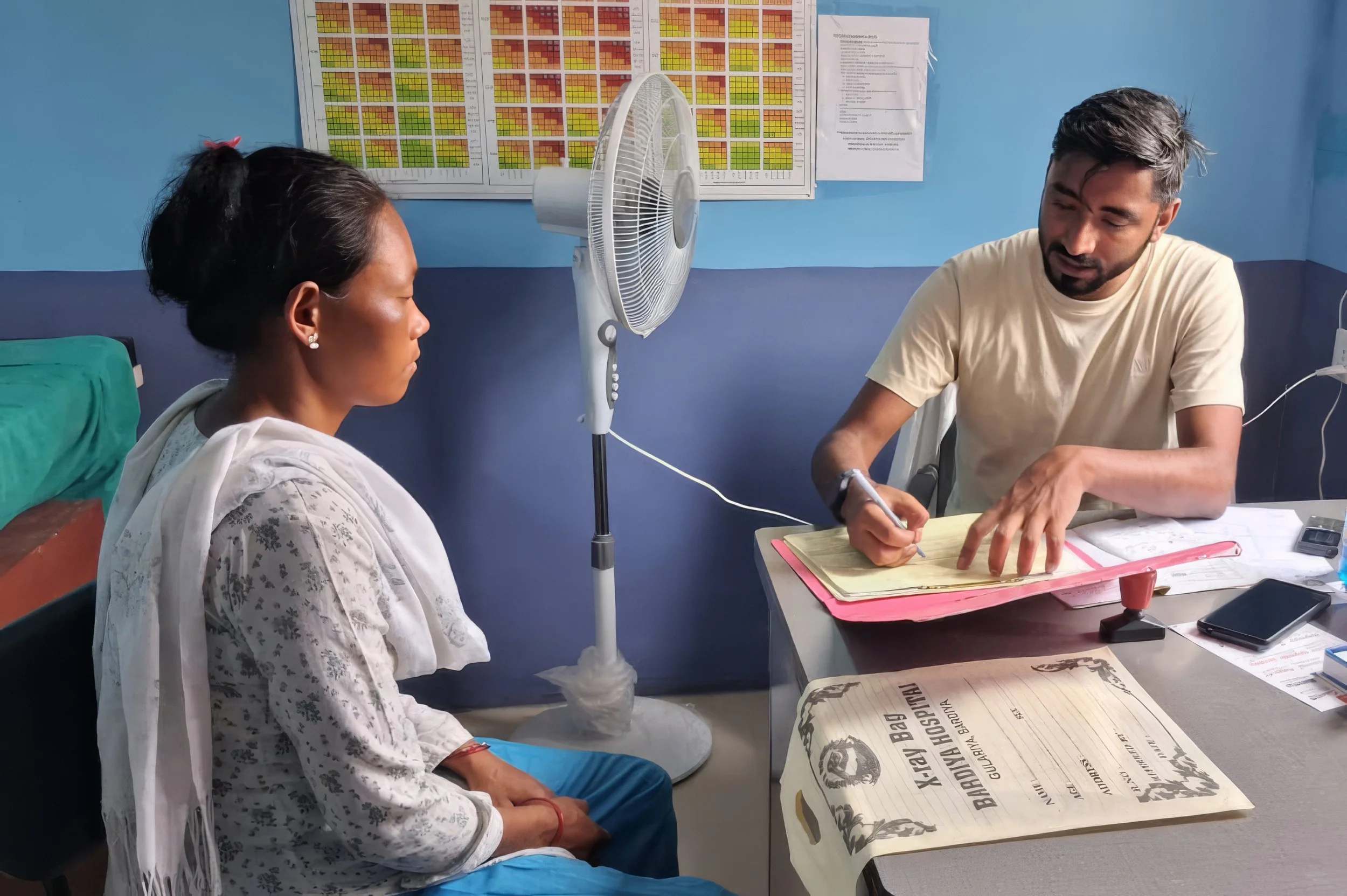
PEN-Plus Is Thriving in Six Districts in Nepal
A recent publication in BMJ Global Health details the growth of PEN-Plus integrated care for severe, chronic noncommunicable diseases in Nepal, where the model has been expanding from two districts to six. The country’s PEN-Plus program has not only strengthened clinical resources and referral systems, but it has also developed strong social support initiatives that address nutrition, mental health, and community awareness.
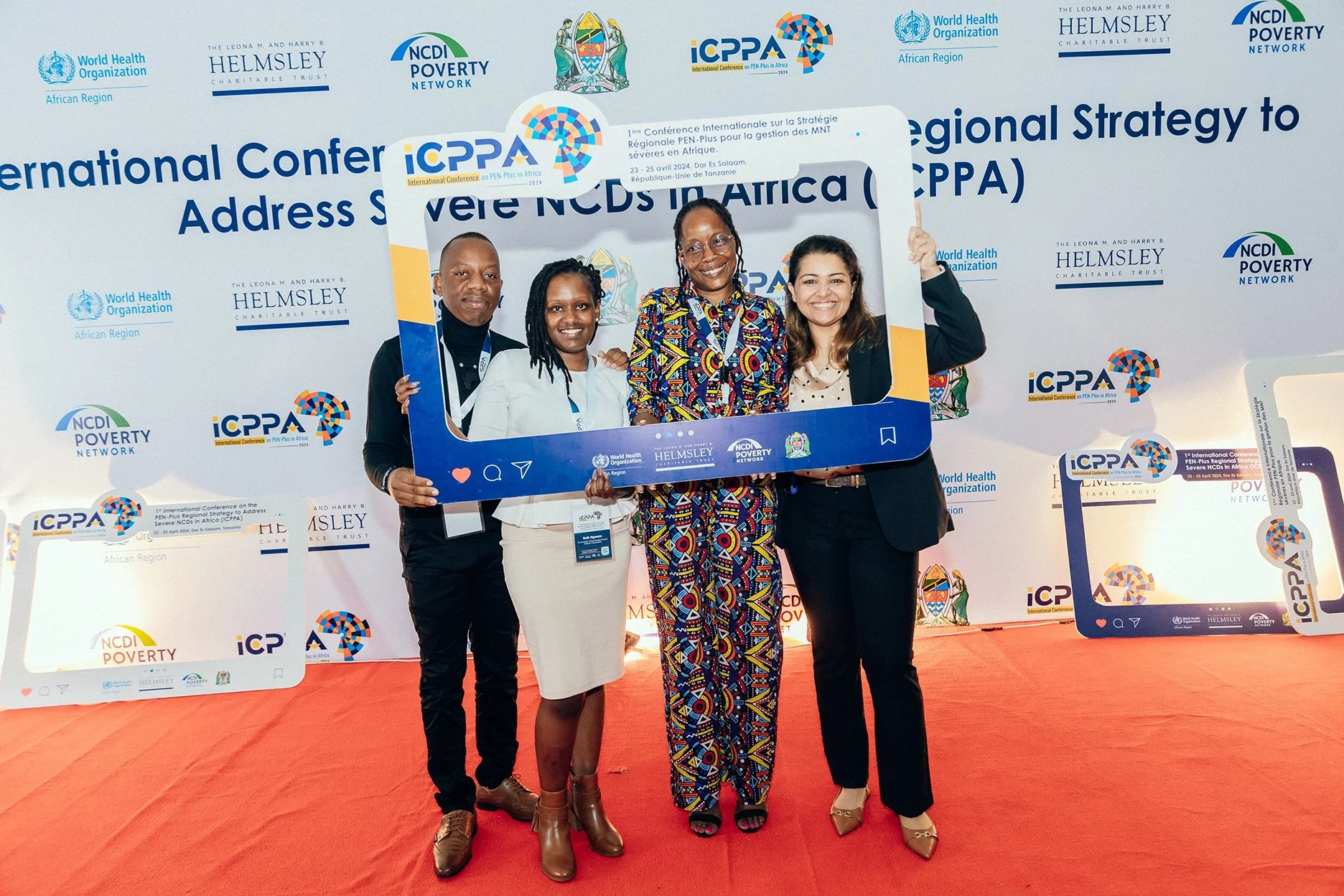
‘Gratitude in My Heart’
After five years with the NCDI Poverty Network, Dr. Apporva Gomber leaves a legacy of impassioned advocacy—and community—through her work with the Voices for PEN-Plus program. Dr. Gomber is returning to clinical work, with the goal of becoming a pediatric endocrinologist and using her own lived experience to help children navigate the challenges of living with type 1 diabetes.
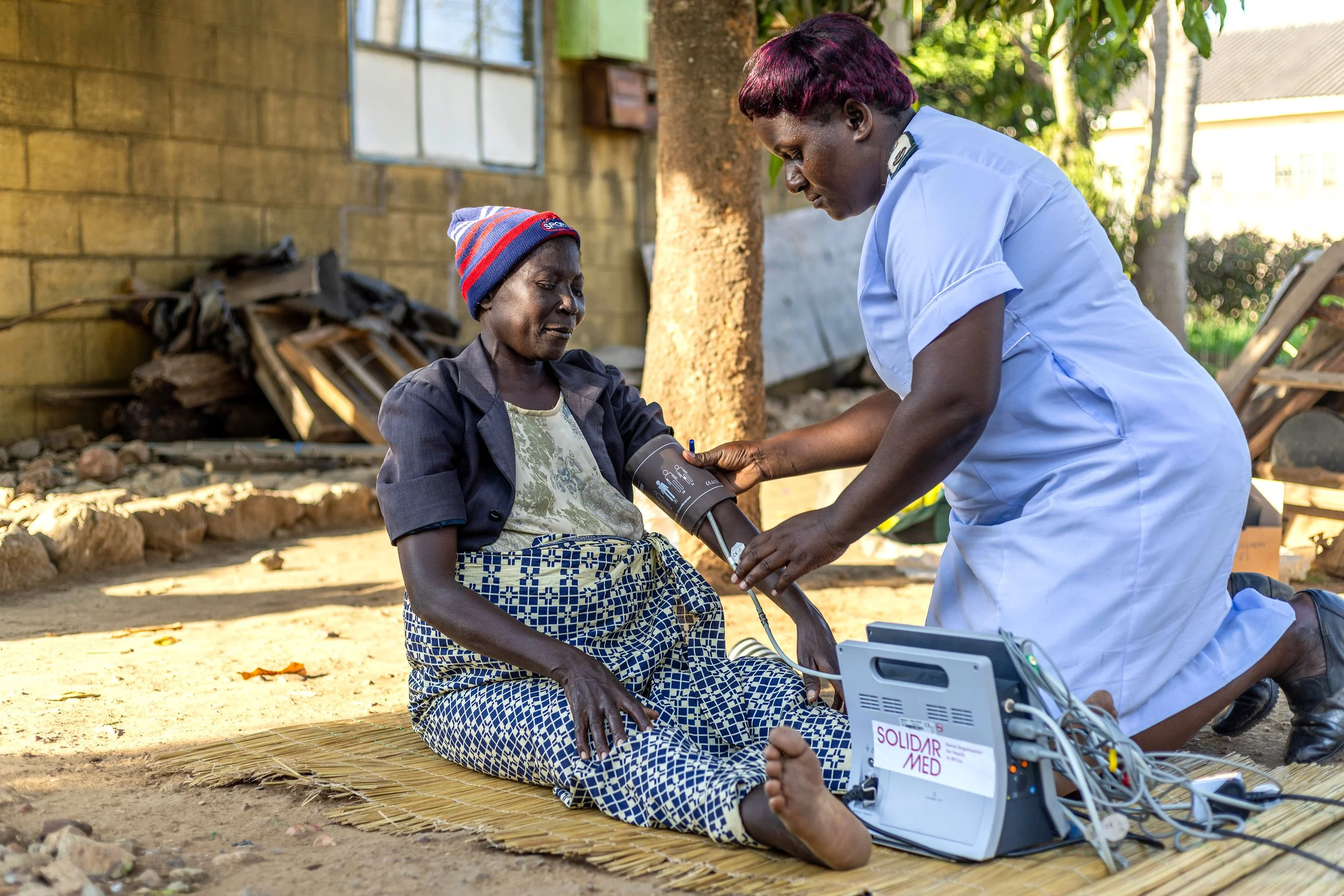
Lancet Editorial Praises PEN-Plus
With less than a month until heads of state and health leaders from across sub-Saharan Africa convene at the Third International Conference on PEN-Plus in Africa to discuss strategies for improving care for people living with severe, chronic noncommunicable diseases, a Lancet Primary Care editorial provides a powerful testament to the impact of PEN-Plus.
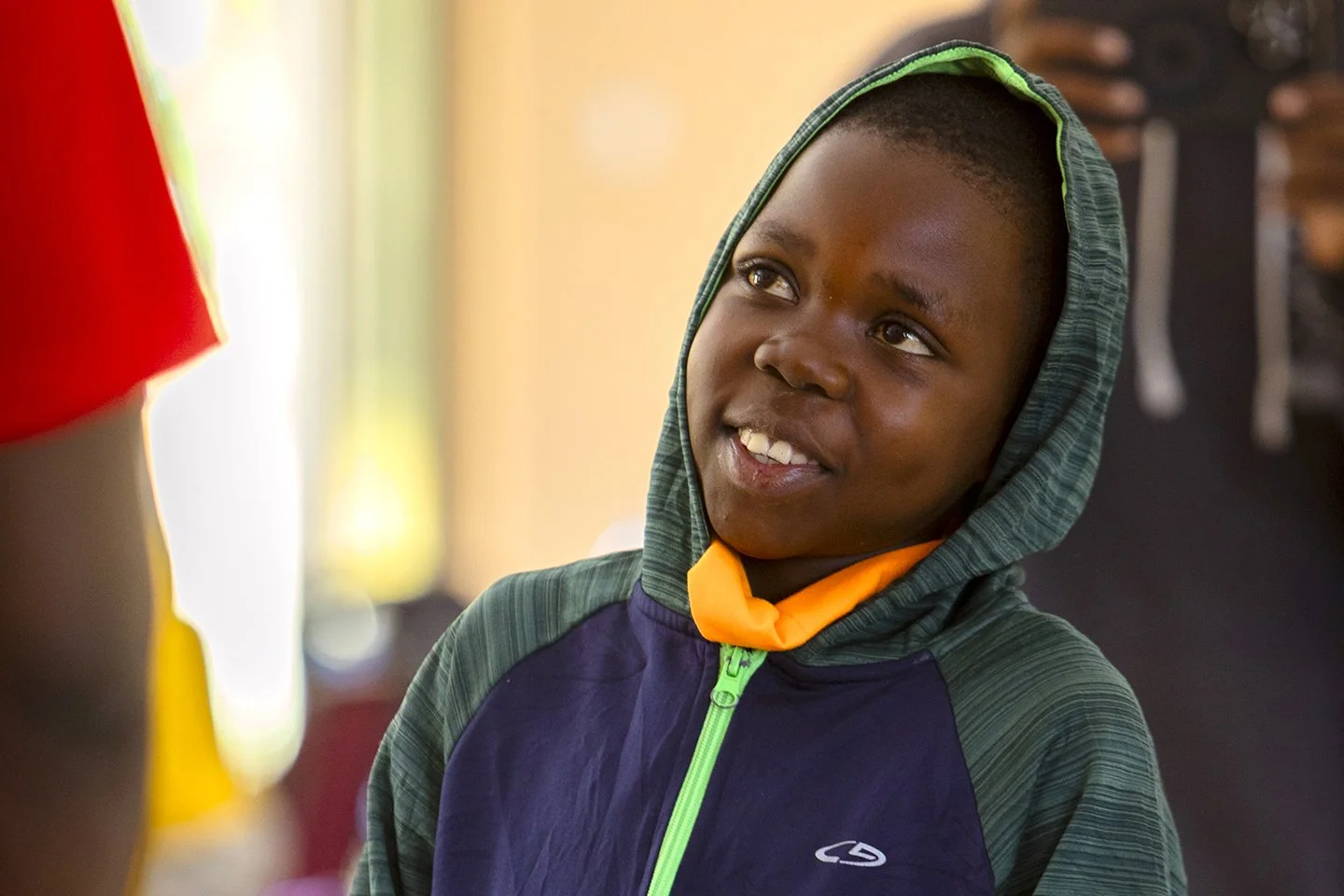
Stepping from the Background to Center Stage
Daniel Mulowa, an 11-year-old with sickle cell disease, experienced a transformative week at an PEN-Plus camp last summer. The camp, held in Zambia for young people with sickle cell disease or type 1 diabetes, showed the power of peer support, health education, and empowerment.
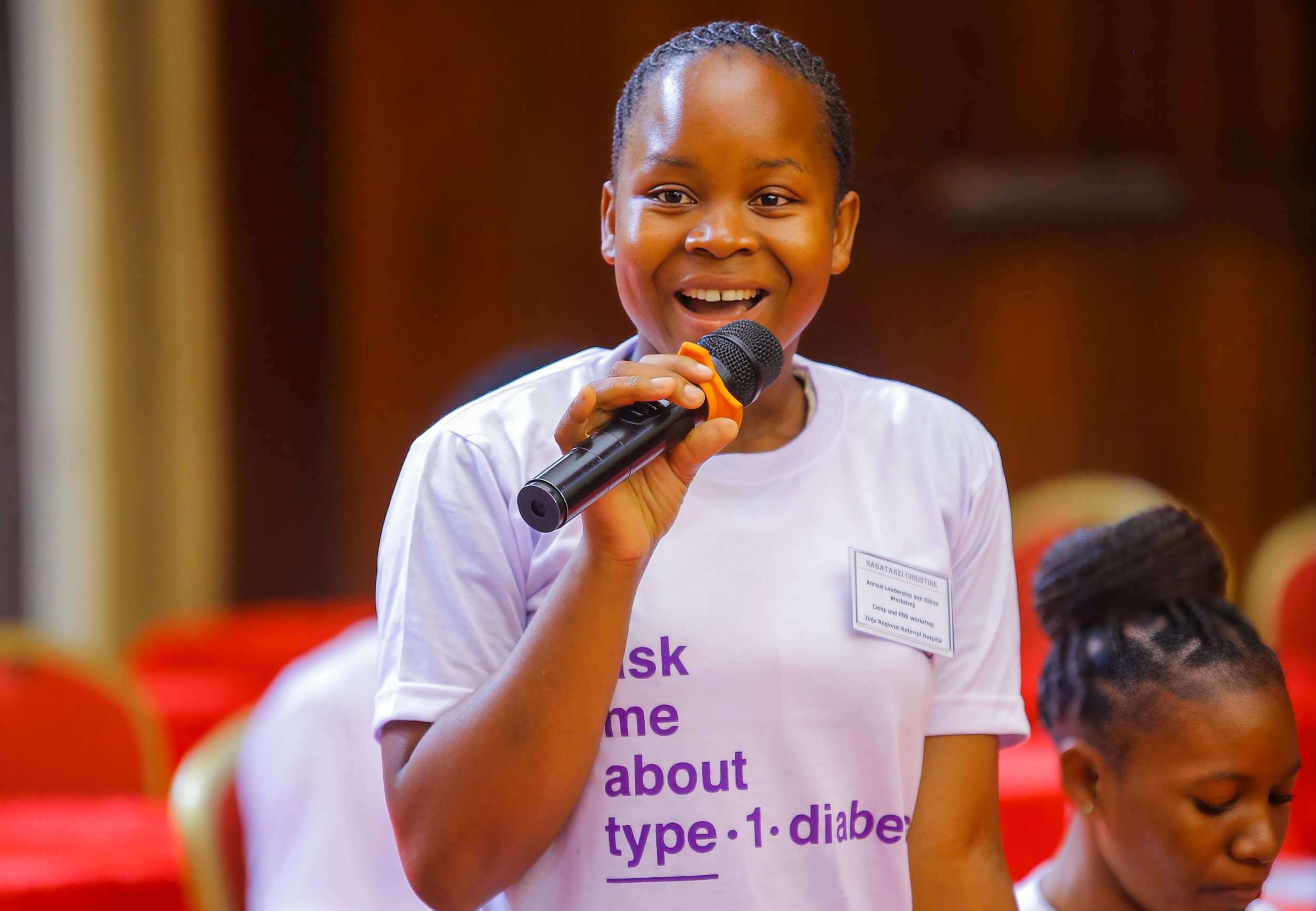
‘Let’s Grow Together’: Voices for PEN-Plus Team Expands
Two sickle cell warriors from Kenya and two type 1 diabetes warriors, one from Uganda and the other from Zambia, recently joined the Network’s Voices for PEN-Plus advocacy program. “Your story makes a difference, your story has impact,” veteran Voices advocate Moses Echodu said in welcoming the newcomers. “And, importantly, your story is what will keep someone else hopeful.”
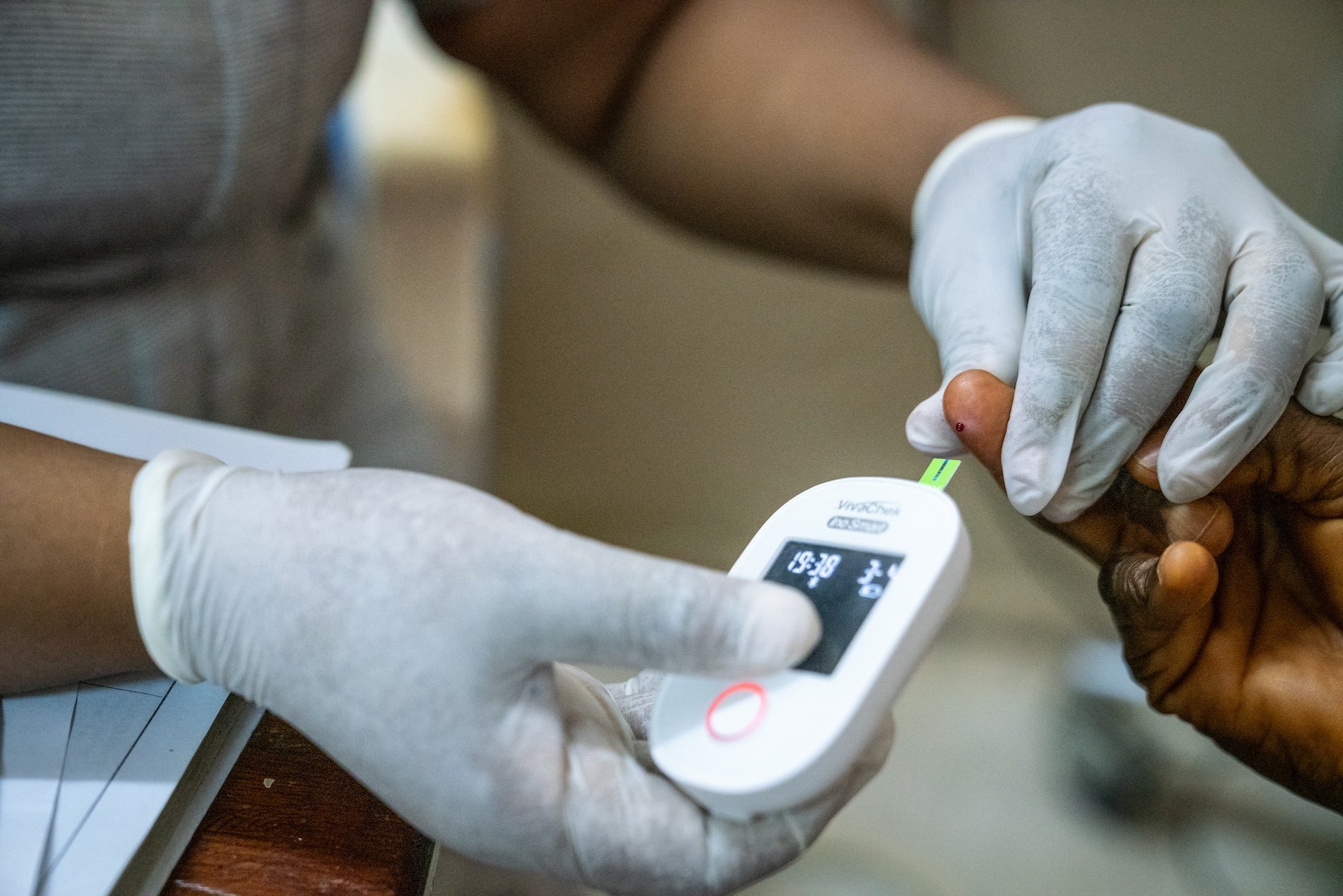
Scarcity of Data on Type 1 Diabetes Care in Low-Resource Settings Shows Need for PEN-Plus
A first-of-its-kind review of published studies on type 1 diabetes care found a significant lack of records and data on care in primary- and first-referral-level hospitals in low-and lower-middle-income countries. The findings do more than suggest a wide gap in care for people living with the disease in rural areas of low- and lower-middle-income countries; they also underscore the urgent need to fill that gap through proven integrated health care models such as PEN-Plus.