Nigerian Artist Turns PEN-Plus into Poetry
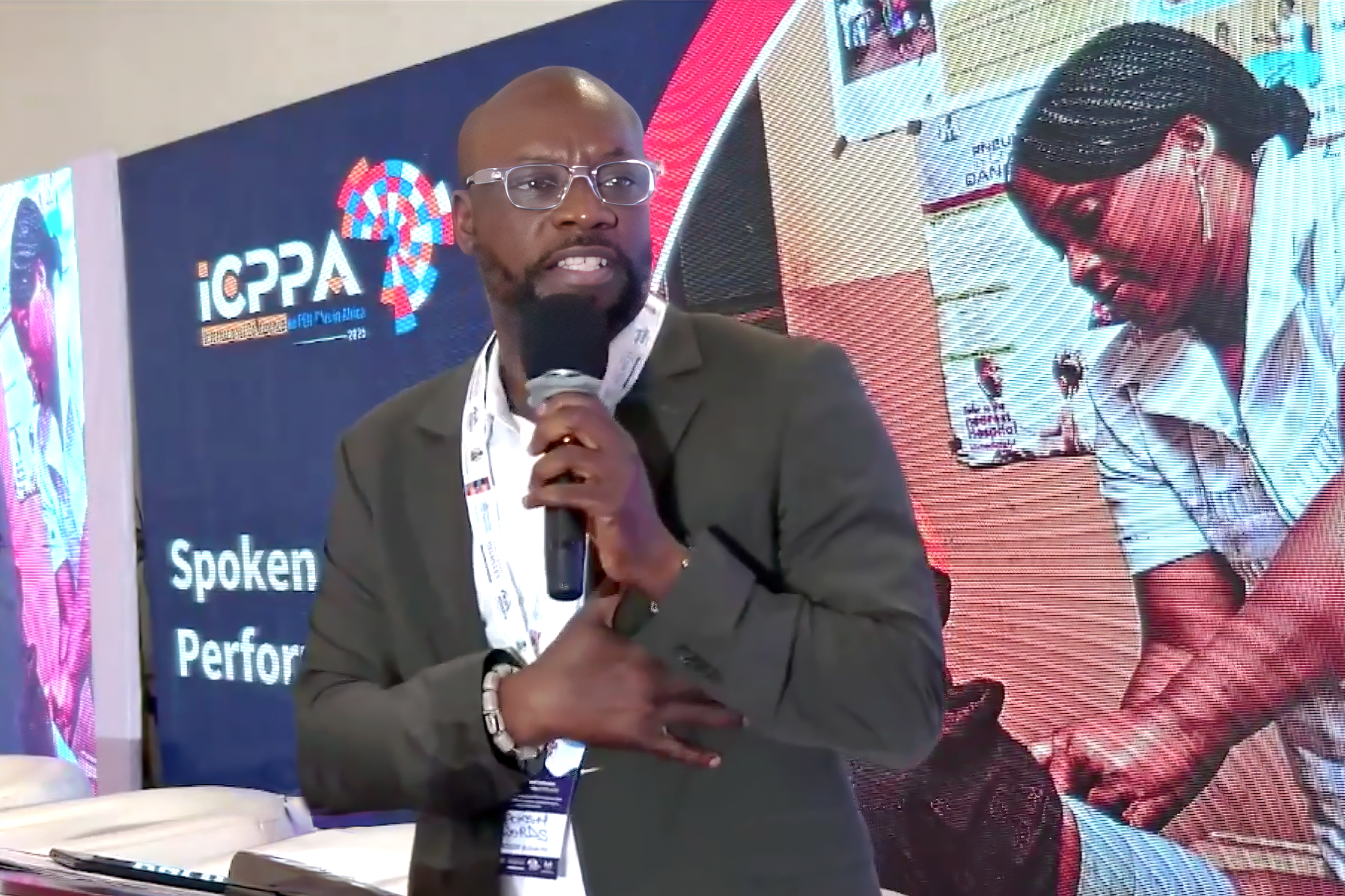
Artist, poet, and creative consultant Bash Amuneni performs his spoken word piece, “This is How We Will All Win,” during the second annual International Conference on PEN-Plus in Africa, held in Abuja, Nigeria, in July.
Turning health care and global inequities into lyrical art is not easily done—but during an international conference earlier this year, Nigerian poet and performer Bash Amuneni found a way.
Amuneni performed his stirring spoken word piece, “This is How We Will All Win,” during the second annual International Conference on PEN-Plus in Africa, held in Abuja, Nigeria, in July.
“A movement born of necessity, clothed in dignity: PEN-Plus,” Amuneni said, his voice rising and falling expressively during a performance that those in attendance later characterized as bringing a new, emotional dimension to the conference. “No longer a whisper of hope, but a pulse of promise in the health center door.”
The word “movement” is particularly apt. In 2025, the PEN-Plus model of care for people with severe, chronic noncommunicable diseases launched in several new countries and expanded in many more, transforming from a model into a movement—or, as Amuneni wrote, from a “mirage into medicine.”
The landmark year for PEN-Plus also included a weeklong integrated camp in Zambia for children, adolescents, and young adults with either type 1 diabetes or sickle cell disease; direct mentions of PEN-Plus by health leaders from numerous African nations during the United Nations General Assembly in New York City; and the launch of national operational plans for PEN-Plus in Kenya, Zambia, and Zimbabwe.
All those achievements came through partnerships and collaboration, making the sense of togetherness and community in Amuneni’s poem—“the clasp of hands across corridors”—powerful and appropriate.
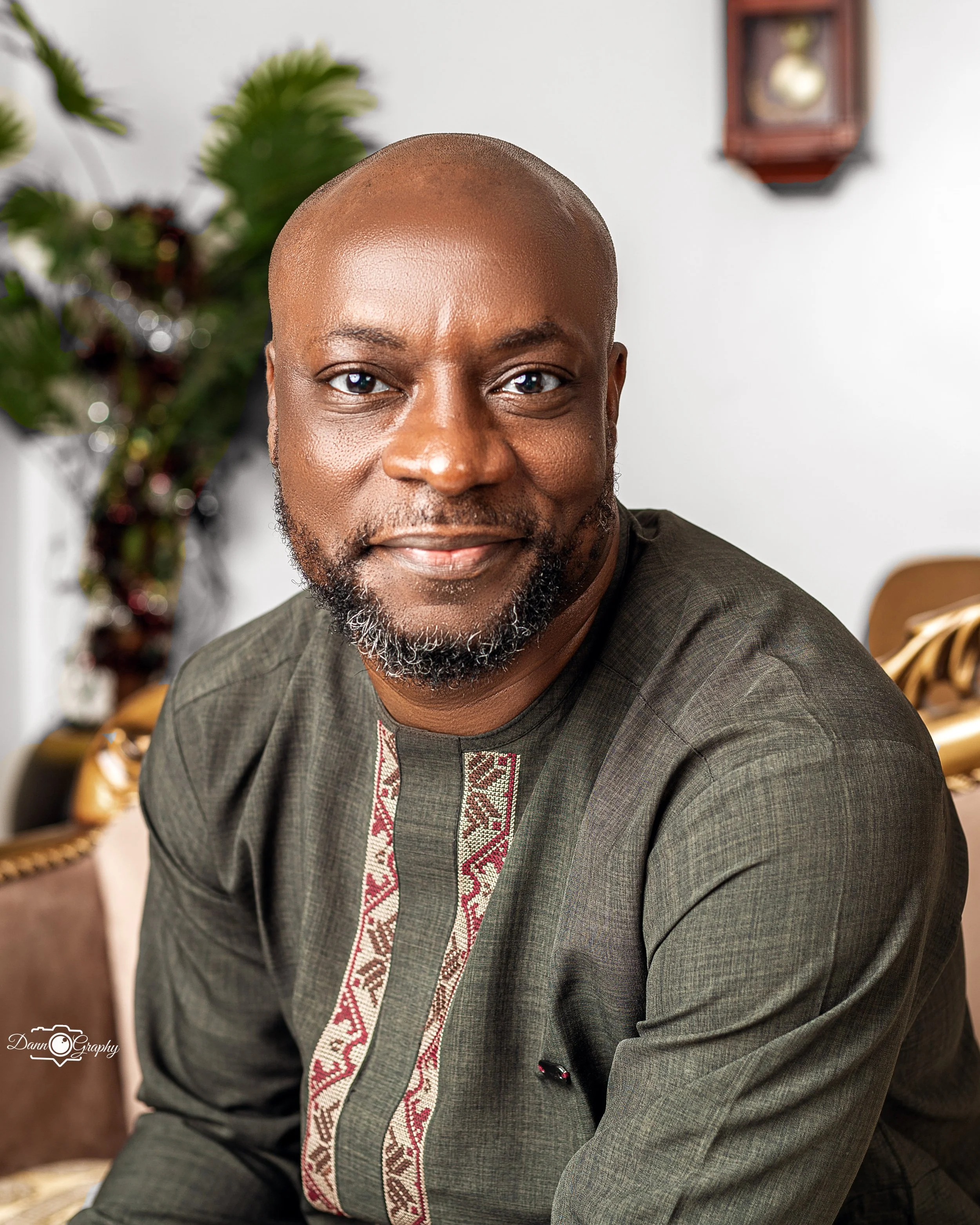
Amuneni is an artist, performer, and creative consultant who splits his time between Abuja and Portsmouth, England. He grew up in a rural area of Makurdi town, in the middle belt of Nigeria.
“The rural areas are where the work of PEN-Plus is very, very needed,” he said.
Amuneni often does freelance work for the Nigeria office of the World Intellectual Property Organization, which shares a building in Abuja with offices for the United Nations and the World Health Organization. That proximity has led Amuneni to some collaborations on health-related projects for WHO—and familiarity with PEN-Plus.
In addition, a few members of Amuneni’s extended family live with sickle cell disease or type 1 diabetes. So the focus of PEN-Plus on severe noncommunicable diseases in rural areas carried resonance for him as he was composing the poem.
“As a poet, your job is to give technical terms a tender feel—because what really works with people is the tenderness of language,” he said. “The words come through as poetry, but they also hit at the subject matter.”
“A movement born of necessity, clothed in dignity: PEN-Plus. No longer a whisper of hope, but a pulse of promise in the health center door.”
— Bash Amuneni, “This is How We Will All Win”
This Is How We Will All Win
By Bash Amuneni
How do we stand whole in our shared humanity
when a child’s heartbeat is a distant diagnosis?
How do we call ourselves home
when the road to healing costs more than bread?
But listen,
and you’ll read in bits in the dust of our villages
a movement born of necessity,
clothed in dignity: PEN-Plus.
No longer a whisper of hope,
but a pulse of promise in the health center door.
A mother no longer has to choose
between lifesaving insulin or feeding her children.
A father no longer has a son limping towards amputation
because the cure lives hundreds of kilometers away.
But this is how we will win.
In the clasp of hands across corridors,
where the sense of courage replaces despair,
where nurses become healers of the everyday battle,
where local knowledge becomes power,
where a trained eye sees early what used to be
a missed opportunity.
And this is how we conjure hope.
By bringing care home.
By rewriting the old stories of pilgrimage for survival.
By carrying the promise of prevention in our palms.
Palms warm with courage of community,
Palms steady with the promise of a policy that listens.
Palms weaving insulin, glucometers, pain relief
into the fabric of our daily lives.
And this is how we’ll win.
When we dare the unseen,
we stand as keepers, as watchers, as healers
shape-shifting from a sister to a mother,
from a brother to an advocate,
from a nurse to a lifeline,
policy to practice.
Stretching the language of care across villages,
across borders,
across fear.
This is a victory embroidered in communion.
The everyday fight made possible by hands
that do not beg for distant doors.
We stand shoulder to shoulder with the World Health Organization,
with partners, with you, with me.
A chorus of possibilities,
a flick of a needle, a drop of rain, a rush of wind.
Together we turn the mirage into medicine,
and this diagnosis into dawn.
This is how we'll all win.