NCDI Poverty Commissions
NCDI Poverty Commissions advance national efforts to reduce the death and suffering of those doubly burdened with noncommunicable diseases and extreme poverty.
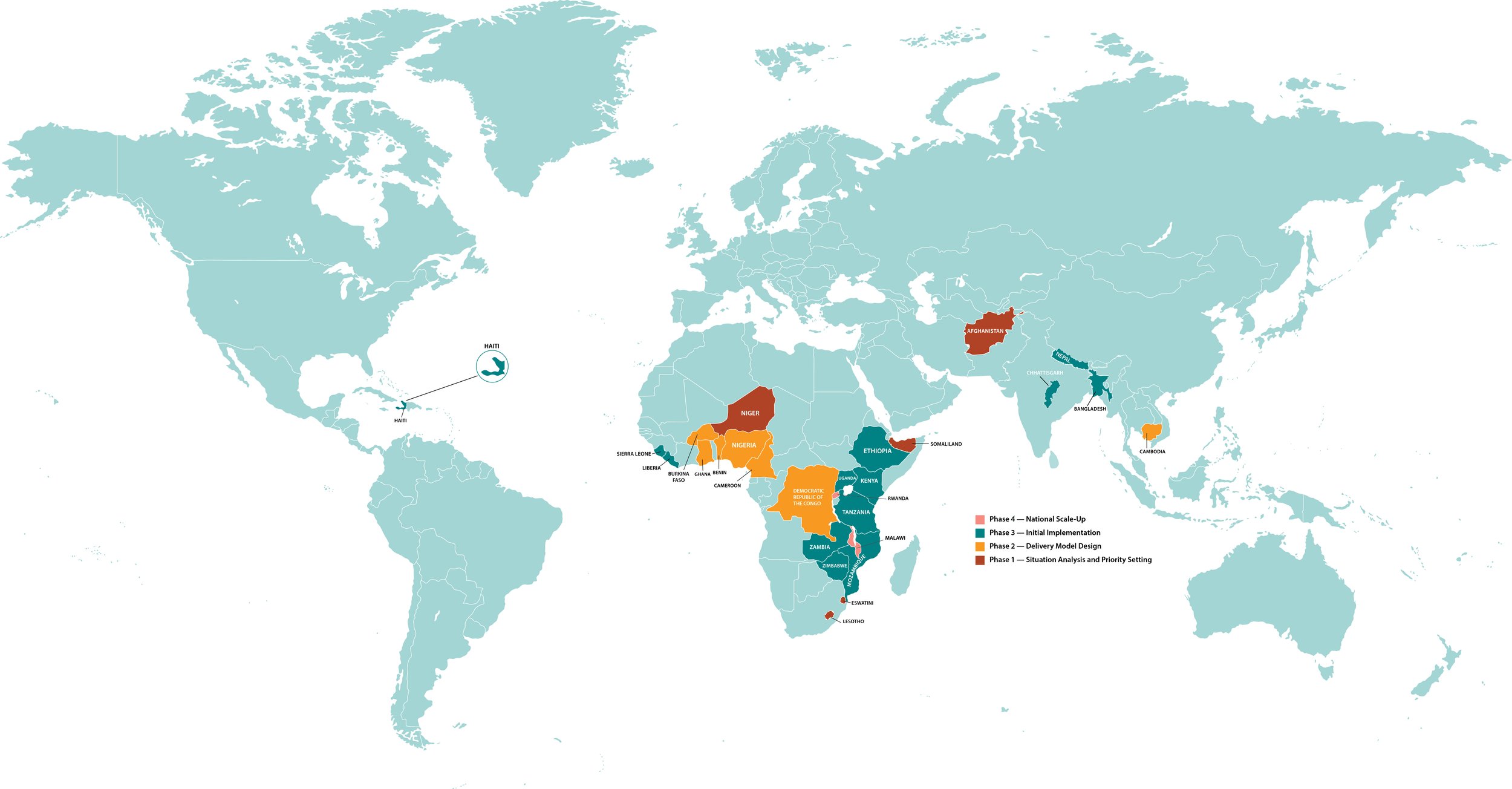
Each of the 29 member nations of the NCDI Poverty Network has a national commission composed of policymakers, clinicians, academic researchers, health planning and financing experts, implementing partners, donors, people living with noncommunicable diseases, and other members of civil society.
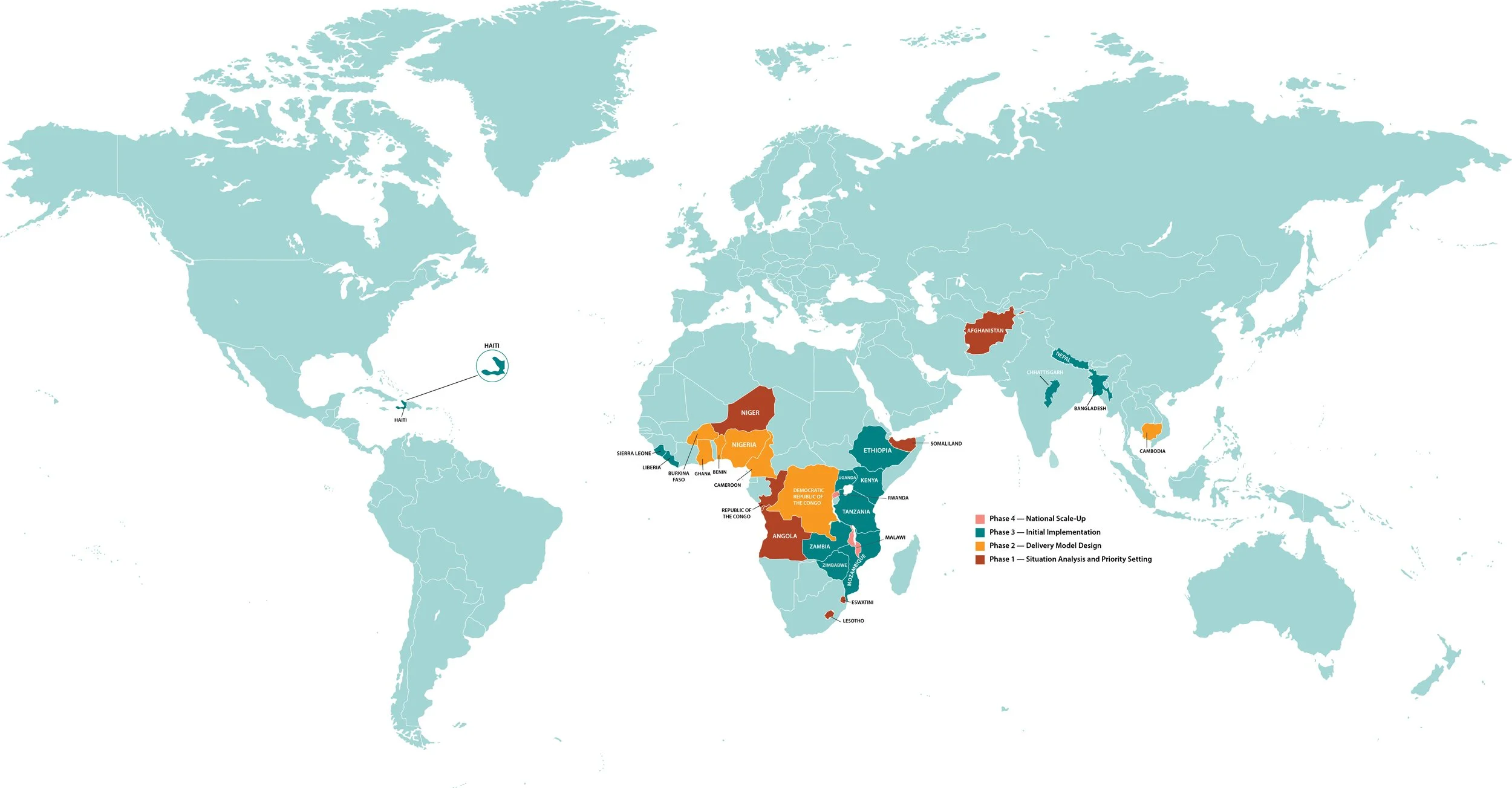
Cambodia
Chhattisgarh State (India)
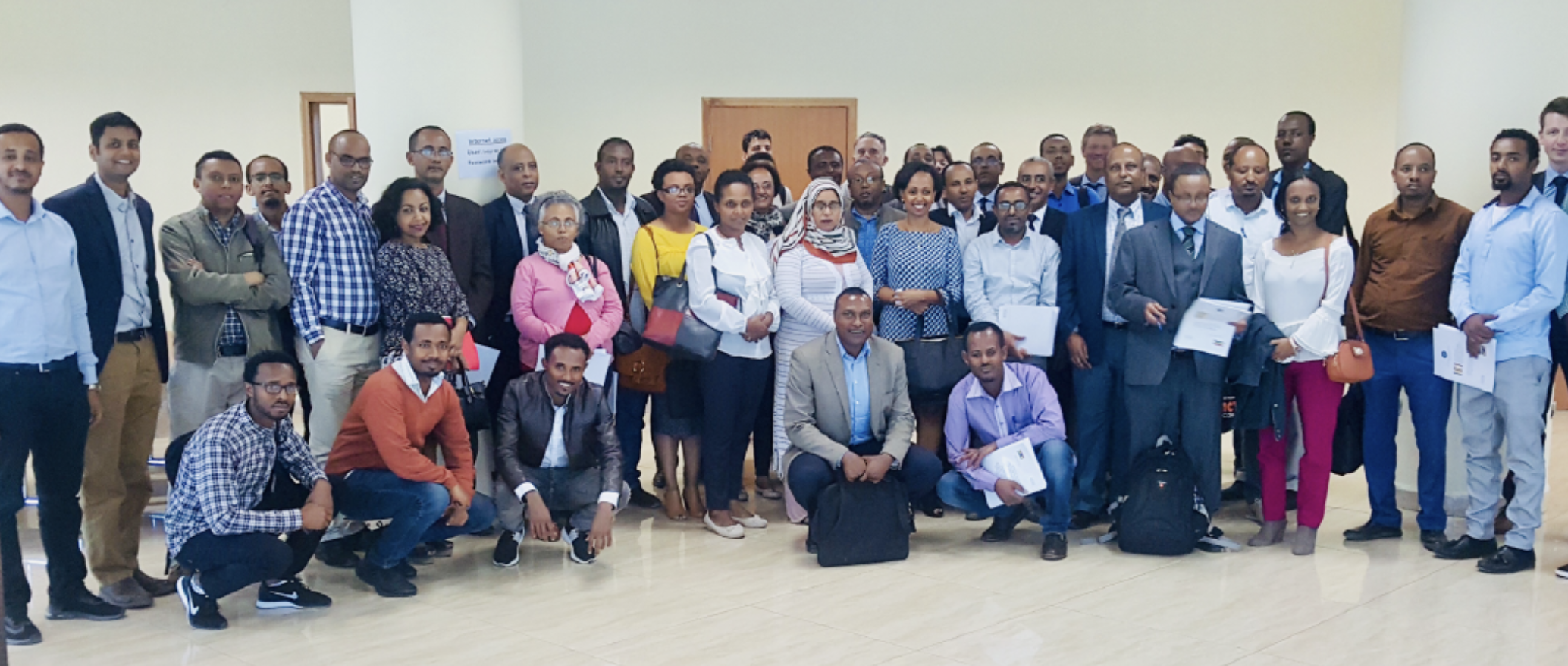
Ethiopia
Haiti
Liberia
Nigeria
Sierra Leone
Uganda
Zimbabwe
Active National Commissions
Burkina Faso
Cameroon
Democratic Republic of the Congo
Ghana
Kenya
Malawi
Nepal
Rwanda
Tanzania
Zambia
Benin
Bangladesh
Afghanistan
National Commission Updates
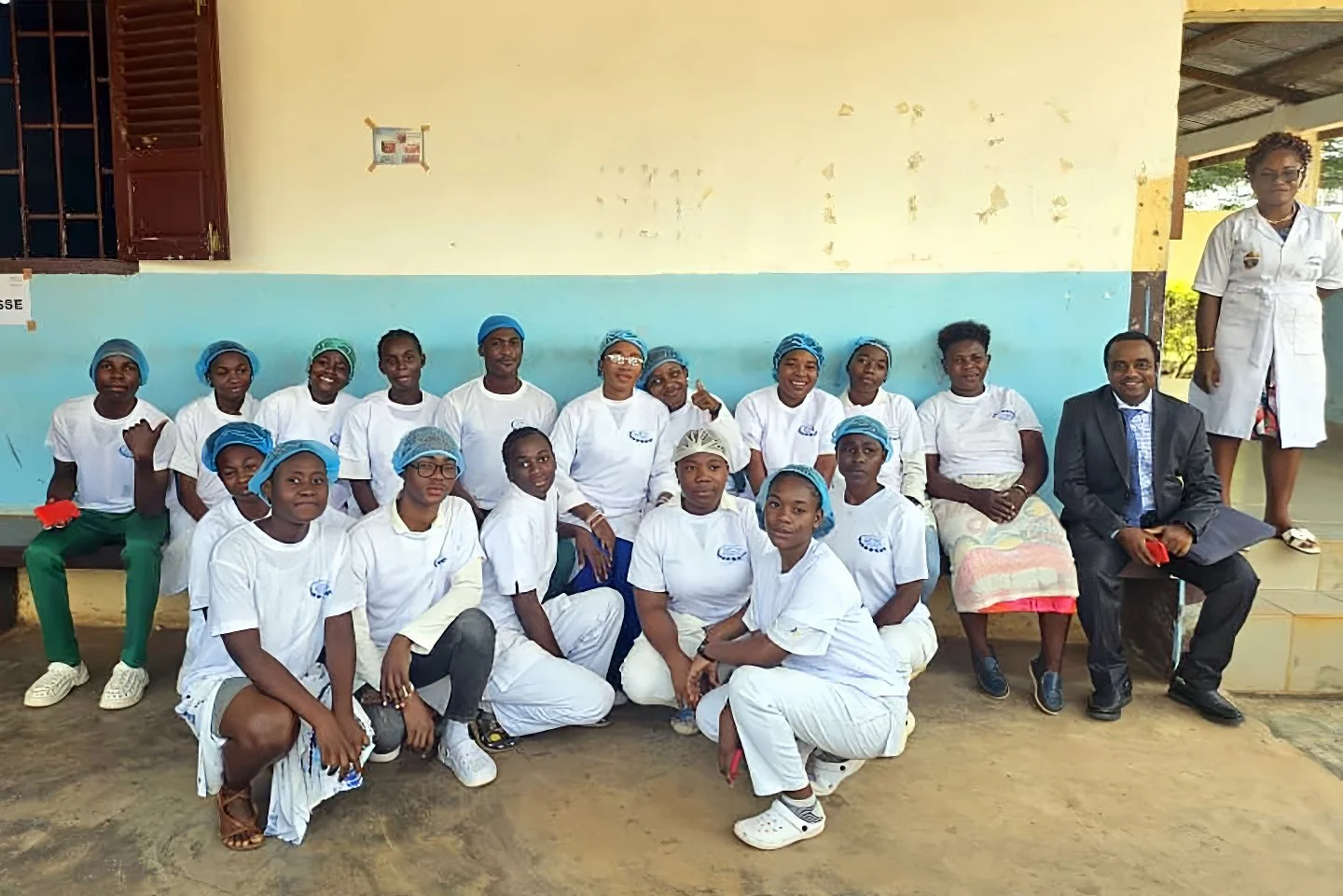
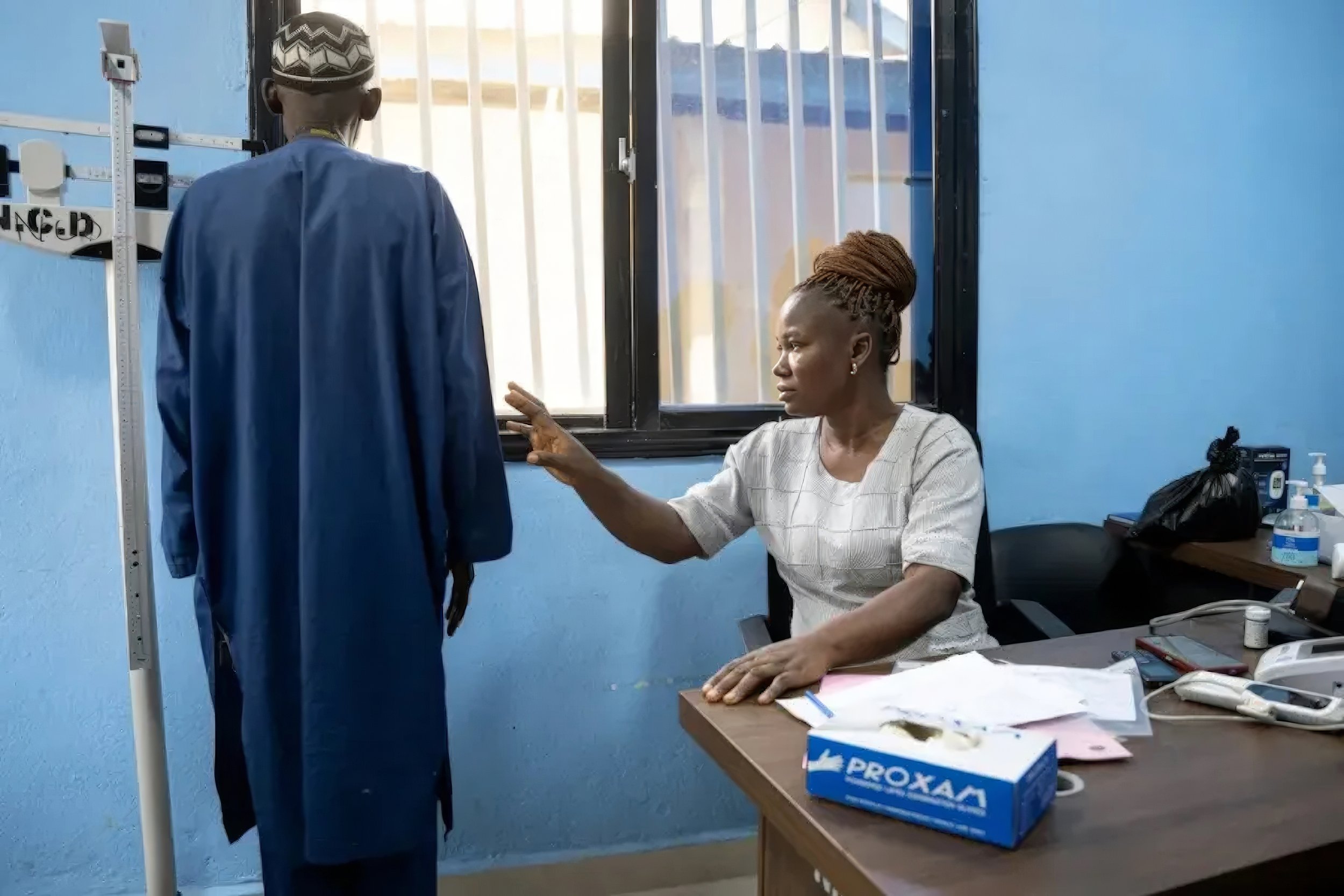
A recent training session showed that skills such as mentoring, proficiency in giving effective feedback, and being able to assess patient experiences accurately can be as vital to quality care as medical equipment and resources.
The clinics at Mfou and Djoum district hospitals arose from years of collaboration driven by Cameroon’s Ministry of Health and the WHO Regional Office for Africa, with boosts from an informal coalition of health officials in Francophone countries.
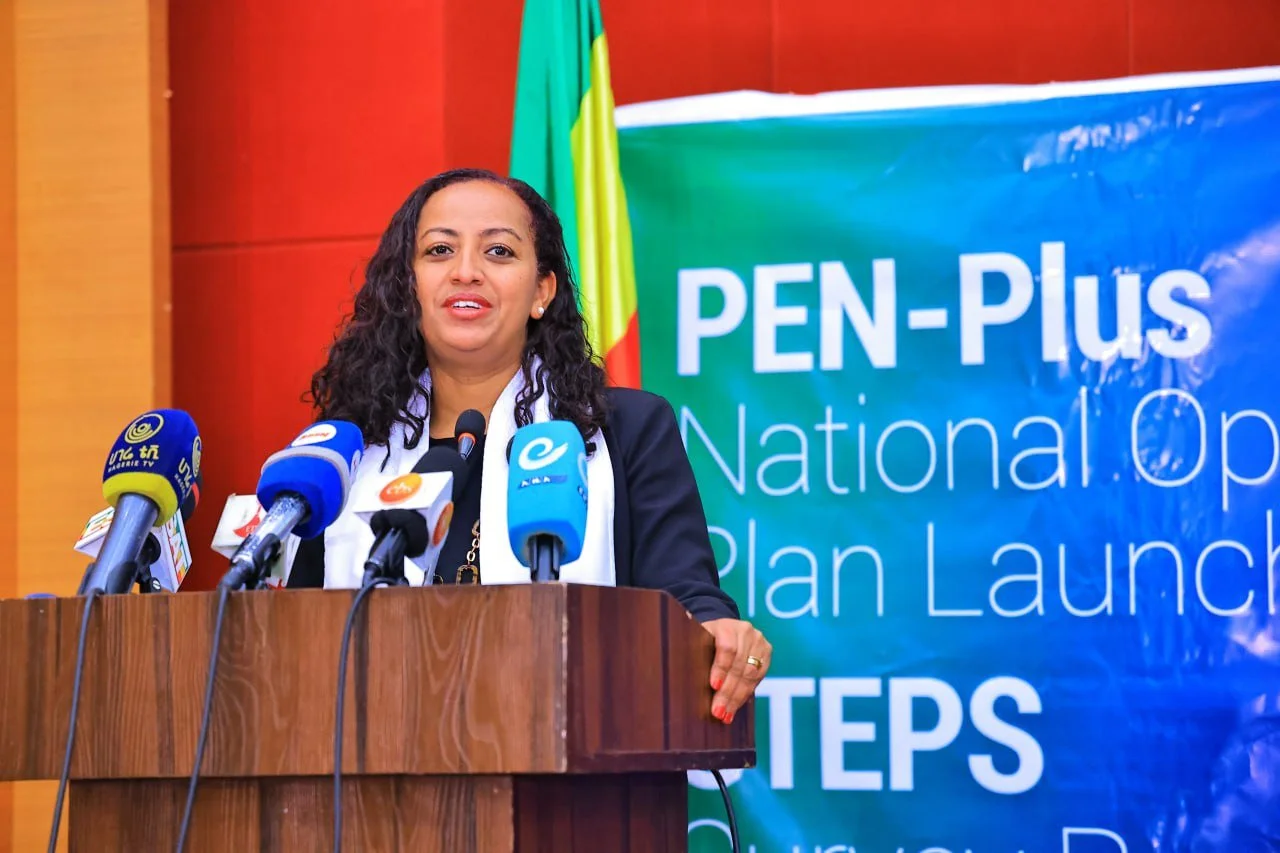
The NCDI Poverty Network joined with the Government of Ethiopia, the Mathiwos Wondu Foundation, the World Health Organization, and other partners in a recent ceremony to launch Ethiopia’s PEN-Plus National Operational Plan, marking another major milestone for the growth of PEN-Plus in sub-Saharan Africa.
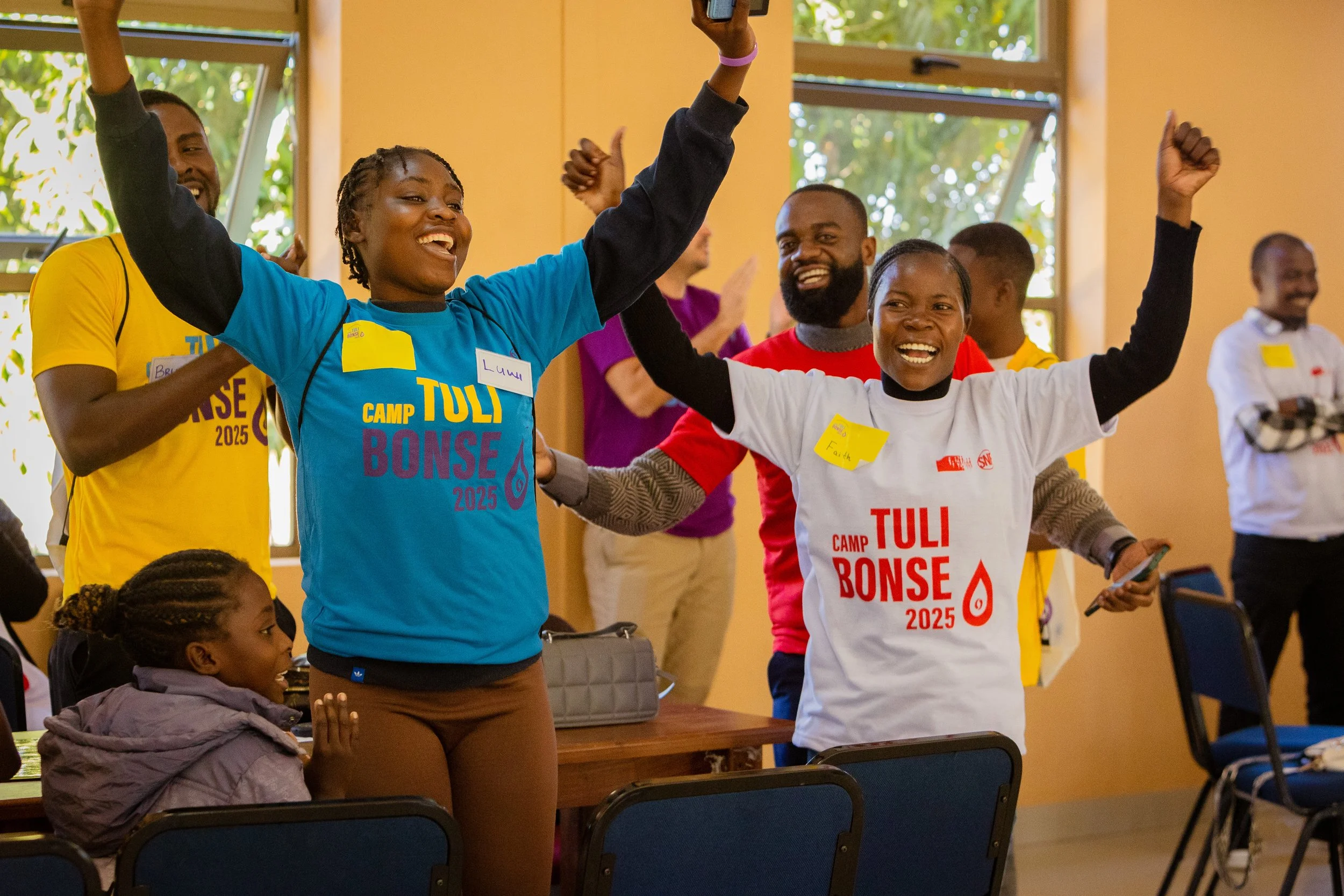
With peer support having proved to be a key component of PEN-Plus care, the NCDI Poverty Network is developing an integrated training program for peer educators. “We’ve seen beautiful examples of young people who are unafraid to speak boldly about their condition, to be advocates, to be champions,” said Dr. Colin Pfaff, the Network’s associate director of programs. “They are living successful lives and are examples to others, which has such a powerful impact.”
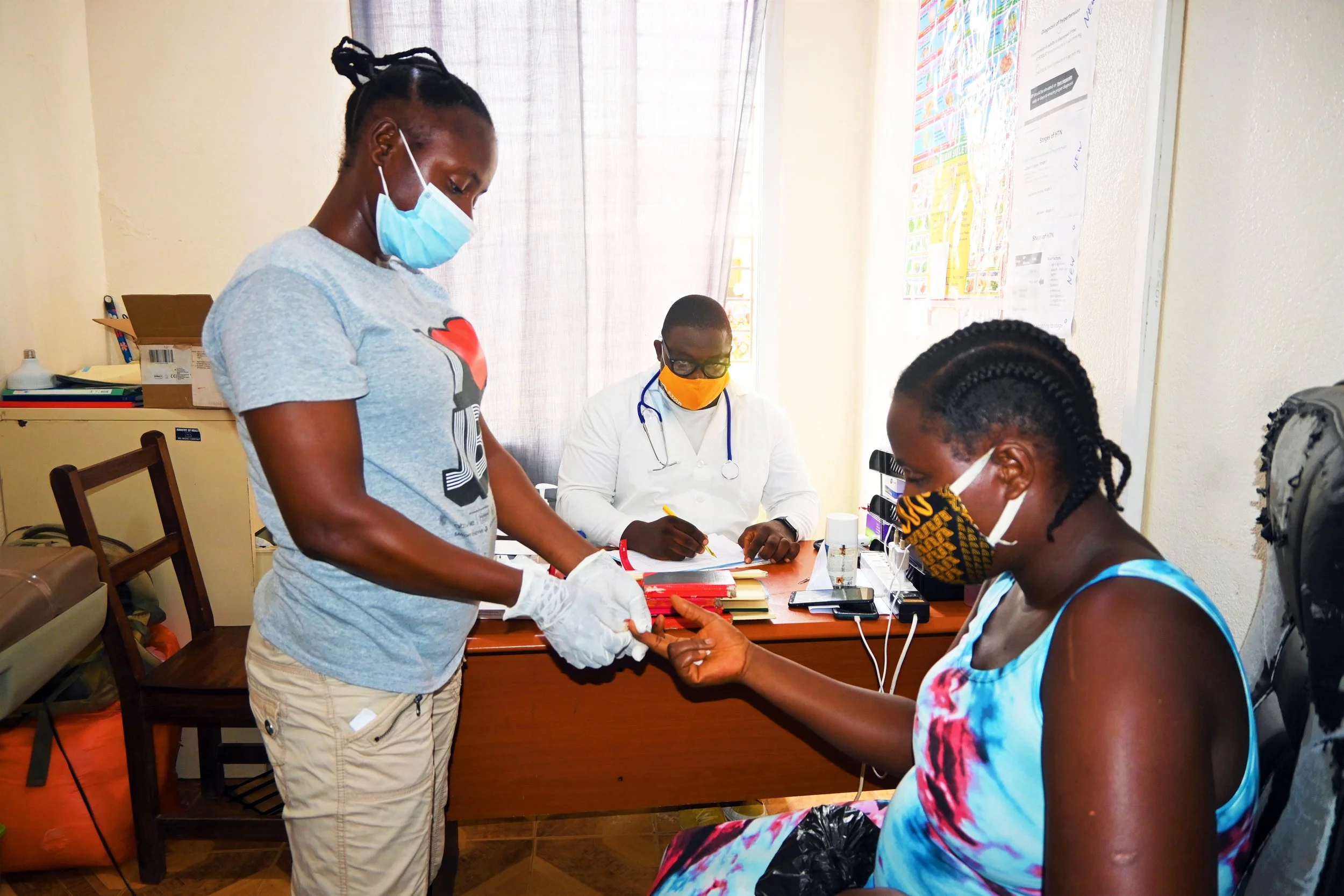
A recently published study found that patient education and peer support helped people living with type 1 diabetes in rural Liberia manage their disease. “Their extra barriers to health,” said Dr. Alma Adler, the Network’s research director, “make it even more critical for patients in low-resource settings to gain both problem-solving skills and a strong clinical understanding of their condition.”
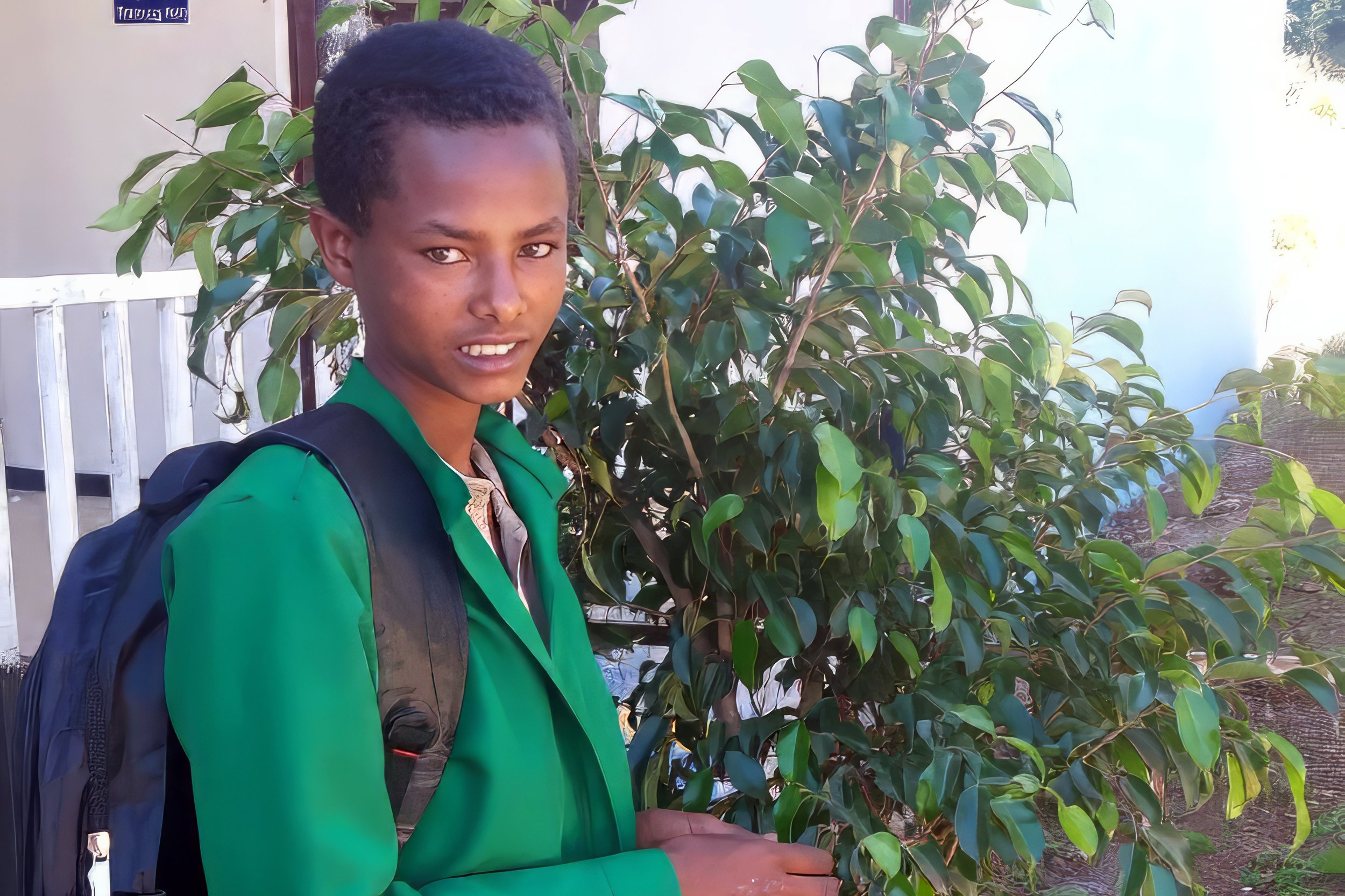
For several years, without funds for transportation or food, Yismaw Nigussie, a 15-year-old living in rural northern Ethiopia, would risk his health even getting to the clinic that provided treatment for his type 1 diabetes. Then a routine assessment changed the trajectory of his life.
Five years. Twenty-nine countries. Over a hundred PEN-Plus clinics. More than 14,000 patients. Together, the many collaborators that compose the NCDI Poverty Network deliver hope and healthcare to children, adolescents, and young adults navigating the dual challenges of poverty and severe, chronic noncommunicable diseases. And this is just the beginning.
The catchy, R&B-style track is providing new support and empowerment for people living with severe, chronic noncommunicable diseases such as type 1 diabetes.
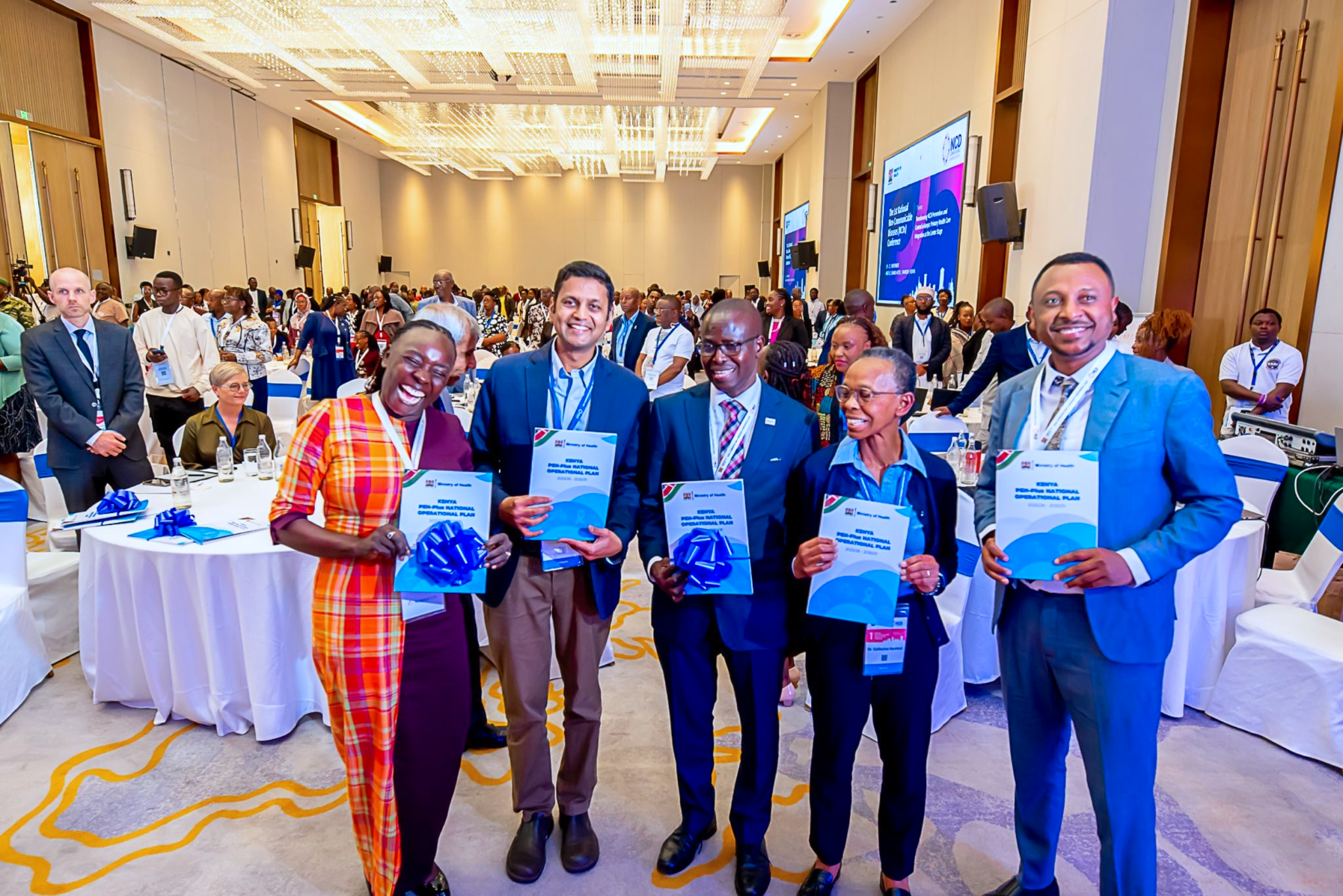
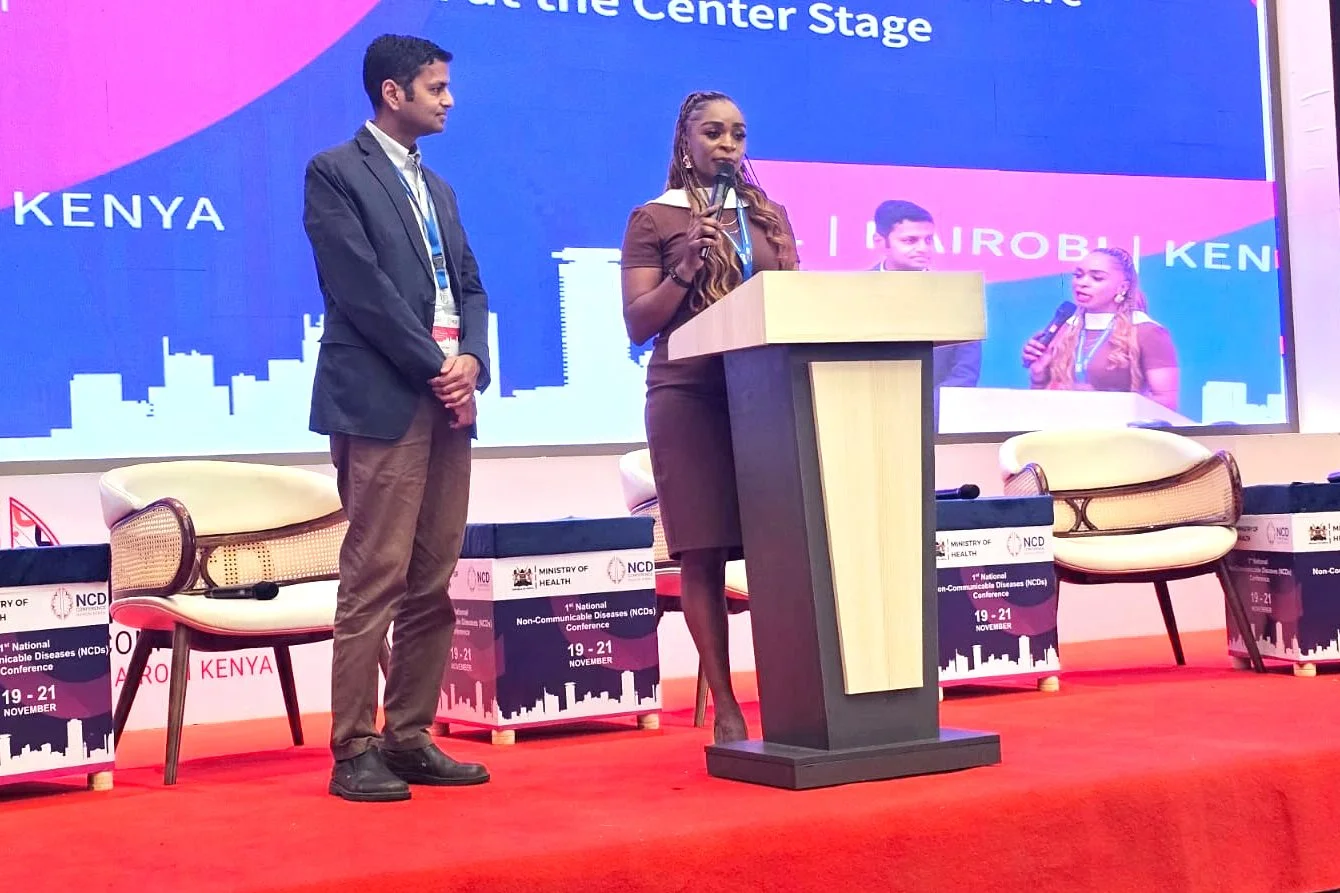
The Kenya Ministry of Health, NCD Alliance Kenya, NCDI Poverty Network, and partners convened for Kenya’s inaugural National NCD Conference, which featured the launch of a PEN-Plus National Operational Plan.
A new initiative to strengthen global collaboration and research on noncommunicable disease care in low- and middle-income countries marks “an important milestone for scientific cooperation between Europe and Africa.”
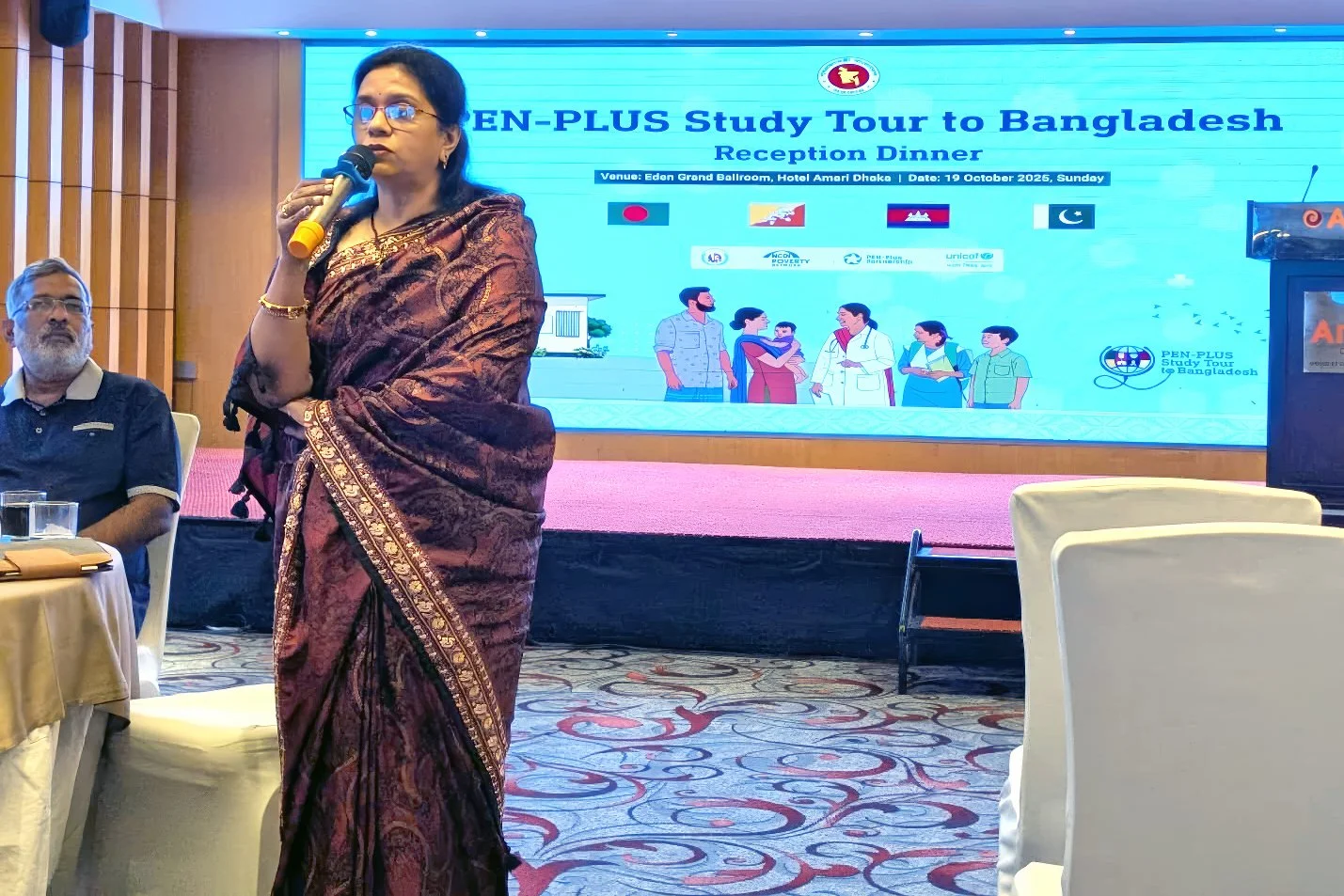
The October tour showed the strong work of a relatively young PEN-Plus program that is poised for growth, reflecting the adaptability of the integrated model of care for noncommunicable diseases.
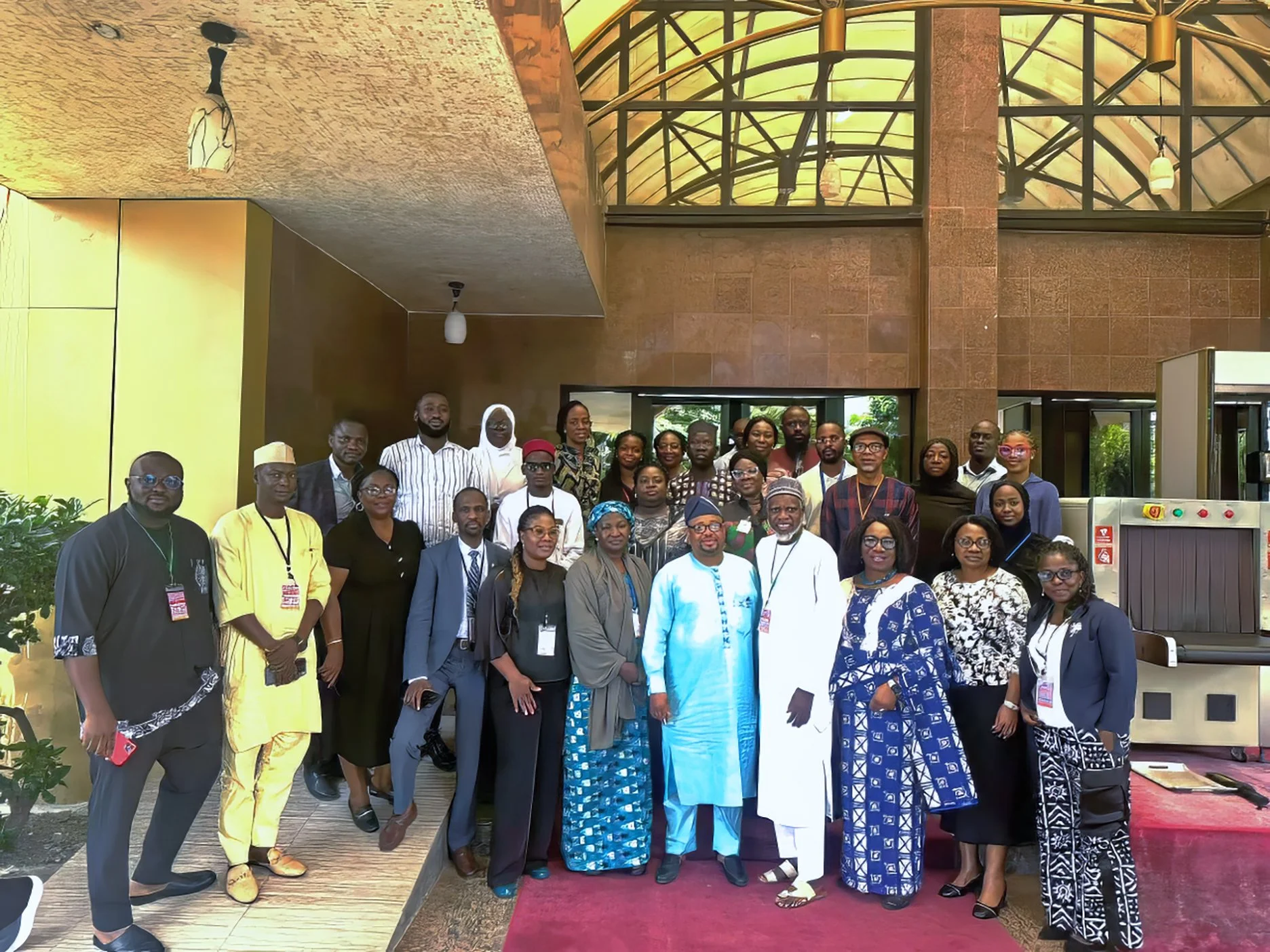
The same week that global policy talks on noncommunicable diseases were taking place at the United Nations General Assembly in New York City, health leaders in Abuja, Nigeria, were marking progress in being able to provide care for people living with severe, chronic NCDs through PEN-Plus.
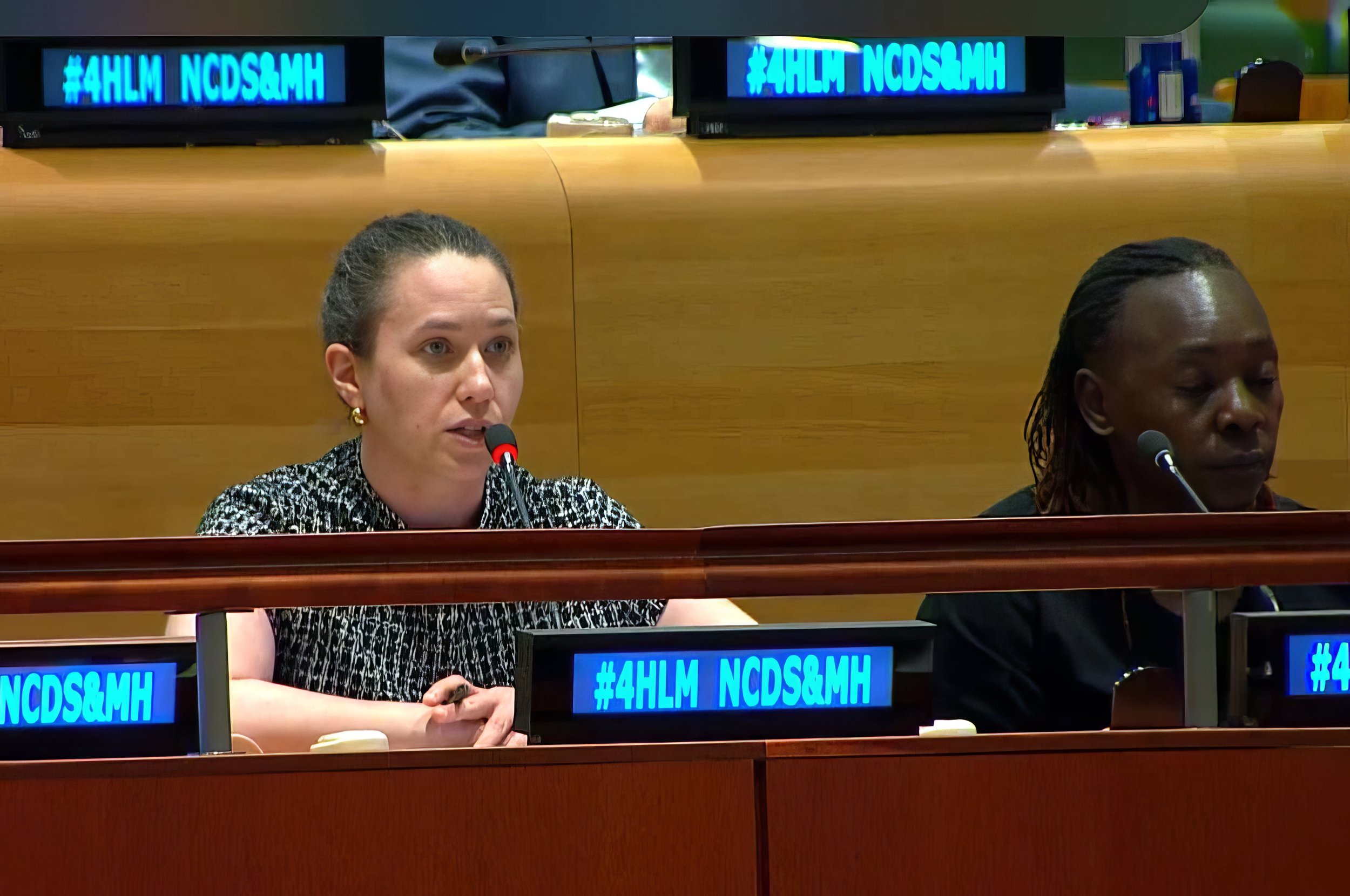
During the opening plenary of the Sept. 25 High-Level Meeting on NCDs and Mental Health, at the UN General Assembly in New York City, repeated mentions of PEN-Plus as a successful strategy for addressing NCDs formed a show of unity in a week often noted for dissension.
Zambia health officials recently opened the country’s fourth and fifth PEN-Plus clinics, marking both occasions within weeks of launching the country’s national operating plan for the care of people living with severe noncommunicable diseases. Both new clinics have received support from the Scottish Government.
In a launch event in late July, the Republic of Somaliland announced a partnership with the NCDI Poverty Network to support people living with severe, chronic noncommunicable diseases through PEN-Plus. In a statement, the Ministry of Health Development of the Republic of Somaliland noted the partnership “marks a significant step forward in strengthening the ministry’s efforts to improve health services, particularly in addressing noncommunicable diseases.”
The second International Conference on PEN-Plus in Africa positioned Nigeria as a leading advocate for PEN-Plus across the African continent, media coverage of the July conference showed.
Zambia health officials recently took a significant step forward in PEN-Plus implementation with the launch of a national operational plan to support and expand care for people living with severe, chronic noncommunicable diseases. The Centre for Infectious Disease Research in Zambia, or CIDRZ, a PEN-Plus implementing partner working with the NCDI Poverty Network, hosted a launch event in Lusaka.
Dr. Ana Mocumbi, co-chair of the NCDI Poverty Network, recently received the Republic of Mozambique’s Medal of Merit for Science and Technology. The honor recognizes her outstanding contributions to science, technology, and innovation in Mozambique.
Health officials from several French-speaking countries in western and central Africa have begun meeting in a new webinar series to share—in French—their challenges and successes in expanding care for people living with severe noncommunicable diseases. The new series solidifies a groundbreaking collaboration that began with a February study tour in Sierra Leone.
On behalf of the NCDI Poverty Network, Rachel Gasana, senior director of advancement, testified at the multistakeholder hearing on noncommunicable diseases, held at the United Nations Headquarters in New York City. The Network was one of 70 organizations selected to deliver testimonies as a prelude to the United Nations High-Level Meeting on NCDs in September.
In just the past several months, the NCDI Poverty Network has grown from 23 partner countries to 27, with the most recent additions being Eswatini, Lesotho, Niger, and Somaliland.
An audience of patients, clinicians, Ministry of Health officials, and community members recently gathered to celebrate a historic milestone for Sierra Leone: the launch of a purpose-built PEN-Plus clinic at Koidu Government Hospital. Partners In Health, the implementing partner for PEN-Plus in Koidu, has published an account of the clinic’s services.
Zimbabwe recently finalized its national operational plan for PEN-Plus, becoming the first country to do so among the dozen nations that began implementing PEN-Plus in 2022–23. “This plan shows the great commitment of Zimbabwe’s Ministry of Health and its supporting partners to take the lessons learned from its initial experience with PEN-Plus to the next level,” said Dr. Neil Gupta, senior director of policy for the NCDI Poverty Network.
Dr. Neil Gupta, a pediatrician and the senior director of policy at the NCDI Poverty Network, will join a panel of healthcare providers in an upcoming webinar that explores how PEN-Plus affects the care of children living with severe NCDs. The International Pediatric Association is hosting the webinar on March 25.
A “game-changing” study tour of a PEN-Plus clinic in Sierra Leone introduced Ministry of Health officials from six other Francophone nations to the role integration can play in providing quality care for people living with severe noncommunicable diseases in low- and lower-middle-income countries.
The NCDI Poverty Network—through one of its co-secretariats, the Center for Integration Science in Global Health Equity at Brigham and Women’s Hospital—has joined UNICEF in publishing a report on the burden on noncommunicable diseases on children, adolescents, and young adults in South Asia.
After several years of hard work, members of the Nigeria NCDI Poverty Commission have published their final Phase 1 report.
The NCDI Poverty Commission of the Democratic Republic of the Congo has published its final Phase 1 report.
In recognition of World Sickle Cell Day on June 19, a Lancet Haematology editorial cited both PEN-Plus and the first International Conference on PEN-Plus in Africa as initiatives that can help ensure improved access to diagnosis, treatment, and care for people living with sickle cell disease in low- and middle-income countries.