Malawi NCDI Poverty Commission
The Malawi NCDI Poverty Commission is co-chaired by Dr. Jones Kaponda Masiye (Ministry of Health, Malawi) and Dr. Emily Wroe (Partners In Health and NCDI Poverty Network), and composed of representatives from the Ministry of Health and supporting partners. Expert commissioners hail from the Malawi National NCD and Mental Health Unit, Kamuzu Central Hospital, Queen Elizabeth Central Hospital, Mzuzu Central Hospital, University of Malawi - College of Medicine, Partners In Health, Dignitas International, MEIRU, Lighthouse Trust, and Baobab Health Trust.
The Commission met for the second time in Lilongwe in February 2019 to discuss data analysis progress and set priority NCDI conditions. The meeting was broken into two workshops. In the first, Commissioners worked on determining a list of priority conditions based on Global Burden of Disease data and considering different metrics of burden and severity of disease and poverty. Commissioners then met in small groups and discussed the role of the identified conditions in the Malawian context. The second workshop focused on determining effective interventions known in Malawi or elsewhere that tackled these conditions. Moving forward, the Commission will finalize a list of priority conditions and interventions. Next steps will be to collect financial data on these interventions so that the Commission can advocate for priority interventions.
Commission Membership
Co-Chairs
Jones Kaponde Masiye - Deputy Director, Noncommunicable Disease, Ministry of Health, Malawi
Emily Wroe - Chief Medical Officer, Partners In Health Malawi
Commissioners
Alemayehu Ambersir - Epidemiologist, Dignitas International
Grace Banda - Emergency Medicine Specialist, Queen Elizabeth Central Hospital
Josh Berman - Research & Knowledge Translation Manager, Dignitas International
Sosten Chilumpha - Independent Consultant
John Chipolobwe - Physician, Mzuzu Central Hospital
Lilian Chunda - Head of the Medical Department, Kamuzu Central Hospital
Mia Crampin - Director, MEIRU
Katie Cundale - Research Fellow, Partners In Health Malawi
Luckson Dullie - Executive Director, Malawi, Partners In Health/Abwenzi Pa Za Umoyo
Beth Dunbar - Director of Monitoring and Evaluation, Partners In Health/Abwenzi Pa Za Umoyo
Satish Gopal - Cancer Program Director, Queen Elizabeth Central Hospital/ UNC Project-Malawi
Noel Kasomekera - NCD Technical Assistant, Ministry of Health, Malawi/Partners In Health
Chawanangwa Lupafya - Product Manager, Baobab Health Trust
Ronald Manjomo - Monitoring, Evaluation & Research, Baobab Health Trust
Leo Masamba - Oncologist, Queen Elizabeth Central Hospital
Jones Masiye - Ministry of Health, Malawi
Adamson Muula - Professor of Epidemiology and Public Health, College of Medicine - University of Malawi
Beatrice Mwagomba - Medical Director, Lighthouse Trust
Dan Namarika - Secretary for Health, Ministry of Health
Dominic Nkhoma - Chief of Planning, Ministry of Health
Moffat Nyirenda - NCD Theme Lead, MRC-UVRI Uganda
Colin Pfaff - District Medical Director, Dignitas International
Sam Phiri - Director, Lighthouse Trust
Michael Udedi - Assistant Director of NCDs and Mental Health, Ministry of Health, Malawi
Malawi Updates
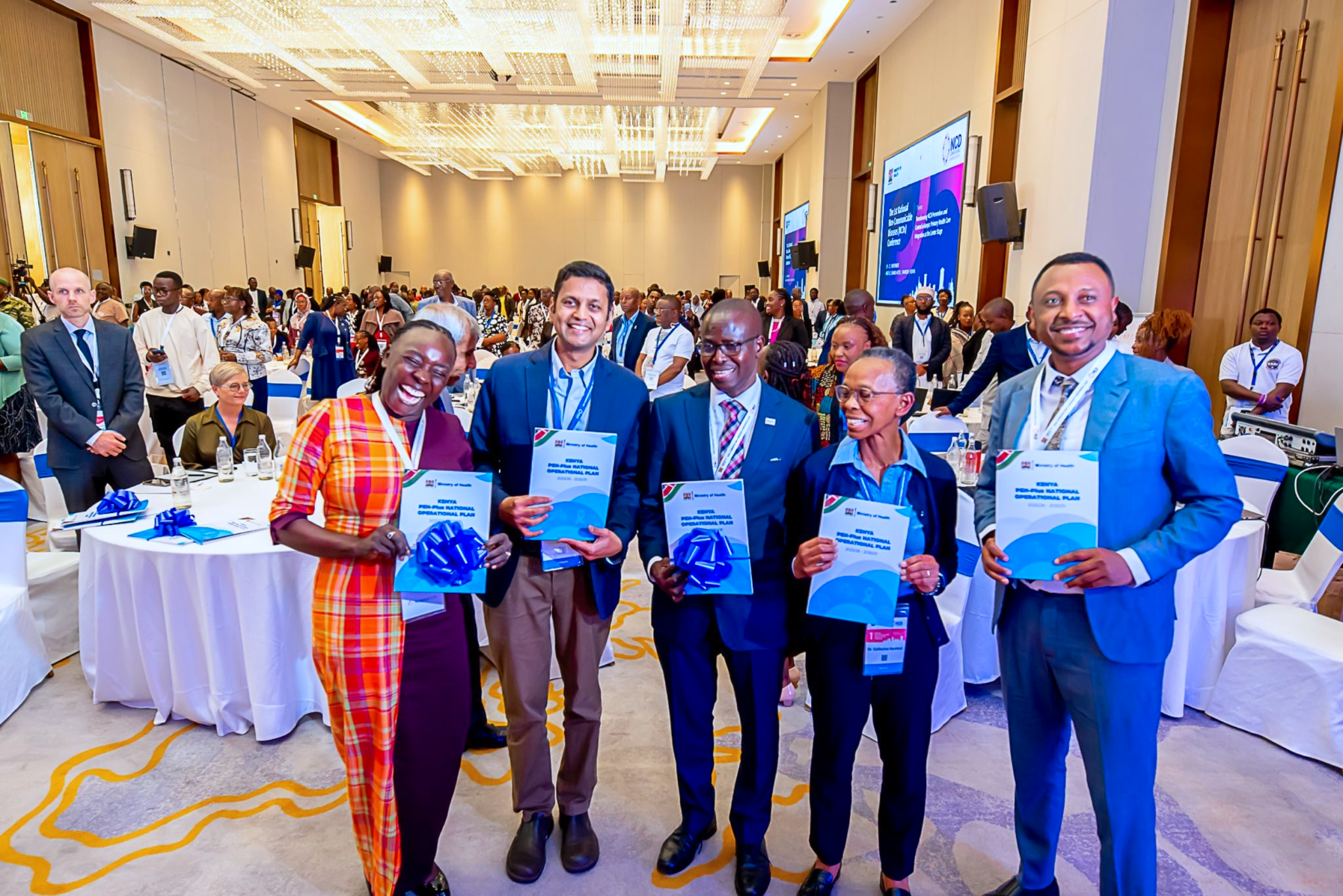
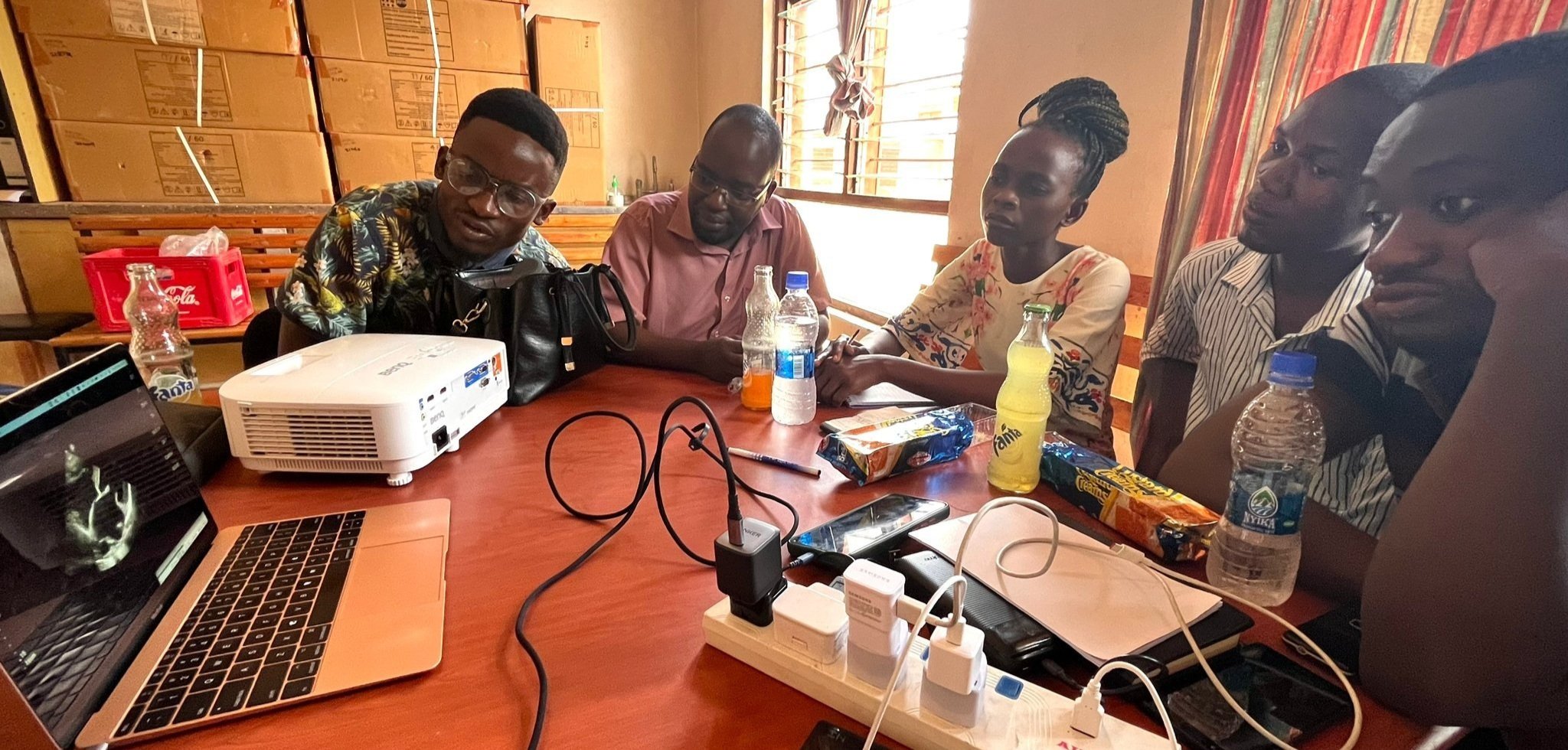
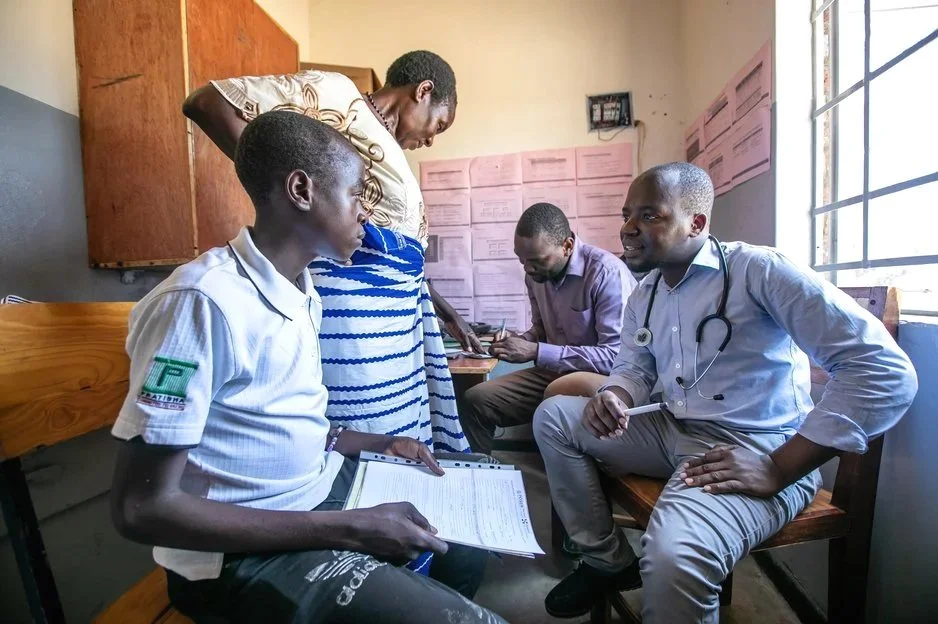
A recent training session showed that skills such as mentoring, proficiency in giving effective feedback, and being able to assess patient experiences accurately can be as vital to quality care as medical equipment and resources.
Five years. Twenty-nine countries. Over a hundred PEN-Plus clinics. More than 14,000 patients. Together, the many collaborators that compose the NCDI Poverty Network deliver hope and healthcare to children, adolescents, and young adults navigating the dual challenges of poverty and severe, chronic noncommunicable diseases. And this is just the beginning.
During the opening plenary of the Sept. 25 High-Level Meeting on NCDs and Mental Health, at the UN General Assembly in New York City, repeated mentions of PEN-Plus as a successful strategy for addressing NCDs formed a show of unity in a week often noted for dissension.
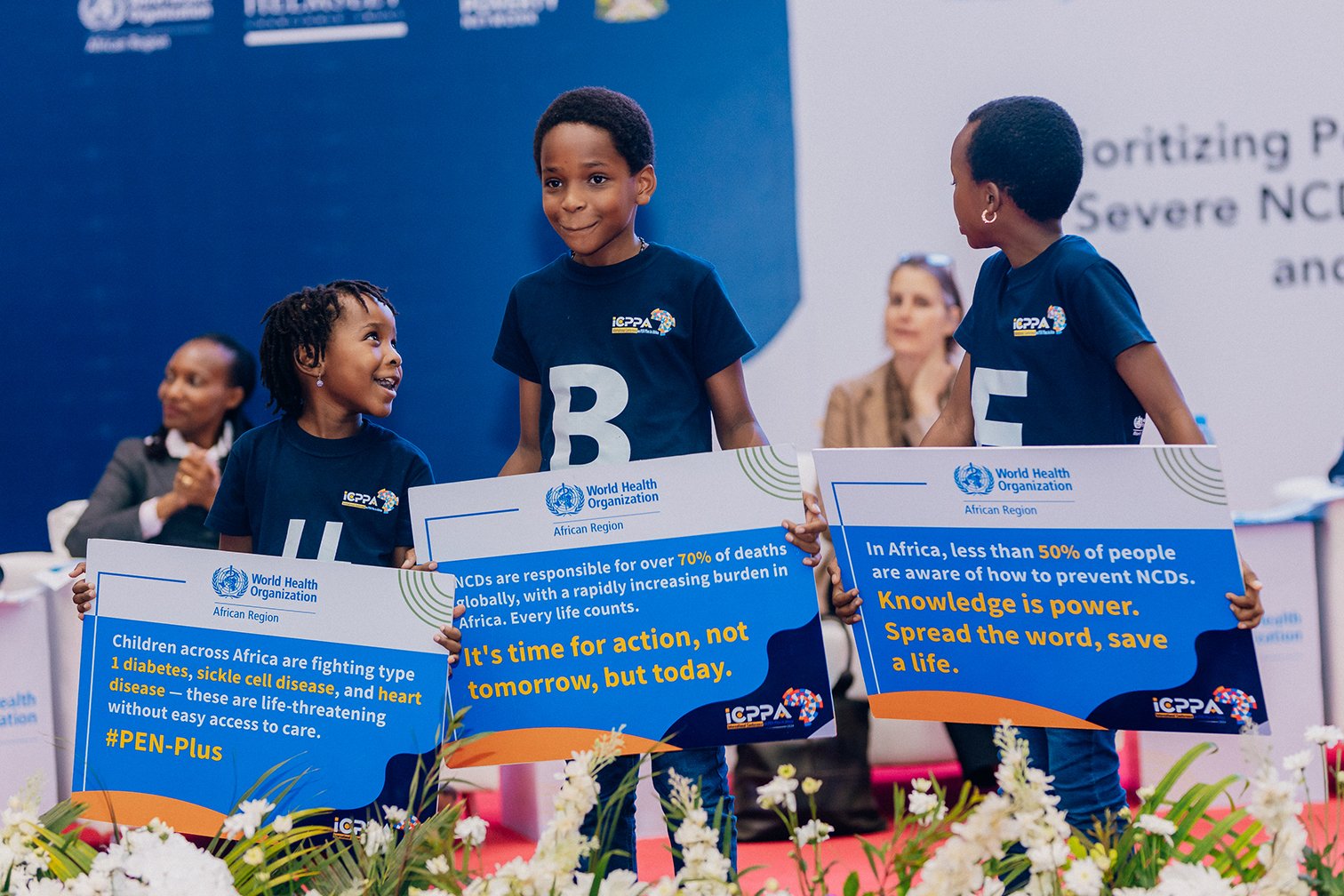
At the second International Conference for PEN-Plus in Africa, recently held in Abuja, health leaders, policymakers, and development partners across Africa renewed their commitment to an accelerated implementation of the PEN-Plus to significantly expand access to care for people living with severe noncommunicable diseases.
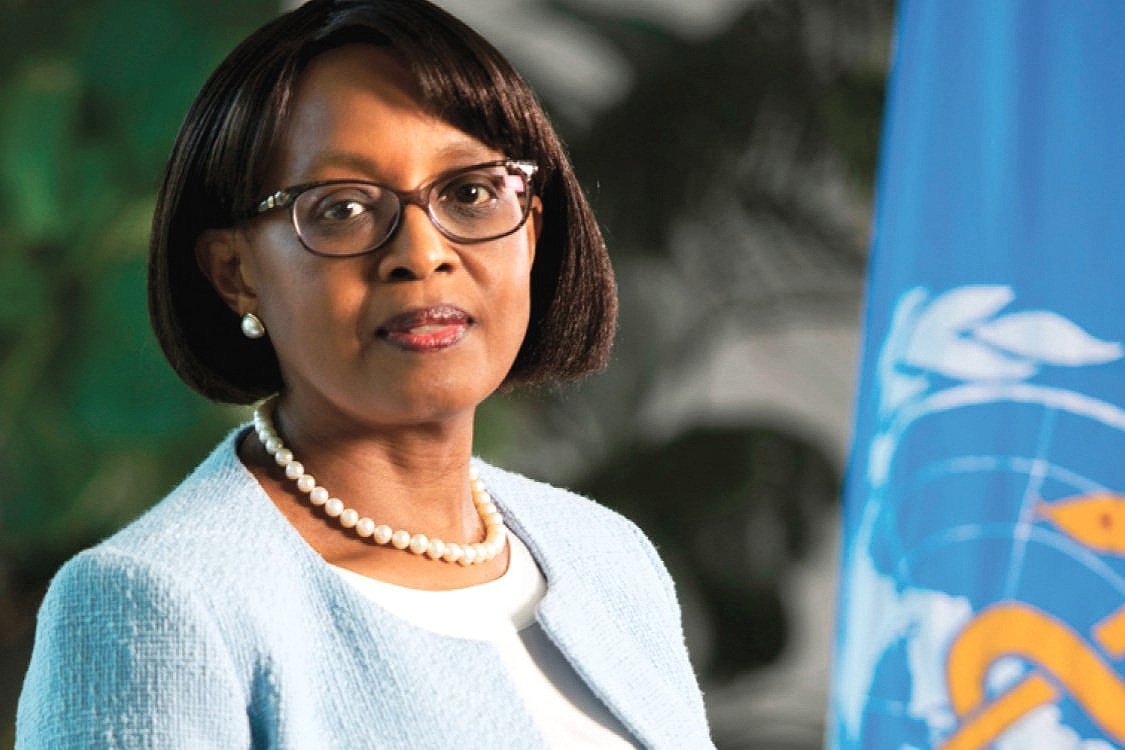
The WHO Regional Office for Africa recently published a landmark report that details the impact and momentum of the PEN-Plus model, providing a valuable tool for advocacy and information about integrated care for people living with severe, chronic noncommunicable diseases.
NCDI Poverty Network members joined other researchers in assessing a mental health intervention that was integrated into an existing model of chronic care in Malawi. They found that such interventions can be inexpensive if they build off an existing infrastructure, involve lay personnel, and deliver therapy in a group format.
A recently published study of people living with type 1 diabetes in two rural clinics in Malawi found a high level of acceptability and satisfaction among those using continuous glucose monitoring, suggesting that the technology is feasible in low-income settings.
The first International Conference on PEN-Plus in Africa provided a platform for health experts, policymakers, civil society organization representatives, donors, people living with noncommunicable diseases, and community advocates to expedite political and financial backing for PEN-Plus.
Integration science can do more than deliver quality healthcare; it can also deliver global health equity solutions. That’s the central premise of “From Local Innovation to National Scale to Global Impact: Integration Science as an Engine of Change and an Agenda for Action,” the second annual symposium of the Center for Integration Science in Global Health Equity.
“It is inconceivable that a 20-year-old man would weigh only 55 pounds,” said Bright Mailosi, a specialist in noncommunicable diseases. “So much could have been done to intervene when he was first diagnosed with type 1 diabetes. Although I wish PEN-Plus had arrived in Karonga years earlier, I’m excited that we’ve changed the narrative of how complex NCDs are managed in rural areas.”
The NCDI Poverty Network and the Centre for Infectious Disease Research in Zambia (CIDRZ) hosted a side event, “PEN-Plus Partnership: An NCDI Poverty Network Initiative in Partnership with WHO/AFRO,” on 29 November at the 3rd International Conference on Public Health in Africa, held in Lusaka, Zambia.
The Southern Africa Regional Hub of the NCDI Poverty Network and the Centre for Infectious Disease Research in Zambia (CIDRZ) will co-host a side event during the Third Annual International Conference on Public Health in Africa (CPHIA), which will take place at the Mulungushi International Conference Center in Lusaka, Zambia, on 27–30 November.
Efforts to expand PEN-Plus across sub-Saharan Africa received a major boost today, when the Leona M. and Harry B. Helmsley Charitable Trust announced a $9 million grant to the World Health Organization Regional Office for Africa to expand care for people living with severe noncommunicable diseases (NCDs).
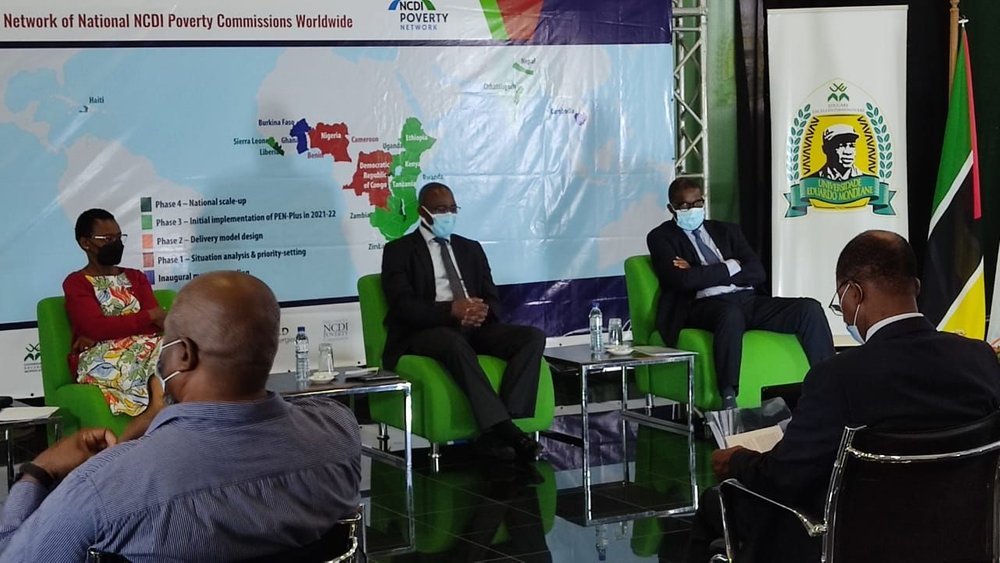
The Maputo co-secretariat of the NCDI Poverty Network, based at Universidade Eduardo Mondlane, hosted an event marking the first anniversary of the establishment of both the Southern Africa Regional Hub and the Maputo co-secretariat of the NCDI Poverty Network on 1 February. The event encouraged discussion on how the Hub can support countries in the region in implementing the PEN-Plus model.
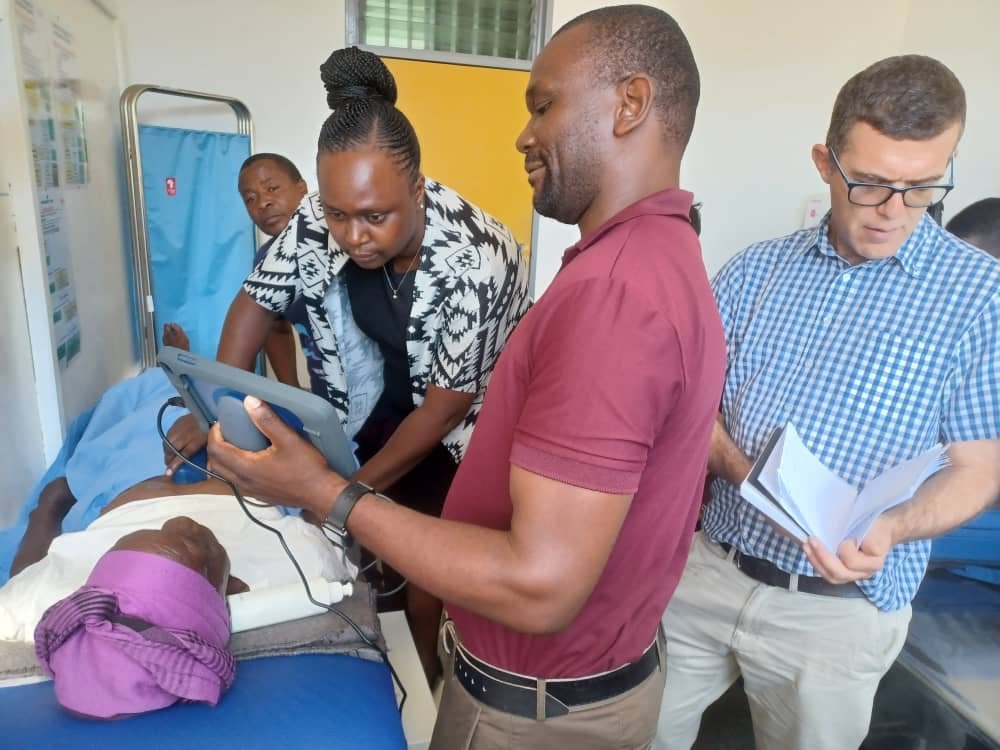
As part of Malawi’s efforts to scale up PEN-Plus nationally, clinical officers and nurses from two expansion sites in Salima and Karonga recently completed two weeks of echocardiography training at the PEN-Plus training site and clinics established in Neno by the Ministry of Health and Partners In Health Malawi.
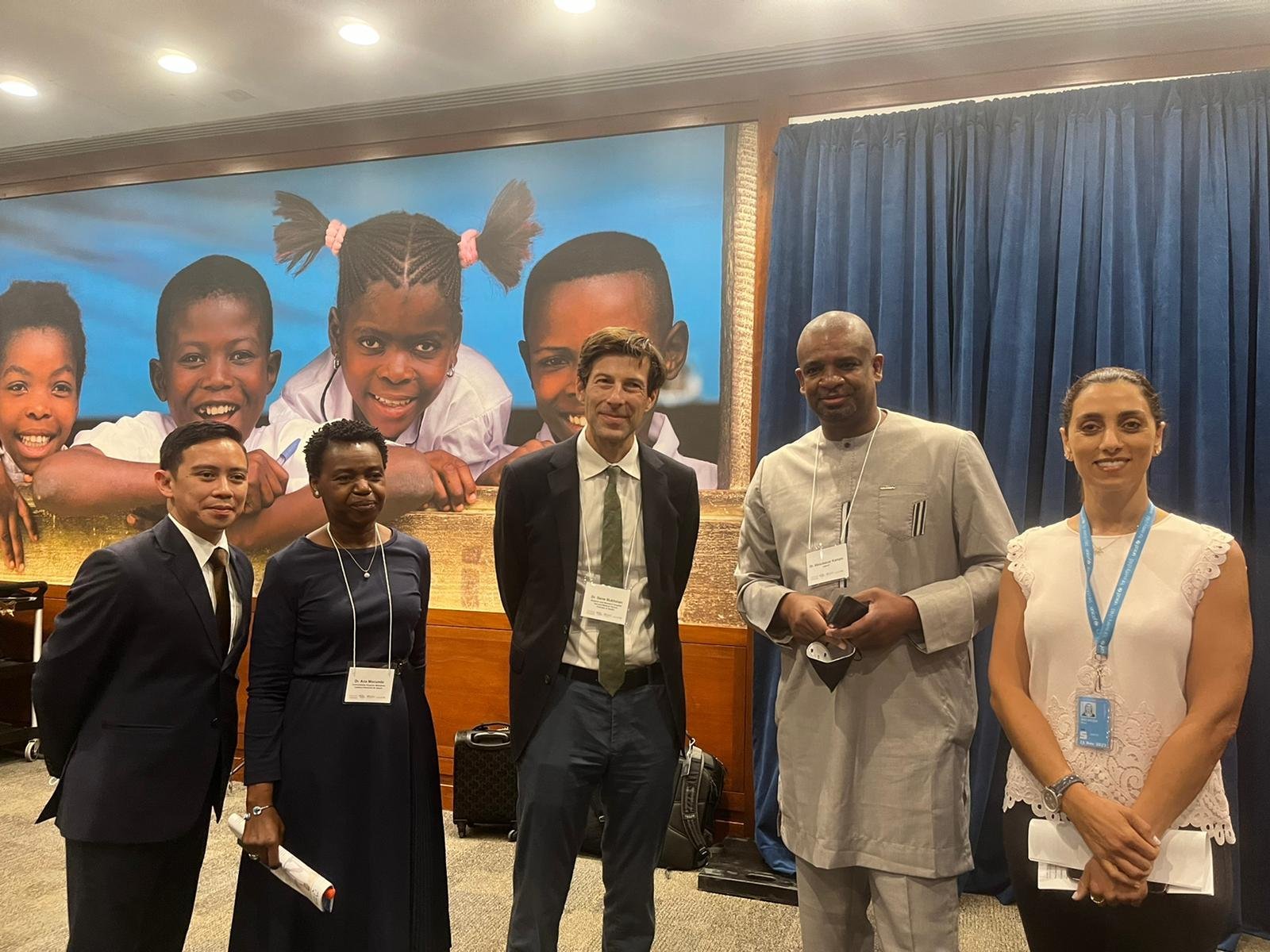
More than 60 representatives of leading global health policy, technical, advocacy, and financing institutions and people living with NCDs gathered at UNICEF House in New York on September 15, 2022, to introduce the PEN-Plus Partnership, a major international initiative to address the global burden of severe NCDs and injuries that cause more than 500,000 avoidable deaths every year among children and young adults living in extreme poverty.
Leading NCDI policy makers, researchers, care providers, and advocates, including the Minister of Health, His Excellency Dr. Armindo Tiago, and Dr. Orlando António Quilambo, Rector of Universidade Eduardo Mondlane (UEM), convened in Maputo on 27 October for the launch of the Mozambique Co-Secretariat and Southern Africa Regional Hub of the NCDI Poverty Network, which will be based at UEM.
The stepped-wedge cluster randomized controlled trial evaluated expanding an existing HIV and tuberculosis community health worker program to include NCDs, malnutrition, and tuberculosis screening, as well as family planning and antenatal care.
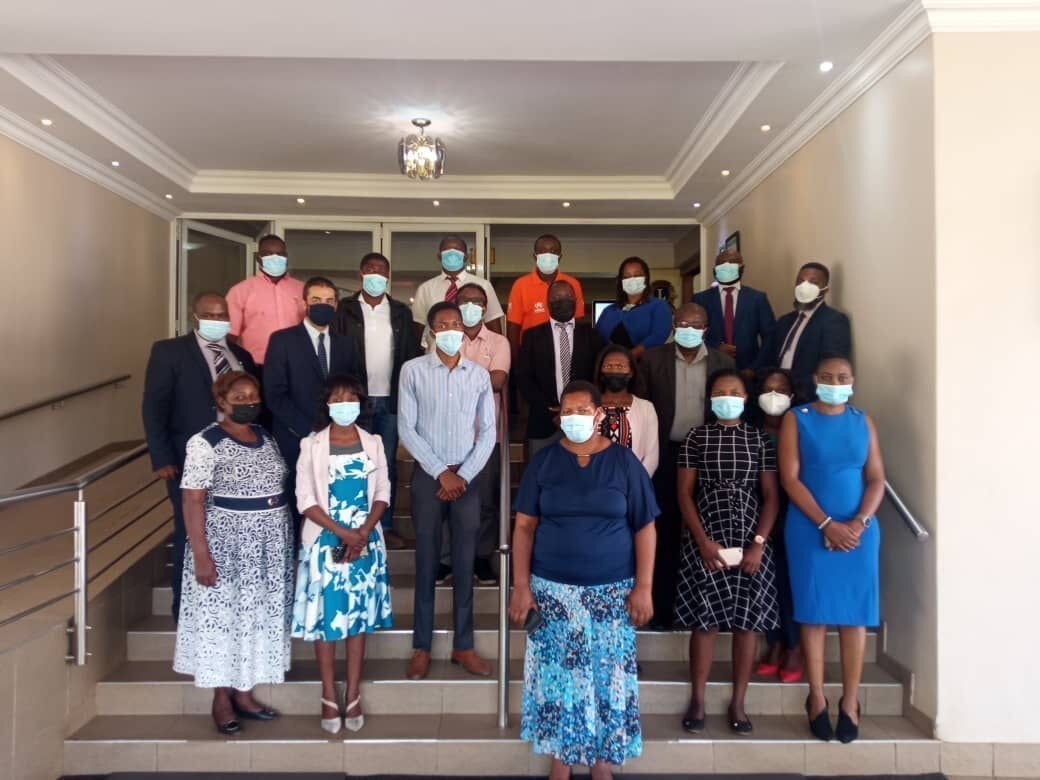
The Malawi PEN-Plus Steering Committee held its first meeting on 16 September 2021. The Steering Committee will oversee implementation of the Malawi PEN-Plus Operational Plan adopted in May.
On May 27, 2021, Malawi took a major step toward national scale-up of integrated chronic care services at district hospitals for severe NCDs affected children and young adults with the official launch of its PEN-Plus Operational Plan.
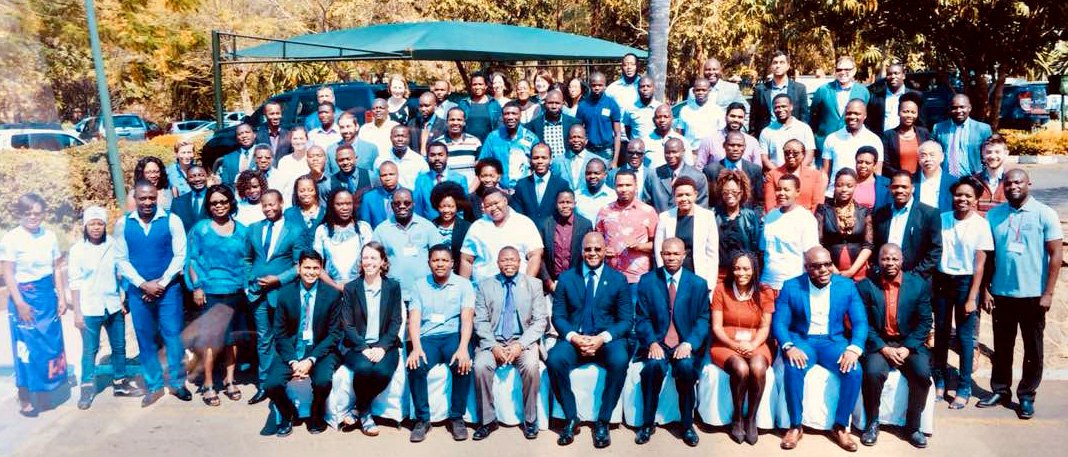
Malawi's Minister of Health and Population, the Honorable Atupele Muluzi (front row center, in the photo above), formally launched the Malawi NCDI Poverty Commission Report on August 21, at an event attended by over 100 stakeholders at the Sunbird Capital Hotel in Lilongwe.