Mozambique
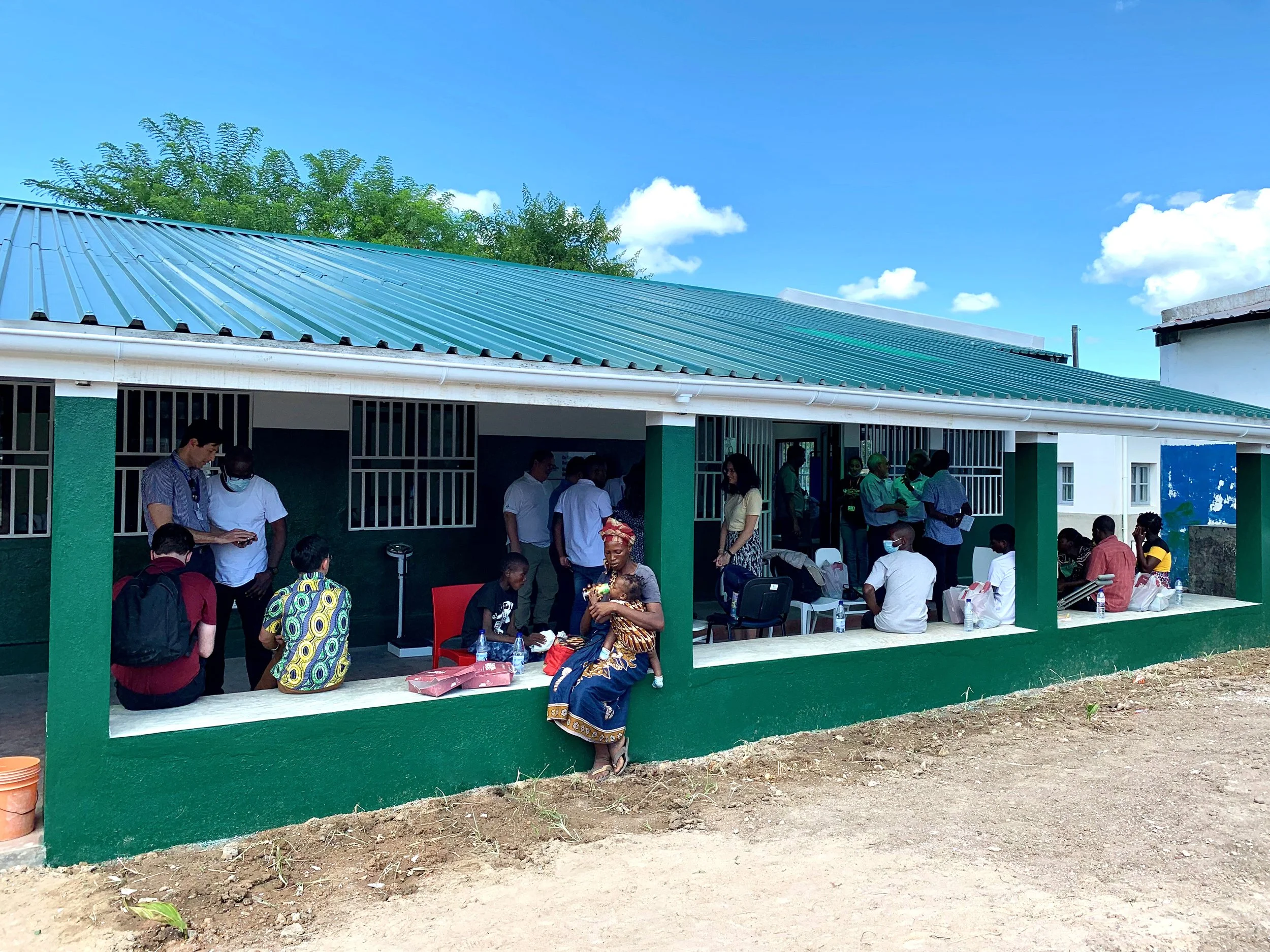
The Mozambique NCDI Poverty Commission published its national report, “Chronic and Non-Communicable Diseases in Mozambique: An Equity Control Initiative for Non-Communicable Diseases and Trauma,” in 2018. Universidade Eduardo Mondlane, the Maputo-based co-secretariat of the NCDI Poverty Network, launched the country’s first PEN-Plus clinic in Nhamatanda, pictured above, in early 2023.
Mozambique Updates
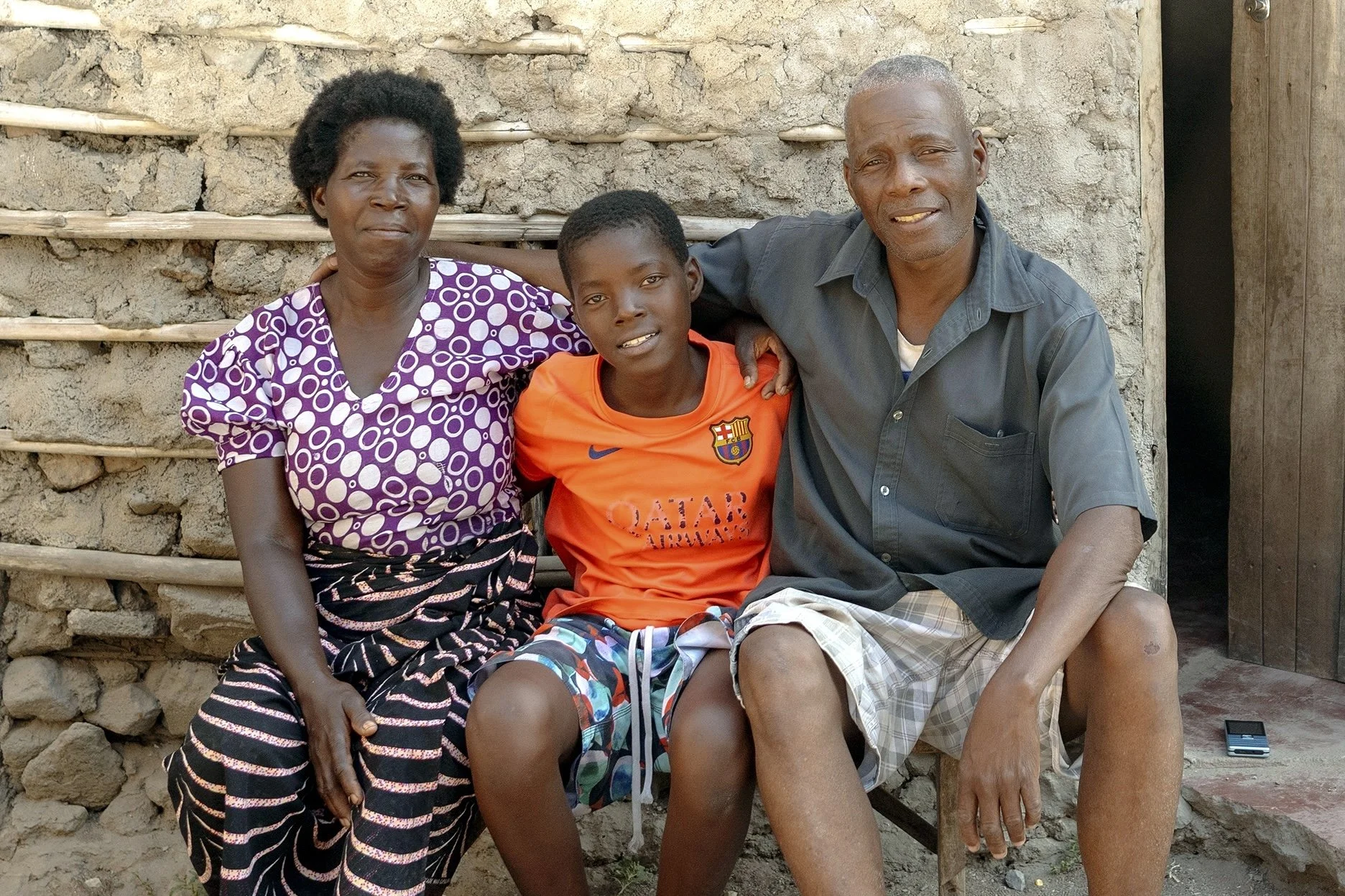
At just 15 years old, António Joaquim has already faced a life-threatening condition. His story of resilience and recovery illustrates the challenges of accessing timely diagnoses for noncommunicable diseases in low-resource settings—and the impact of integrated care models such as PEN-Plus.
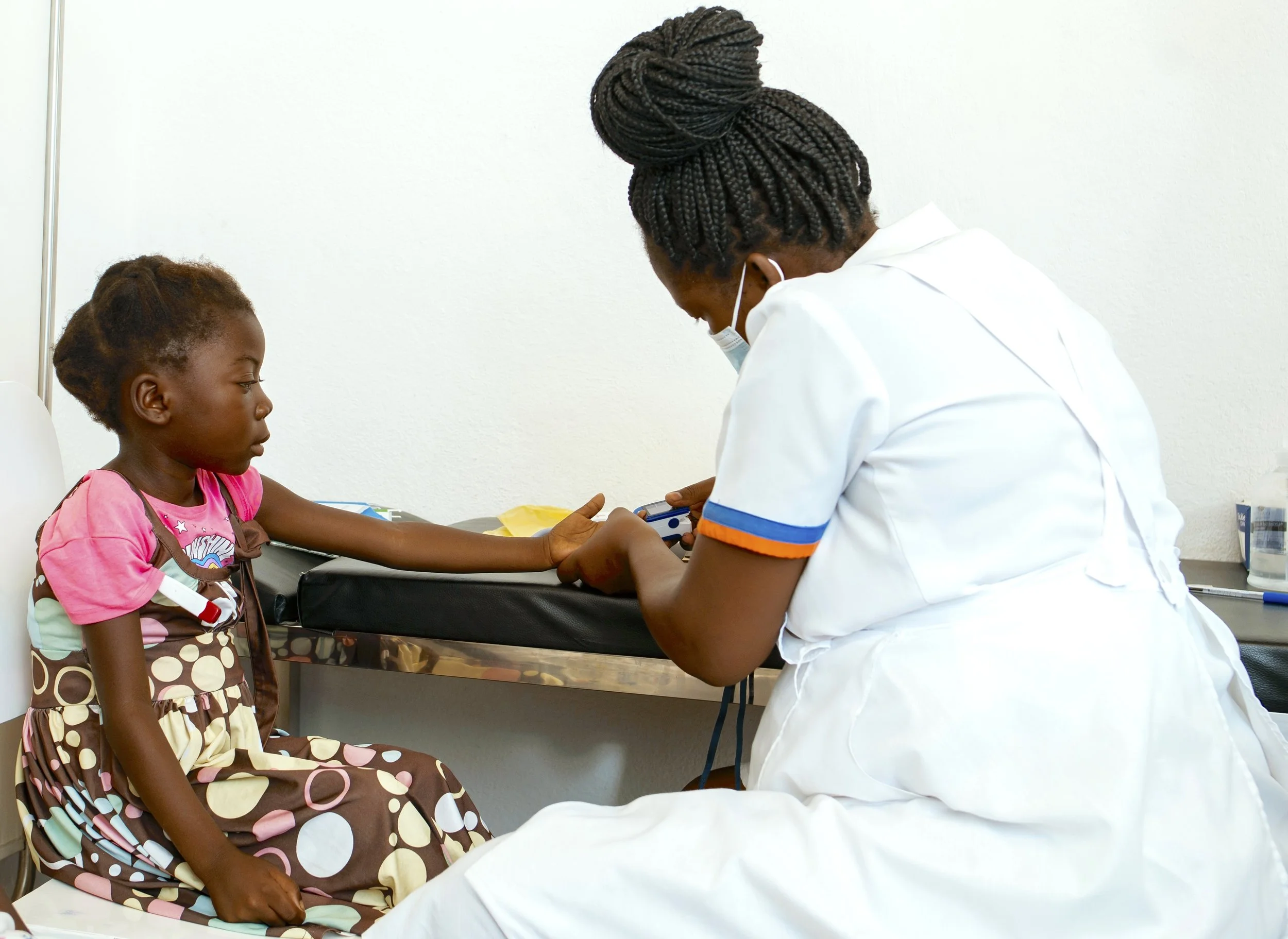
As global health funding continues to evolve, more than 50 experts from dozens of countries are preparing for publication a new four-paper series that will offer integration science as a tool for unlocking significant gains in health equity worldwide. These collaborators represent a range of organizations and include academics, ministry officials, and people with lived experience from across sub-Saharan Africa and South Asia.
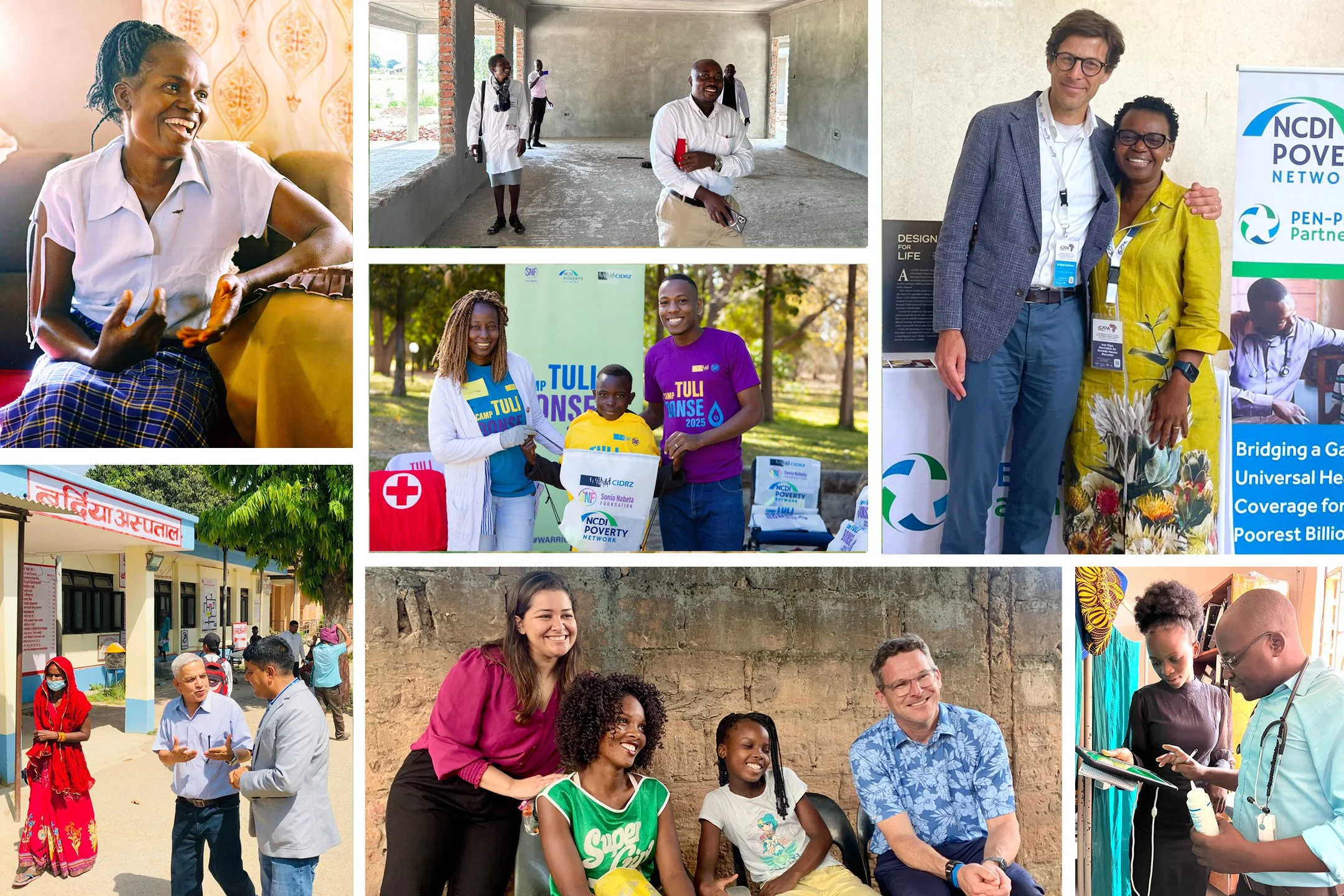
Five years. Twenty-nine countries. Over a hundred PEN-Plus clinics. More than 30,000 patients. Together, the many collaborators that compose the NCDI Poverty Network deliver hope and healthcare to children, adolescents, and young adults navigating the dual challenges of poverty and severe, chronic noncommunicable diseases. And this is just the beginning.
The catchy, R&B-style track is providing new support and empowerment for people living with severe, chronic noncommunicable diseases such as type 1 diabetes.
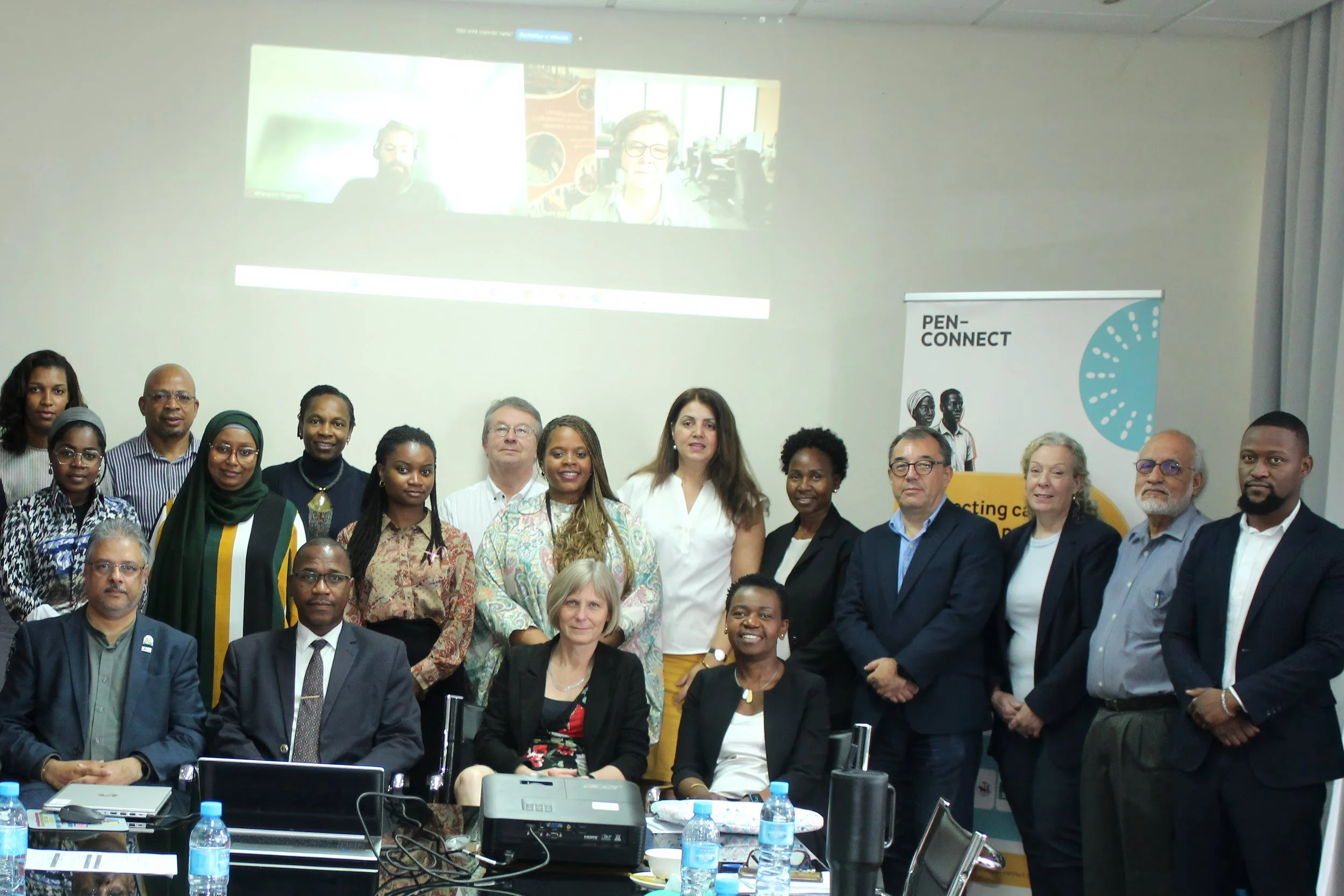
A new initiative to strengthen global collaboration and research on noncommunicable disease care in low- and middle-income countries marks “an important milestone for scientific cooperation between Europe and Africa.”

The NCDI Poverty Network’s co-secretariat in Maputo, Mozambique, and the Southern Africa Regional Hub recently hosted a study tour to enable representatives from the Ministries of Health of Angola, Eswatini, and Lesotho to learn about PEN-Plus implementation.

During the opening plenary of the Sept. 25 High-Level Meeting on NCDs and Mental Health, at the UN General Assembly in New York City, repeated mentions of PEN-Plus as a successful strategy for addressing NCDs formed a show of unity in a week often noted for dissension.
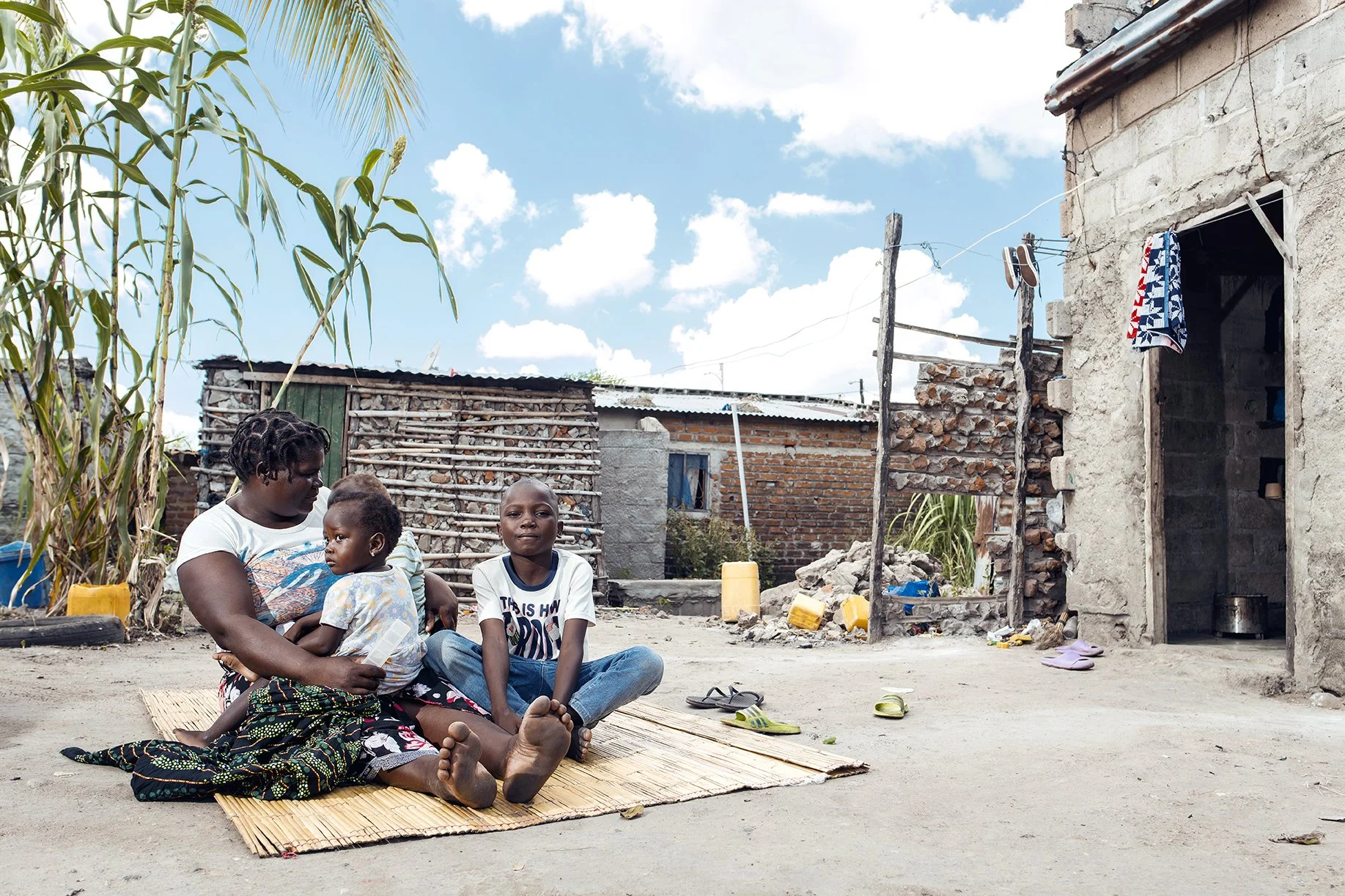
A commentary authored by Network and UNICEF leaders and published in August by The Lancet Child & Adolescent Health makes the case for better care for children and adolescents living with severe, chronic NCDs in settings of extreme poverty, a case that’s also reflected in the Network’s position statement ahead of the United Nations High-Level Meeting on NCDs in September.

At the second International Conference for PEN-Plus in Africa, recently held in Abuja, health leaders, policymakers, and development partners across Africa renewed their commitment to an accelerated implementation of the PEN-Plus to significantly expand access to care for people living with severe noncommunicable diseases.

The NCDI Poverty Network’s second study in a trio assessing 16 health facilities across nine countries in 2022–23, before PEN-Plus implementation, focuses on how providers deliver care, from screening and diagnosis through treatment and long-term support.

Dr. Ana Mocumbi, co-chair of the NCDI Poverty Network, recently received the Republic of Mozambique’s Medal of Merit for Science and Technology. The honor recognizes her outstanding contributions to science, technology, and innovation in Mozambique.

A newly published study found that only two of 16 health facilities assessed in nine lower-income countries had all the functional equipment needed to diagnose and manage care for people living with type 1 diabetes. Two of the facilities had none of the necessary equipment.

The WHO Regional Office for Africa recently published a landmark report that details the impact and momentum of the PEN-Plus model, providing a valuable tool for advocacy and information about integrated care for people living with severe, chronic noncommunicable diseases.
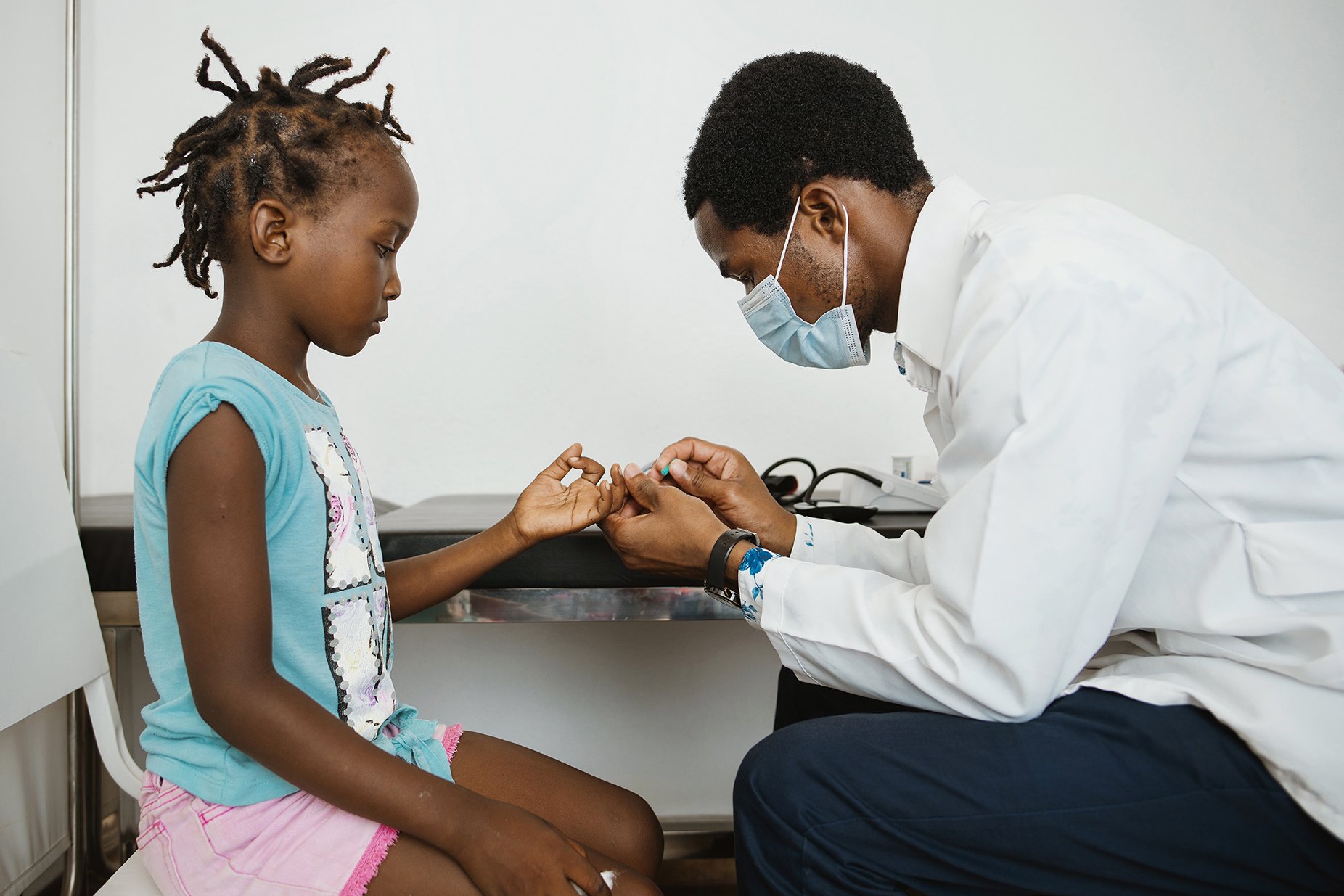
An international partnership that includes the NCDI Poverty Network and its Mozambique co-secretariat, housed at Universidade Eduardo Mondlane in Maputo, received a 4-million-euro award from the European Commission to assess and support the implementation of PEN-Plus in Mozambique.
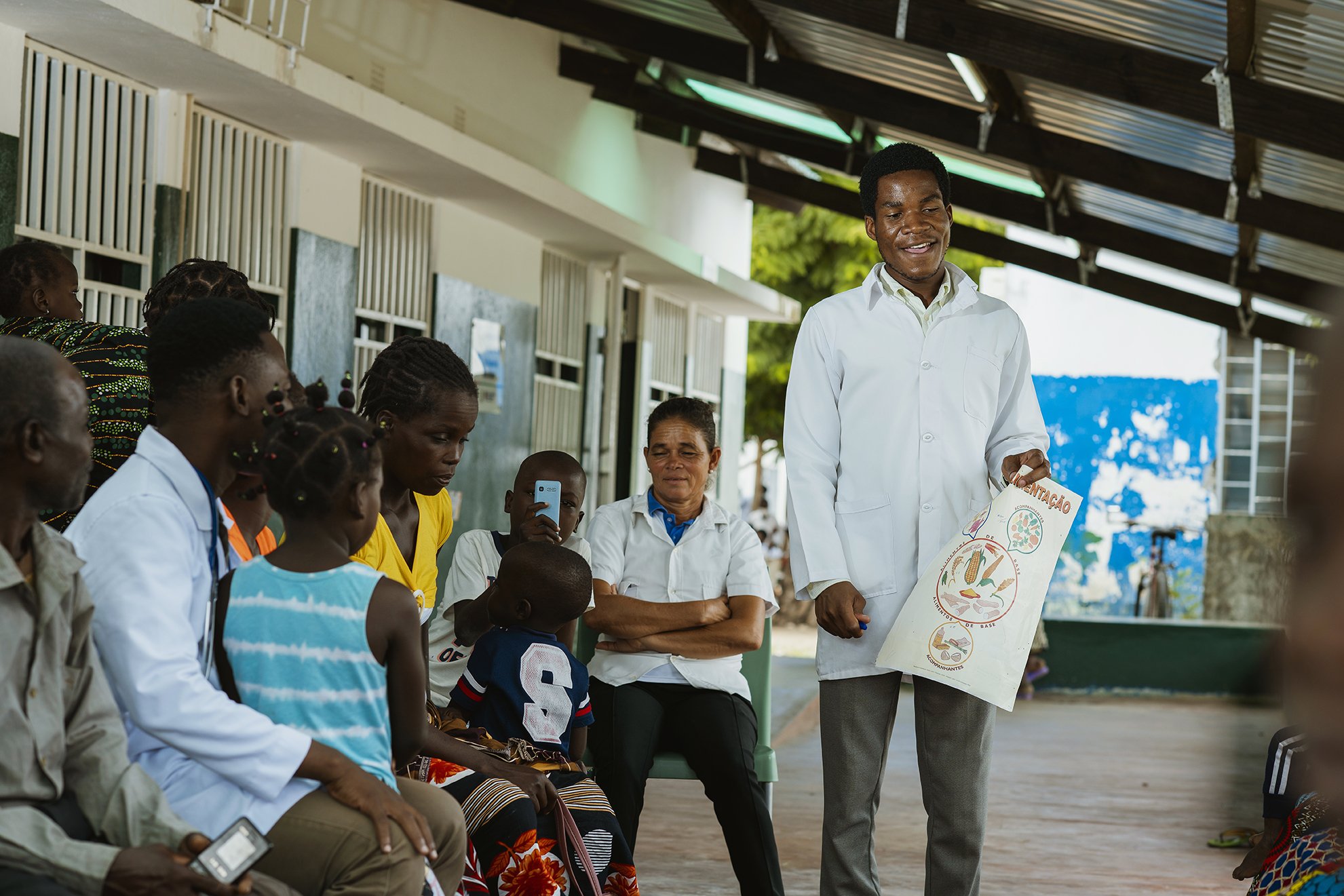
The NCDI Poverty Network recently published a Portuguese edition of PEN-Plus Clinical Tools and Programmatic Standards, a reference both for planning PEN-Plus programs and for assessing and refining existing PEN-Plus clinics. The team has already published English and French editions of the handbook.
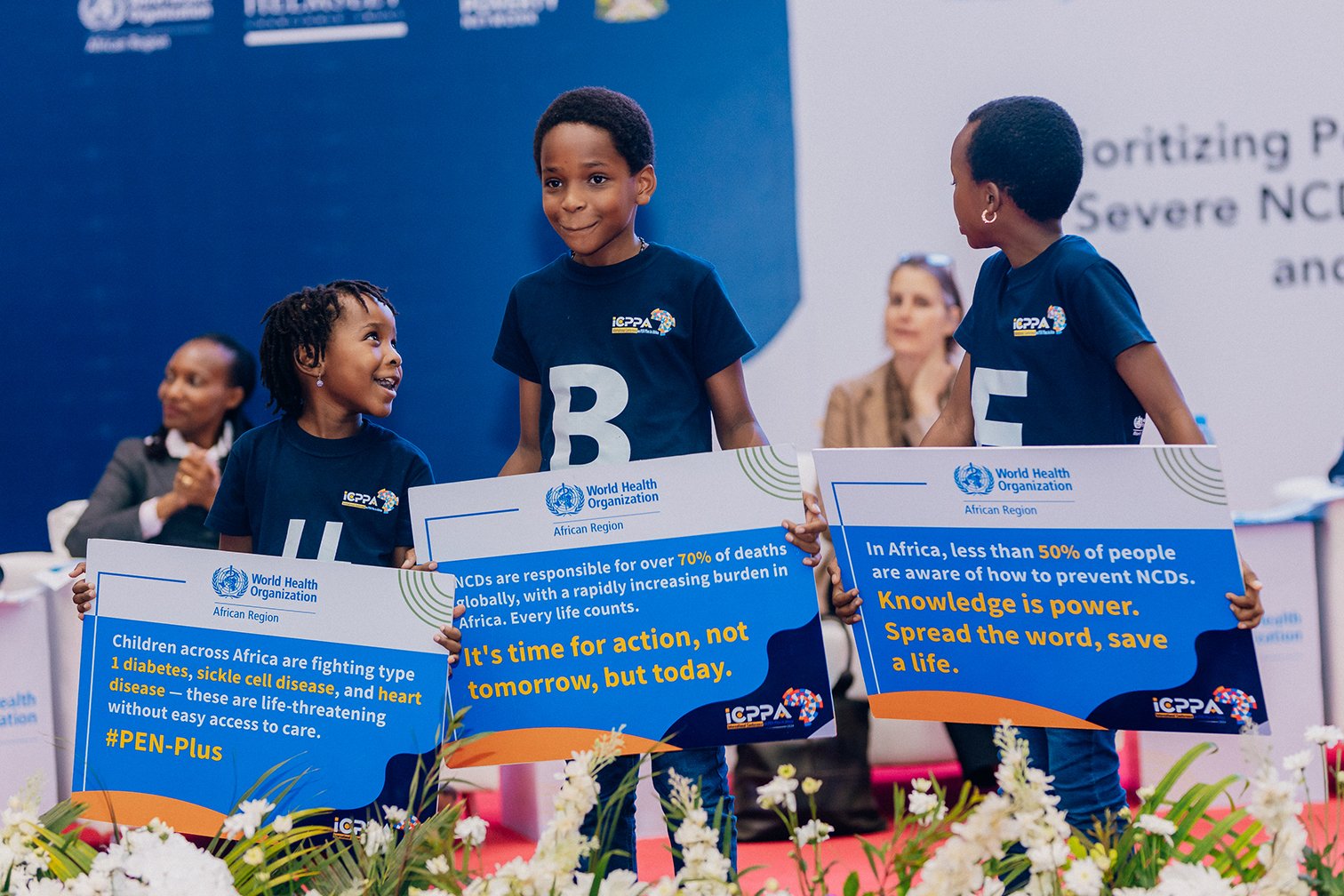
The first International Conference on PEN-Plus in Africa provided a platform for health experts, policymakers, civil society organization representatives, donors, people living with noncommunicable diseases, and community advocates to expedite political and financial backing for PEN-Plus.

The NCDI Poverty Network and the Centre for Infectious Disease Research in Zambia (CIDRZ) hosted a side event, “PEN-Plus Partnership: An NCDI Poverty Network Initiative in Partnership with WHO/AFRO,” on 29 November at the 3rd International Conference on Public Health in Africa, held in Lusaka, Zambia.
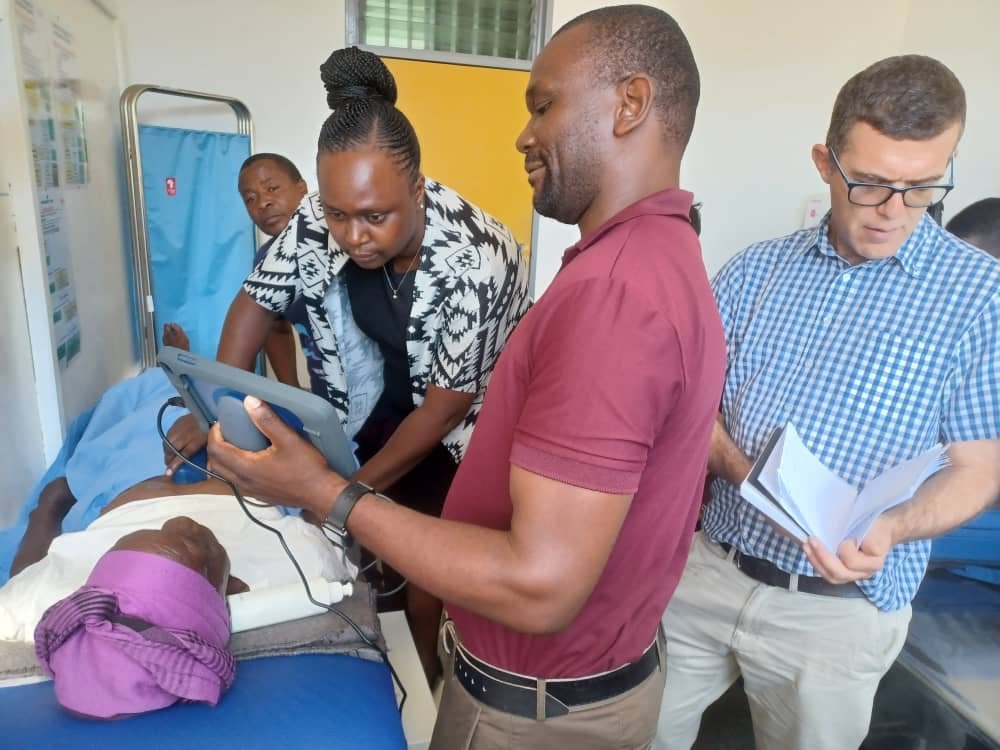
The Southern Africa Regional Hub of the NCDI Poverty Network and the Centre for Infectious Disease Research in Zambia (CIDRZ) will co-host a side event during the Third Annual International Conference on Public Health in Africa (CPHIA), which will take place at the Mulungushi International Conference Center in Lusaka, Zambia, on 27–30 November.

Members of the NCDI Poverty Network’s Steering Committee convened on 8 November for their ninth meeting. Among the topics covered were country updates, including those of Nepal.

For three years, João Mindo had difficulty walking, eating, and even breathing. It wasn’t until a PEN-Plus clinic opened in rural Mozambique that he received his diagnosis: rheumatic heart disease. Following mitral valve repair surgery in Maputo, the 14-year-old now receives care close to home.
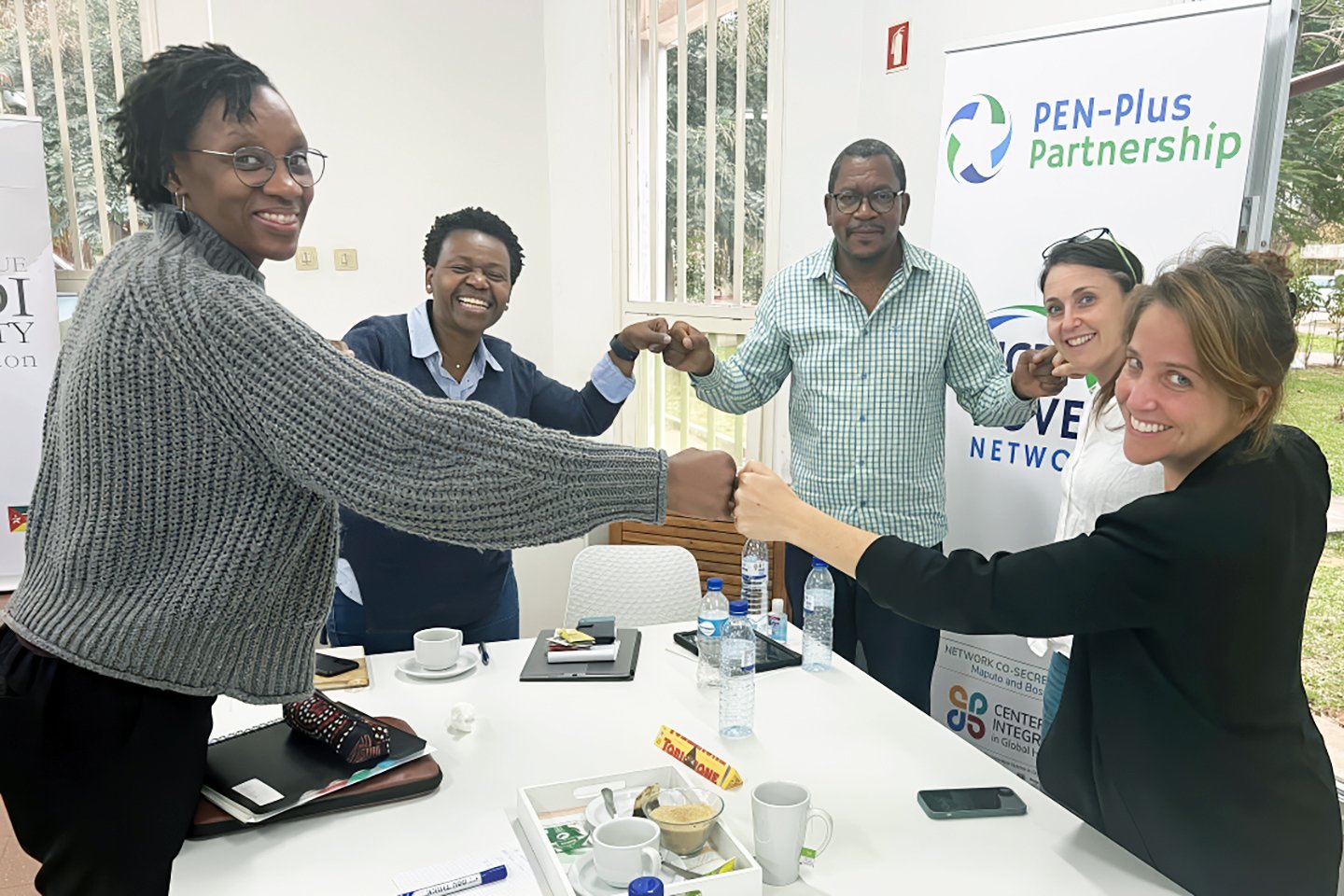
In August, the NCDI Poverty Network’s Maputo Co-Secretariat launched an integration science study designed to generate information on the delivery status of high-priority clinical services for people with noncommunicable diseases at 20 facilities in Mozambique, Cameroon, and Nigeria.
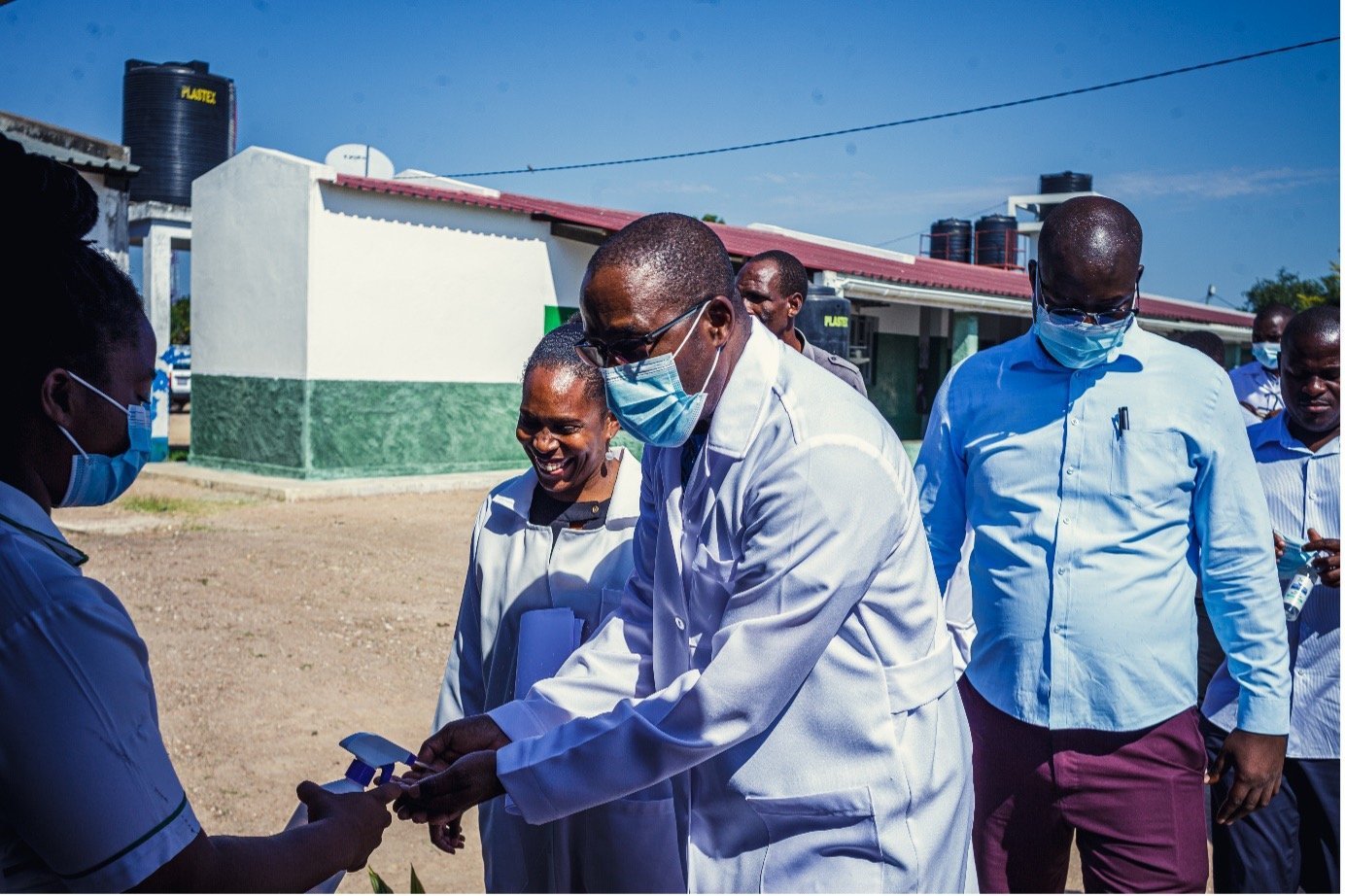
On 2 June, Mozambique Minister of Health H.E. Dr. Armindo Daniel Tiago visited the PEN-Plus clinic at Nhamatanda Rural Hospital.
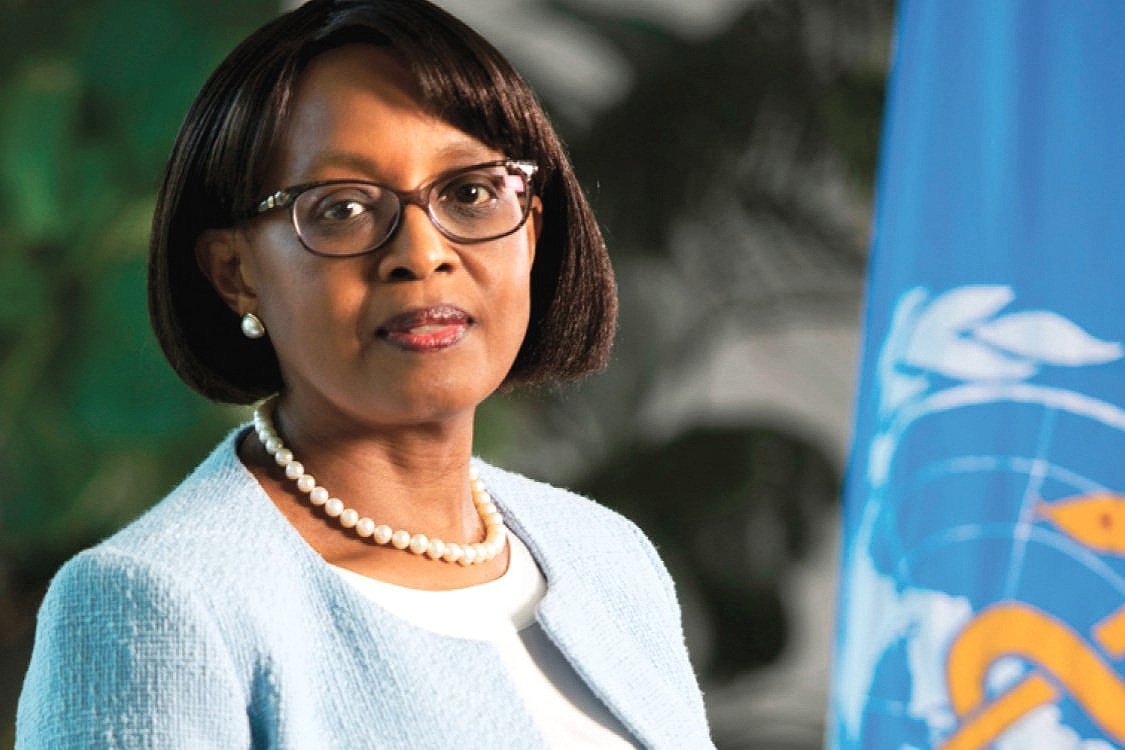
Efforts to expand PEN-Plus across sub-Saharan Africa received a major boost today, when the Leona M. and Harry B. Helmsley Charitable Trust announced a $9 million grant to the World Health Organization Regional Office for Africa to expand care for people living with severe noncommunicable diseases (NCDs).

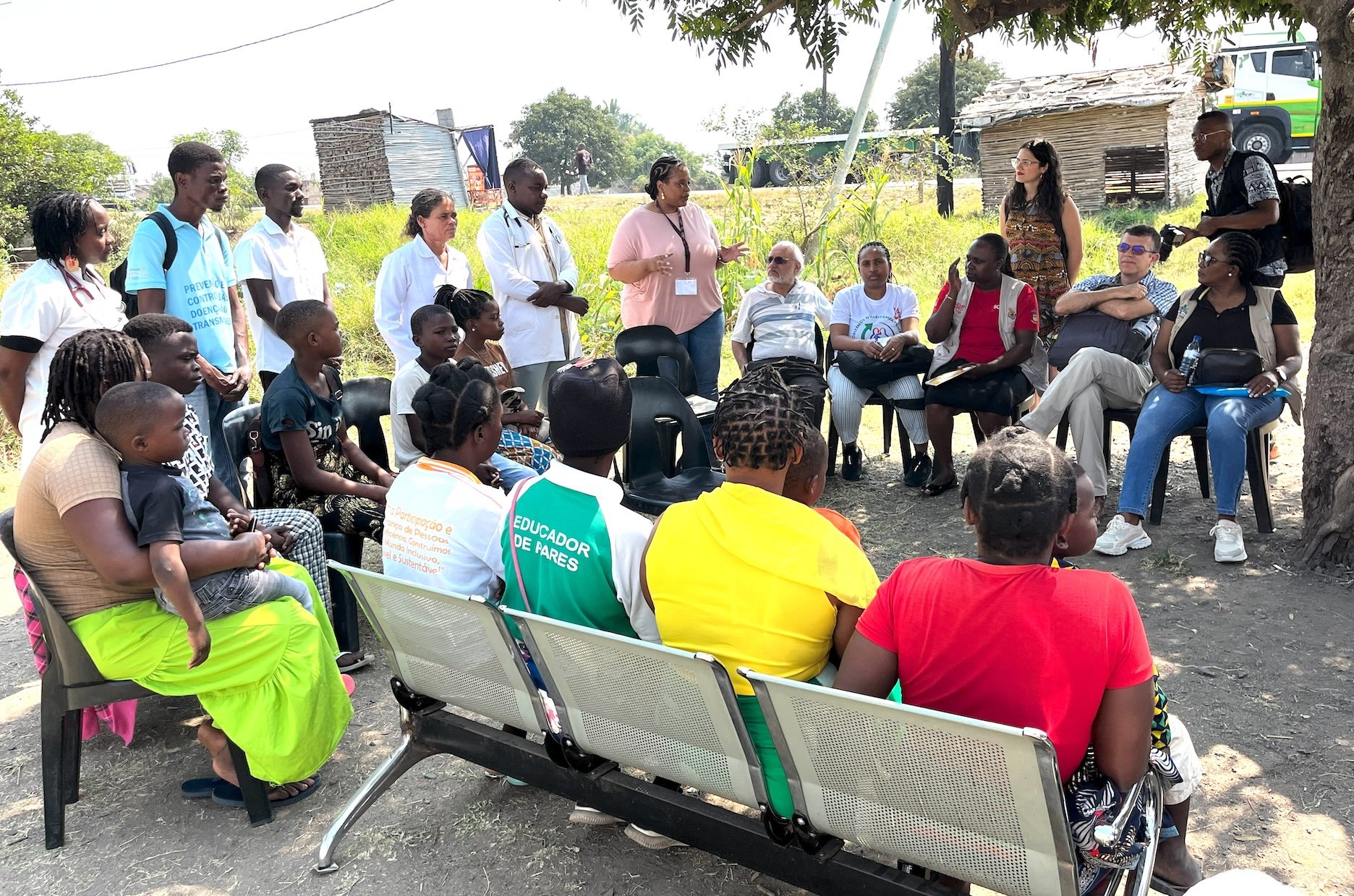
The stark realities of living with severe noncommunicable diseases in extreme poverty became clear to members of the High-Level Advisory Group of the PEN-Plus Partnership when they convened in Mozambique in March to discuss strategies for supporting initiation and scale-up of PEN-Plus in resource-poor countries.

The Maputo co-secretariat of the NCDI Poverty Network, based at Universidade Eduardo Mondlane, hosted an event marking the first anniversary of the establishment of both the Southern Africa Regional Hub and the Maputo co-secretariat of the NCDI Poverty Network on 1 February. The event encouraged discussion on how the Hub can support countries in the region in implementing the PEN-Plus model.
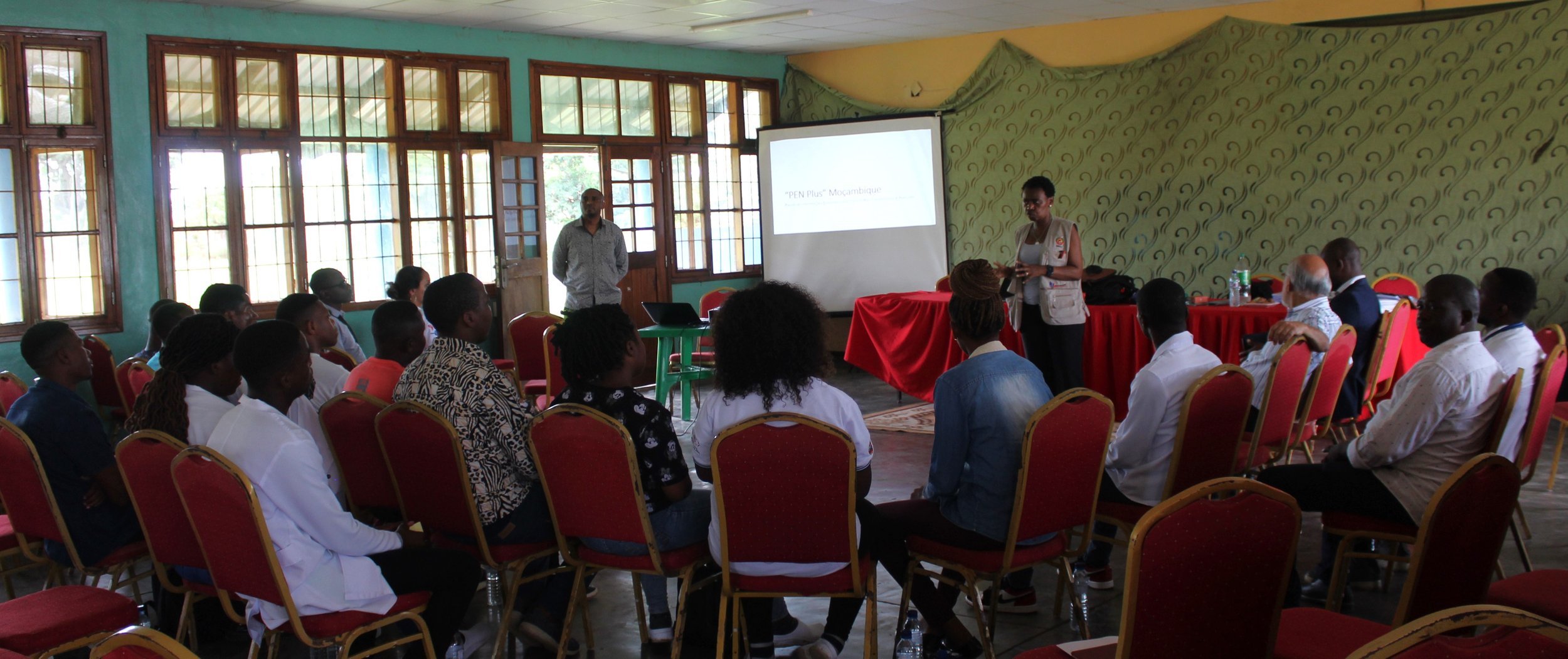
As Mozambique prepares to open its first PEN-Plus clinic in Nhamatanda, NCDI Poverty Network Co-Chair Dr. Ana Mocumbi, Universidade Eduardo Mondlane Chair of Medicine Dr. Sam Patel, and Network PEN-Plus Regional Technical Advisor Dr. Jorge Sixpence led training sessions for four days in December. Twenty five healthcare professionals including physicians, general medicine technicians, nutritionists, and data managers attended the training.
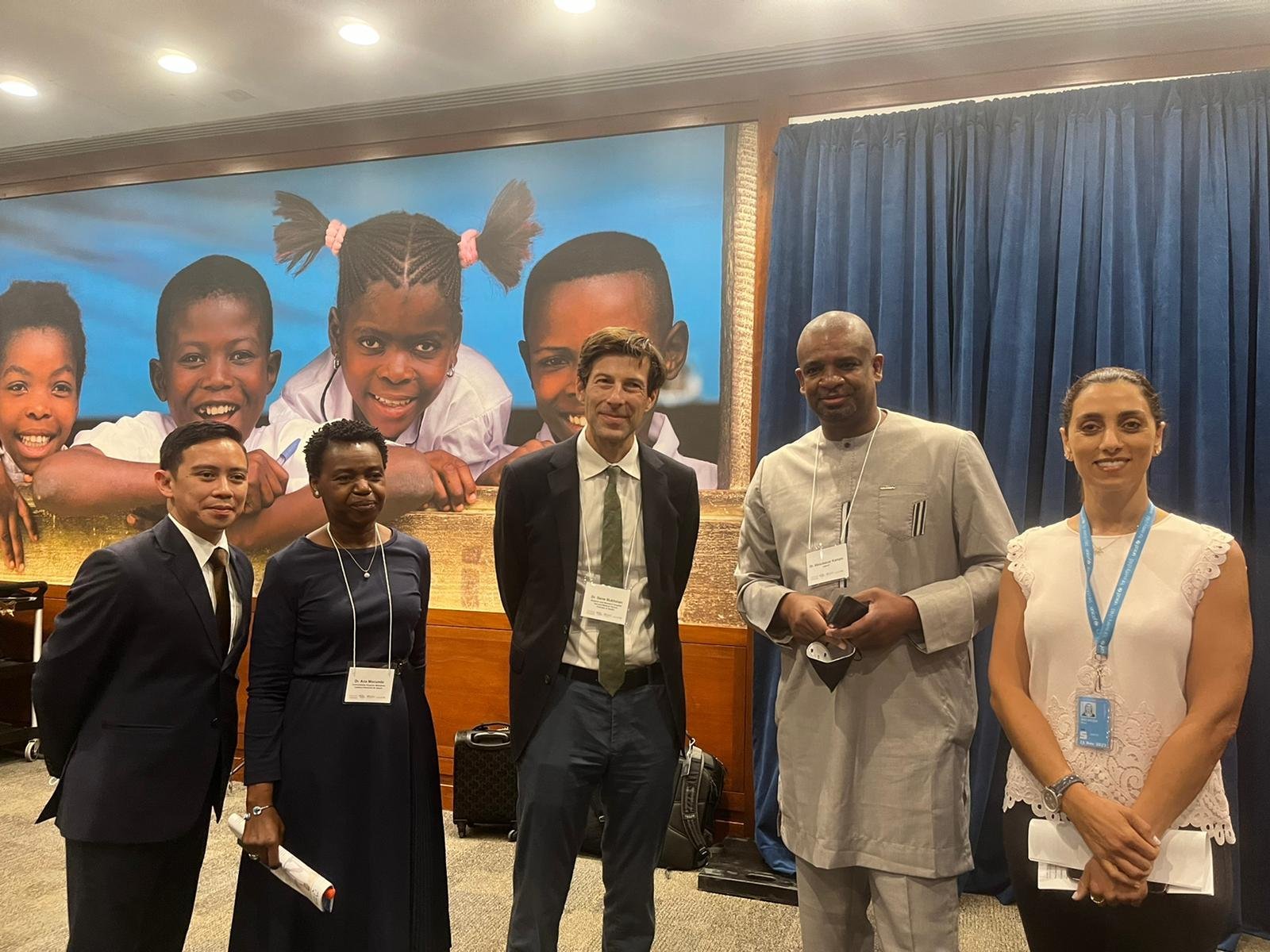
More than 60 representatives of leading global health policy, technical, advocacy, and financing institutions and people living with NCDs gathered at UNICEF House in New York on September 15, 2022, to introduce the PEN-Plus Partnership, a major international initiative to address the global burden of severe NCDs and injuries that cause more than 500,000 avoidable deaths every year among children and young adults living in extreme poverty.
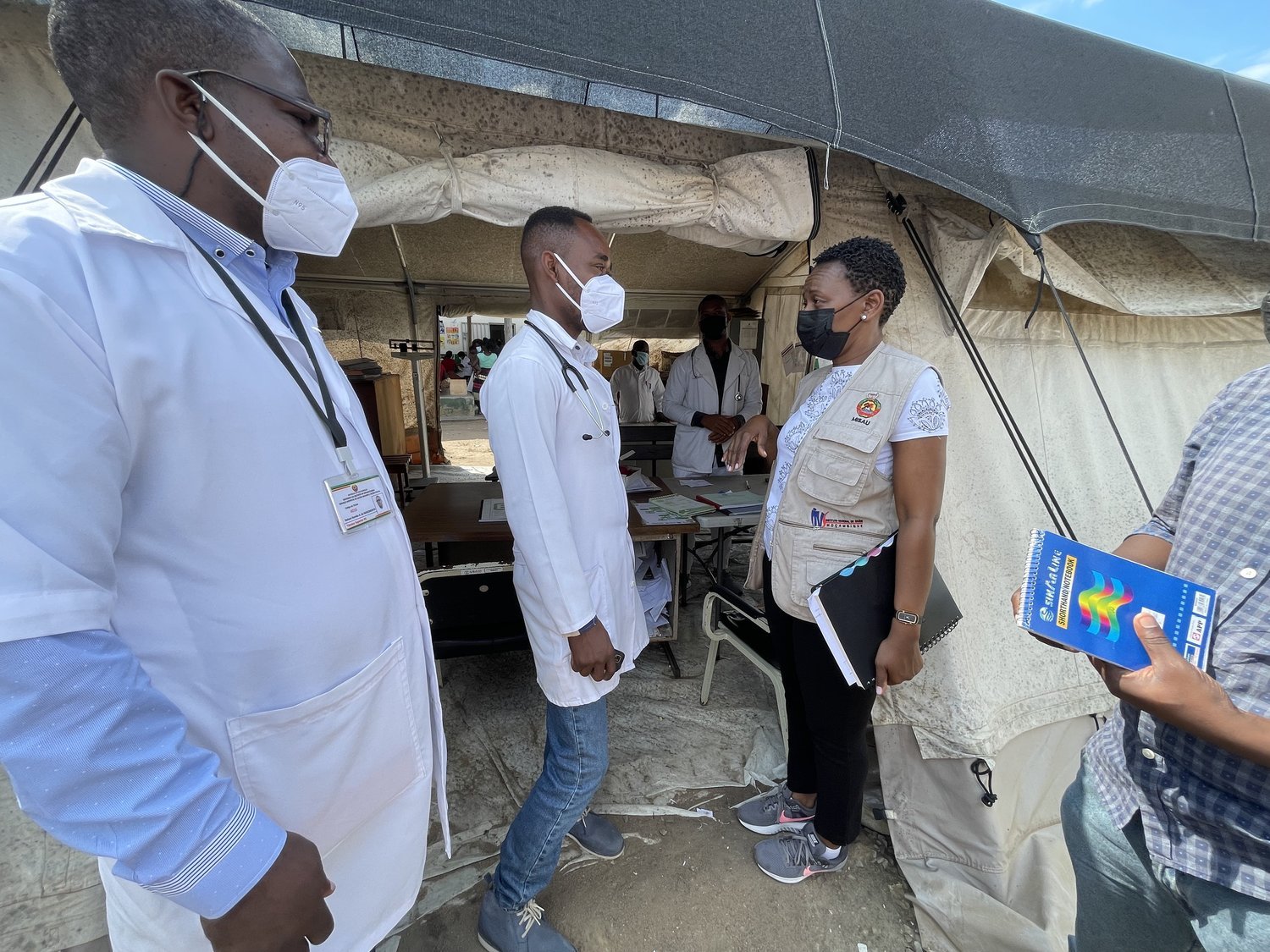
NCDI Poverty Network Co-Chair Dr. Ana Mocumbi and the Mozambique Co-Secretariat and Southern Africa Regional Hub team recently hosted NCDI Poverty Network Co-Chair Dr. Gene Bukhman and Director of Programs Dr. Emily Wroe for a three-day visit to the provinces of Maputo and Sofala as Mozambique prepares to implement PEN-Plus.
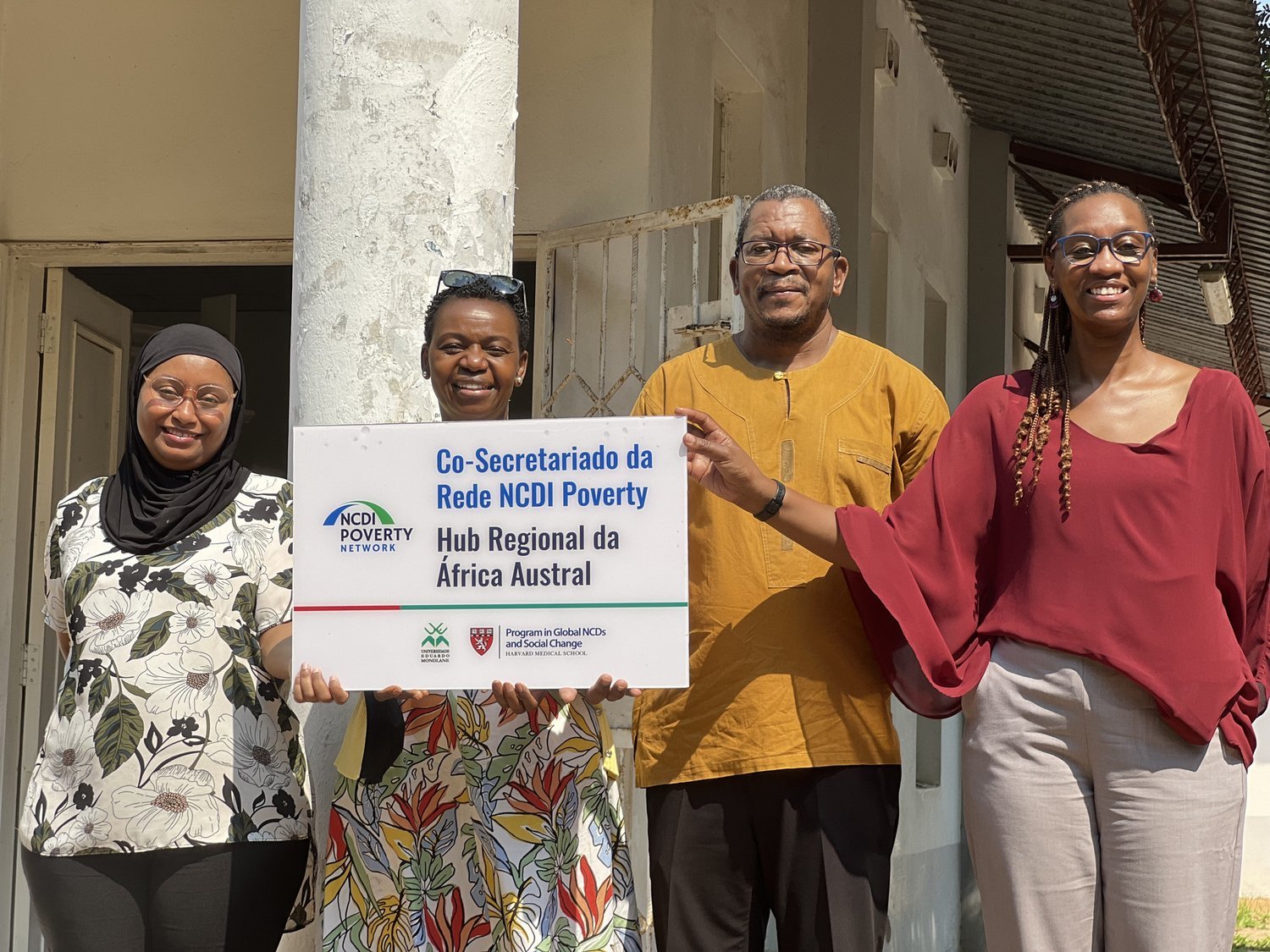
Five months after the launch of the NCDI Poverty Network Co-Secretariat and Southern Africa Regional Hub at Universidade Eduardo Mondlane in Maputo on 27 October 2021, the Mozambique Co-Secretariat is preparing to move into office space assigned for it on the main university campus.
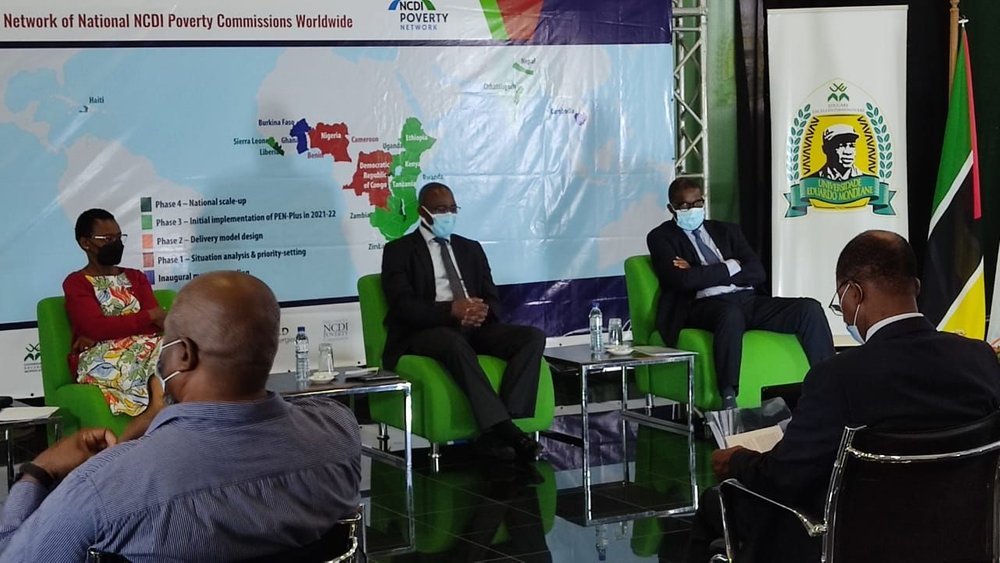
Leading NCDI policy makers, researchers, care providers, and advocates, including the Minister of Health, His Excellency Dr. Armindo Tiago, and Dr. Orlando António Quilambo, Rector of Universidade Eduardo Mondlane (UEM), convened in Maputo on 27 October for the launch of the Mozambique Co-Secretariat and Southern Africa Regional Hub of the NCDI Poverty Network, which will be based at UEM.
Mozambique NCDI Poverty Commission

Chair
Ana Olga Mocumbi — Universdade Eduardo Mondlane and Division of Chronic and Non-communicable Diseases, National Health Institute in Mozambique (MIHER)
Commissioners
Carlos Arnaldo — Centre for African Studies
Carla Carrilho — Maputo Central Hospital
Matchecane Cossa — Ministry of Health, Mozambique
Humberto Cossa — World Bank
Antonio Franco — World Bank
Marcela Libombo — National Institute of Education and Development
Gertrudes Machatine — Ministry of Health Economics, Mozambique
Humberto Muquingue — Universdade Eduardo Mondlane
Sam Patel — National Referral Hospital
Antonio Prista — Pedagogic University Faculty of Sports and Physical Education
Patrícia Silva — National Cancer Association
Edith Thuzine — Ministry of Health, Mozambique
Fernando Vaz — Nurses and Allied Professionals Health Institute, Ministry of Health
Contributors
Nicole Salipa — Commission Assistant