A father tracks his son’s worsening symptoms, eventually leading him to a path to recovery through PEN-Plus.
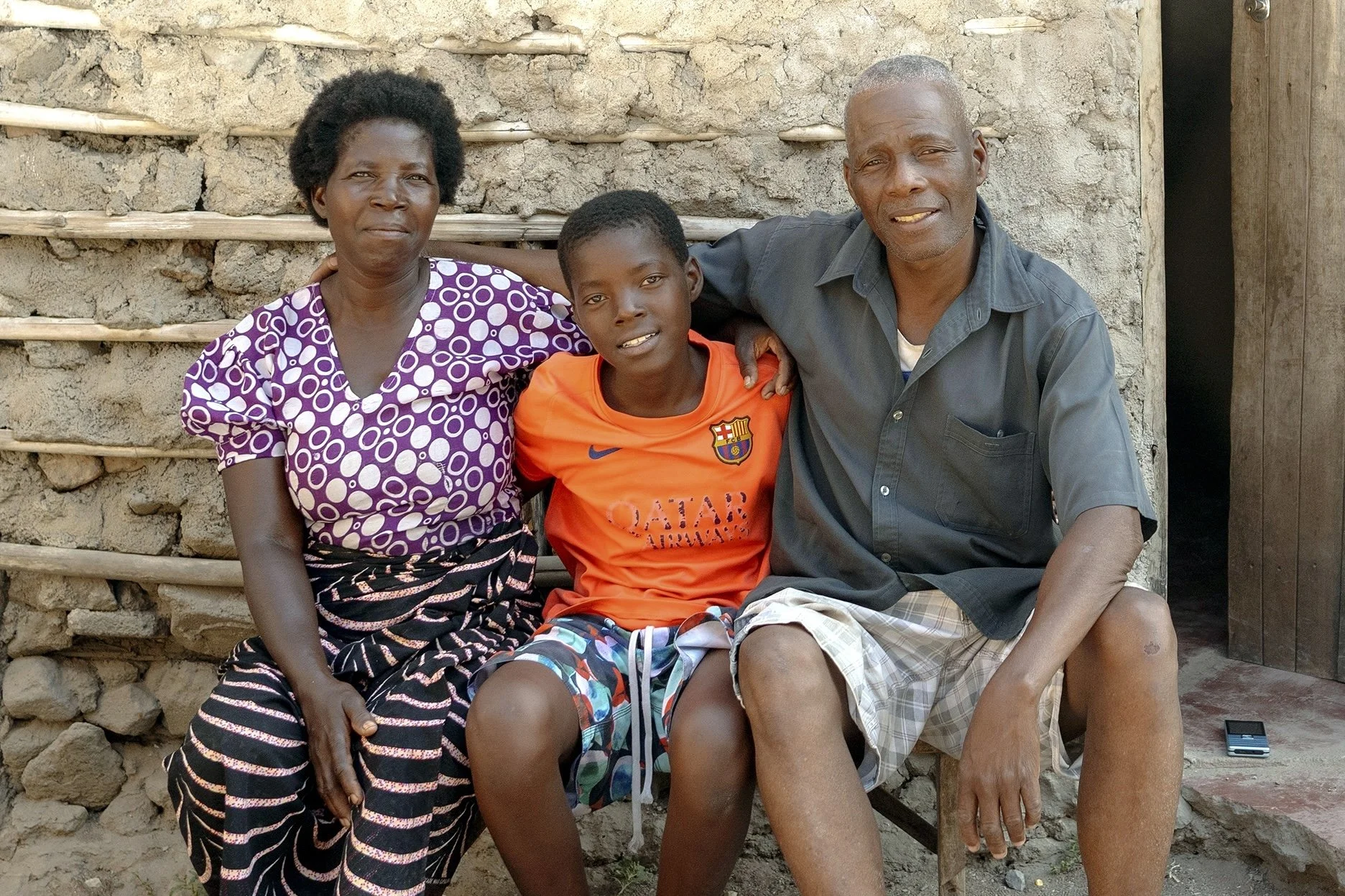
Fifteen-year-old António Joaquim receives ongoing care at the PEN-Plus clinic in Nhamatanda, Mozambique, which provided him with a referral and logistical and financial assistance for lifesaving cardiac surgery. António also enjoys the strong support of his mother, Thulesse Quefasse, and his father, Joaquim Augusto Tivane. (Photo: Ivan Simone Congolo)
António Joaquim’s health concerns began subtly. His father, Joaquim Augusto Tivane, said the first symptoms resembled those of the common cold.
“The first signs we noticed were constant fevers,” Tivane said of his 15-year-old. “His body would get very hot, and he coughed a lot. This started around April 2024.”
Like many parents in rural communities and low-resource areas, Tivane and his wife, Thulesse Quefasse, initially struggled to understand the cause of their child’s illness. At one point, influenced by advice from neighbors, they attempted home remedies, believing the symptoms might be related to a blood condition.
Yet António’s condition continued to worsen.
This was not the family’s first encounter with serious illness. In 2011, António’s sister died, nine years after being diagnosed with a cardiac condition. This tragedy made António’s father particularly alert to the possibility of a similar illness for his son.
To try to understand what was happening, Tivane did what he could to examine António’s heartbeat and compare it with those of two other children.
“I noticed that his heart was beating differently from the other boys,” Tivane said. “That’s when I knew we had to find help.”
Pathway to Diagnosis
Determined to find care, António’s father sought assistance within their community—a rural area near Nhamatanda, Mozambique—to help access specialized medical treatment. But finding a doctor who could attend to António was not easy, Tivane said. During this process, a neighbor mentioned that he knew a staff member at Nhamatanda Rural Hospital—Lindolfo dos Santos, a nutritionist in the PEN-Plus clinic.
PEN-Plus, an integrated package of clinical services, enables frontline providers in low-resource health systems to provide care for people living with severe, chronic noncommunicable diseases such as type 1 diabetes, sickle cell disease, and childhood-onset heart disease.
By providing advanced training for clinicians, medications, specialized equipment, and strengthened referral systems, PEN-Plus clinics are fully integrated into public health systems and decentralize care from high-level, urban hospitals, bringing affordable care closer to home for people who live far from urban centers.
With the support of dos Santos, António was referred to the PEN-Plus clinic at Nhamatanda, where testing confirmed an alarming diagnosis: rheumatic heart disease. António was then referred for specialized treatment more than a thousand kilometers from his home, at the Instituto do Coração in Maputo, Mozambique. There, he underwent cardiac surgery. He is now continuing his recovery with regular follow-up and support at the PEN-Plus clinic in Nhamatanda.
Community Connections
António’s story underscores the importance of decentralized, integrated care for severe noncommunicable diseases. Through PEN-Plus, people in rural districts like Nhamatanda can access diagnosis, treatment, and long-term management without needing to navigate complex referral systems alone.
Equally important is the program’s role in community linkage—connecting families to health workers who can facilitate timely interventions and connecting patients with each other.
Beyond his medical recovery, António and his father have become active participants in the peer-support sessions the PEN-Plus clinic hosts. These sessions not only encourage treatment adherence and reduce fear and stigma surrounding chronic diseases, but they also enable patients and their families to engage with other people living with similar conditions and share their experiences, challenges, and successes.
António’s father has also taken on an important role in raising awareness within the community. Drawing from his family’s own experience, he now encourages other parents and caregivers to seek medical attention early when children show persistent or unusual symptoms.
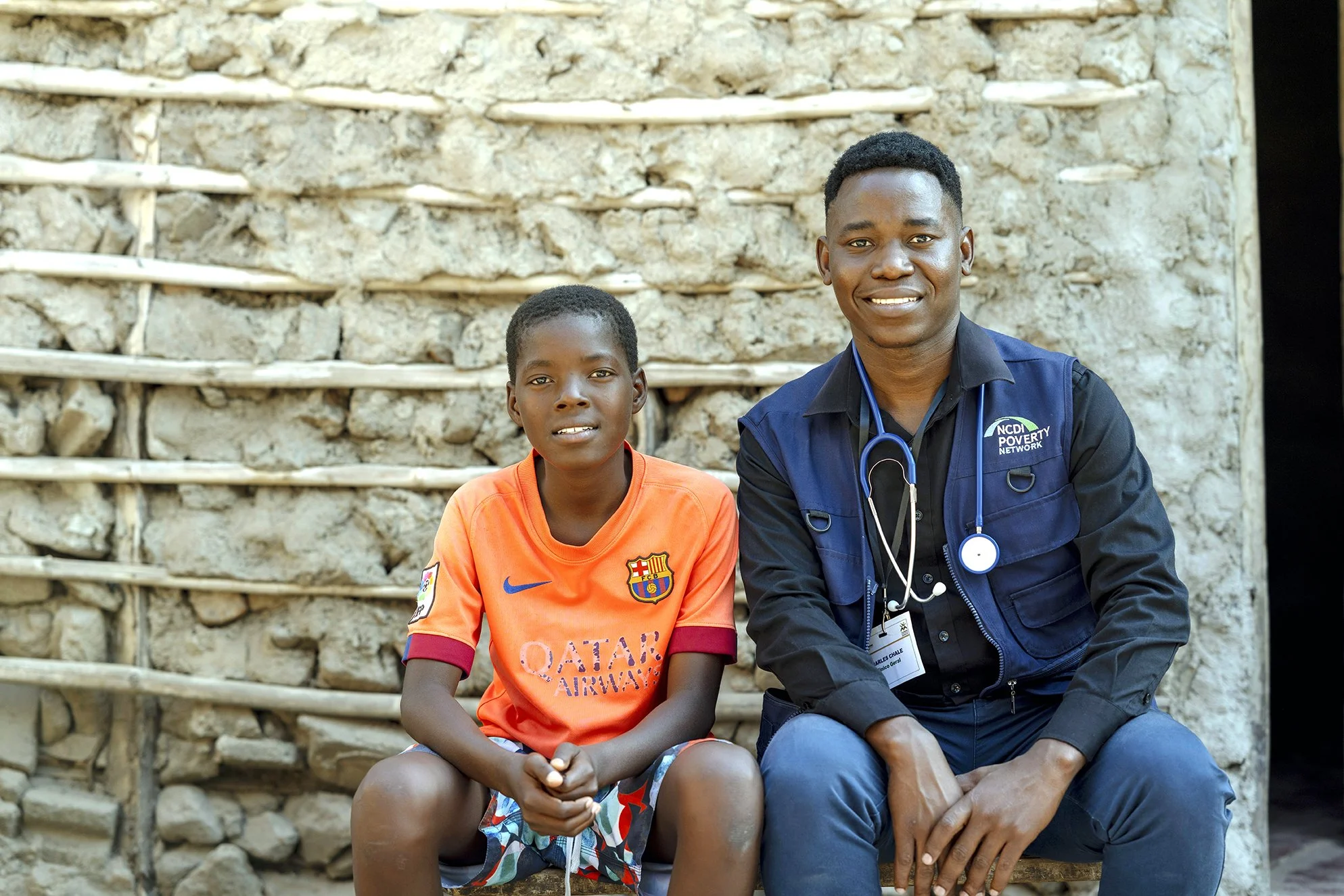
António Joaquim spends time with one of his care providers, Dr. Charles Chale, during a home visit. (Photo: Ivan Simone Congolo)