News and Stories
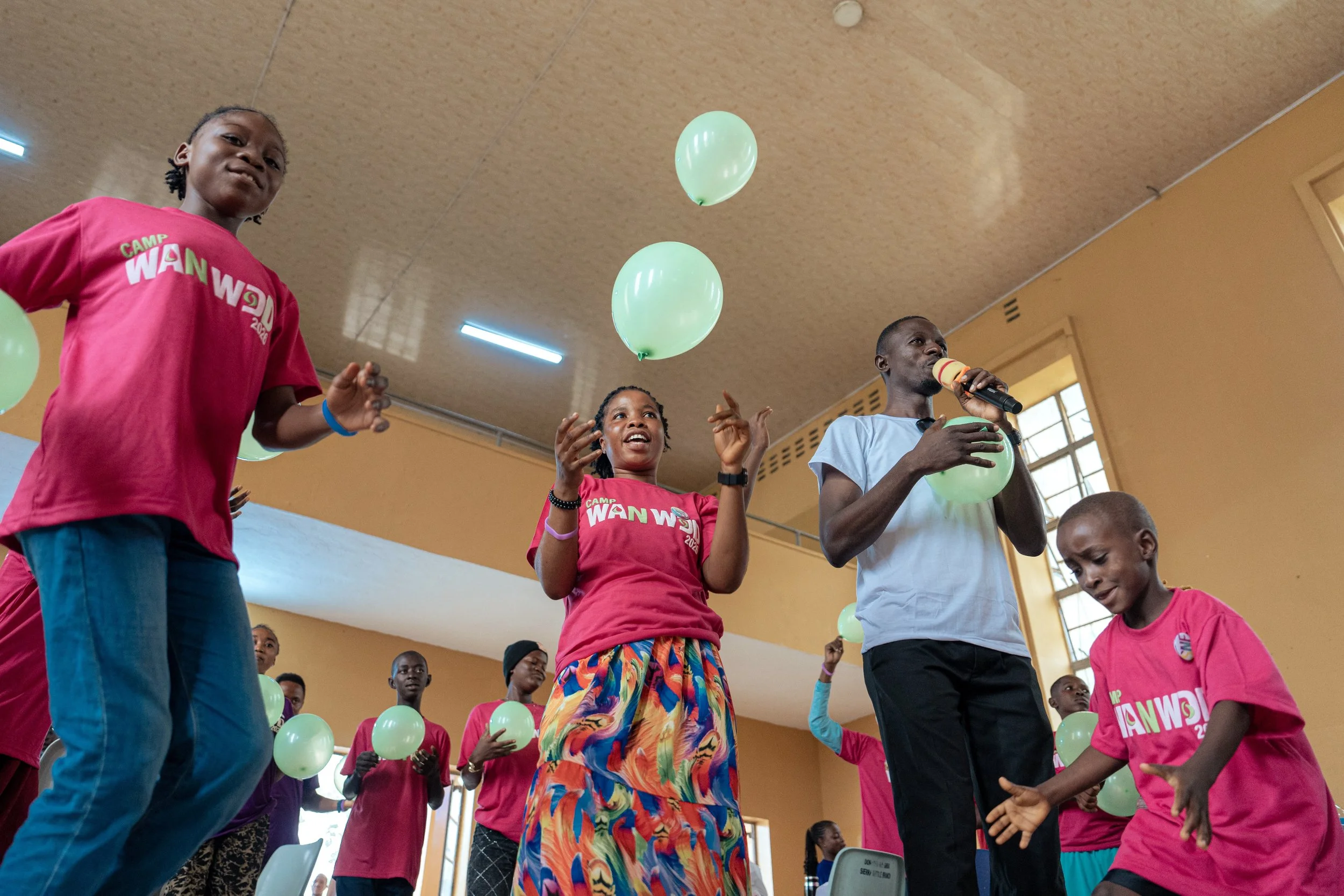
Warriors Raise Their Voices—and Spirits—at Camp Wanwɔd
Singing, games, and reflections on community complemented lessons on disease self-management at Camp Wanwↄd, a PEN-Plus integrated camp recently held for young people living with either type 1 diabetes or sickle cell disease in Sierra Leone.
Pujehun PEN-Plus Clinic Offers a Lifeline in Sierra Leone
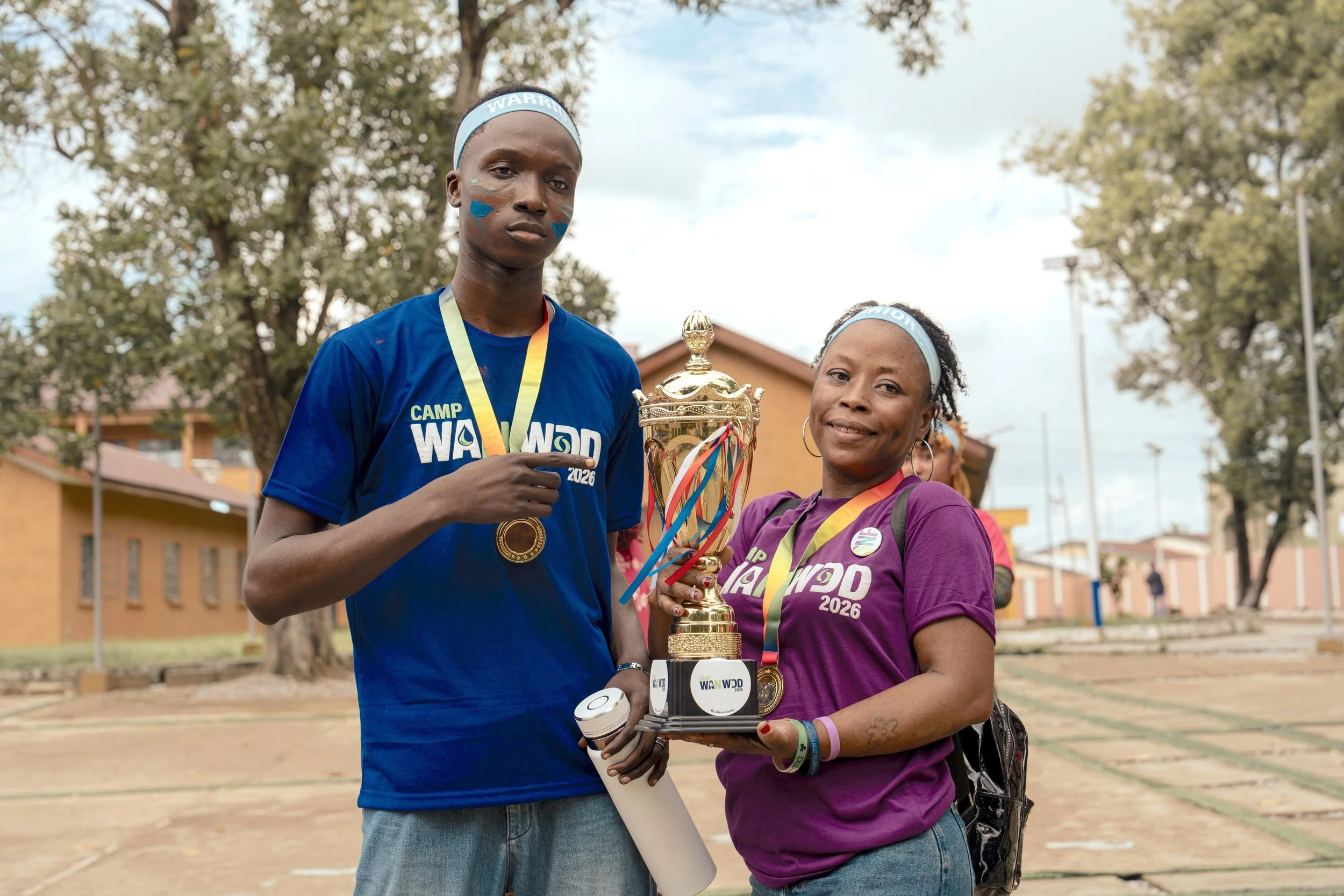
Every few months, 19-year-old Mohamed Tejan travels nearly 200 miles from Freetown, Sierra Leone, to a PEN-Plus clinic in the southern part of the country. There he receives care for sickle cell disease, along with free medicine that is not available to him in the capital, free or otherwise. His long journey there—and more recently to a PEN-Plus camp—also connects him with a community of other sickle cell warriors.
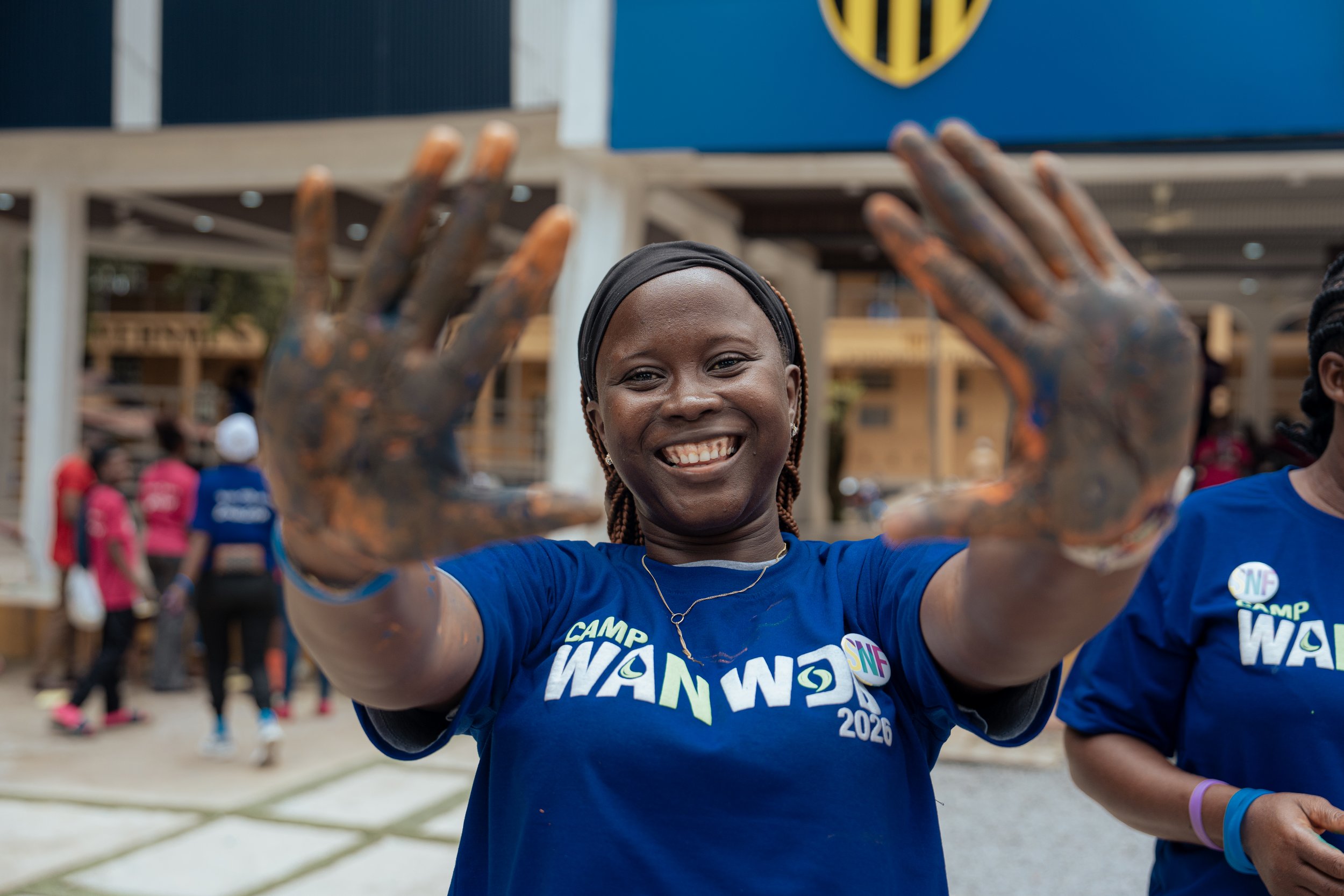
Photo Gallery: Camp Wanwɔd 2026
Witness the joy of Camp Wanwↄd, a PEN-Plus camp recently held for young people living with either type 1 diabetes or sickle cell disease in Sierra Leone.
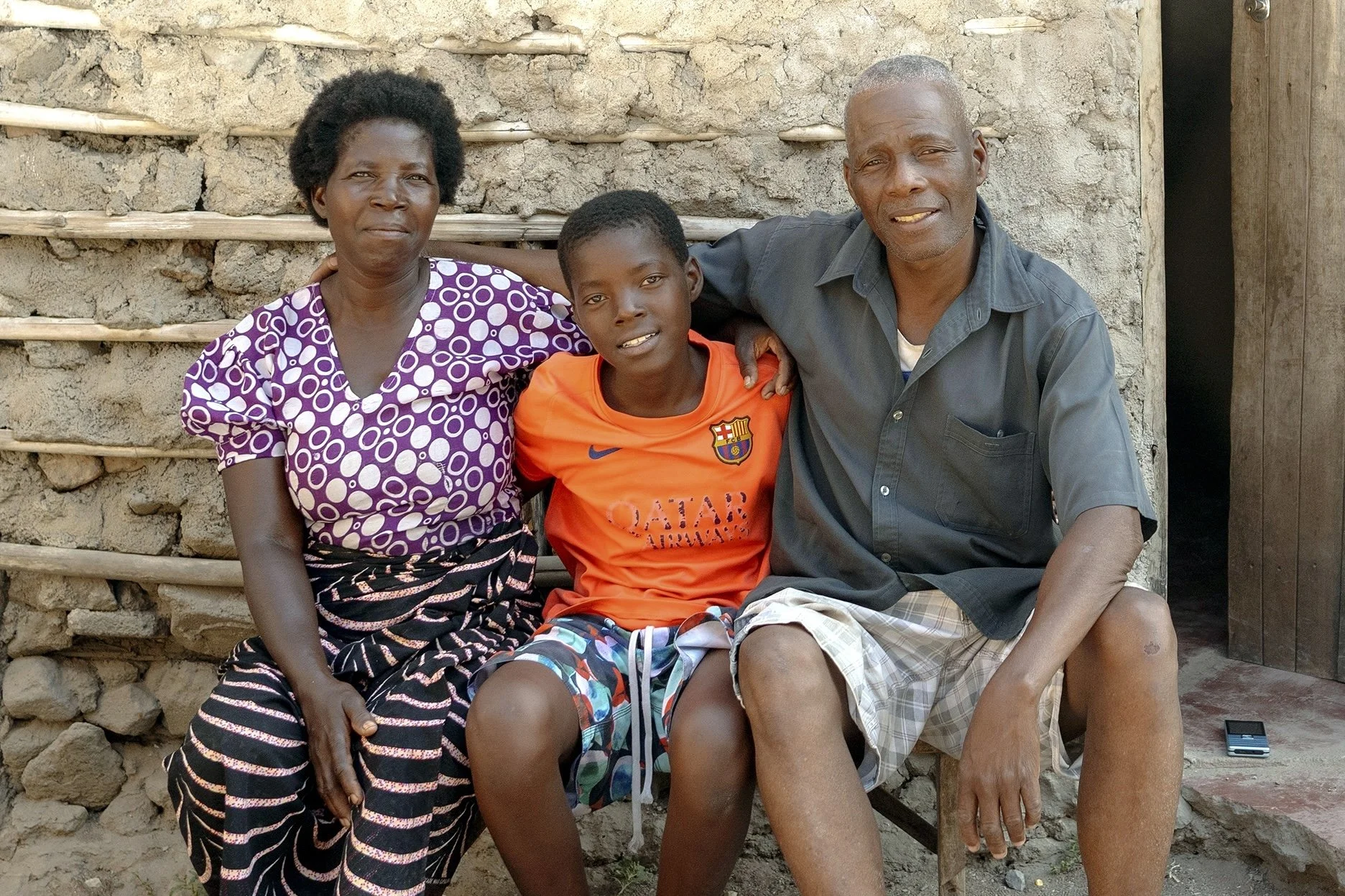
‘His Heart Was Beating Differently’
At just 15 years old, António Joaquim has already faced a life-threatening condition. His story of resilience and recovery illustrates the challenges of accessing timely diagnoses for noncommunicable diseases in low-resource settings—and the impact of integrated care models such as PEN-Plus.
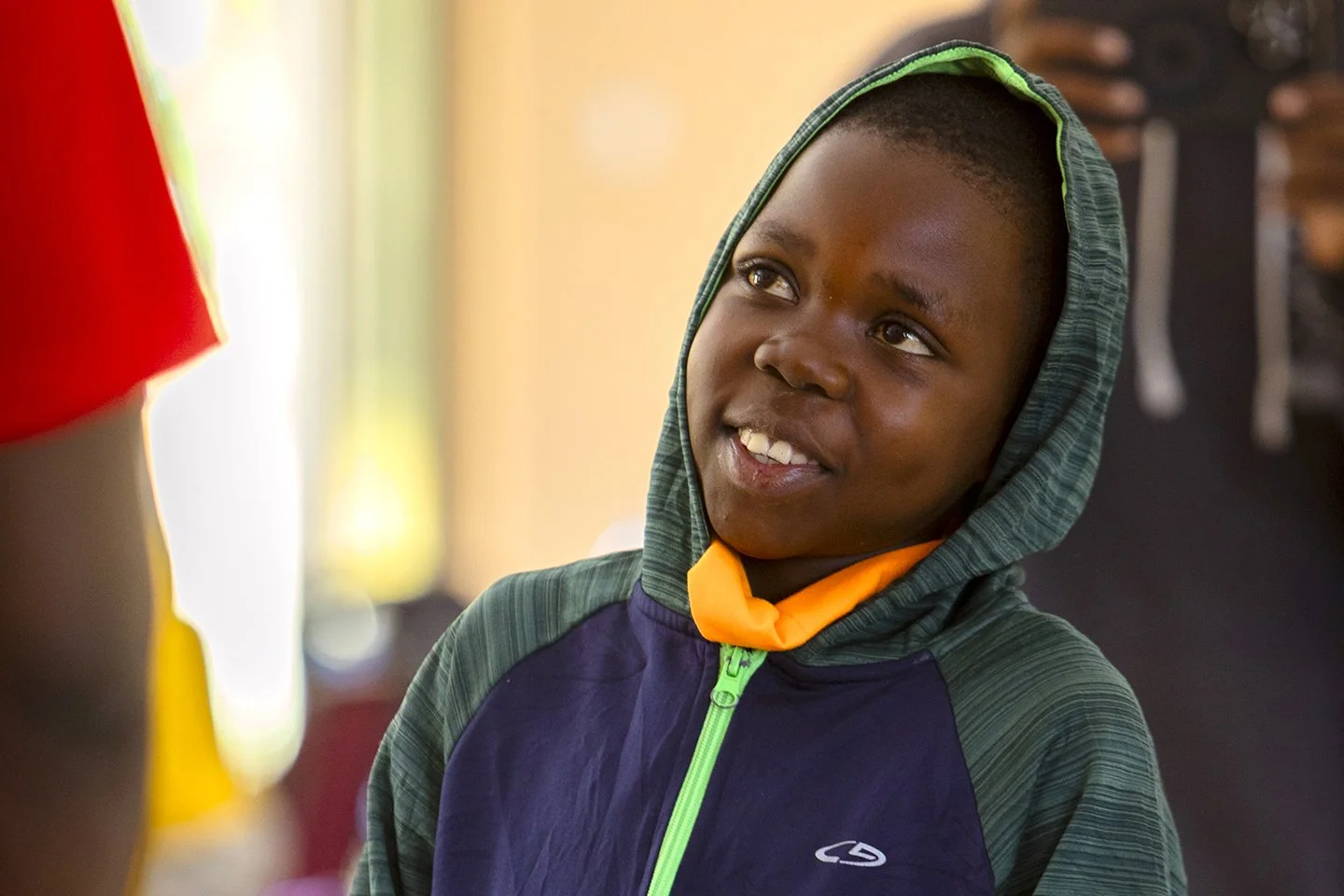
Stepping from the Background to Center Stage
Daniel Mulowa, an 11-year-old with sickle cell disease, experienced a transformative week at an PEN-Plus camp last summer. The camp, held in Zambia for young people with sickle cell disease or type 1 diabetes, showed the power of peer support, health education, and empowerment.
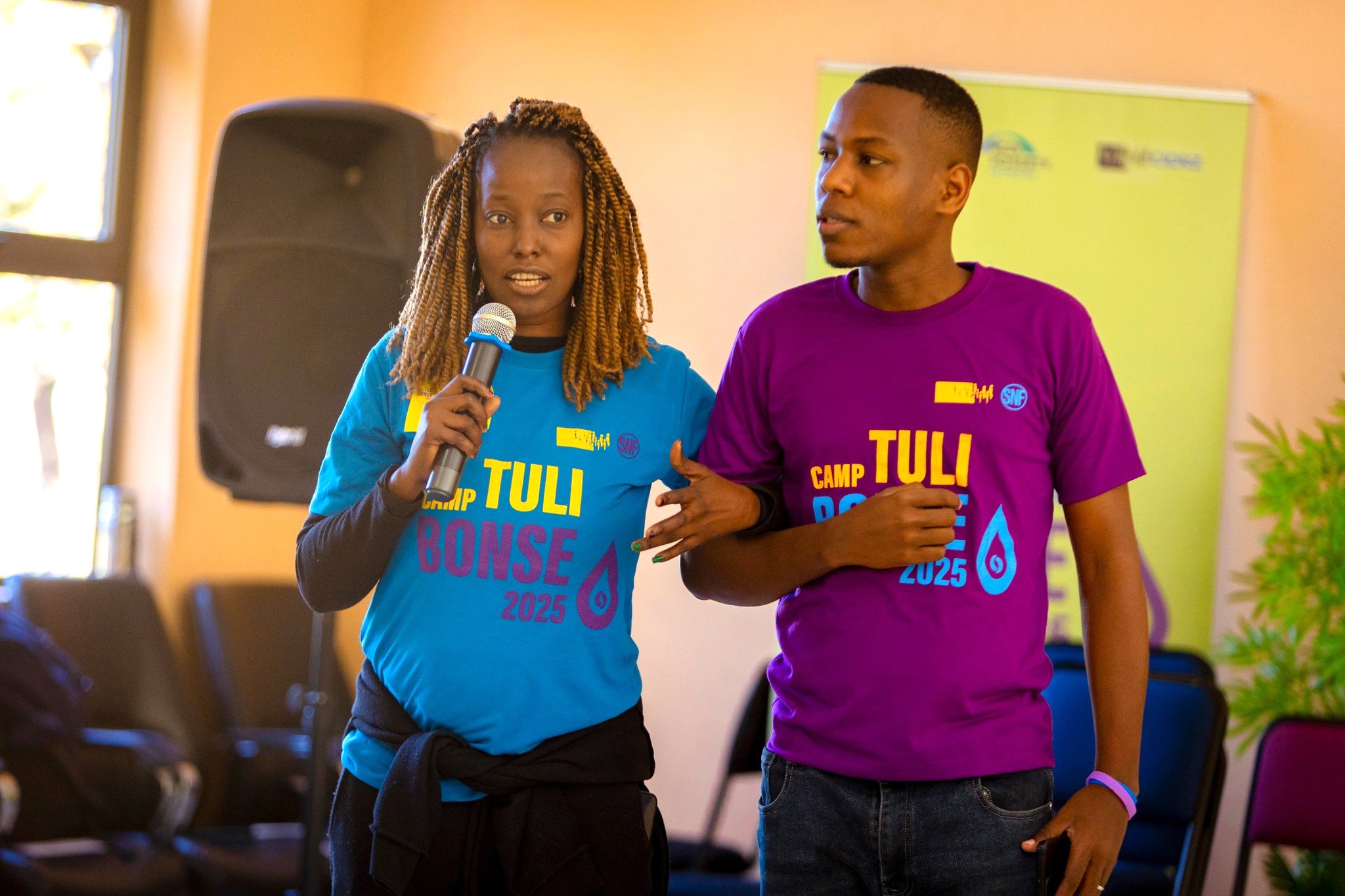
Transforming Pain into Power: Mentors Encourage Young Warriors to Become Advocates
Emmanuel Kisembo and Lwimba Kasongo—who live with type 1 diabetes and sickle cell disease, respectively—are tireless advocates for awareness and education about their conditions. They are members of the NCDI Poverty Network’s Voices for PEN-Plus program and were co-captains last summer at an integrated PEN-Plus camp in Zambia, where they mentored nearly 60 youth with noncommunicable diseases. In this article, they share their lived experience and reflections on mentorship, advocacy, and the power of integration in fostering peer support.
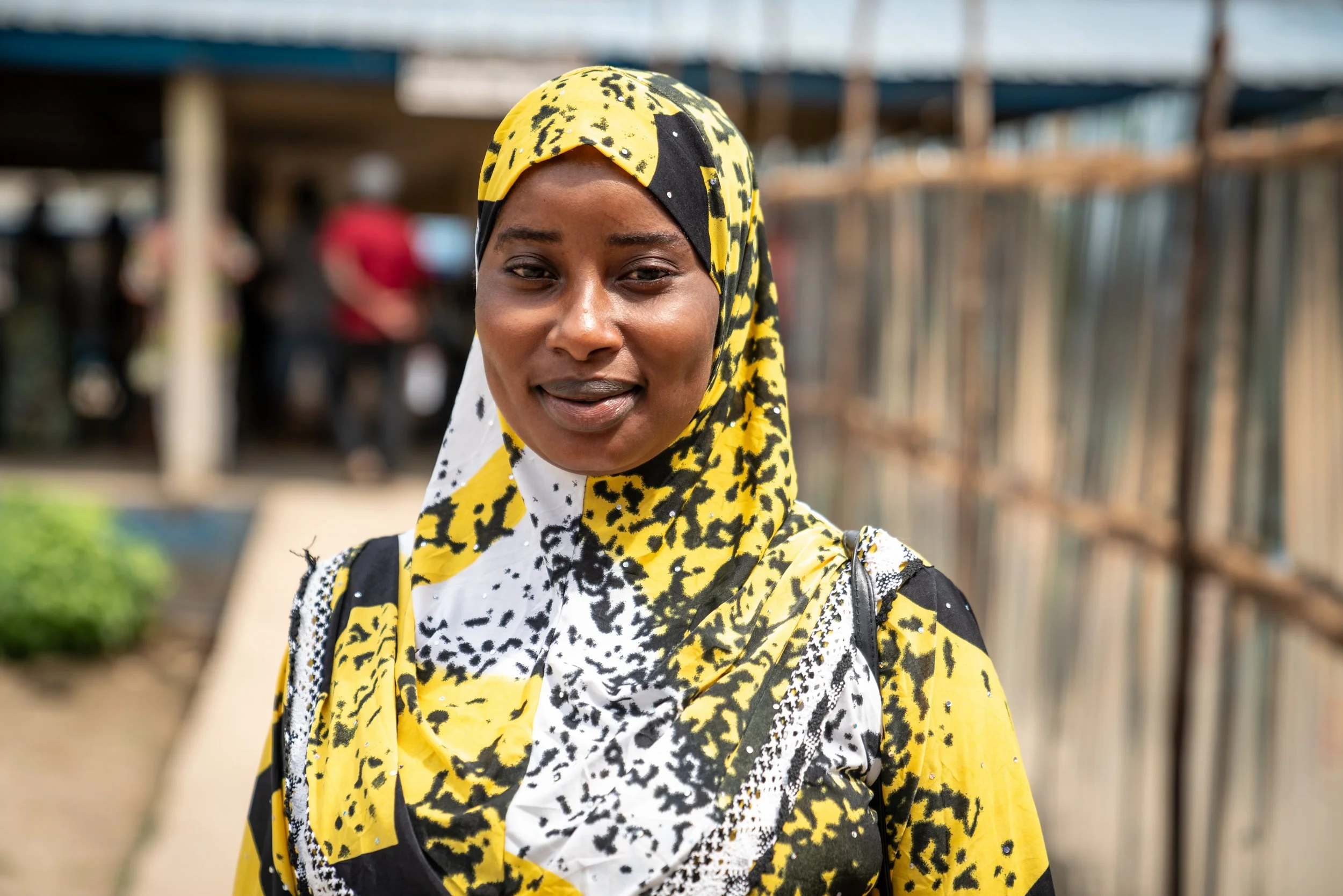
PEN-Plus Empowers Schoolteacher Living with Type 1 Diabetes in Sierra Leone
Thanks to her continued care at the PEN-Plus clinic in Koidu, Umu Barrie was able to complete her studies and begin her career as a teacher. “Receiving this treatment has encouraged me to be a role model,” she said. “I am now living my life to the full, and I want to help other people with diabetes change their lives.”
Peer Support a Growing Focus of Noncommunicable Disease Care
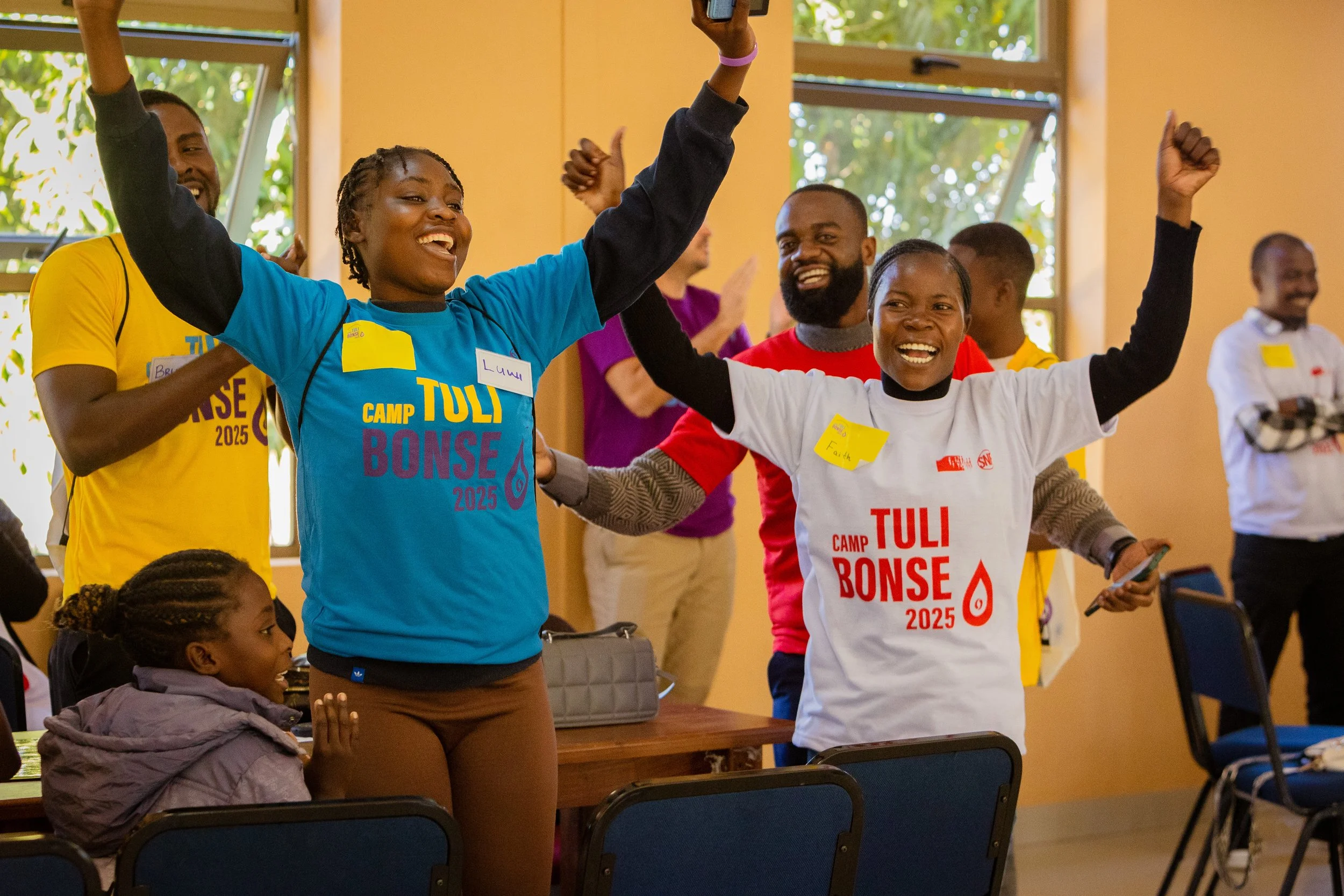
With peer support having proved to be a key component of PEN-Plus care, the NCDI Poverty Network is developing an integrated training program for peer educators. “We’ve seen beautiful examples of young people who are unafraid to speak boldly about their condition, to be advocates, to be champions,” said Dr. Colin Pfaff, the Network’s associate director of programs. “They are living successful lives and are examples to others, which has such a powerful impact.”
Type 1 Diabetes Study in Liberia Shows Value of Patient Education and Peer Support
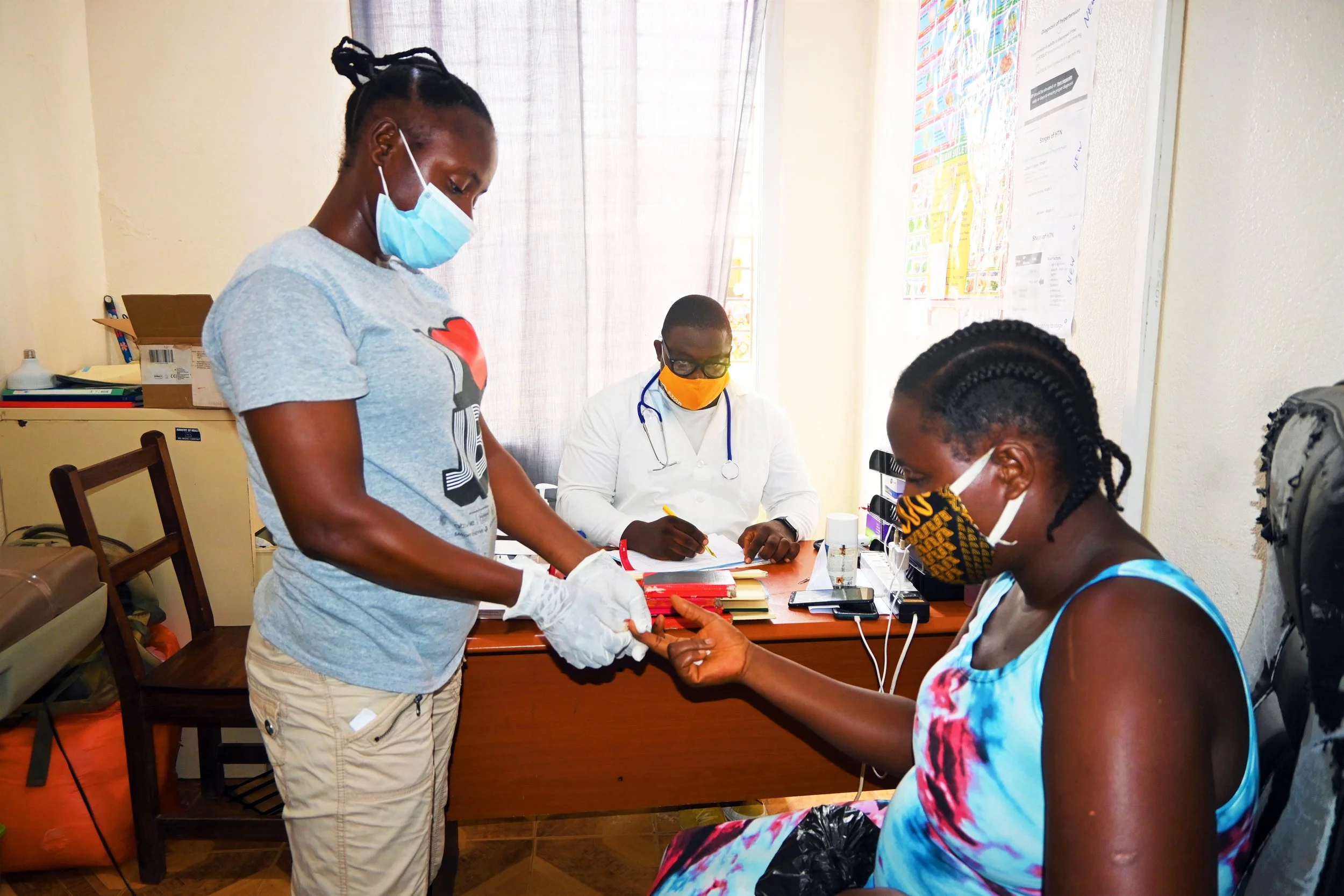
A recently published study found that patient education and peer support helped people living with type 1 diabetes in rural Liberia manage their disease. “Their extra barriers to health,” said Dr. Alma Adler, the Network’s research director, “make it even more critical for patients in low-resource settings to gain both problem-solving skills and a strong clinical understanding of their condition.”
Diabetes Song Brings Music to Mozambique Peer Groups
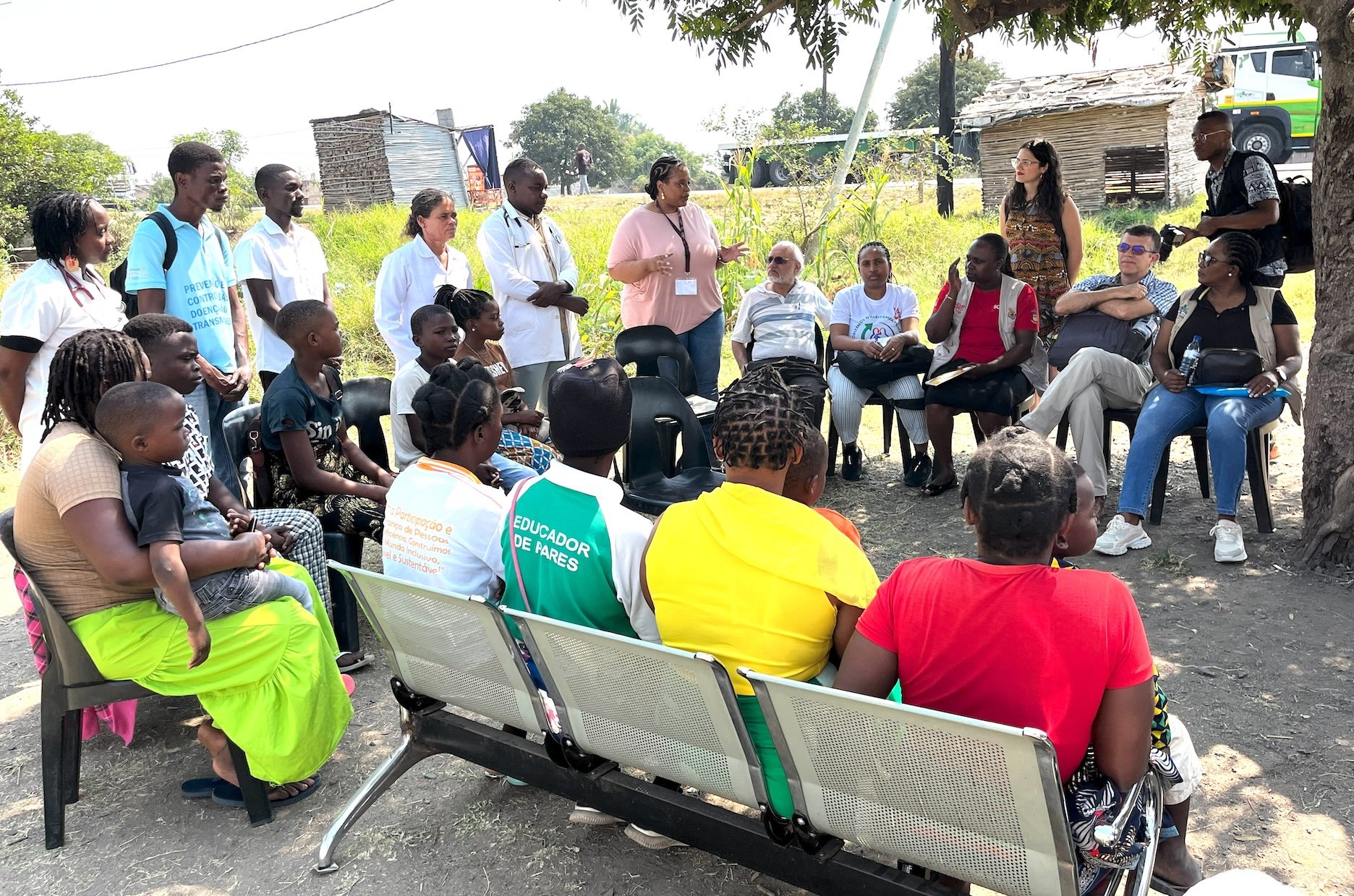
The catchy, R&B-style track is providing new support and empowerment for people living with severe, chronic noncommunicable diseases such as type 1 diabetes.

‘Your Future Ends Here’ - Diabetes Warrior Bounces Back from Stigma
Naomi Mwila was attending college for civil engineering, planning her career, and dreaming of a bright future until a diagnosis of type 1 diabetes changed her entire outlook, as a college professor told her that her condition meant she no longer had anything to live for. Then an integrated PEN-Plus camp restored her ability to dream.
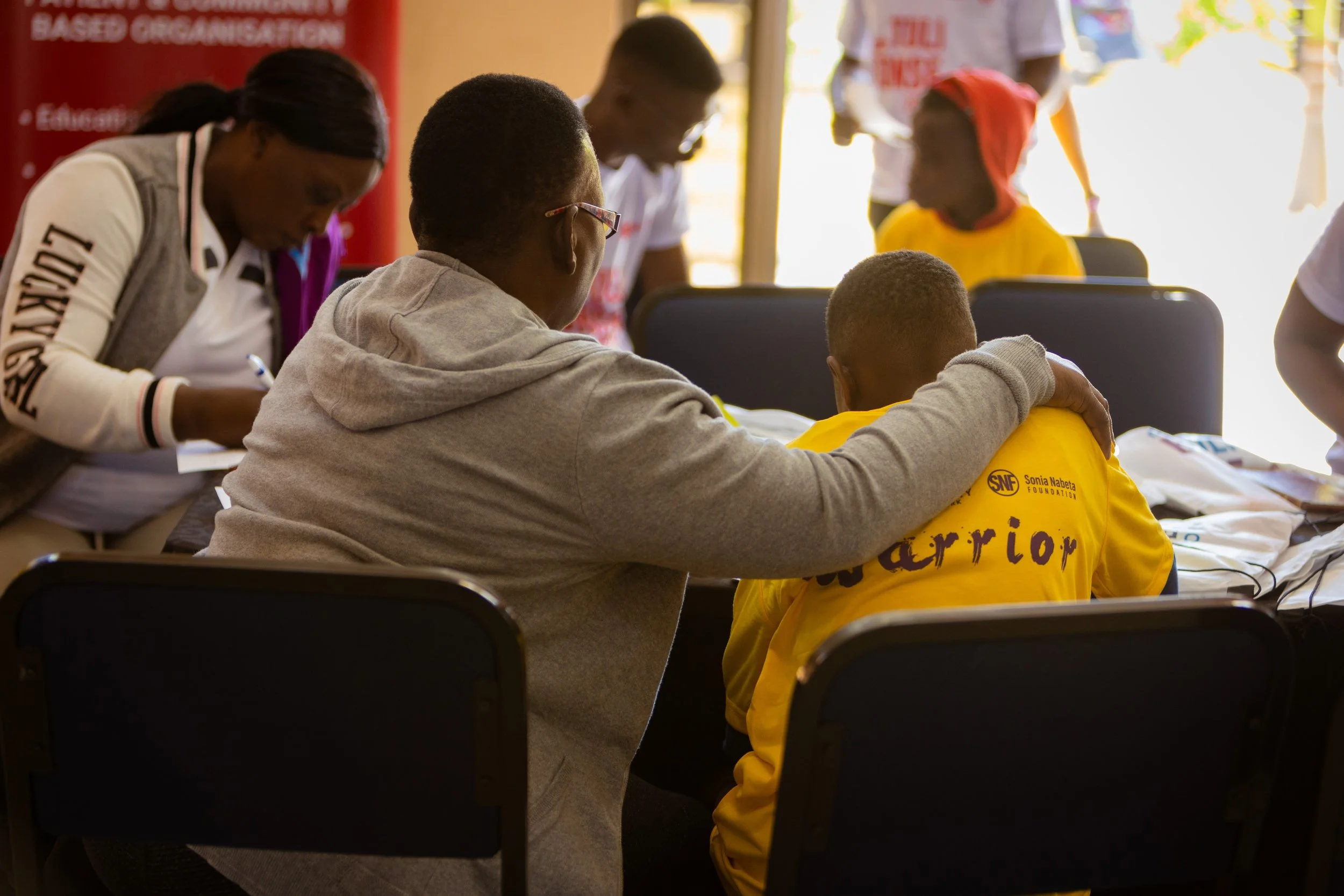
Photo Gallery: Camp Tuli Bonse, Lusaka, Zambia
Photos from the weeklong camp show joy, education, and empowerment, as young people living with type 1 diabetes or sickle cell disease shared experiences, learned about managing their health and, above all, discovered they were not alone.
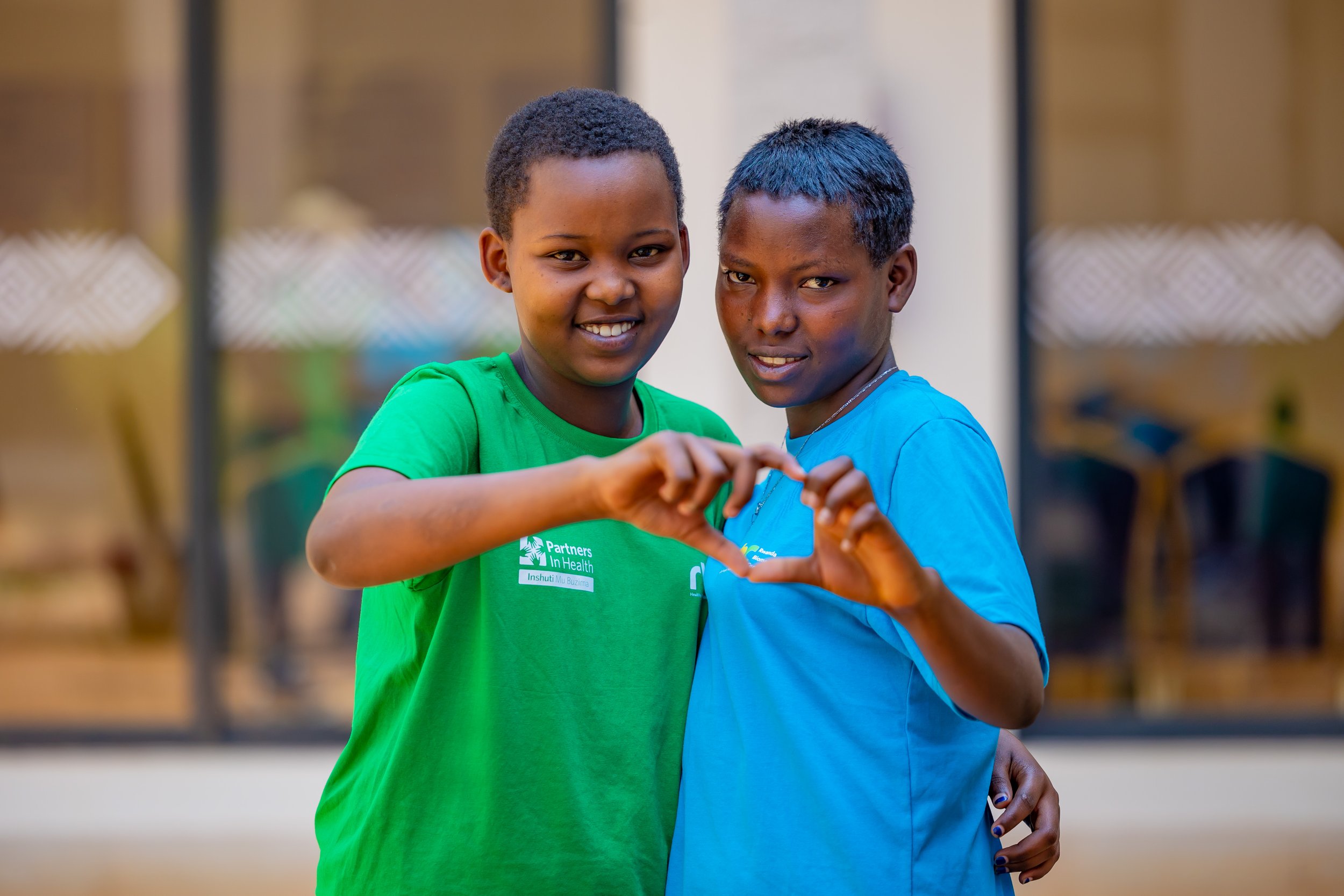
Youth Camps Bring Support Beyond Clinical Care
Camps that bring together young people living with a severe noncommunicable disease are showing that the benefits of integrated care can extend far beyond clinical settings. The first such camps—held this year in Rwanda and Zimbabwe—hosted young people with type 1 diabetes, sickle cell disease, and childhood heart disease.