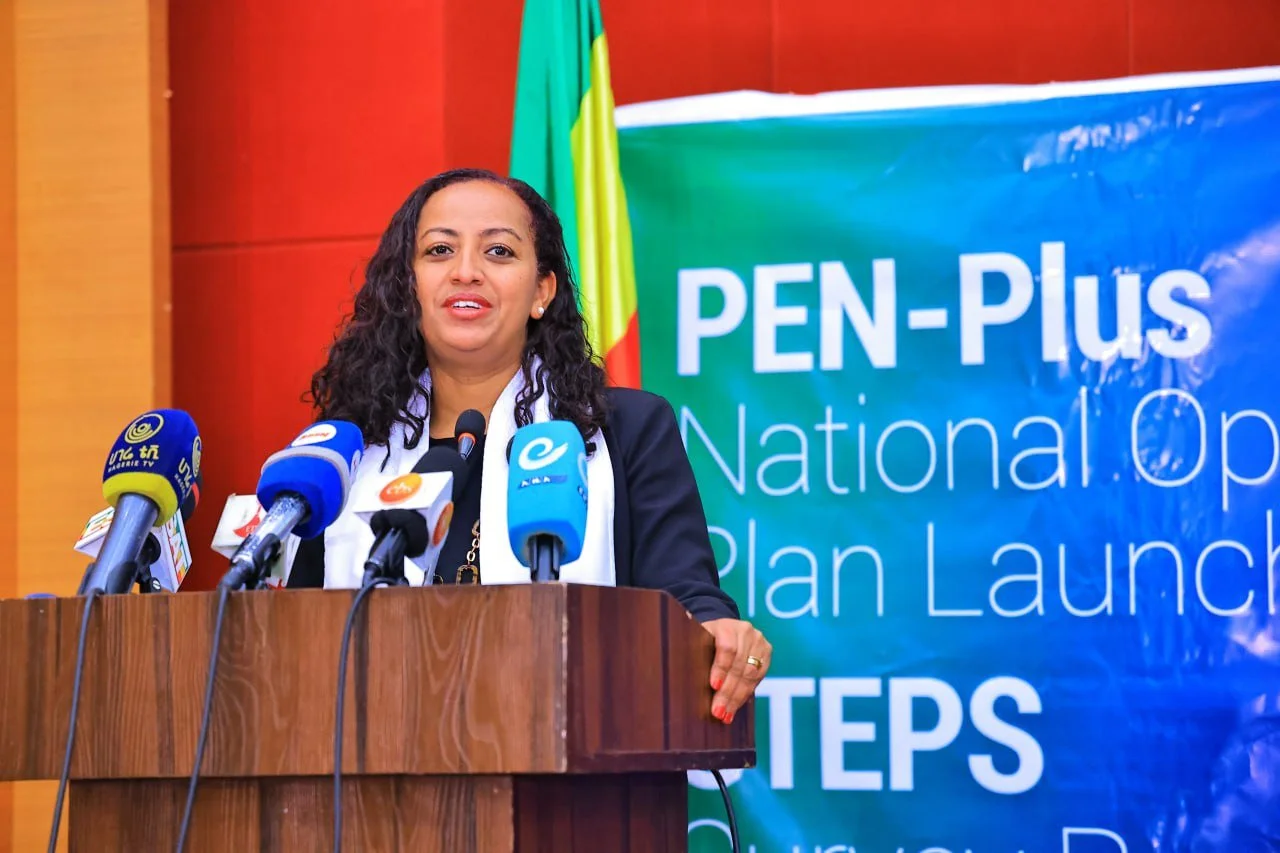
Dr. Mekdes Daba, Ethiopia’s minister of health, provided remarks at the launch ceremony of the country’s PEN-Plus National Operational Plan. (All photos courtesy of the Mathiwos Wondu Foundation)
The NCDI Poverty Network joined with the Government of Ethiopia, the Mathiwos Wondu Foundation, the World Health Organization, and other partners in a Jan. 22 ceremony to launch Ethiopia’s PEN-Plus National Operational Plan, marking another major milestone for the growth of PEN-Plus in sub-Saharan Africa.
“The PEN-Plus program is a vital strategy designed to empower primary hospitals, ensuring that they meet high standards of care for patients with severe, chronic noncommunicable diseases (NCDs),” Dr. Dereje Duguma, Ethiopia’s state minister of health, wrote in the plan’s foreword. “This program not only complements the World Health Organization’s Package of Essential NCD Interventions (PEN), but also aims to establish minimum programmatic standards across newly formed PEN-Plus clinics nationwide.”
Dignitaries at the launch ceremony included Ethiopia’s minister of health, Dr. Mekdes Daba; Dr. Duguma; Dr. Hiwot Solomon, director of disease prevention and control for the Ministry of Health; Dr. Gene Bukhman, co-chair of the NCDI Poverty Network; Wondu Bekele, chief executive director of the Mathiwos Wondu Foundation; and representatives of the World Health Organization, the World Bank, and other partners.
“The PEN-Plus program is a vital strategy designed to empower primary hospitals, ensuring that they meet high standards of care for patients with severe, chronic noncommunicable diseases.”
The Mathiwos Wondu Foundation—named for Wondu Bekele’s youngest son, who died of leukemia at the age of four—is the implementing partner for both of Ethiopia’s PEN-Plus clinics.
The national plan calls for scaling up PEN-Plus to clinics in 150 primary hospitals over five years—including, in the first year, 11 hospitals spread across the country—with a target of enrolling an estimated 82,000 patients. The total projected budget for the national plan is about US$65 million, Dr. Solomon said during the launch ceremony. Funding sources illustrate a strong example of government ownership and co-financing, Dr. Solomon added, noting that the total breaks down to about 40 percent from the Government of Ethiopia, about 32 percent from donors and partners, and about 28 percent from community-based health insurance and patient out-of-pocket costs.
The national plan also details key components of PEN-Plus implementation in Ethiopia, from staffing primary hospitals with professional care providers trained in managing severe NCDs to establishing a system-wide monitoring and evaluation framework.
“We will implement standardized treatment protocols and ensure the availability of essential medical equipment, drugs, and commodities,” Dr. Duguma wrote in the foreword. “Through robust health education and promotion, we aim to raise awareness about severe, chronic NCDs, promote early detection, and encourage adherence to treatment plans among patients and communities.”
The launch ceremony followed a similar ceremony in Kenya in November, when government officials and health leaders launched Kenya’s national operational plan as part of a conference on NCDs. Last July, Zambia commemorated its plan with an event in Lusaka, and Zimbabwe launched its plan in March. The events were part of a significant year for PEN-Plus growth across sub-Saharan Africa, and Ethiopia’s launch ceremony signals that 2026 is poised to maintain that momentum.
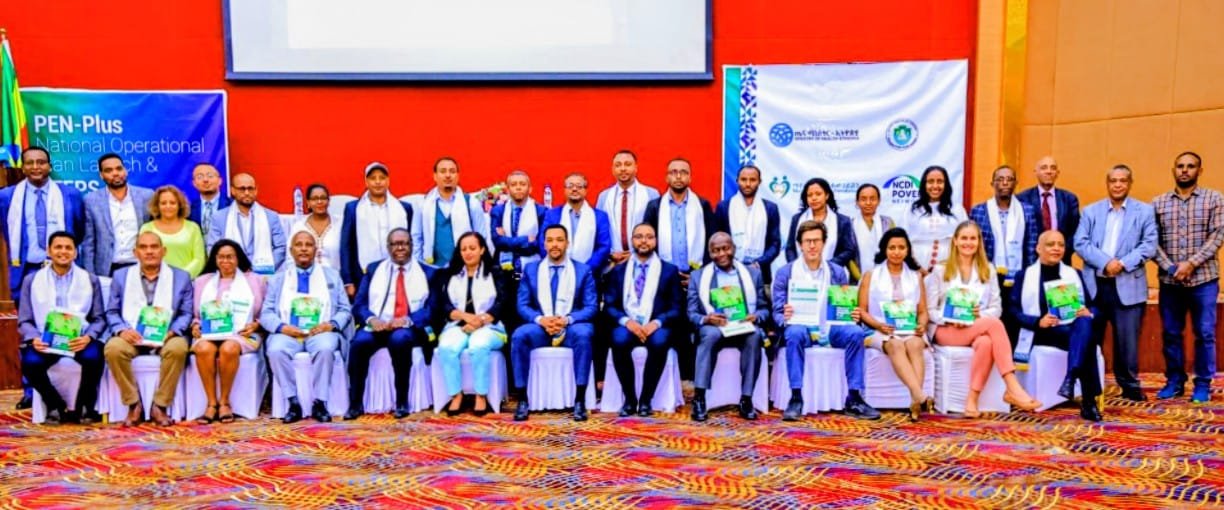
Ethiopia health officials gather with representatives of the NCDI Poverty Network, Mathiwos Wondu Foundation, and other partners at the Jan. 22 launch.
“We are inspired by the Government of Ethiopia’s leadership and ambition for scaling up PEN-Plus to benefit people living with severe NCDs, including type 1 diabetes and childhood-onset heart conditions,” said Dr. Neil Gupta, senior director of policy for the NCDI Poverty Network. “We’re proud to have partnered with the Ministry of Health and the Mathiwos Wondu Foundation for the past decade to make this dream a reality.”
The NCDI Poverty Network partners with governments and organizations around the world to support PEN-Plus programs in low- and lower-middle-income countries. All 47 member states of the WHO’s Regional Office for Africa have adopted PEN-Plus as their principal strategy for advancing access to care for people living with severe, chronic NCDs. The WHO African Region has set the ambitious goal of having 70 percent of member states initiate PEN-Plus services by 2030.
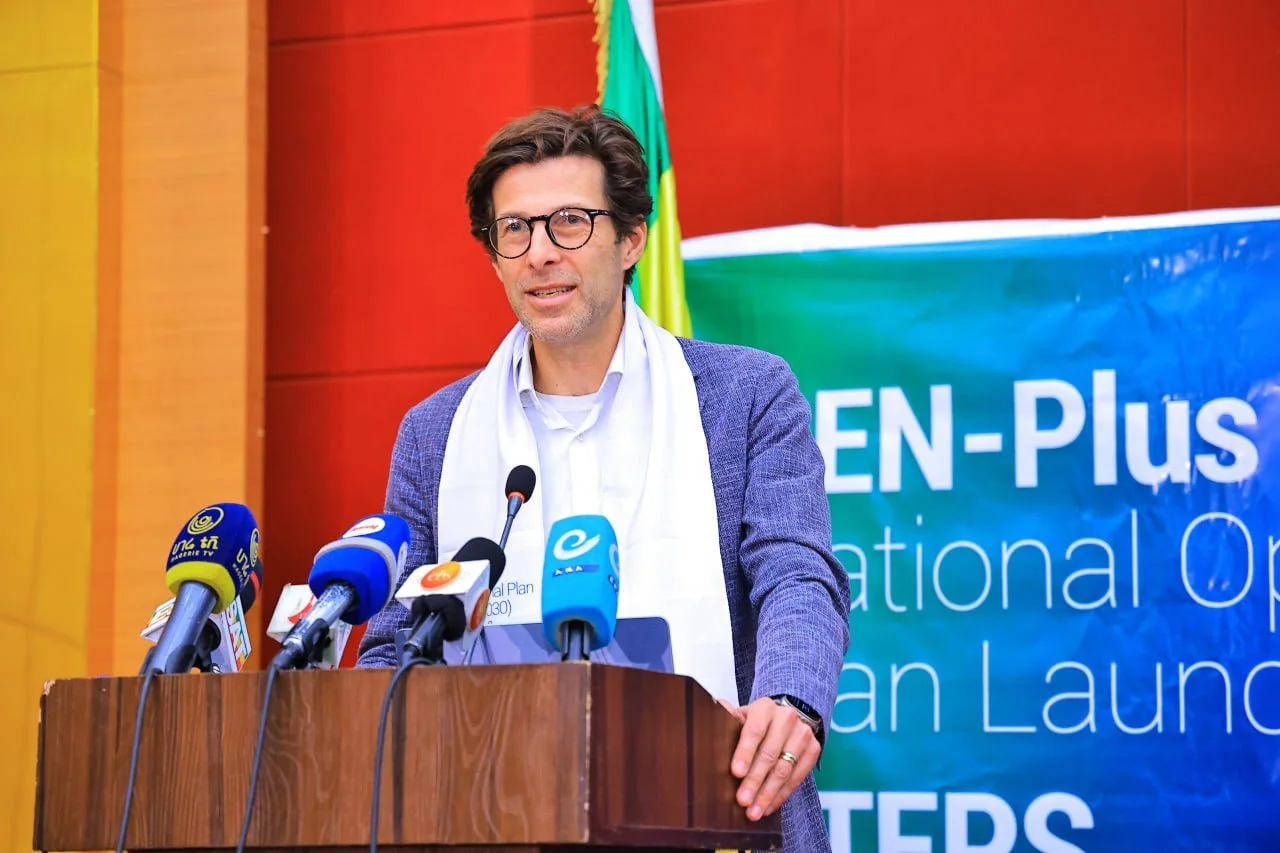
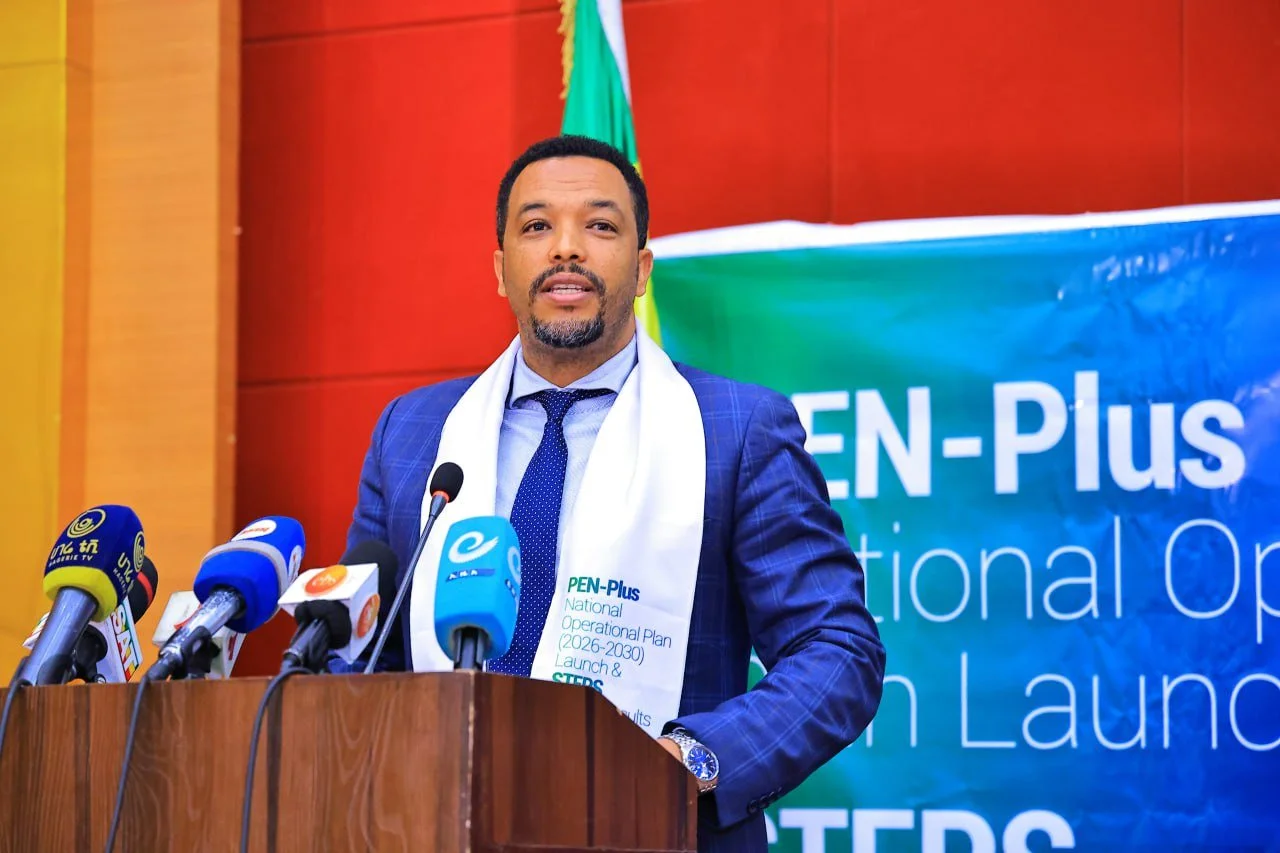
Dr. Gene Bukhman, co-chair of the NCDI Poverty Network, gave remarks at Ethiopia’s launch event.