News and Stories
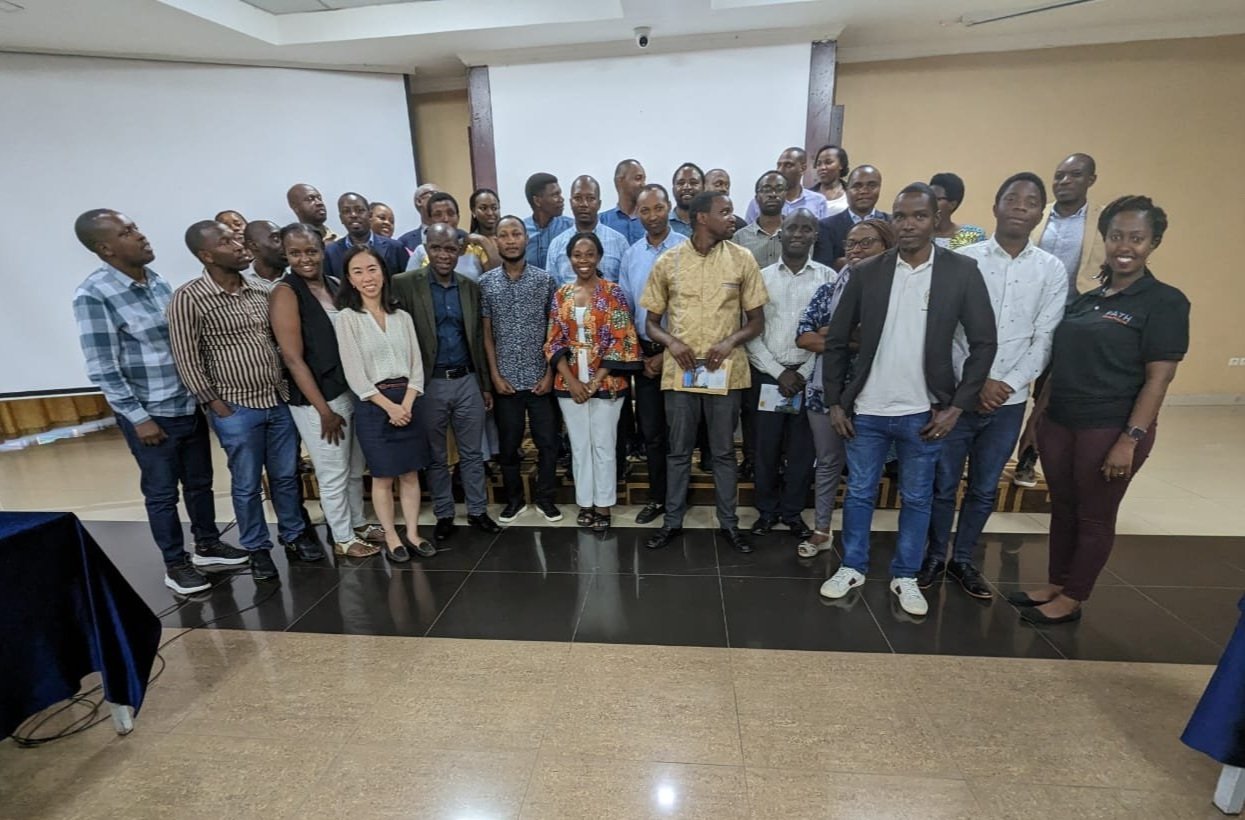
Network Cohosts National Cardiac Technical Working Group
In May, the NCDI Poverty Network, in partnership with the Rwanda Ministry of Health and with support from Team Heart, launched a national Cardiac Technical Working Group.

Collaboration Focused on Achieving PEN-Plus Regional Implementation Targets
The WHO Regional Office for Africa (WHO/AFRO) and the Center for Integration Science in Global Health Equity (CIS) met in Accra, Ghana, from 17 to 19 July to discuss the region’s PEN-Plus implementation strategy.
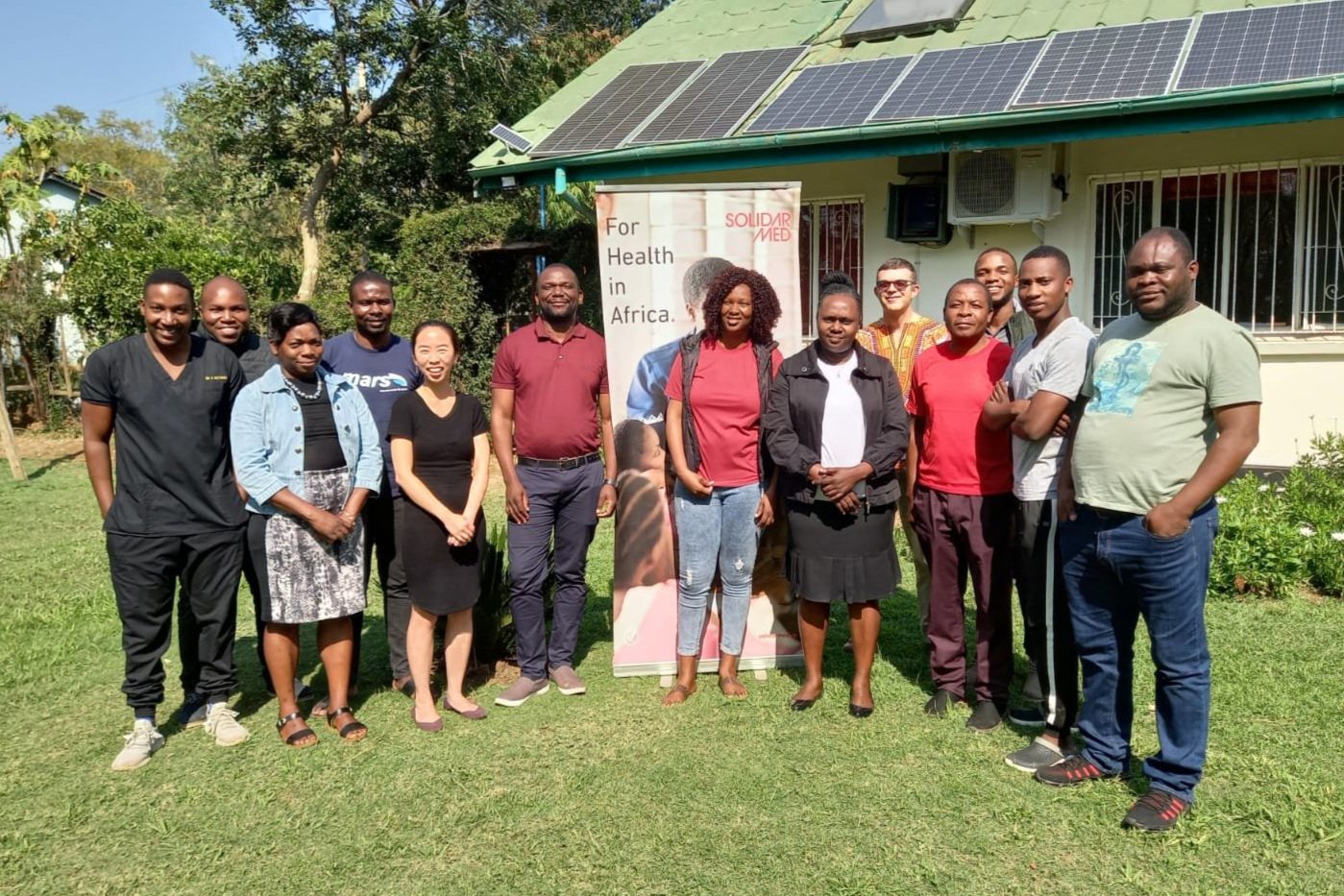
PEN-Plus Providers in Zimbabwe Receive Cardiac Training
In May, eight PEN-Plus providers in Zimbabwe received initial training in performing and interpreting echocardiograms. Those eight providers—along with seven others—were also trained in managing heart failure.
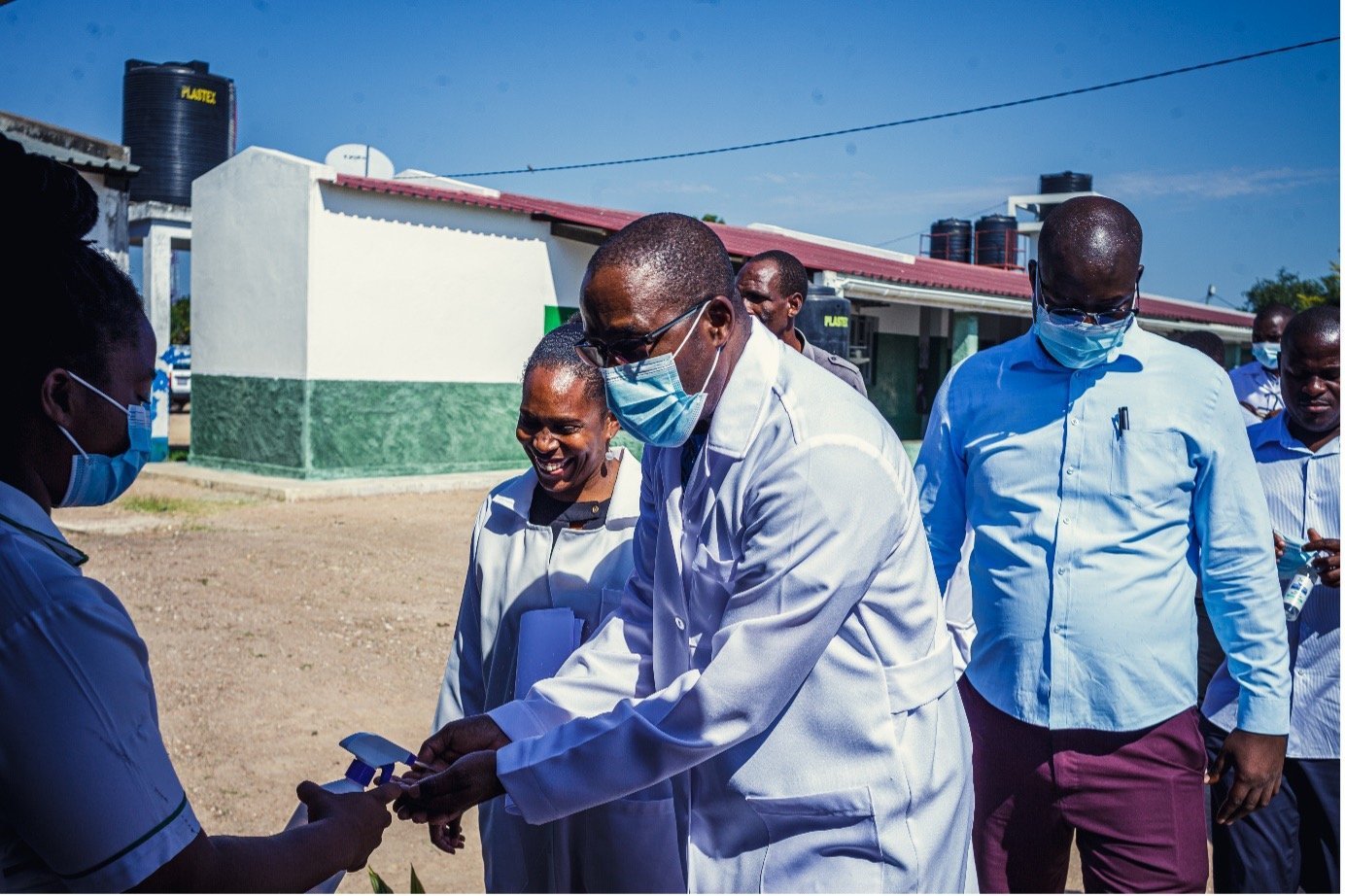
Mozambique Minister of Health Visits Nhamatanda PEN-Plus Clinic
On 2 June, Mozambique Minister of Health H.E. Dr. Armindo Daniel Tiago visited the PEN-Plus clinic at Nhamatanda Rural Hospital.

Building Solidarity for Severe, Chronic Noncommunicable Diseases: Team PEN-Plus Runs in Support
“I run in support of the millions of people worldwide who live with type 1 diabetes,” said Dr. Apoorva Gomber, associate advocacy director of the Center for Integration Science in Global Health Equity at Brigham and Women’s Hospital. “I’ve run a marathon before and fundraised in the past. Still, this event was special because of the person who motivated my fundraising.”
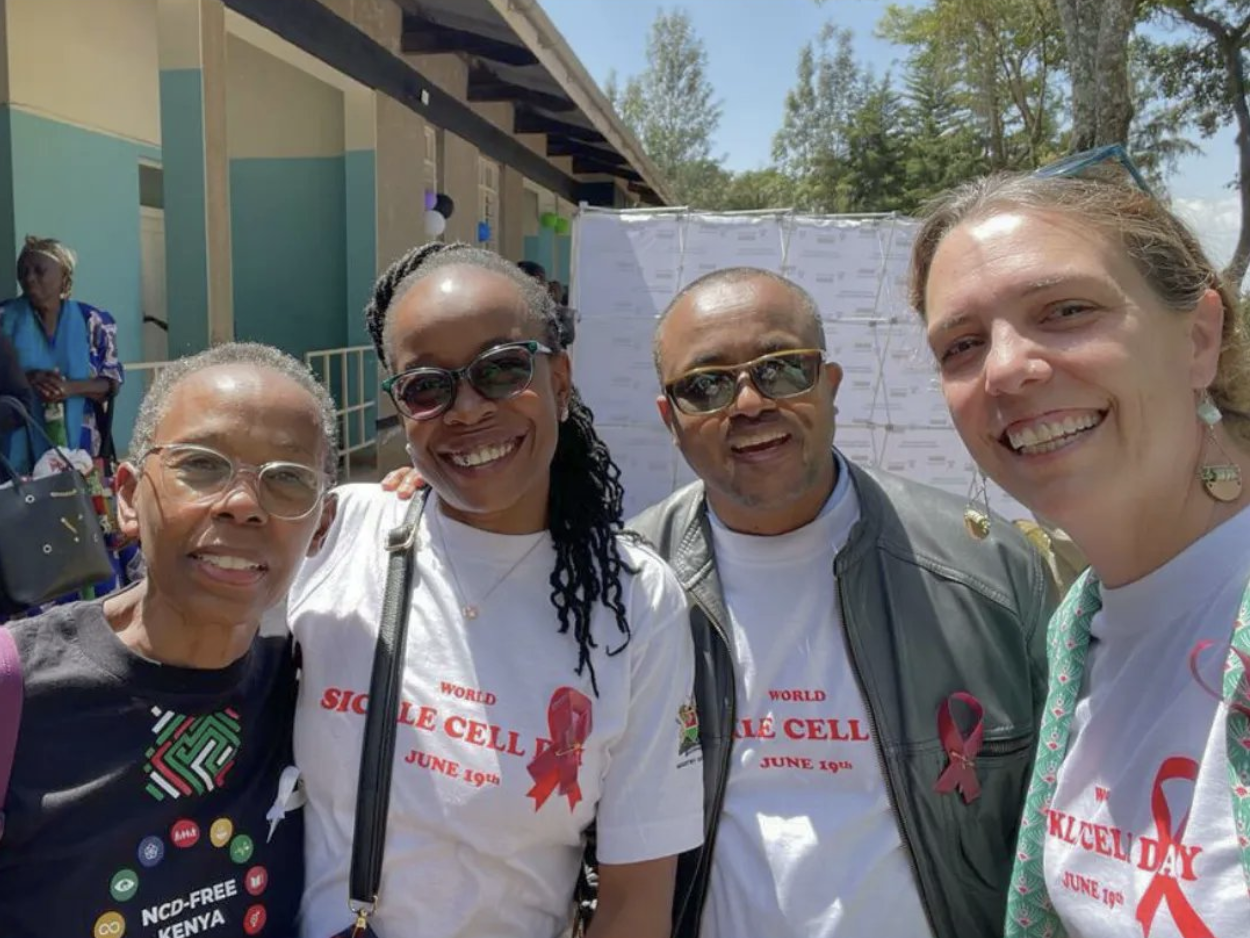
Kenya Ministry of Health Celebrates PEN-Plus Launch
The Kenya Ministry of Health, the county government of Vihiga, and NCD Alliance Kenya hosted a celebration of the launch of PEN-Plus in Kenya on June 19.
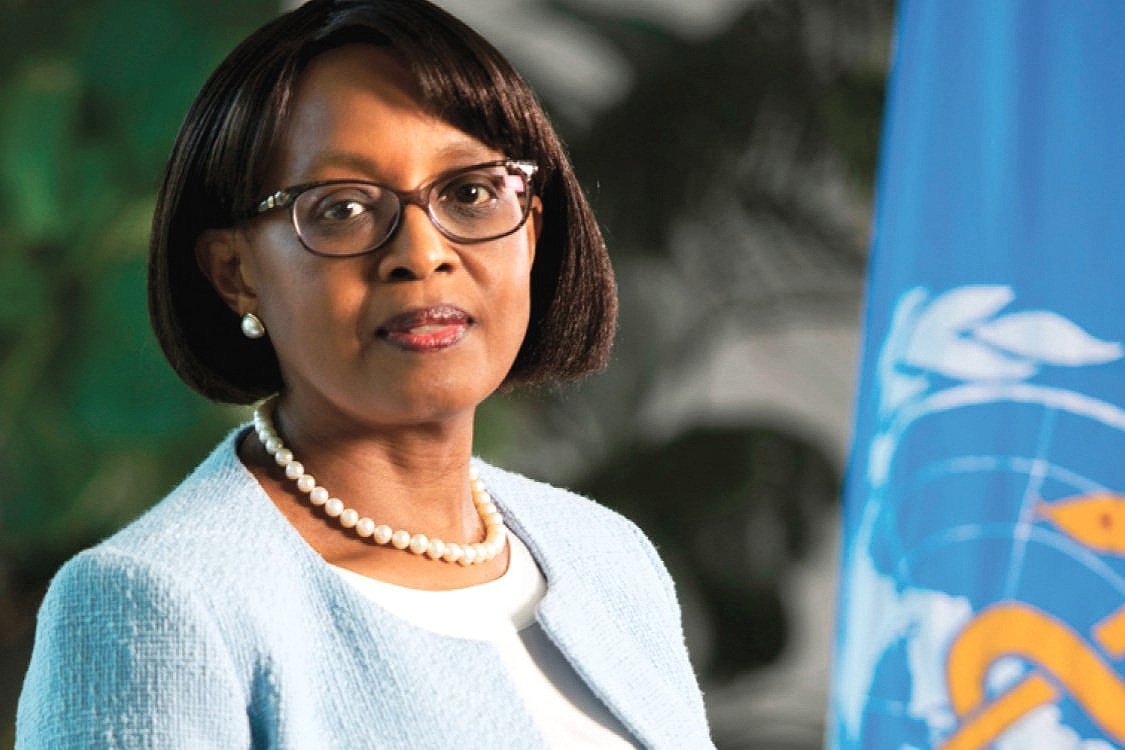
Helmsley Charitable Trust Supports WHO Regional Office for Africa Work in Severe Noncommunicable Diseases
Efforts to expand PEN-Plus across sub-Saharan Africa received a major boost today, when the Leona M. and Harry B. Helmsley Charitable Trust announced a $9 million grant to the World Health Organization Regional Office for Africa to expand care for people living with severe noncommunicable diseases (NCDs).

World Health Organization Recognizes Center for Leadership in Integration Science
The Center for Integration Science in Global Health Equity has been named a WHO Collaborating Centre in recognition of its work in designing integrated care delivery systems for people living with severe noncommunicable diseases in extreme poverty.
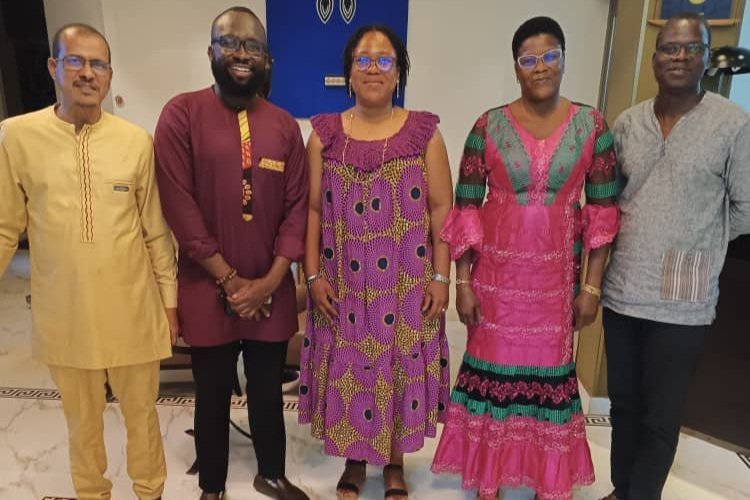
Burkina Faso Commission Convenes for Situation Analysis Meeting
Members of the Burkina Faso NCDI Poverty Commission met at the Ministry of Health offices in Ouagadougou in early May to review national NCDI data as part of an initial situation analysis.
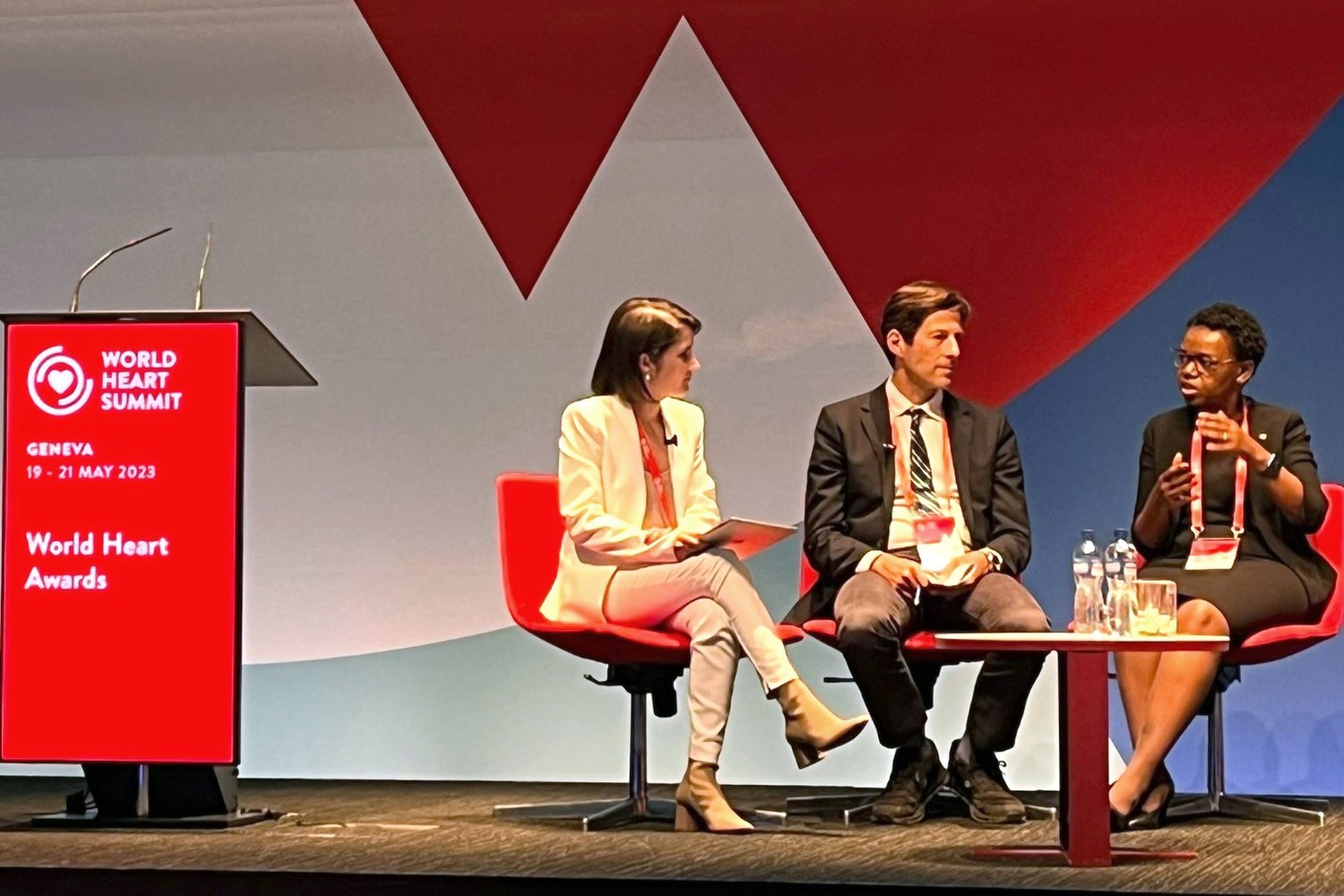
Network Co-Chairs Receive World Heart Federation Award in Geneva
The World Heart Federation has presented its Outstanding Contribution to Cardiovascular Health Award to Drs. Gene Bukhman and Ana Mocumbi, co-chairs of the NCDI Poverty Network. The presentation took place in May at the World Heart Awards ceremony in Geneva.
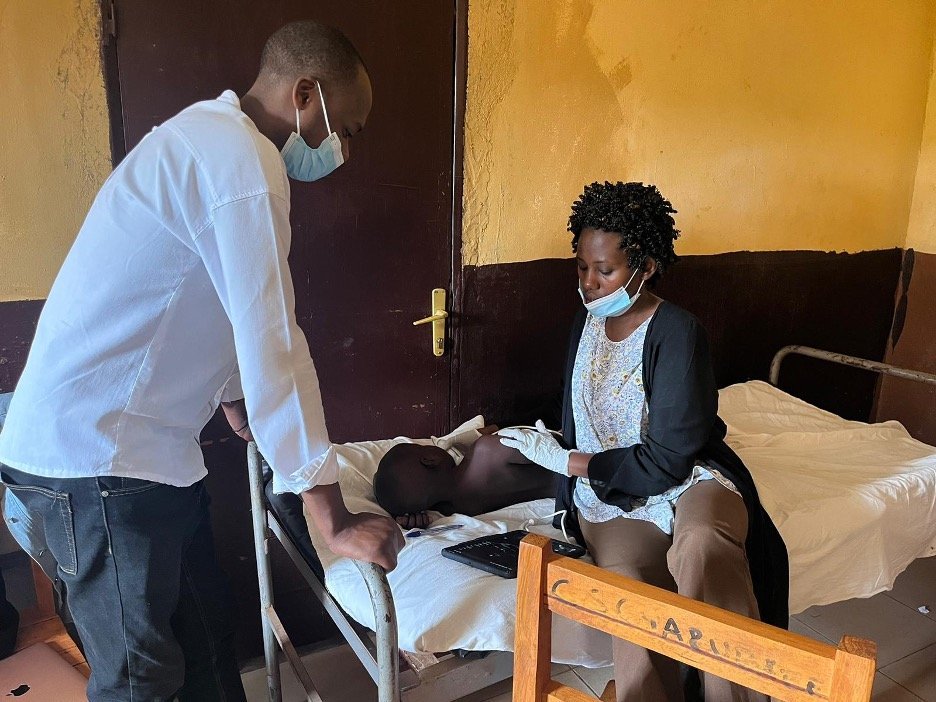
Rwanda Makes Strides in Cardiac Care Capacity
This spring, the Ministry of Health of Rwanda offered two weeks of practical training for 24 nurses and doctors from a dozen PEN-Plus district hospitals. The training—provided in partnership with the Network, Team Heart, and Partners In Health Rwanda—focused on the skills needed to diagnose and treat heart failure in rural district hospitals.

Cameroon NCDI Poverty Commission Meets Ahead of Report Dissemination
Members of the Cameroon NCDI Poverty Commission met in Yaounde on May 10 to review the results of their situation analysis and priority-setting work on the country’s noncommunicable disease burden. Attending were leaders and representatives of both the Ministry of Health and the country office of the World Health Organization.

Mozambique Visit Highlights Need for PEN-Plus Clinics
The stark realities of living with severe noncommunicable diseases in extreme poverty became clear to members of the High-Level Advisory Group of the PEN-Plus Partnership when they convened in Mozambique in March to discuss strategies for supporting initiation and scale-up of PEN-Plus in resource-poor countries.

Lancet Commentary Highlights Feasibility of Decentralizing Care for Severe, Chronic NCDs
A commentary published in The Lancet Diabetes and Endocrinology in early May showcases the power of PEN-Plus and the PEN-Plus Partnership to bring lifesaving care for severe, chronic NCDs to first-level hospitals in poor, rural areas of lower-income countries.
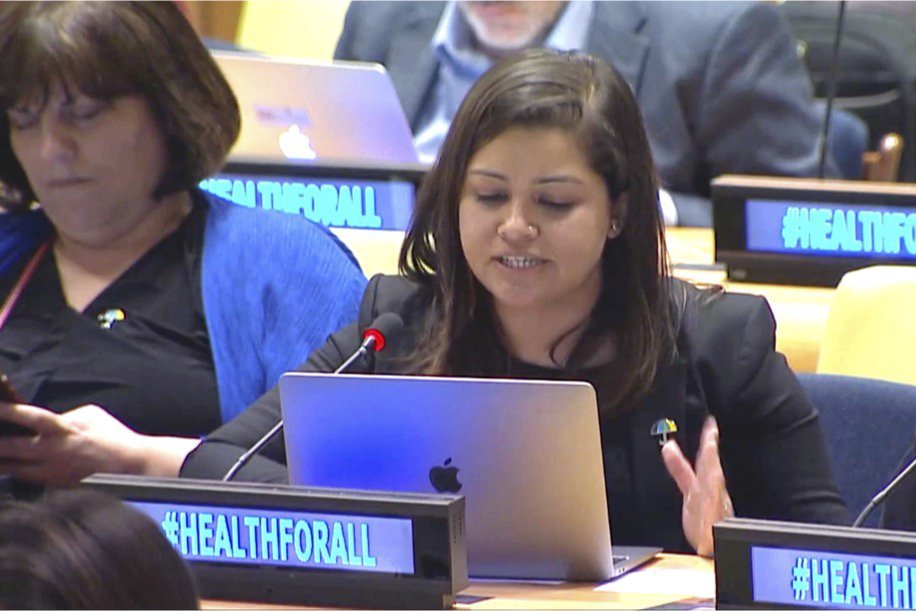
Apoorva Gomber Delivers Impassioned Plea at UN Hearing
“Where a child lives should not determine whether a child lives,” declared Dr. Apoorva Gomber, associate advocacy director for the NCDI Poverty Network. “And yet children with type 1 diabetes in rural areas of sub-Saharan Africa often die within a year of diagnosis. This reality is morally unconscionable.”
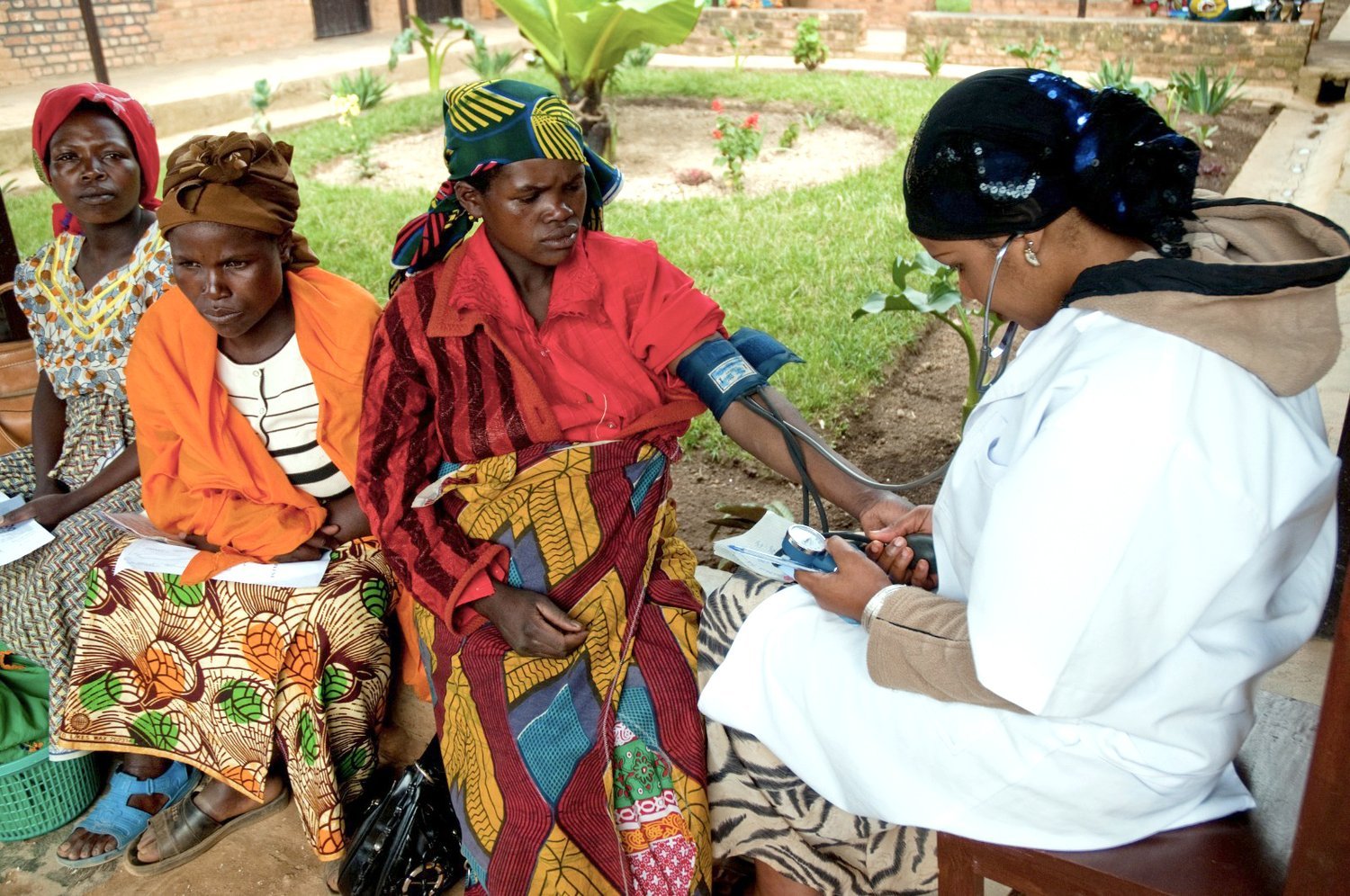
What Women Want: Rwanda Study Highlights Women’s Top Health Concerns
Access to care for back pain, food insecurity, and abnormal vaginal bleeding. Overcoming the barriers to care posed by the high costs of transportation to clinic and missing work. Care delivered in a way that respects both dignity and privacy. Those were some of the top healthcare priorities that women in rural Rwanda identified in an International Journal of Gynecology and Obstetrics study.

Cambodia NCDI Poverty Commission Meets for Priority-Setting Workshop
The Cambodia NCDI Poverty Commission members took a big step in March 2023 when they reviewed key findings of the country’s situation analysis and conducting a workshop to form recommendations on which noncommunicable conditions and interventions to prioritize based on burden, severity, and equity.
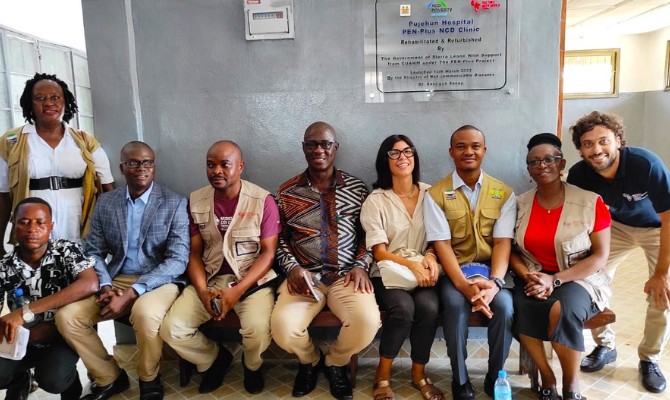
“Help for Life and Health for All”
“Help for life and health for all!” wrote Dr. Giacamo Marro of Doctors with Africa CUAMM on the Italian NGO’s blog. “With this message of hope and commitment, chosen by the health personnel, the PEN-Plus clinic for chronic non-communicable diseases at the government hospital in Pujehun was officially opened.”

Q&A: Center for Integration Science Aims to Break the Impasse on Global Health Equity
Type 1 diabetes, sickle cell disease, and rheumatic and congenital heart disease. In the United States, if people with any of these diseases walk through a hospital’s doors, they can get treated. Their treatment is typically swift and, by and large, effective. Yet, in low-income nations, these conditions can be a death sentence, together claiming the lives of more than 175,000 children and adults living in extreme poverty every year. More than 80 percent of these deaths could be avoided if people living in poor, rural areas of low-income countries had access to the highly effective treatment routinely available in the United States and other wealthy countries.
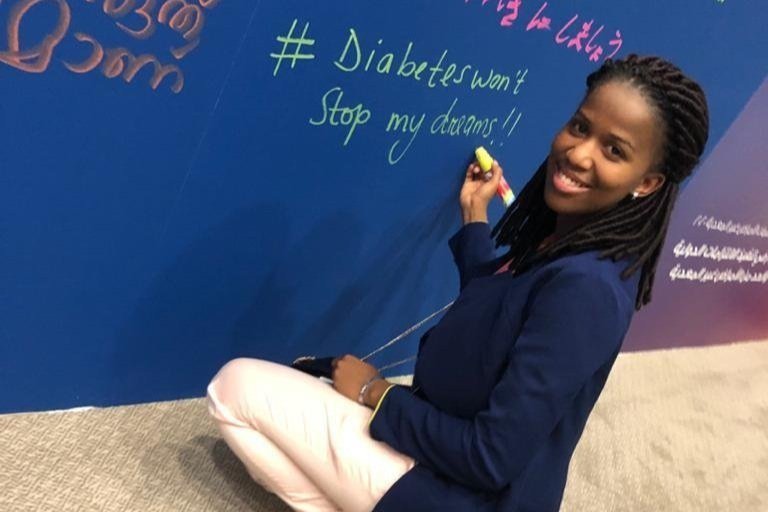
Type 1 Diabetes Champion: Paladie’s Story
“Much of my outreach work is focused on diabetes education because it’s important to eradicate the many misunderstandings about the condition. When I get in front of people, the first thing I say is that I’m living with type 1 diabetes. My energy and enthusiasm silence the voices that said I would die. People who live with type 1 diabetes and other severe noncommunicable diseases are no different from anyone else.“