
Emily Wroe, MD, MPH
Senior Director of Programs, NCDI Poverty Network and Center for Integration Science in Global Health Equity at Brigham and Women’s Hospital
Assistant Professor in Medicine, Harvard Medical School
Associate Physician, Division of Global Health Equity, Brigham and Women’s Hospital
Emily Wroe, MD, MPH, is an internist and expert in global health, serving as the Senior Director of Programs for the NCDI Poverty Network and one of its co-secretariats, the Center for Integration Science in Global Health Equity at Brigham and Women’s Hospital. In this role she supports the implementation and expansion of PEN-Plus programs, including in training, data systems, and clinical quality.
Dr. Wroe’s expertise in health systems for chronic diseases stems from several years working as Partners In Health’s Chief Medical Officer in Malawi, where she worked closely with the Ministry of Health to strengthen health care in the rural district of Neno. In Malawi she led the team to integrate HIV and noncommunicable disease clinics, spearheaded a stepped-wedge study of a community health worker program, and helped launch two clinics for patients with severe noncommunicable diseases, which was the beginning of the PEN-Plus program in Malawi. Her role then expanded to serve as co-chair of the Ministry of Health for Malawi’s National NCDs and Injuries of Poverty Commission and to help launch similar commissions in Zimbabwe and Zambia.
Dr. Wroe is also deeply experienced in public health response. In the past she served as Partners In Health’s Director of Implementation and Design for the statewide contact tracing program for COVID-19. Currently she remains a Senior Health and Policy Advisor for Partners In Health. She is an Assistant Professor in Medicine at Harvard Medical School and an Associate Physician in the Division of Global Health Equity at Brigham and Women’s Hospital.
Stories with Emily Wroe
What could global health achieve if it stopped organizing itself along traditional lines? On October 27, the Third Symposium on Integration Science will explore the latest advancements in integration science, a growing field that bridges fundamental gaps in traditional, disease-specific approaches to global health by applying expertise and methodologies from a range of disciplines. The Center for Integration Science in Global Health Equity at Brigham and Women’s Hospital will host the symposium in Boston and online.
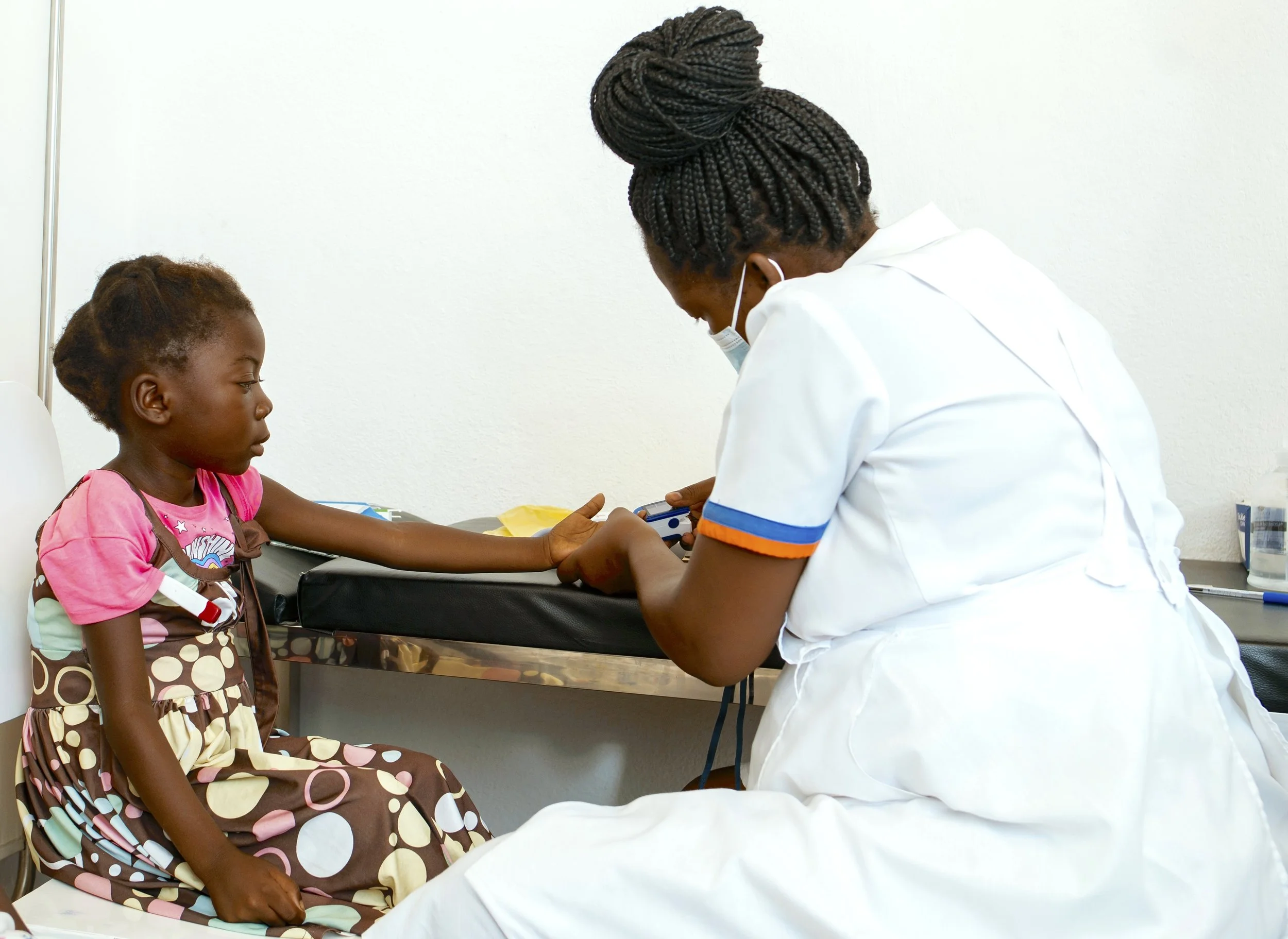
As global health funding continues to evolve, more than 50 experts from dozens of countries are preparing for publication a new four-paper series that will offer integration science as a tool for unlocking significant gains in health equity worldwide. These collaborators represent a range of organizations and include academics, ministry officials, and people with lived experience from across sub-Saharan Africa and South Asia.
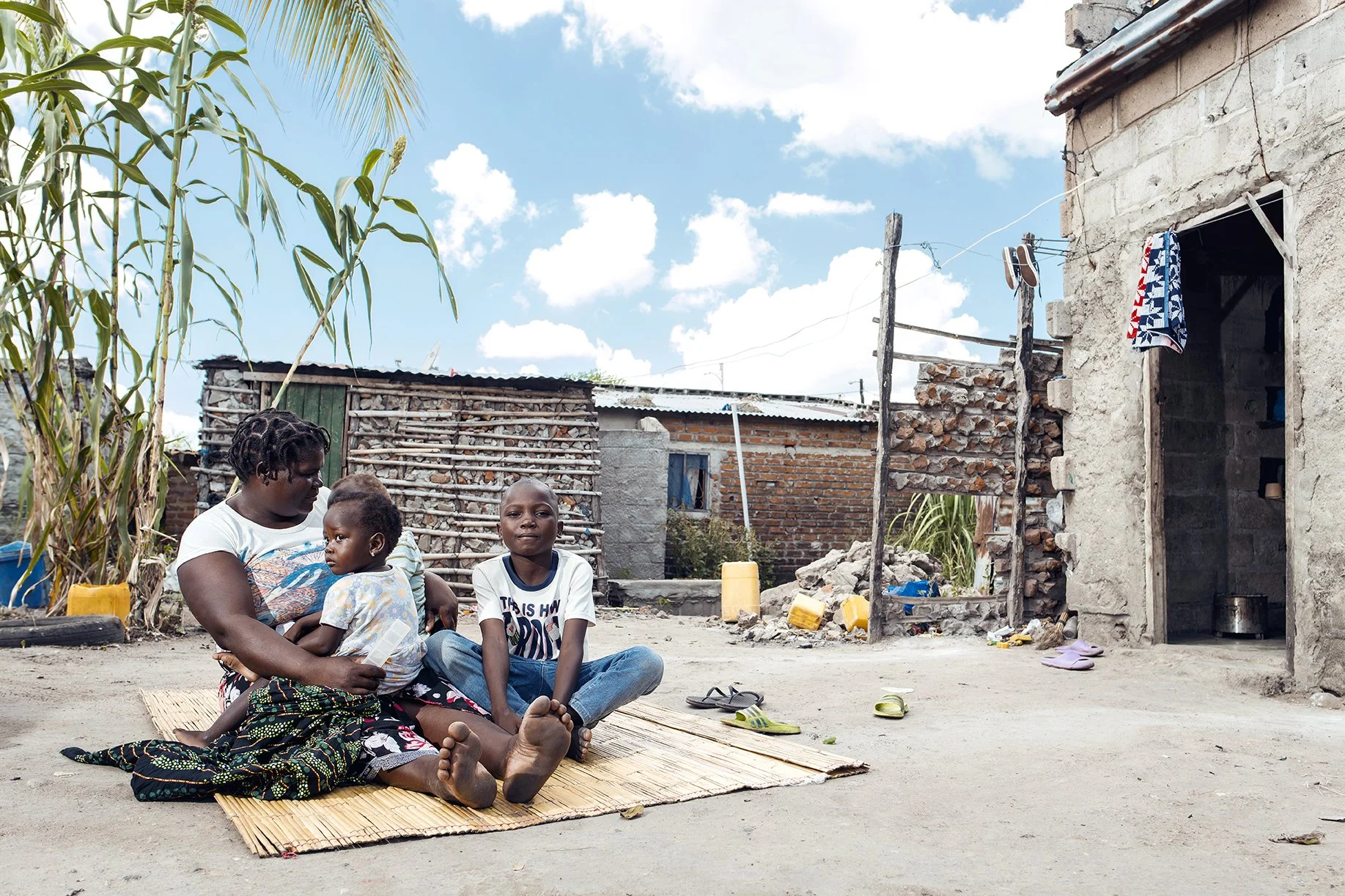
A commentary authored by Network and UNICEF leaders and published in August by The Lancet Child & Adolescent Health makes the case for better care for children and adolescents living with severe, chronic NCDs in settings of extreme poverty, a case that’s also reflected in the Network’s position statement ahead of the United Nations High-Level Meeting on NCDs in September.
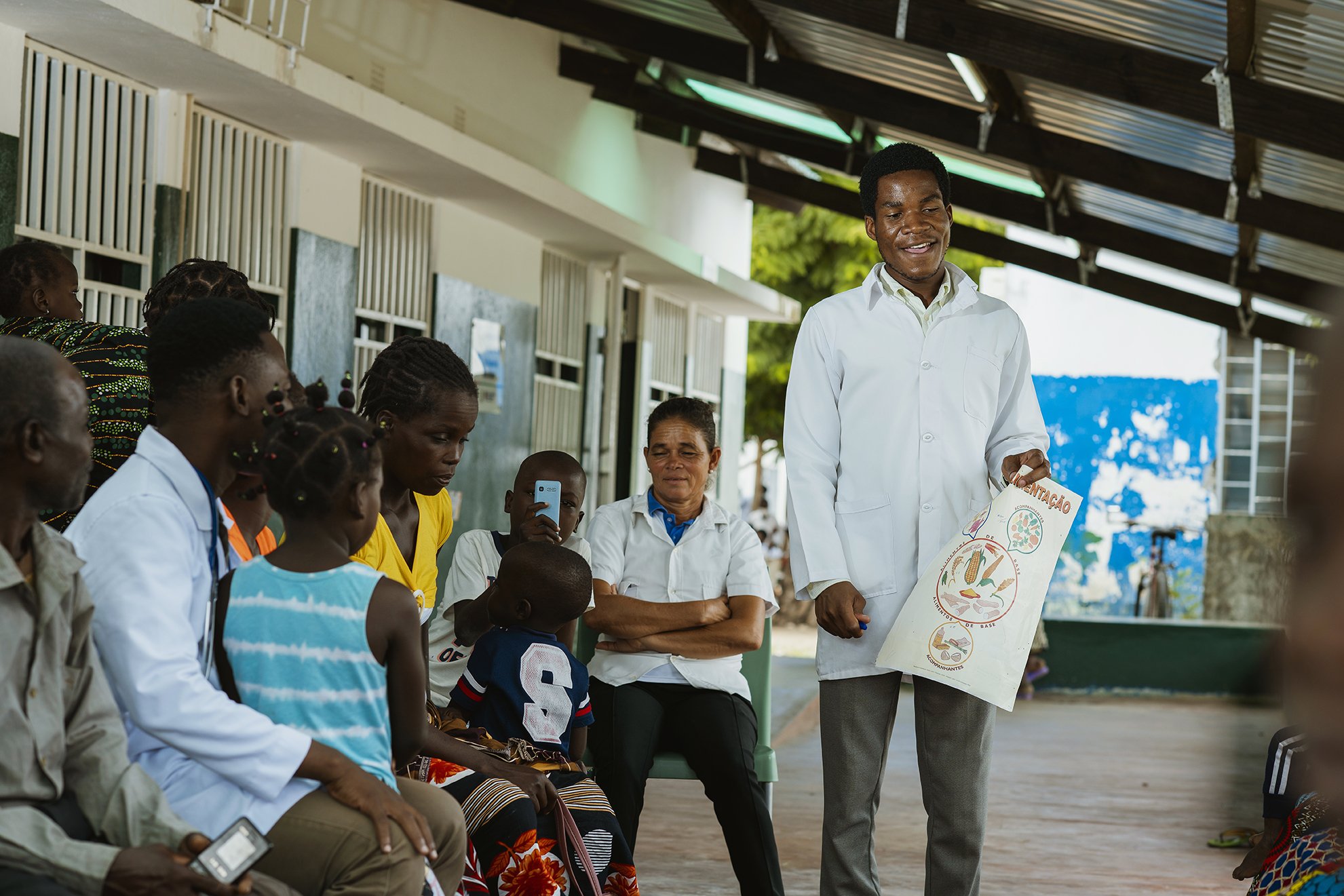
The NCDI Poverty Network recently published a Portuguese edition of PEN-Plus Clinical Tools and Programmatic Standards, a reference both for planning PEN-Plus programs and for assessing and refining existing PEN-Plus clinics. The team has already published English and French editions of the handbook.
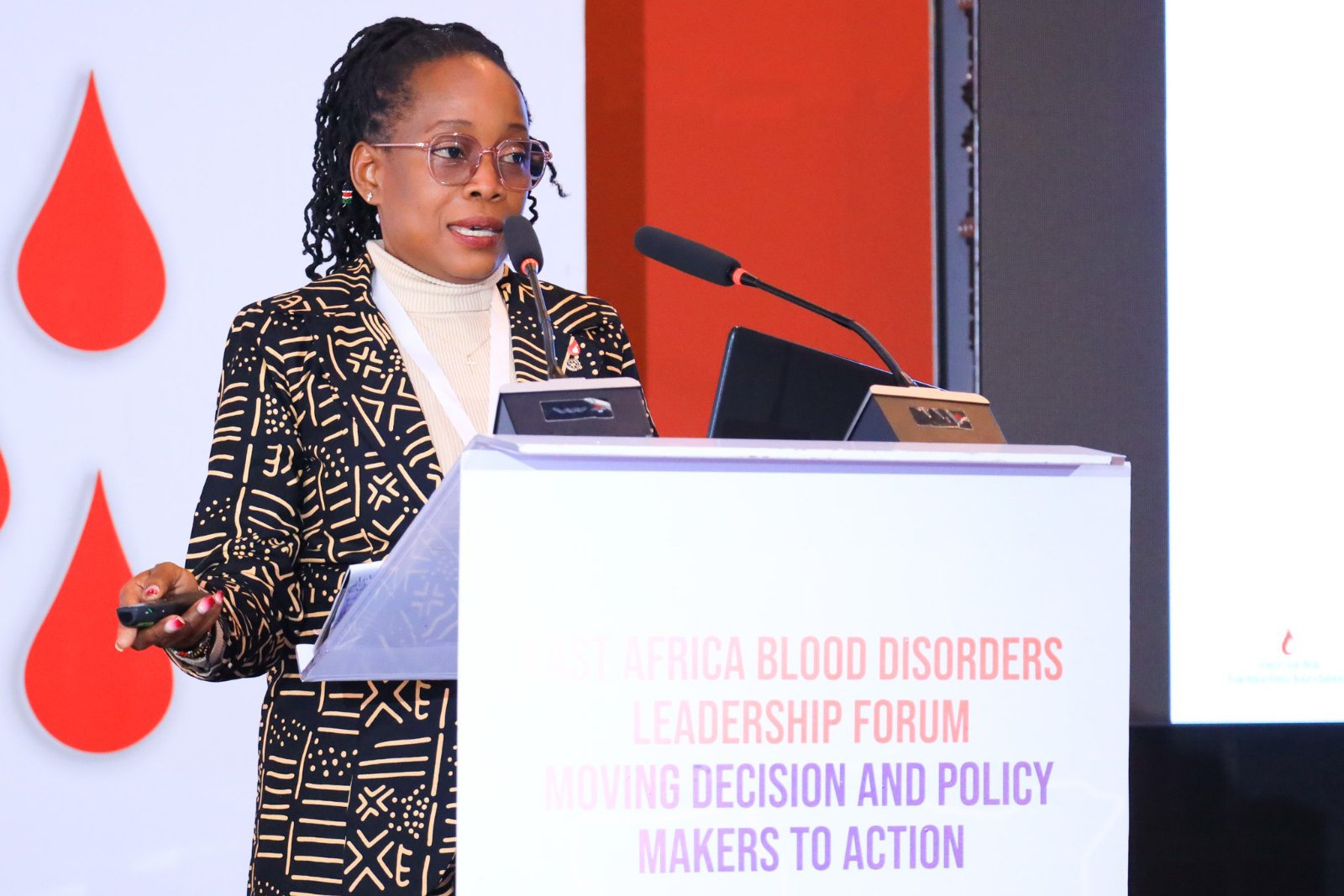
During the East Africa Blood Disorders Leadership Forum, held in Nairobi in late October, Eunice Owino, a Voices for PEN-Plus advocate, spoke about her experiences living with sickle cell disease.
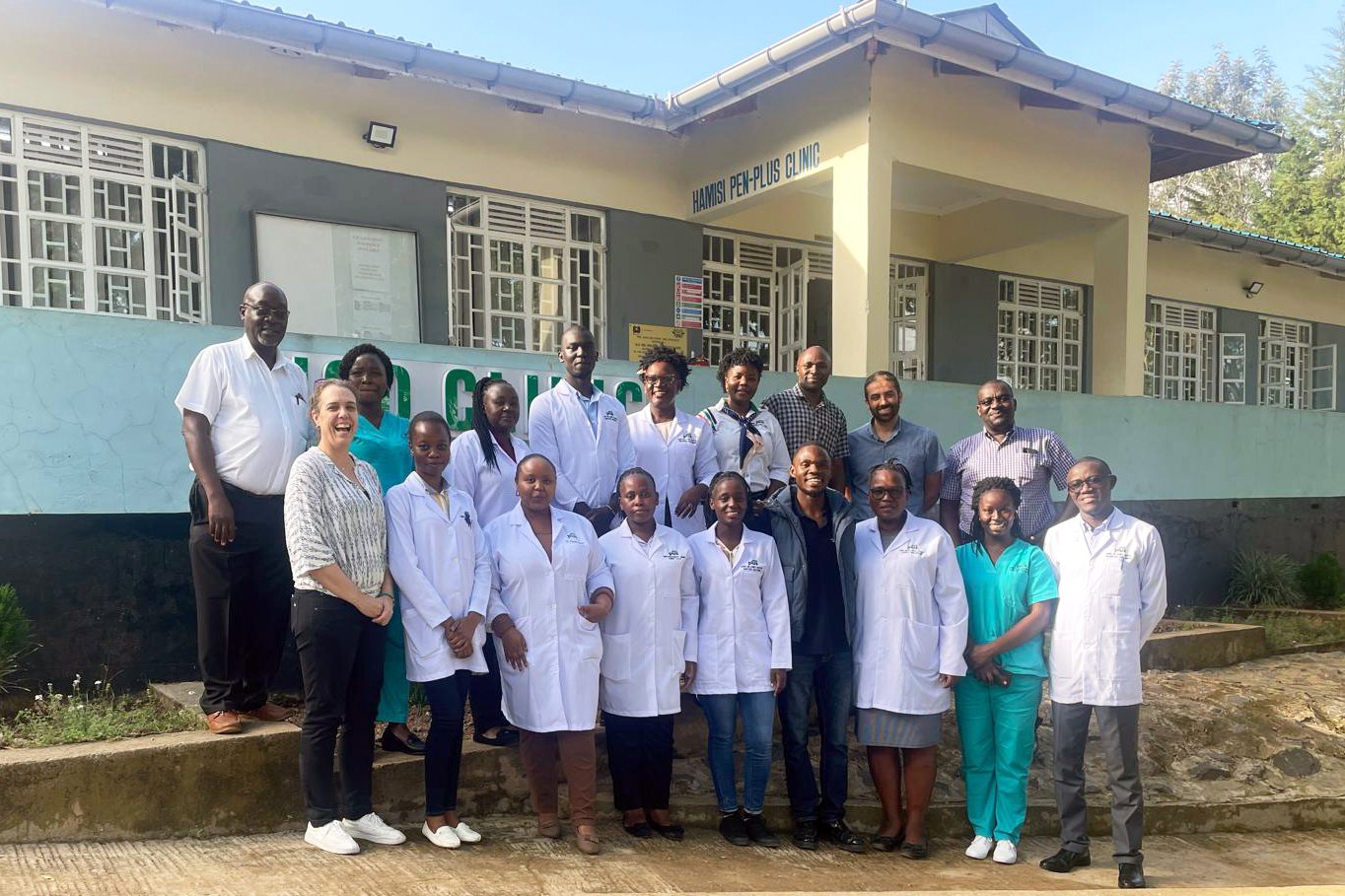
Members of the NCDI Poverty Network’s Programs Team recently visited the PEN-Plus site in Vihiga County in western Kenya.
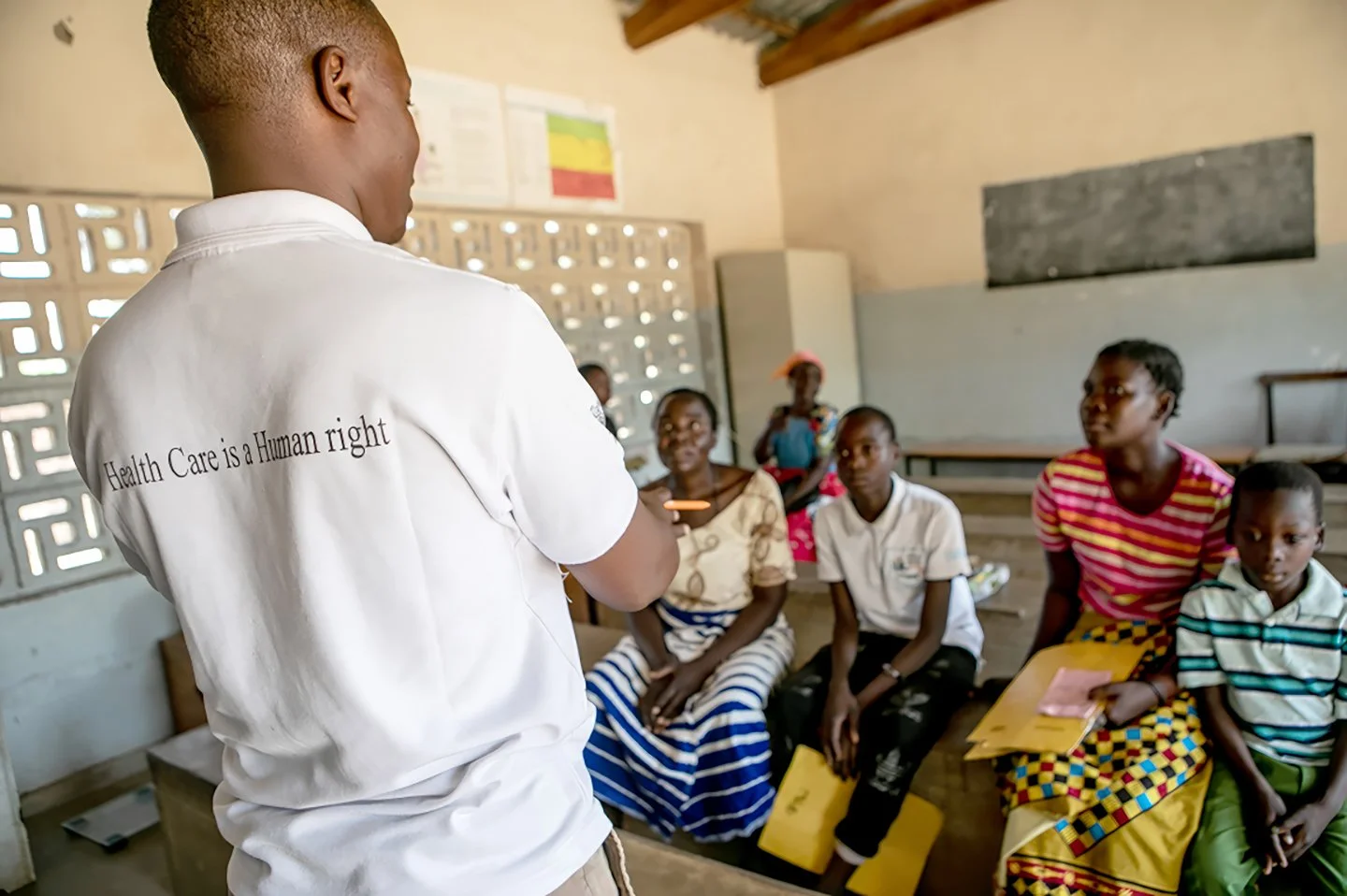
NCDI Poverty Network members joined other researchers in assessing a mental health intervention that was integrated into an existing model of chronic care in Malawi. They found that such interventions can be inexpensive if they build off an existing infrastructure, involve lay personnel, and deliver therapy in a group format.

The PEN-Plus Partnership Strategic Plan (2025–2028) had its official launch at Springboard for Action, an event celebrating progress toward global access to care for people living with severe, chronic noncommunicable diseases. The NCDI Poverty Network hosted the event in New York City in September on the sidelines of the 79th Session of the U.N. General Assembly.

The Network has published PEN-Plus Clinical Tools and Programmatic Standards, a document aimed at informing clinic planning, budgeting, and operations by providing a crisp definition of PEN-Plus clinical care, including the diagnostic, treatment, and patient support services available.

At the first International Conference on PEN-Plus in Africa, the science was serious and the messages meaningful. NCDI Poverty Network participants showed their passion and compassion throughout the conference—and even shared moments of levity.
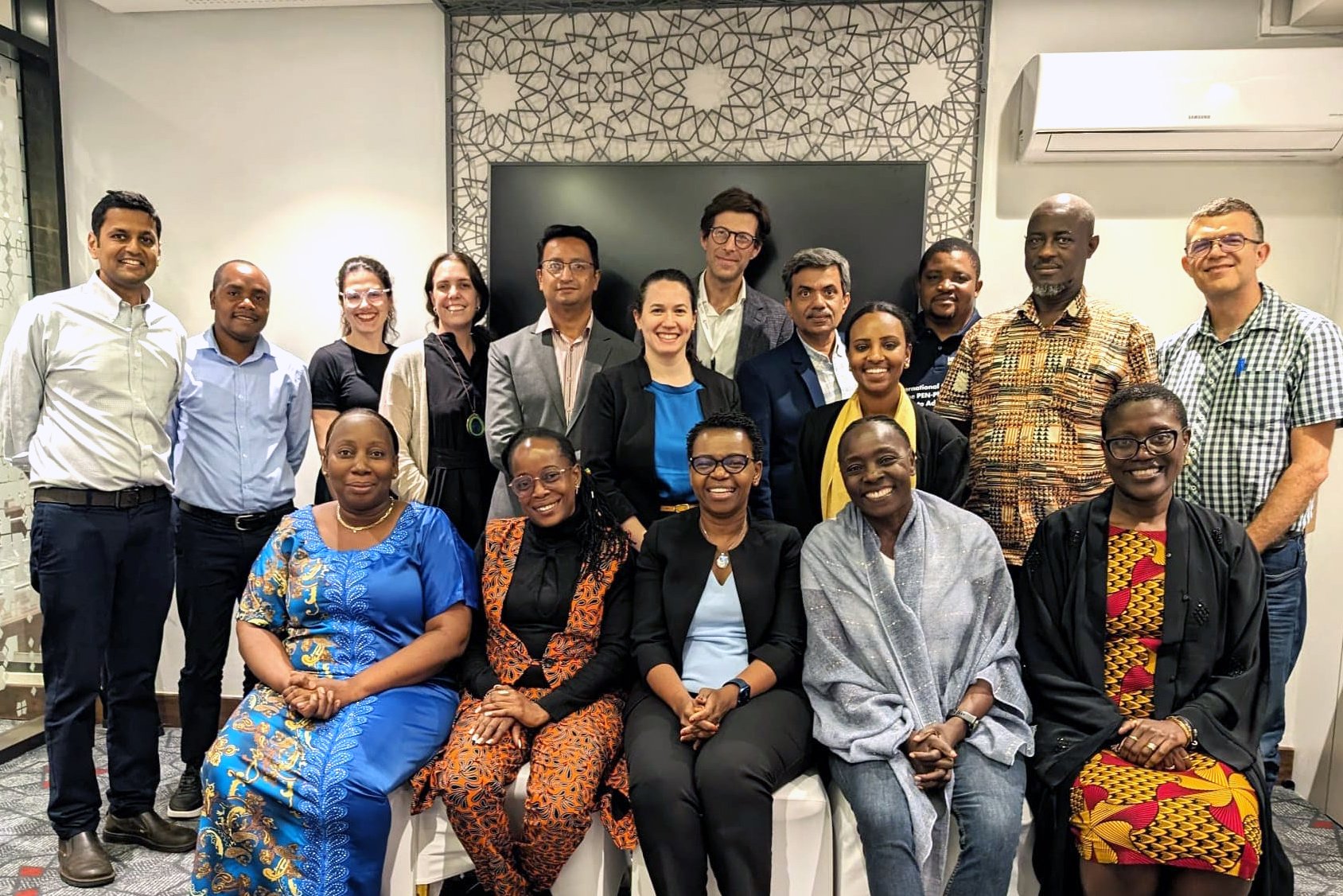
In addition to participating in the first International Conference on PEN-Plus in Africa, NCDI Poverty Network members took several occasions to gather, reflect, and renew their commitment to ensuring that lifesaving treatment reaches those who need it most.

Integration science can do more than deliver quality healthcare; it can also deliver global health equity solutions. That’s the central premise of “From Local Innovation to National Scale to Global Impact: Integration Science as an Engine of Change and an Agenda for Action,” the second annual symposium of the Center for Integration Science in Global Health Equity.

Members of the NCDI Poverty Network’s Steering Committee convened on 8 November for their ninth meeting. Among the topics covered were country updates, including those of Nepal.

The High-Level Advisory Group of the PEN-Plus Partnership met in New York City on 19 September to discuss the progress and future of PEN-Plus, an integrated care model that diagnoses and treats severe noncommunicable diseases in rural areas of low- and lower-middle-income countries, where more than 90 percent of the world’s poorest people live.

The NCDI Poverty Network has produced “Language Matters,” a primer intended to sensitize PEN-Plus providers to the communication nuances involved in caring for people living with severe, chronic noncommunicable diseases.
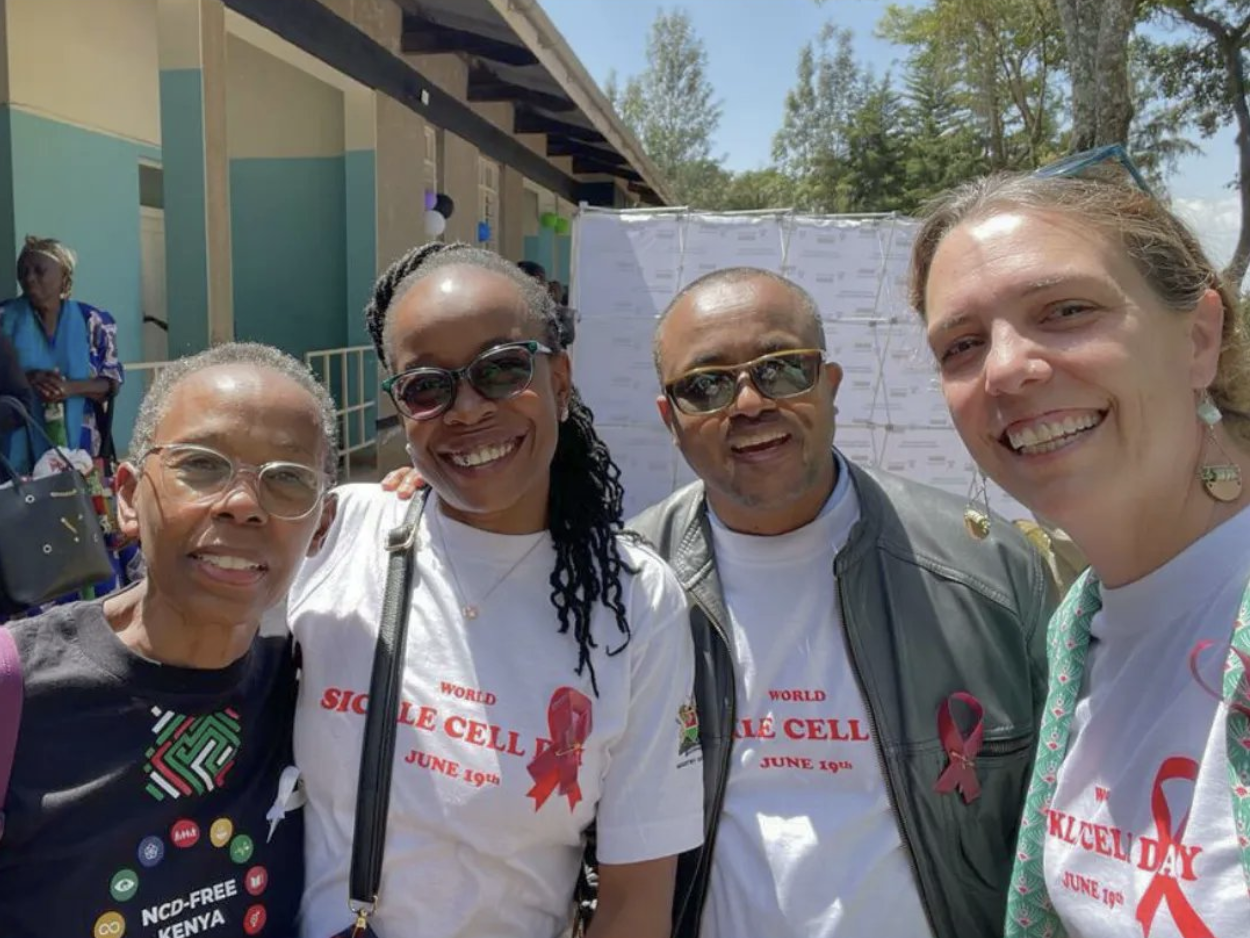
The Kenya Ministry of Health, the county government of Vihiga, and NCD Alliance Kenya hosted a celebration of the launch of PEN-Plus in Kenya on June 19.

The stark realities of living with severe noncommunicable diseases in extreme poverty became clear to members of the High-Level Advisory Group of the PEN-Plus Partnership when they convened in Mozambique in March to discuss strategies for supporting initiation and scale-up of PEN-Plus in resource-poor countries.

A commentary published in The Lancet Diabetes and Endocrinology in early May showcases the power of PEN-Plus and the PEN-Plus Partnership to bring lifesaving care for severe, chronic NCDs to first-level hospitals in poor, rural areas of lower-income countries.

The Maputo co-secretariat of the NCDI Poverty Network, based at Universidade Eduardo Mondlane, hosted an event marking the first anniversary of the establishment of both the Southern Africa Regional Hub and the Maputo co-secretariat of the NCDI Poverty Network on 1 February. The event encouraged discussion on how the Hub can support countries in the region in implementing the PEN-Plus model.
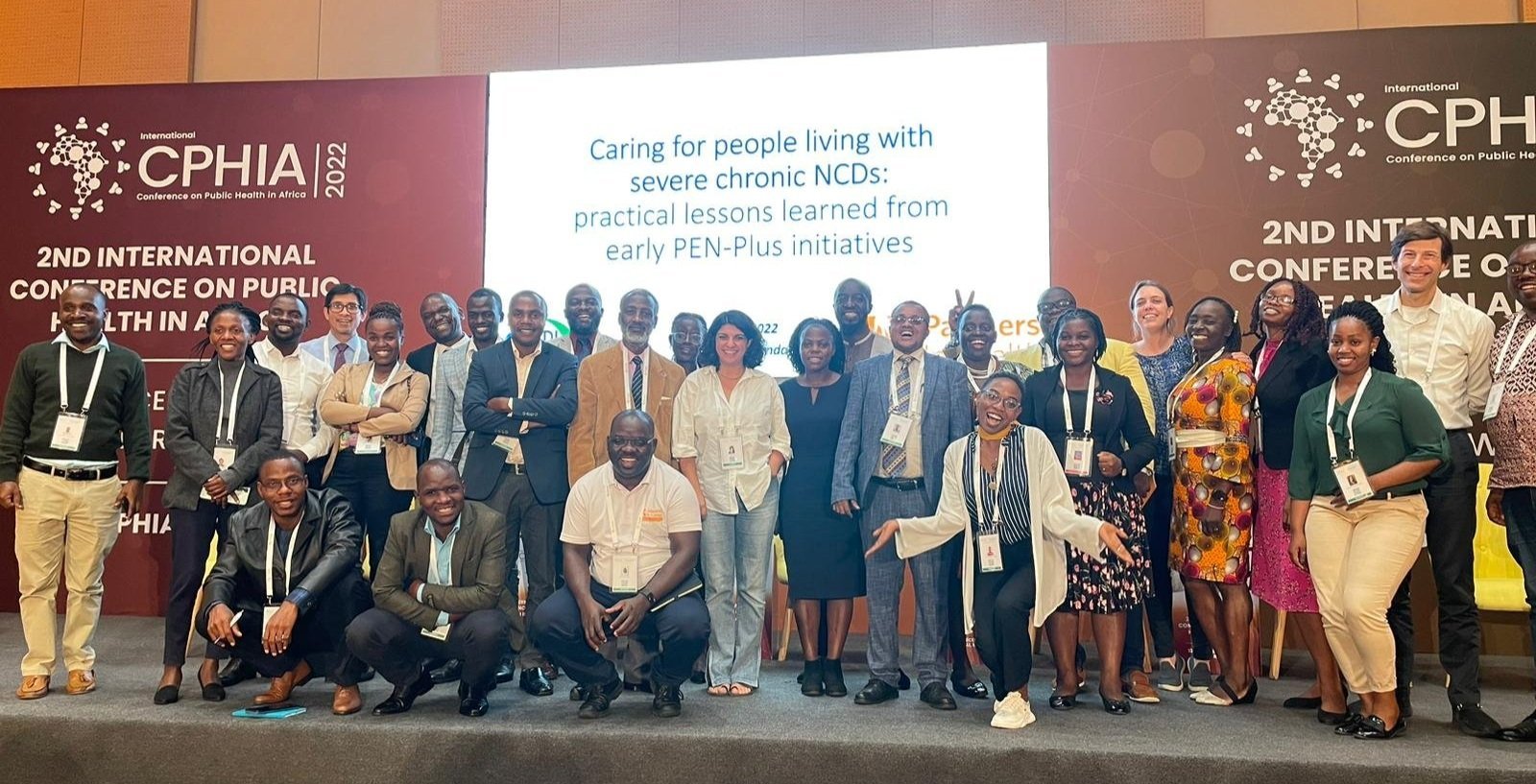
The NCDI Poverty Network and Partners In Health hosted a side event titled “Caring for People Living with Severe Chronic NCDs: Practical Lessons Learned from Early PEN-Plus Initiatives” on 14 December at the 2nd International Conference on Public Health in Africa in Kigali, Rwanda.

The Center for Integration Science in Global Health Equity (CIS) hosted its inaugural symposium on Thursday, 10 November 2022 at the Joseph B. Martin Conference Center at Harvard Medical School (HMS).
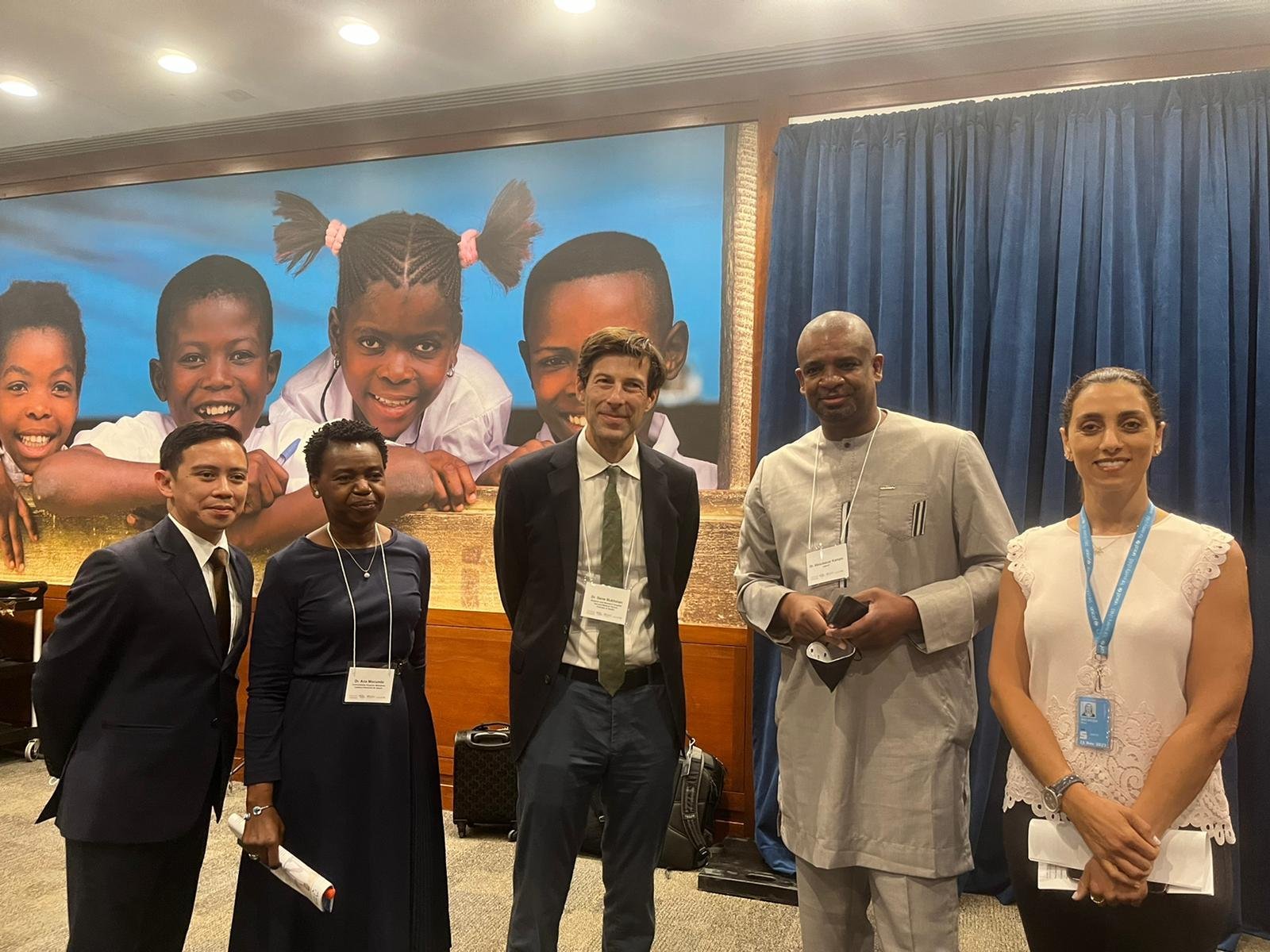
More than 60 representatives of leading global health policy, technical, advocacy, and financing institutions and people living with NCDs gathered at UNICEF House in New York on September 15, 2022, to introduce the PEN-Plus Partnership, a major international initiative to address the global burden of severe NCDs and injuries that cause more than 500,000 avoidable deaths every year among children and young adults living in extreme poverty.
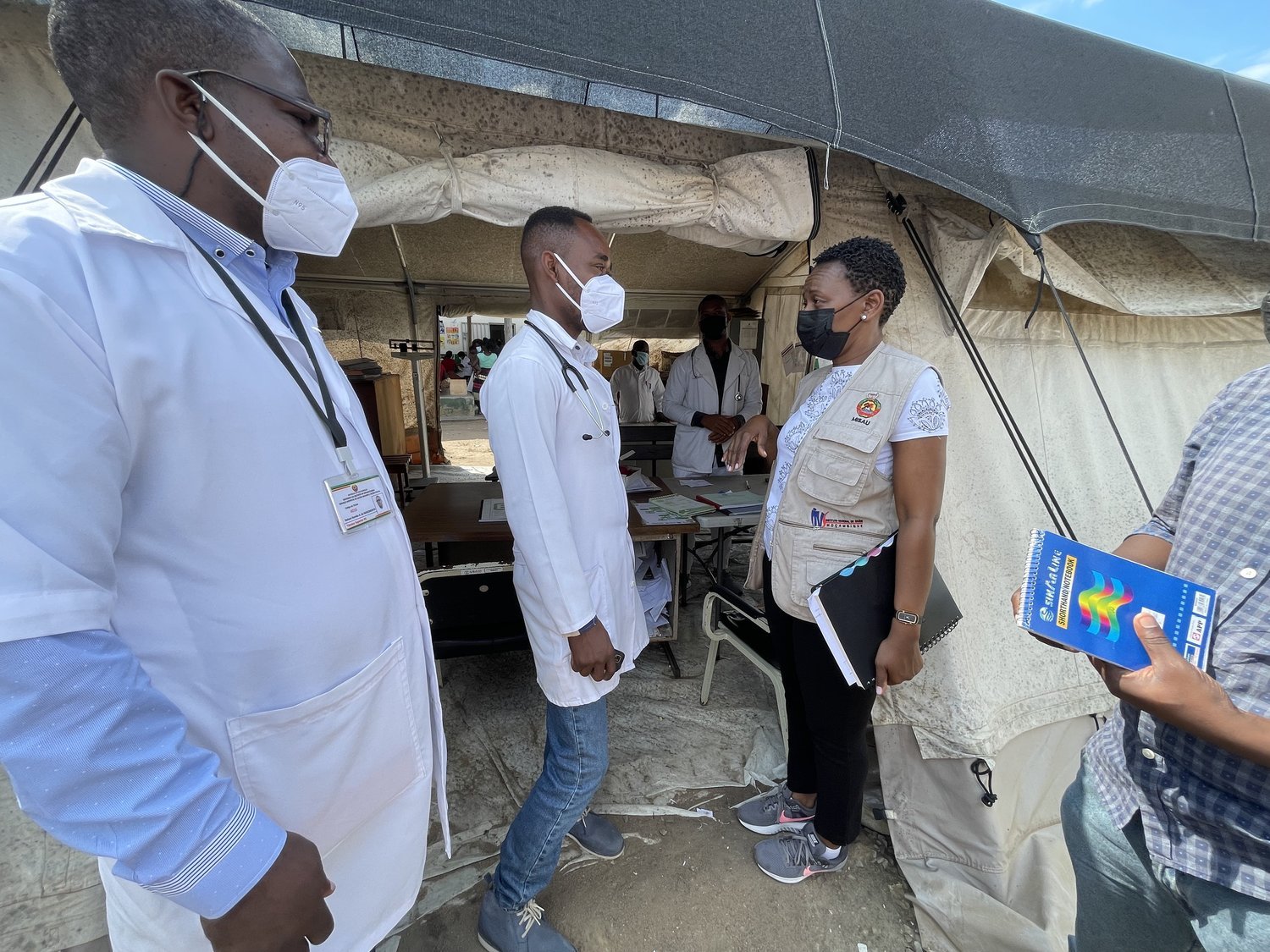
NCDI Poverty Network Co-Chair Dr. Ana Mocumbi and the Mozambique Co-Secretariat and Southern Africa Regional Hub team recently hosted NCDI Poverty Network Co-Chair Dr. Gene Bukhman and Director of Programs Dr. Emily Wroe for a three-day visit to the provinces of Maputo and Sofala as Mozambique prepares to implement PEN-Plus.

The stepped-wedge cluster randomized controlled trial evaluated expanding an existing HIV and tuberculosis community health worker program to include NCDs, malnutrition, and tuberculosis screening, as well as family planning and antenatal care.