
Ana Olga Mocumbi, MD, PhD, FESC
Co-Chair, NCDI Poverty Network
Professor of Cardiology, Université Eduardo Mondlane
Ana Olga Mocumbi, MD, PhD, FESC, a Co-Chair of the NCDI Poverty Network, is a cardiologist with a particular interest in neglected diseases of poverty. She is also a Professor of Cardiology at Universidade Eduardo Mondlane in Maputo, Mozambique, and she is Head of the Division of Non-Communicable Diseases at the National Public Health Institute in Mozambique’s Ministry of Health.
Prof. Mocumbi earned her MD in 1992 at Universidade Eduardo Mondlane. From 1992 to 1997, she acted as a general practitioner and health manager, gaining experience on management of National Control Programs for major endemic diseases. Her postgraduate training in cardiology took place in Mozambique (Central Hospital of Maputo and Instituto do Coração) and France (Hospital Necker-Enfants Malades). She holds a Diploma in Pediatric Cardiology from the University René Descartes, Paris V - France.
From 2004 to 2008, Dr. Mocumbi worked as a Research Assistant at the Imperial College London, where she obtained her PhD investigating the epidemiology of neglected cardiovascular diseases. Under this program she launched a research project on endomyocardial fibrosis, which included large-scale community-based studies and clinical research in a rural endemic area of Mozambique (Inharrime), involving collaboration with the Heart Science Centre and Magdi Yacoub Research Institute in the United Kingdom.
She served as a co-chair of the Lancet NCDI Poverty Commission, and she is involved in several local and international research projects and partnerships, including international registries, clinical trials, and health systems research. She is editor of the Cardiovascular Diagnosis and Therapy Journal and has published original papers in peer-reviewed journals and didactic publications.
She is currently vice president of the Pan African Society of Cardiology (PASCAR) South Region (and Member of the PASCAR Taskforce on Hypertension); a co-leader of the Pulmonary Vascular Research Institute for the Sub-Saharan Region; and a member of the World Heart Federation’s Scientific Policy and Advocacy Committee.
Stories with Ana Mocumbi
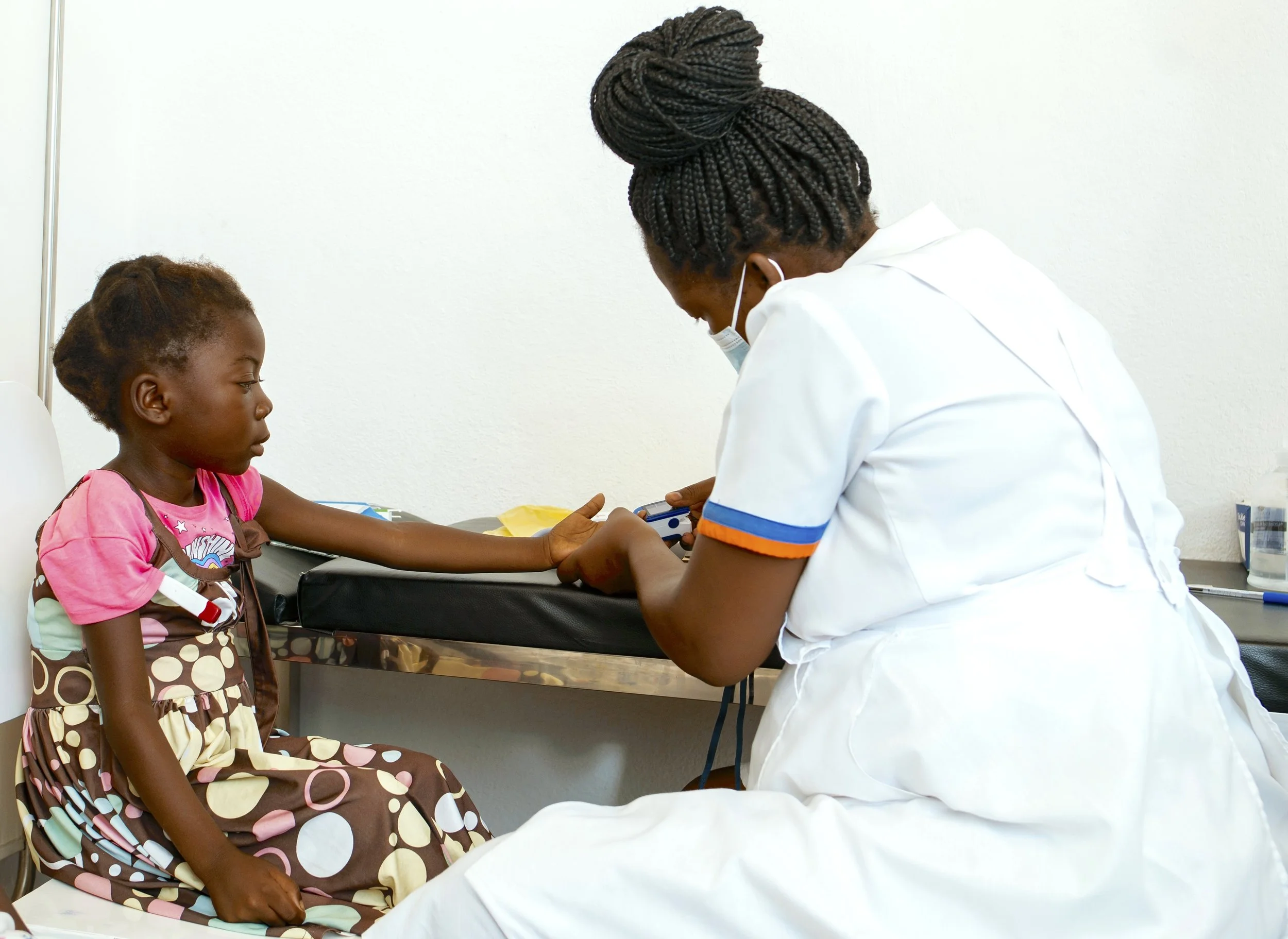
As global health funding continues to evolve, more than 50 experts from dozens of countries are preparing for publication a new four-paper series that will offer integration science as a tool for unlocking significant gains in health equity worldwide. These collaborators represent a range of organizations and include academics, ministry officials, and people with lived experience from across sub-Saharan Africa and South Asia.
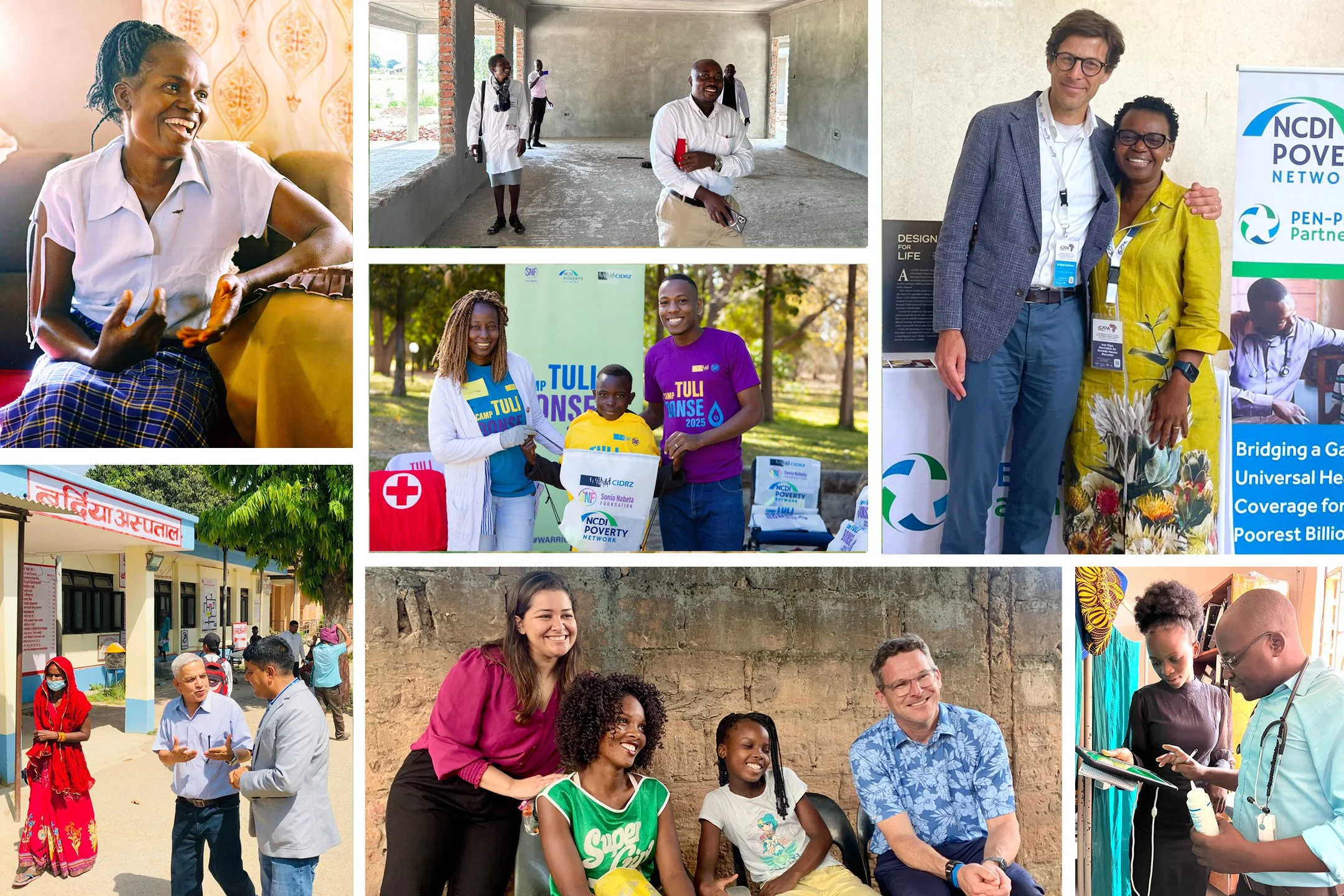
Five years. Twenty-nine countries. Over a hundred PEN-Plus clinics. More than 30,000 patients. Together, the many collaborators that compose the NCDI Poverty Network deliver hope and healthcare to children, adolescents, and young adults navigating the dual challenges of poverty and severe, chronic noncommunicable diseases. And this is just the beginning.
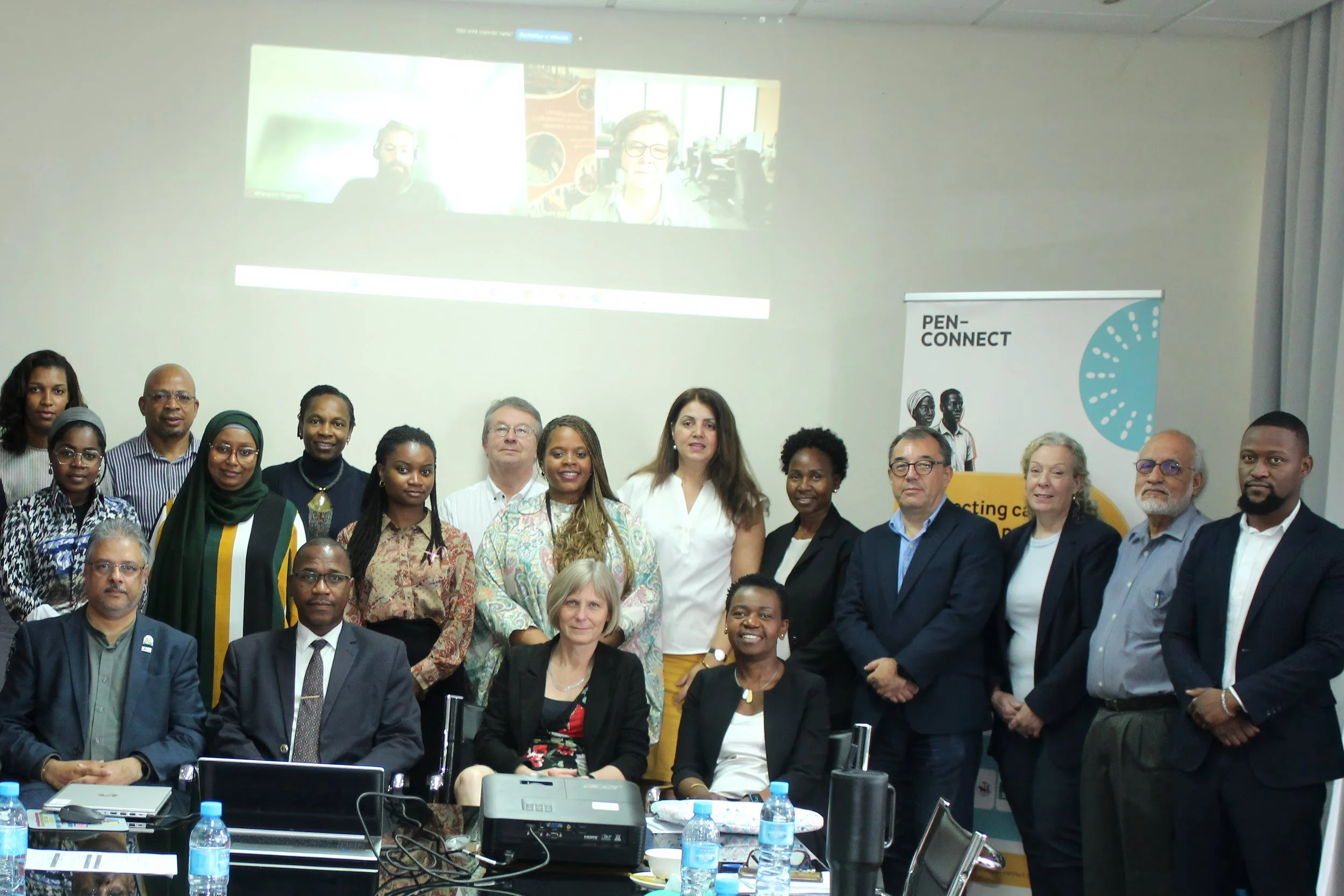
A new initiative to strengthen global collaboration and research on noncommunicable disease care in low- and middle-income countries marks “an important milestone for scientific cooperation between Europe and Africa.”

The NCDI Poverty Network’s co-secretariat in Maputo, Mozambique, and the Southern Africa Regional Hub recently hosted a study tour to enable representatives from the Ministries of Health of Angola, Eswatini, and Lesotho to learn about PEN-Plus implementation.

During the opening plenary of the Sept. 25 High-Level Meeting on NCDs and Mental Health, at the UN General Assembly in New York City, repeated mentions of PEN-Plus as a successful strategy for addressing NCDs formed a show of unity in a week often noted for dissension.

Dr. Ana Mocumbi, co-chair of the NCDI Poverty Network, represented PEN-Plus at a high-level side event during the recent 75th session of the WHO Regional Committee for Africa. There delegates emphasized the urgent need for equitable access to prevention, screening, treatment, and rehabilitation across the continuum of care for people living with severe noncommunicable diseases.
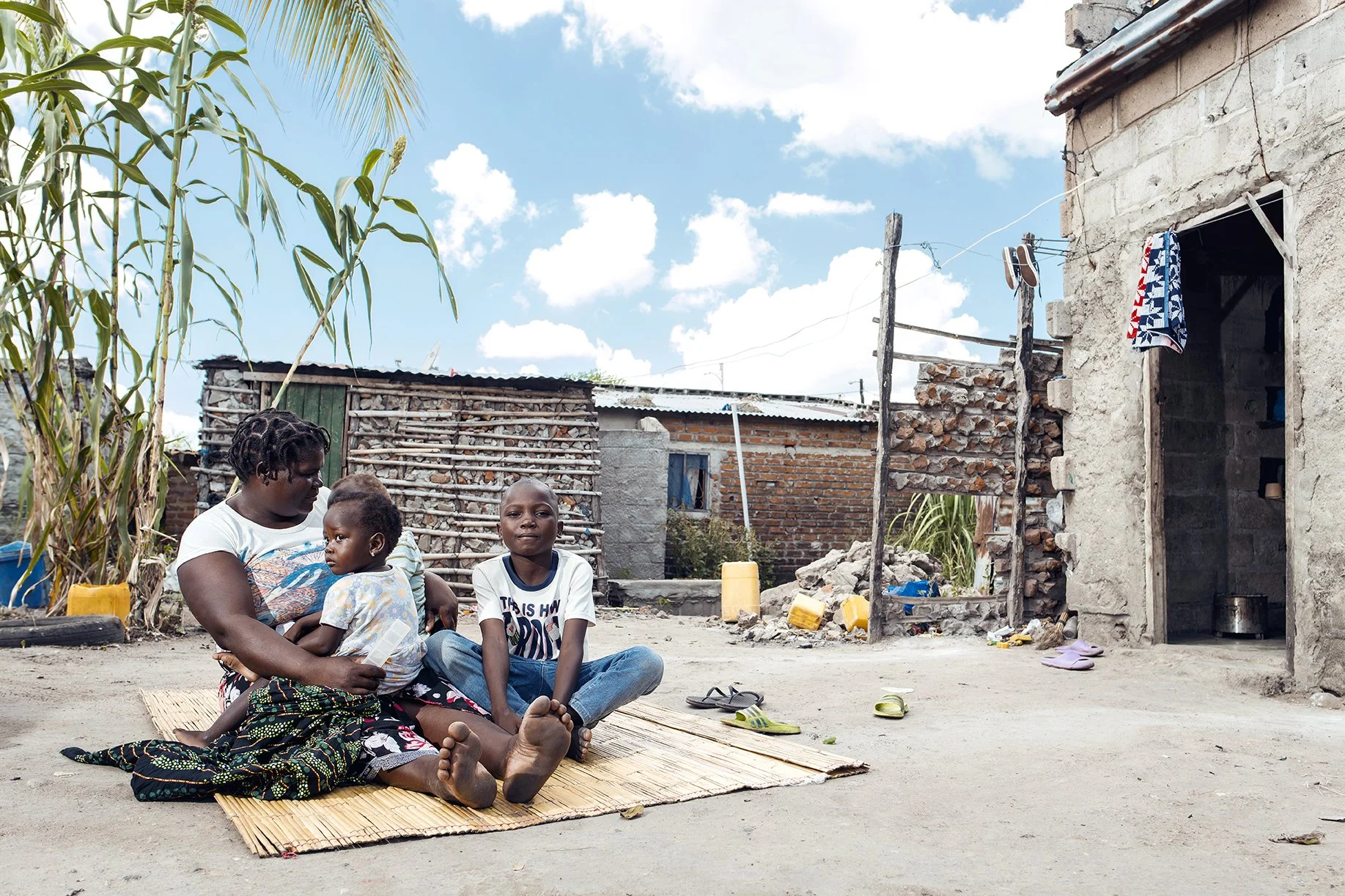
A commentary authored by Network and UNICEF leaders and published in August by The Lancet Child & Adolescent Health makes the case for better care for children and adolescents living with severe, chronic NCDs in settings of extreme poverty, a case that’s also reflected in the Network’s position statement ahead of the United Nations High-Level Meeting on NCDs in September.

Dr. Ana Mocumbi, co-chair of the NCDI Poverty Network, recently received the Republic of Mozambique’s Medal of Merit for Science and Technology. The honor recognizes her outstanding contributions to science, technology, and innovation in Mozambique.
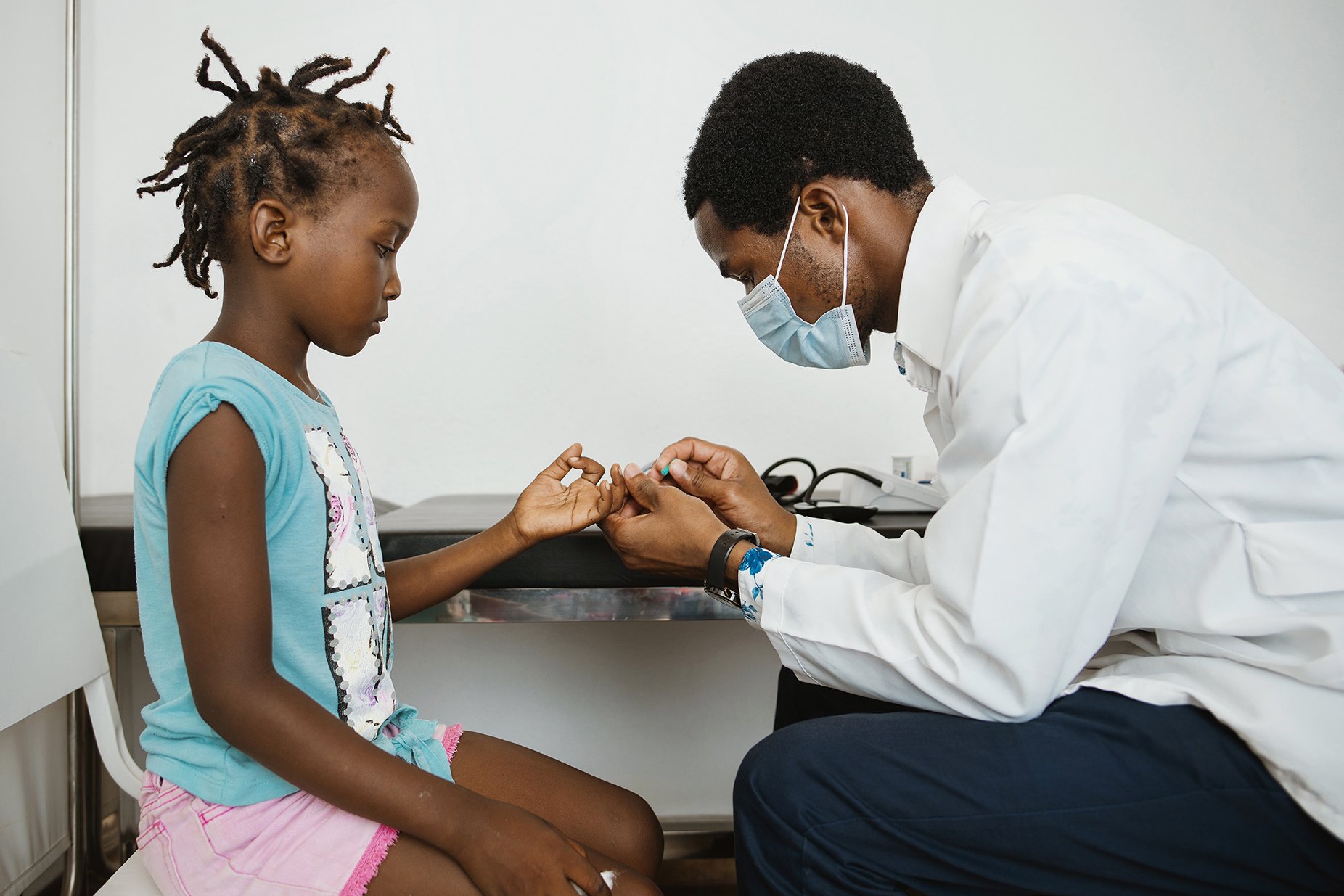
An international partnership that includes the NCDI Poverty Network and its Mozambique co-secretariat, housed at Universidade Eduardo Mondlane in Maputo, received a 4-million-euro award from the European Commission to assess and support the implementation of PEN-Plus in Mozambique.
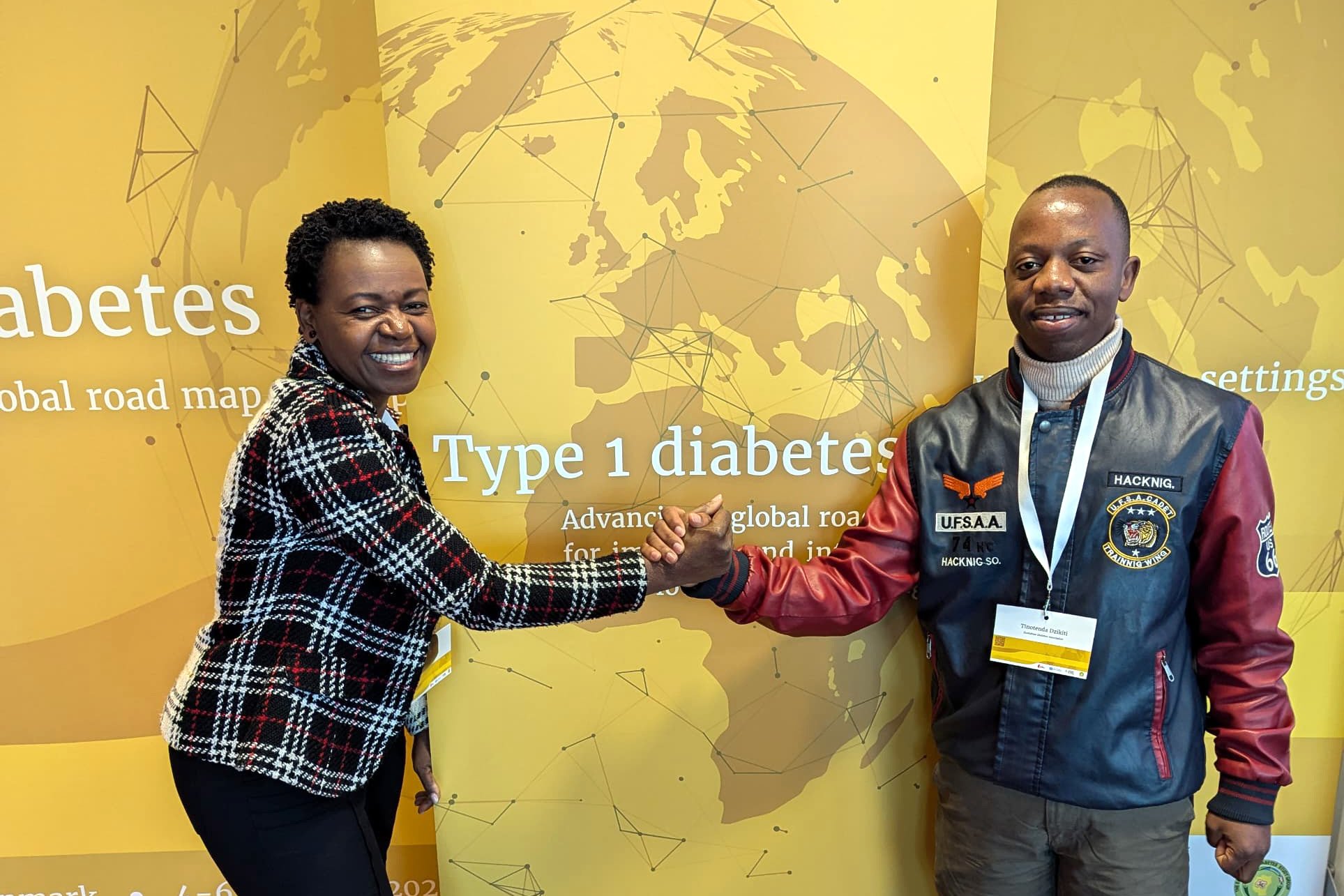
As a panelist during a recent international diabetes conference in Copenhagen. Dr. Ana Mocumbi, co-chair of the NCDI Poverty Network, highlighted the power of integration in helping to achieve global health equity.

The PEN-Plus Partnership Strategic Plan (2025–2028) had its official launch at Springboard for Action, an event celebrating progress toward global access to care for people living with severe, chronic noncommunicable diseases. The NCDI Poverty Network hosted the event in New York City in September on the sidelines of the 79th Session of the U.N. General Assembly.
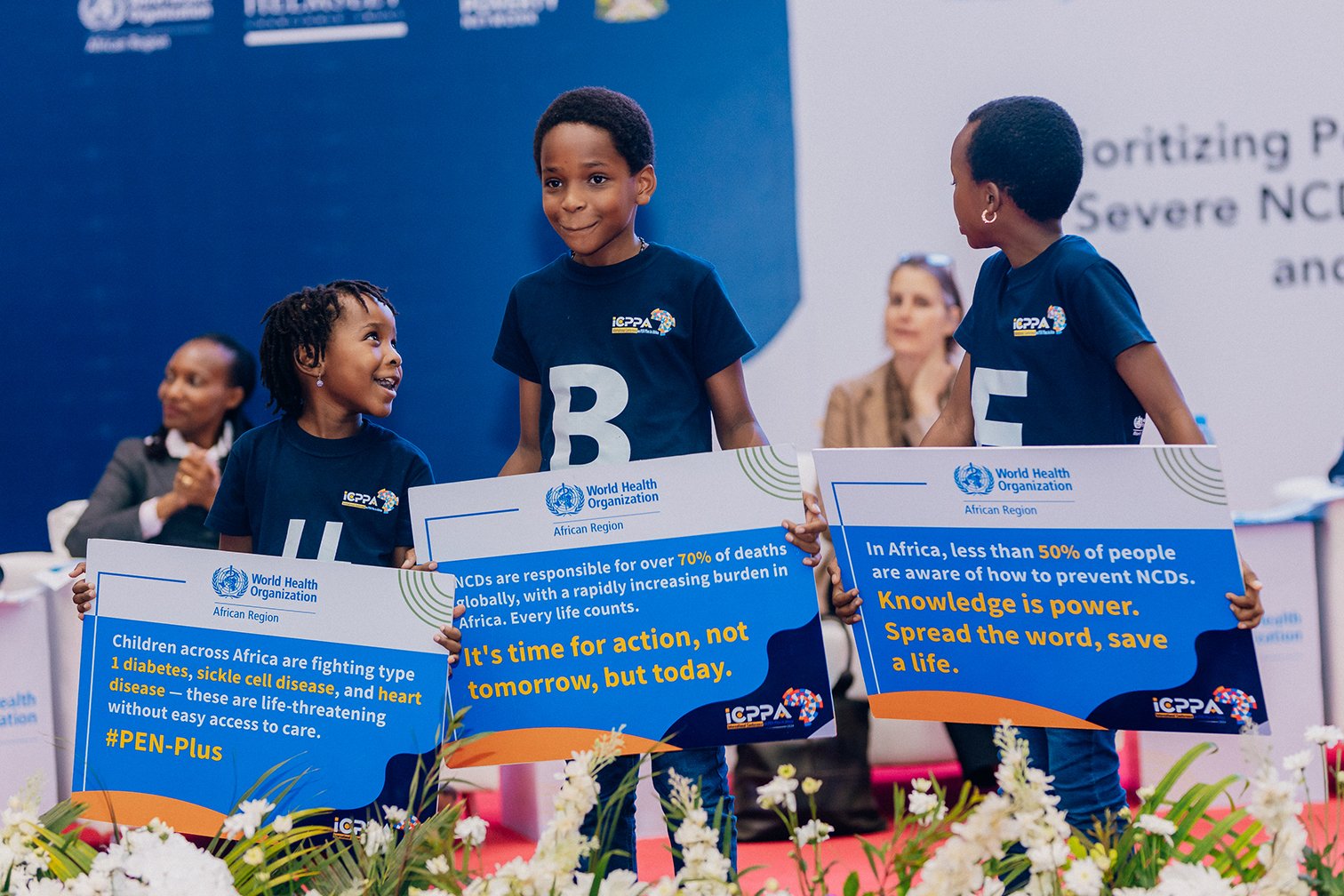
The first International Conference on PEN-Plus in Africa provided a platform for health experts, policymakers, civil society organization representatives, donors, people living with noncommunicable diseases, and community advocates to expedite political and financial backing for PEN-Plus.

During the week of the International Conference on PEN-Plus in Africa, NCDI Poverty Network members took advantage of several opportunities to gather, reflect, and renew their commitment to ensuring that lifesaving treatment reaches those who need it most.

At the first International Conference on PEN-Plus in Africa, the science was serious and the messages meaningful. NCDI Poverty Network participants showed their passion and compassion throughout the conference—and even shared moments of levity.
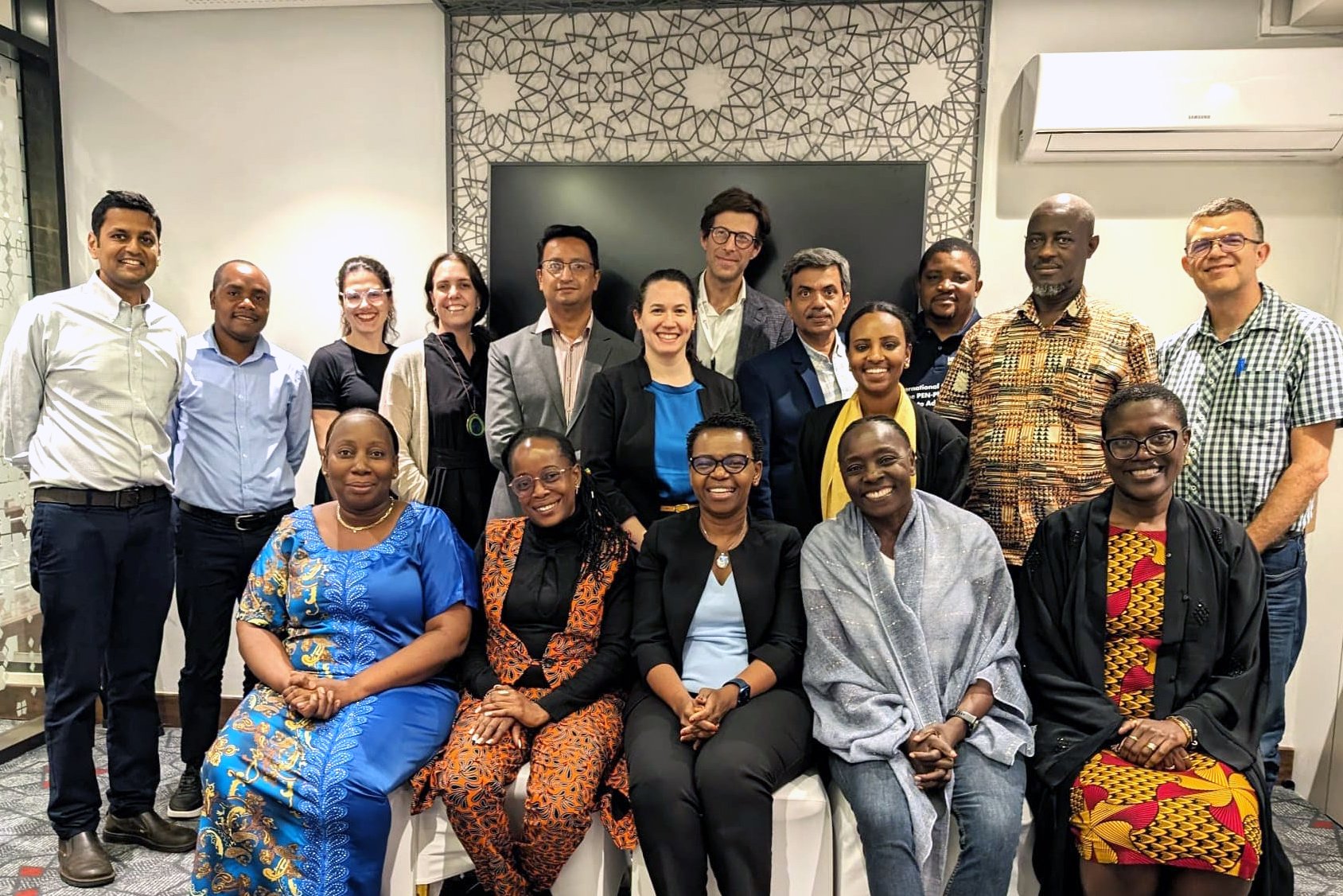
In addition to participating in the first International Conference on PEN-Plus in Africa, NCDI Poverty Network members took several occasions to gather, reflect, and renew their commitment to ensuring that lifesaving treatment reaches those who need it most.

Integration science can do more than deliver quality healthcare; it can also deliver global health equity solutions. That’s the central premise of “From Local Innovation to National Scale to Global Impact: Integration Science as an Engine of Change and an Agenda for Action,” the second annual symposium of the Center for Integration Science in Global Health Equity.

For three years, João Mindo had difficulty walking, eating, and even breathing. It wasn’t until a PEN-Plus clinic opened in rural Mozambique that he received his diagnosis: rheumatic heart disease. Following mitral valve repair surgery in Maputo, the 14-year-old now receives care close to home.

The High-Level Advisory Group of the PEN-Plus Partnership met in New York City on 19 September to discuss the progress and future of PEN-Plus, an integrated care model that diagnoses and treats severe noncommunicable diseases in rural areas of low- and lower-middle-income countries, where more than 90 percent of the world’s poorest people live.
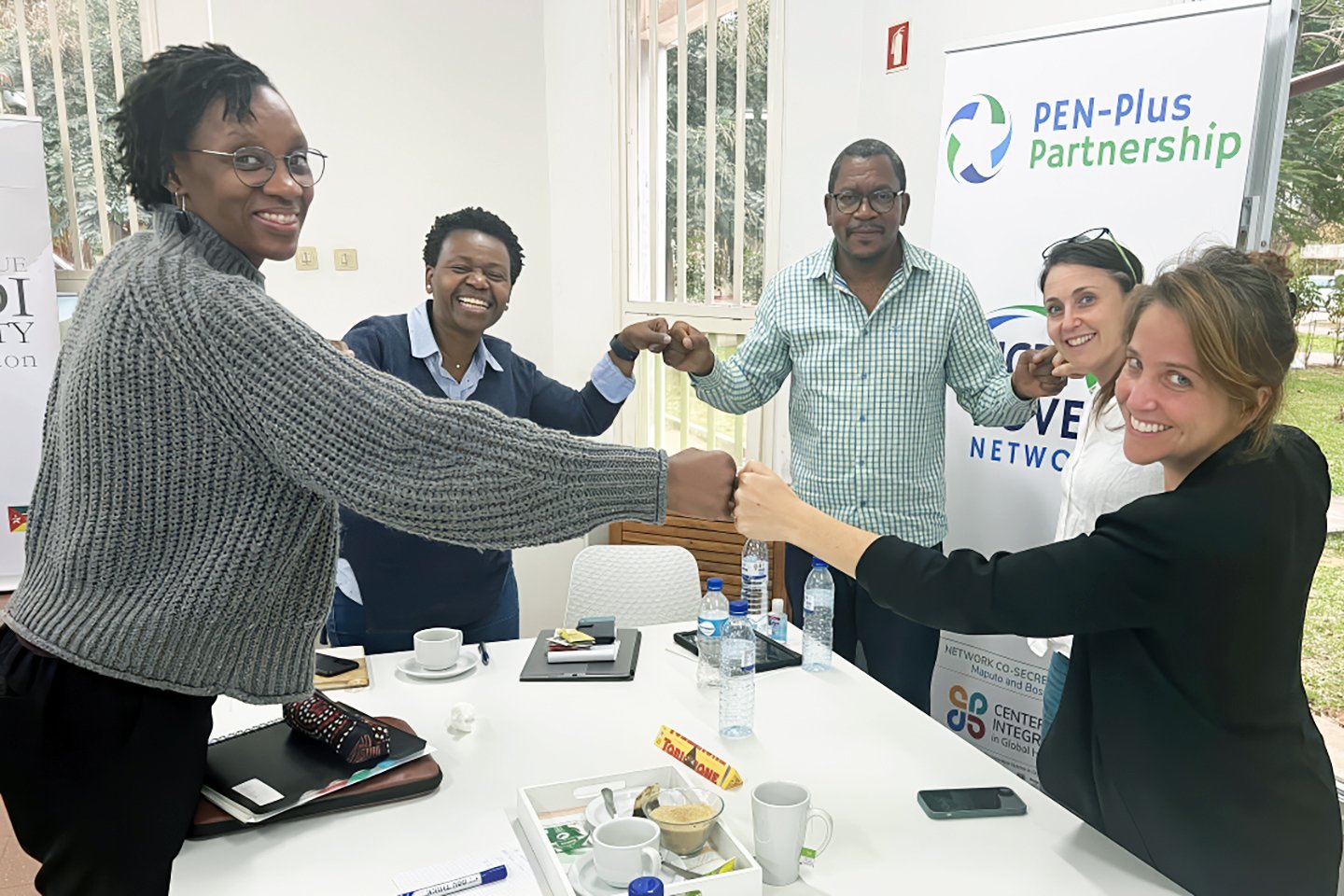
In August, the NCDI Poverty Network’s Maputo Co-Secretariat launched an integration science study designed to generate information on the delivery status of high-priority clinical services for people with noncommunicable diseases at 20 facilities in Mozambique, Cameroon, and Nigeria.
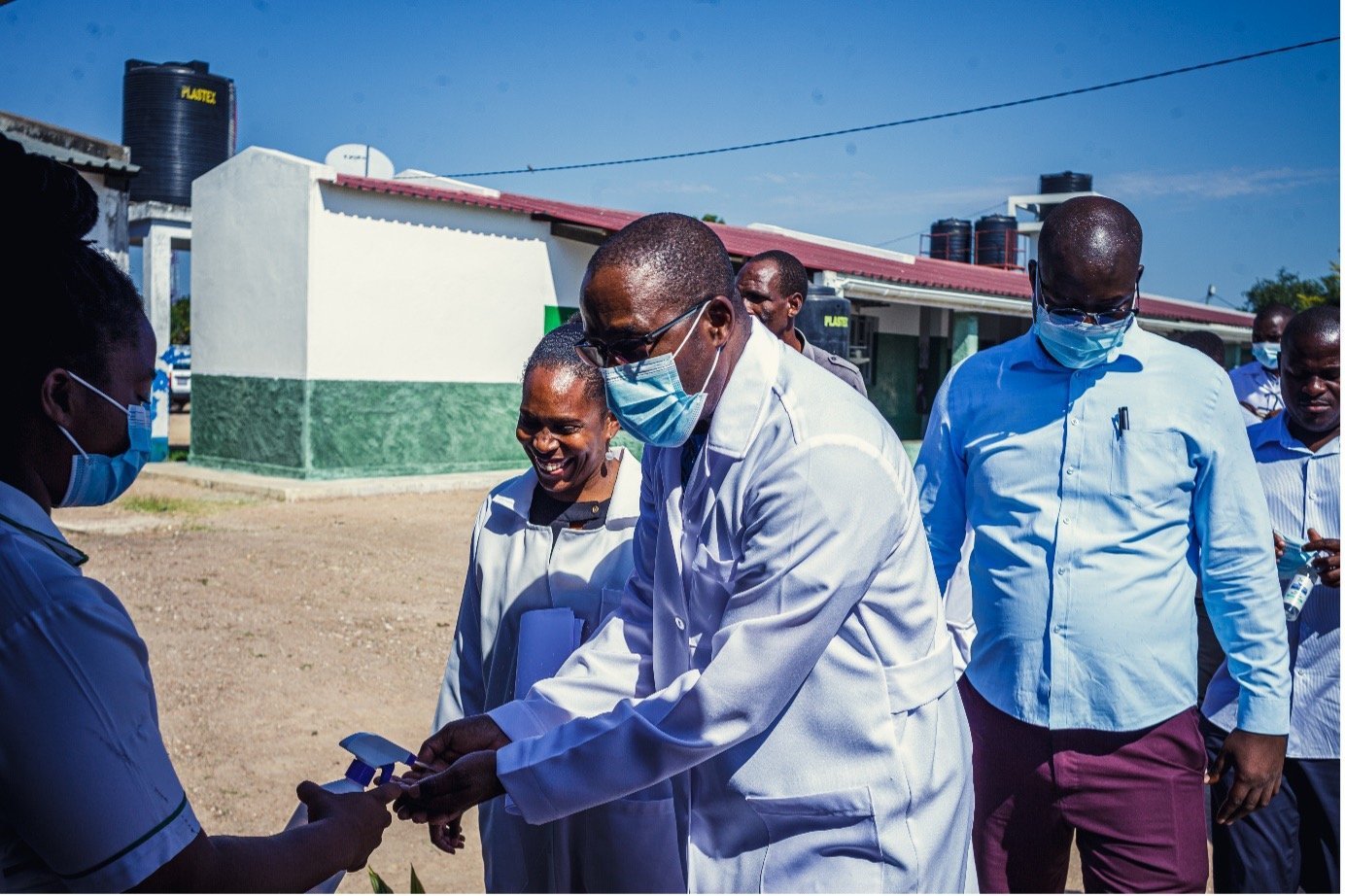
On 2 June, Mozambique Minister of Health H.E. Dr. Armindo Daniel Tiago visited the PEN-Plus clinic at Nhamatanda Rural Hospital.

The stark realities of living with severe noncommunicable diseases in extreme poverty became clear to members of the High-Level Advisory Group of the PEN-Plus Partnership when they convened in Mozambique in March to discuss strategies for supporting initiation and scale-up of PEN-Plus in resource-poor countries.

A commentary published in The Lancet Diabetes and Endocrinology in early May showcases the power of PEN-Plus and the PEN-Plus Partnership to bring lifesaving care for severe, chronic NCDs to first-level hospitals in poor, rural areas of lower-income countries.

The Maputo co-secretariat of the NCDI Poverty Network, based at Universidade Eduardo Mondlane, hosted an event marking the first anniversary of the establishment of both the Southern Africa Regional Hub and the Maputo co-secretariat of the NCDI Poverty Network on 1 February. The event encouraged discussion on how the Hub can support countries in the region in implementing the PEN-Plus model.
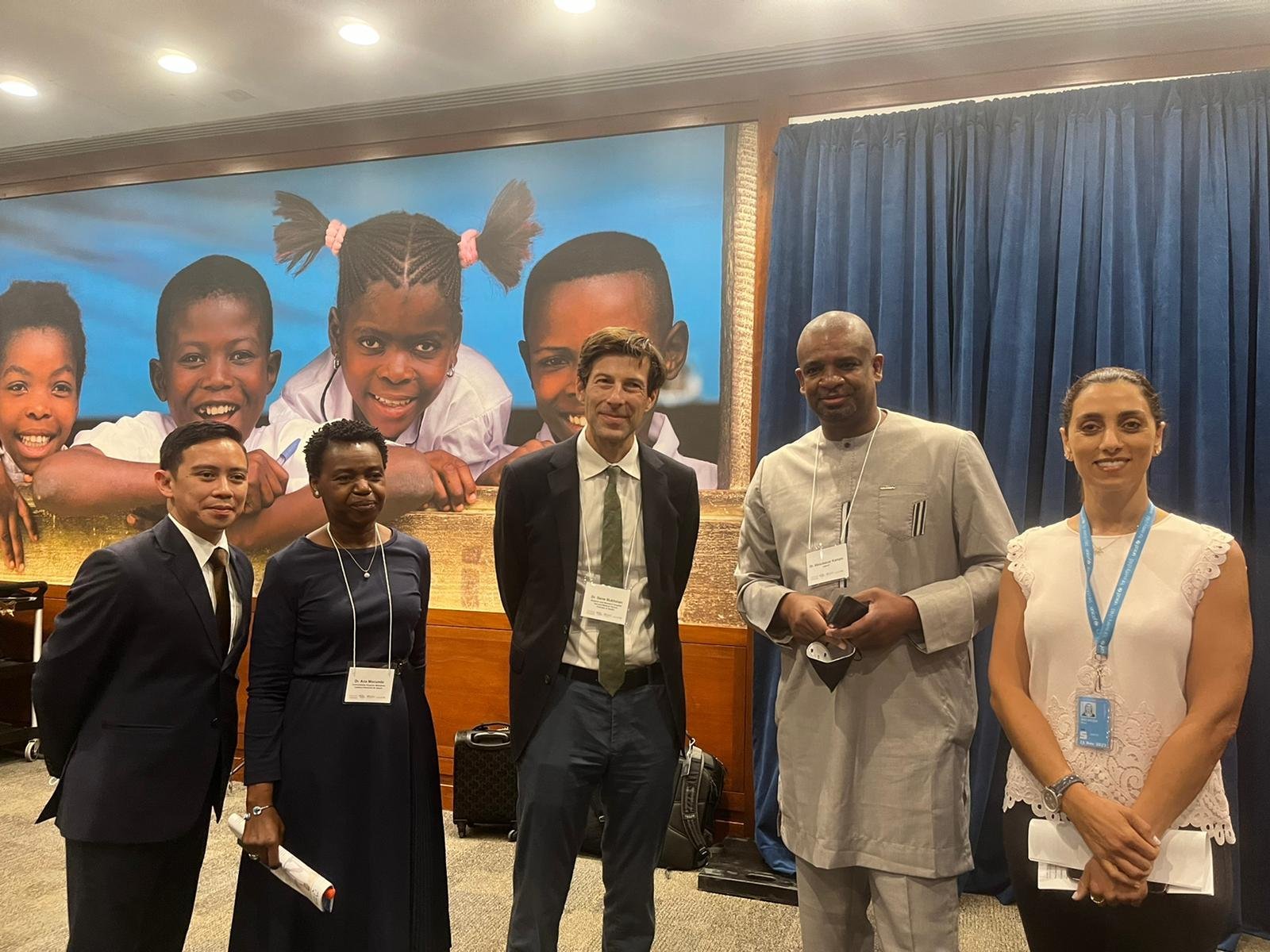
More than 60 representatives of leading global health policy, technical, advocacy, and financing institutions and people living with NCDs gathered at UNICEF House in New York on September 15, 2022, to introduce the PEN-Plus Partnership, a major international initiative to address the global burden of severe NCDs and injuries that cause more than 500,000 avoidable deaths every year among children and young adults living in extreme poverty.
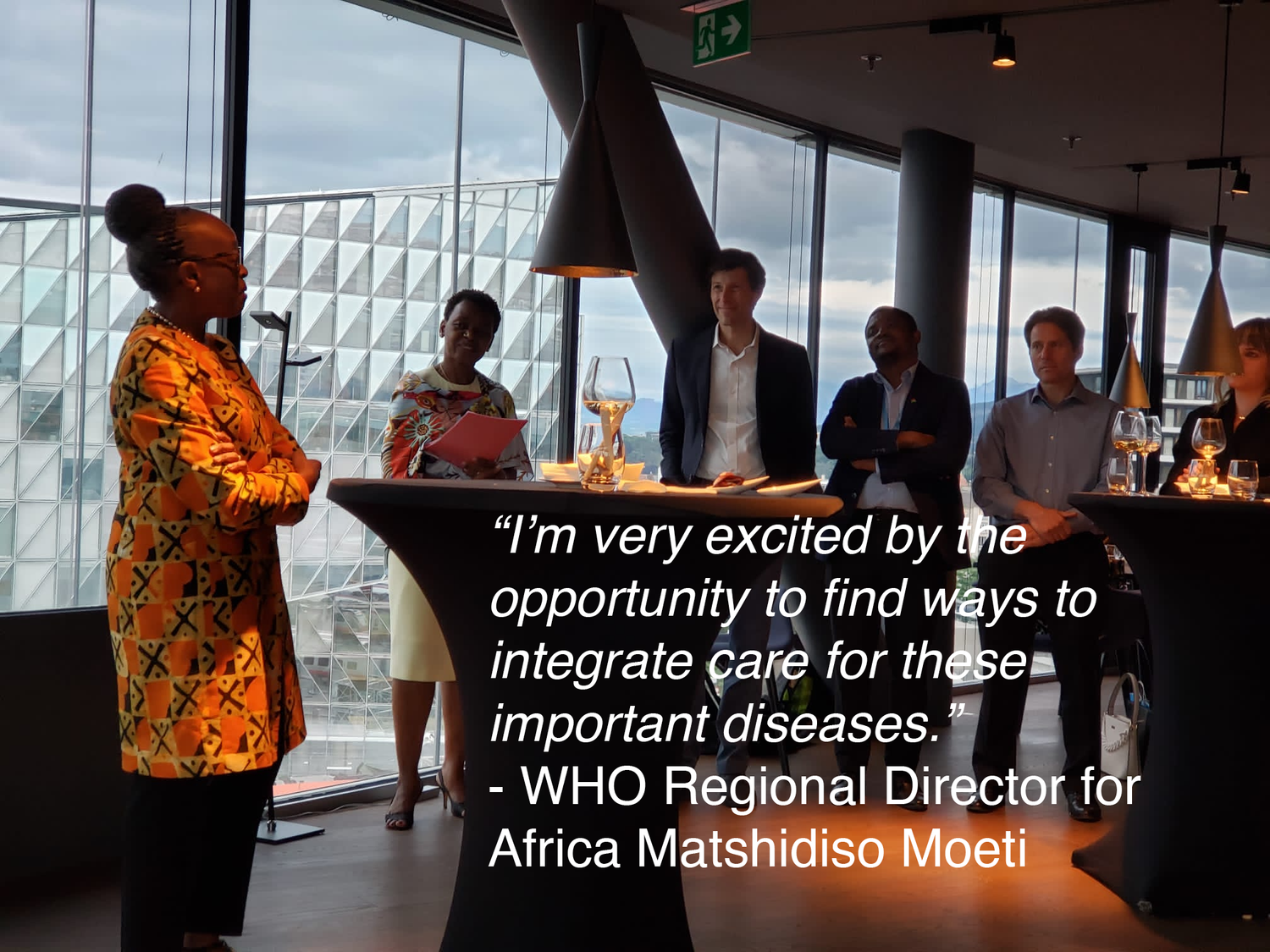
Leaders from the World Health Organization Regional Office for Africa (WHO AFRO), WHO Headquarters, and other stakeholders invested in the implementation of PEN-Plus met in Geneva on 24 May to discuss PEN-Plus as a key strategy for decentralizing care for severe NCDs and providing the world’s most vulnerable with accessible and affordable health care for chronic conditions including type 1 diabetes, sickle cell disease, and rheumatic and congenital heart disease.
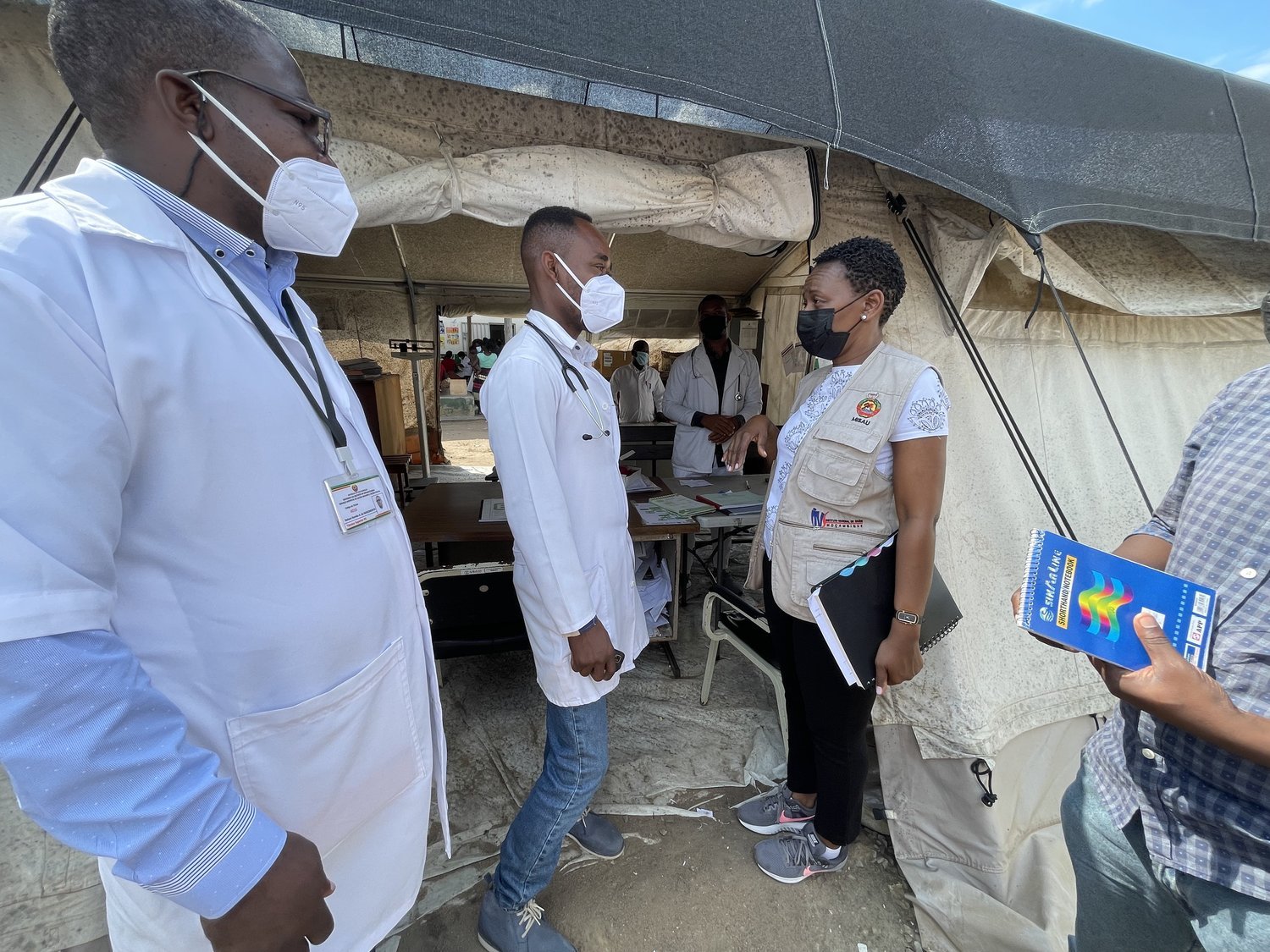
NCDI Poverty Network Co-Chair Dr. Ana Mocumbi and the Mozambique Co-Secretariat and Southern Africa Regional Hub team recently hosted NCDI Poverty Network Co-Chair Dr. Gene Bukhman and Director of Programs Dr. Emily Wroe for a three-day visit to the provinces of Maputo and Sofala as Mozambique prepares to implement PEN-Plus.
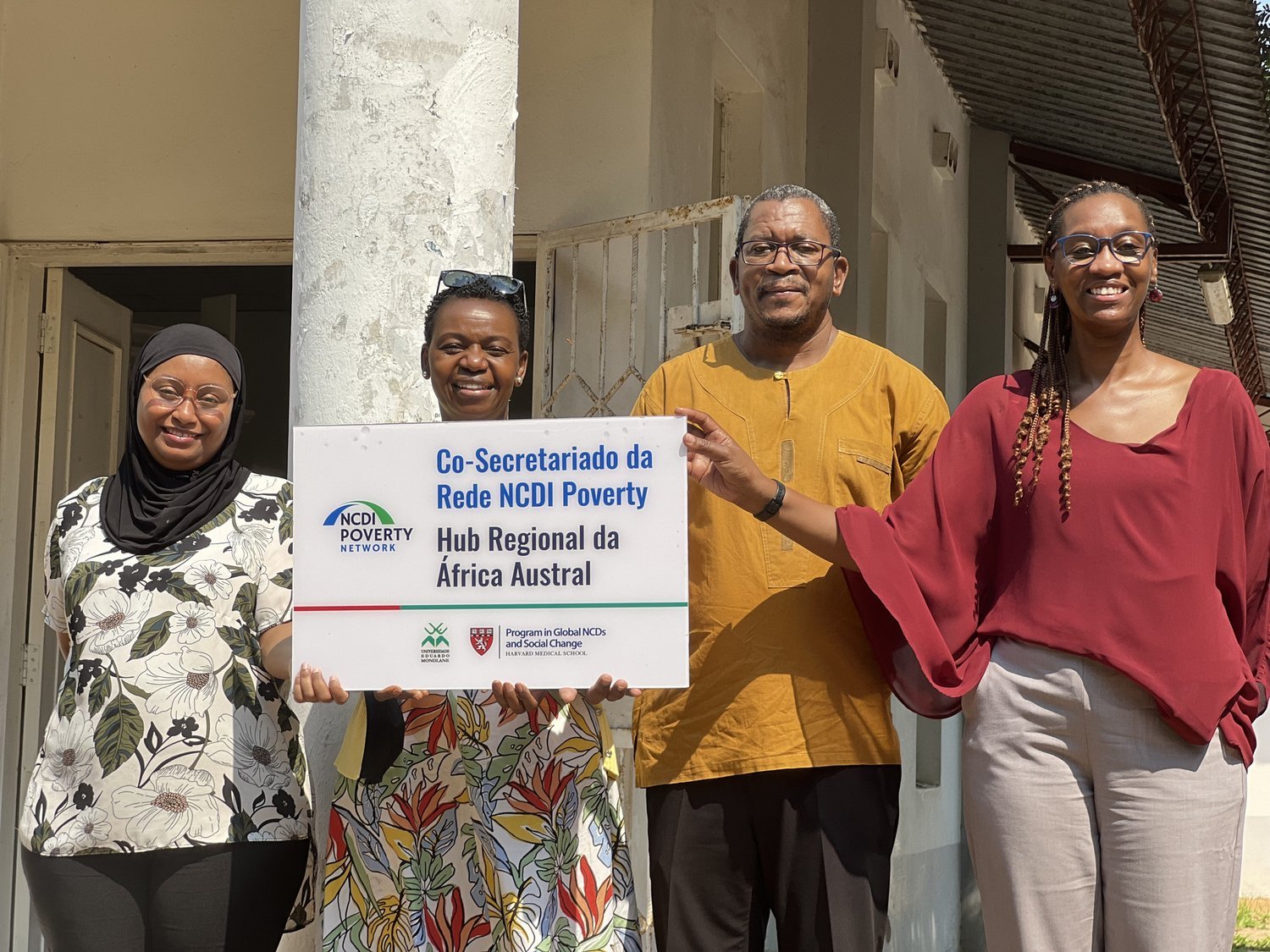
Five months after the launch of the NCDI Poverty Network Co-Secretariat and Southern Africa Regional Hub at Universidade Eduardo Mondlane in Maputo on 27 October 2021, the Mozambique Co-Secretariat is preparing to move into office space assigned for it on the main university campus.