Stepping from the Background to Center Stage
One boy’s experience at a PEN-Plus camp shows how peer support can break down barriers of stigma and isolation.
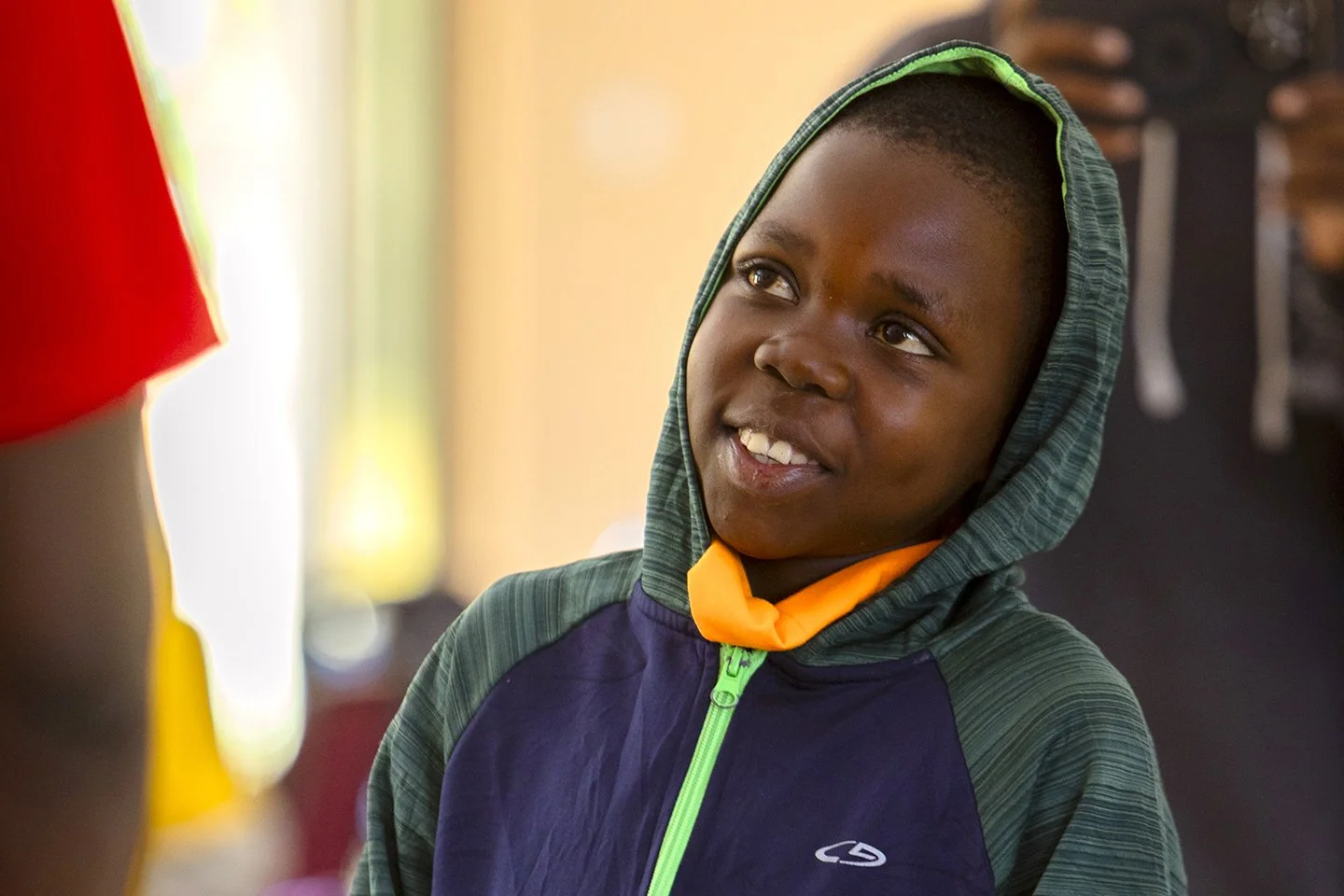
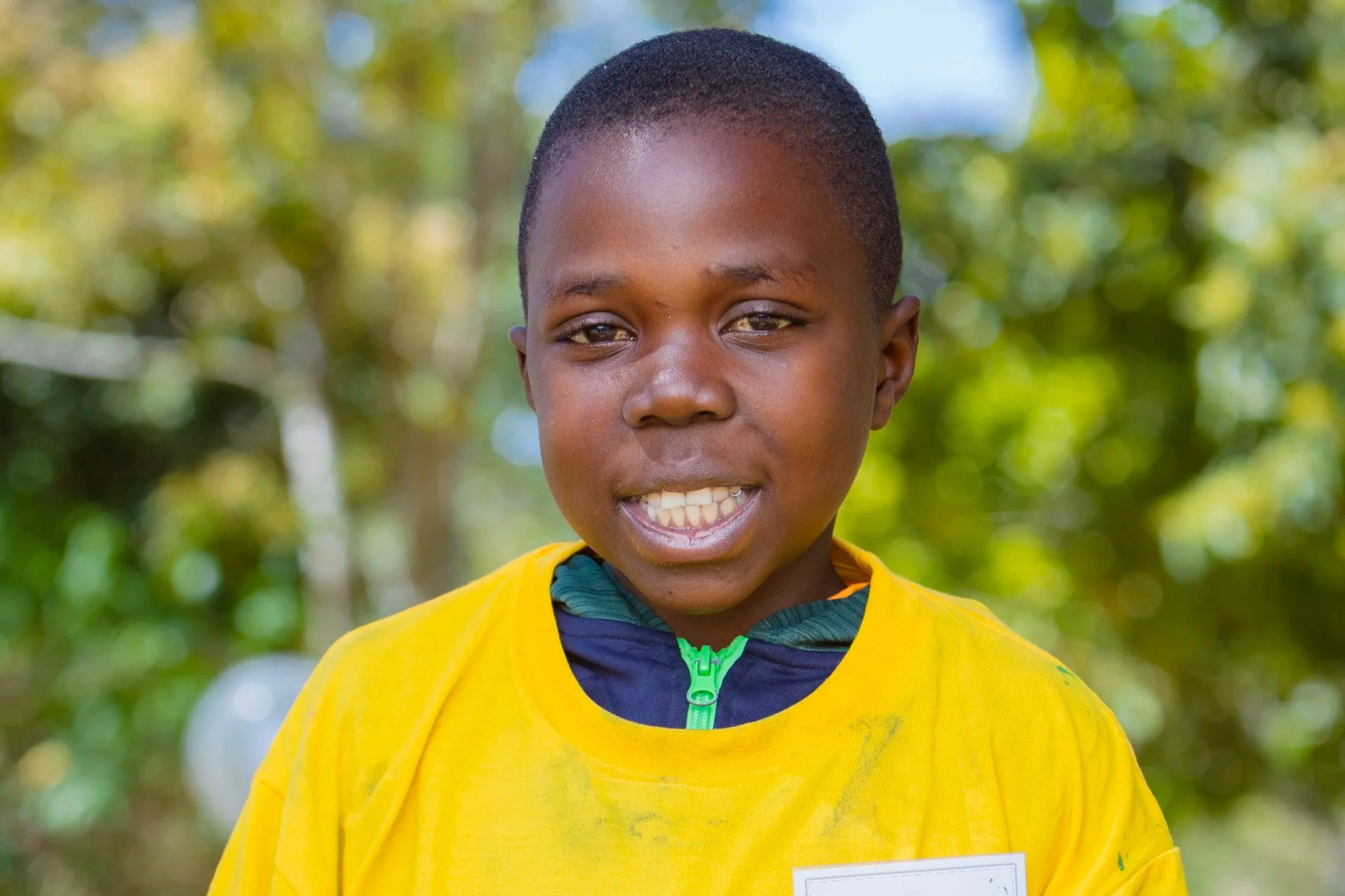
Daniel Mulowa participates in an advocacy activity at Camp Tuli Bonse in August 2025 in Lusaka, Zambia. (Photo: DOD Media Hub)
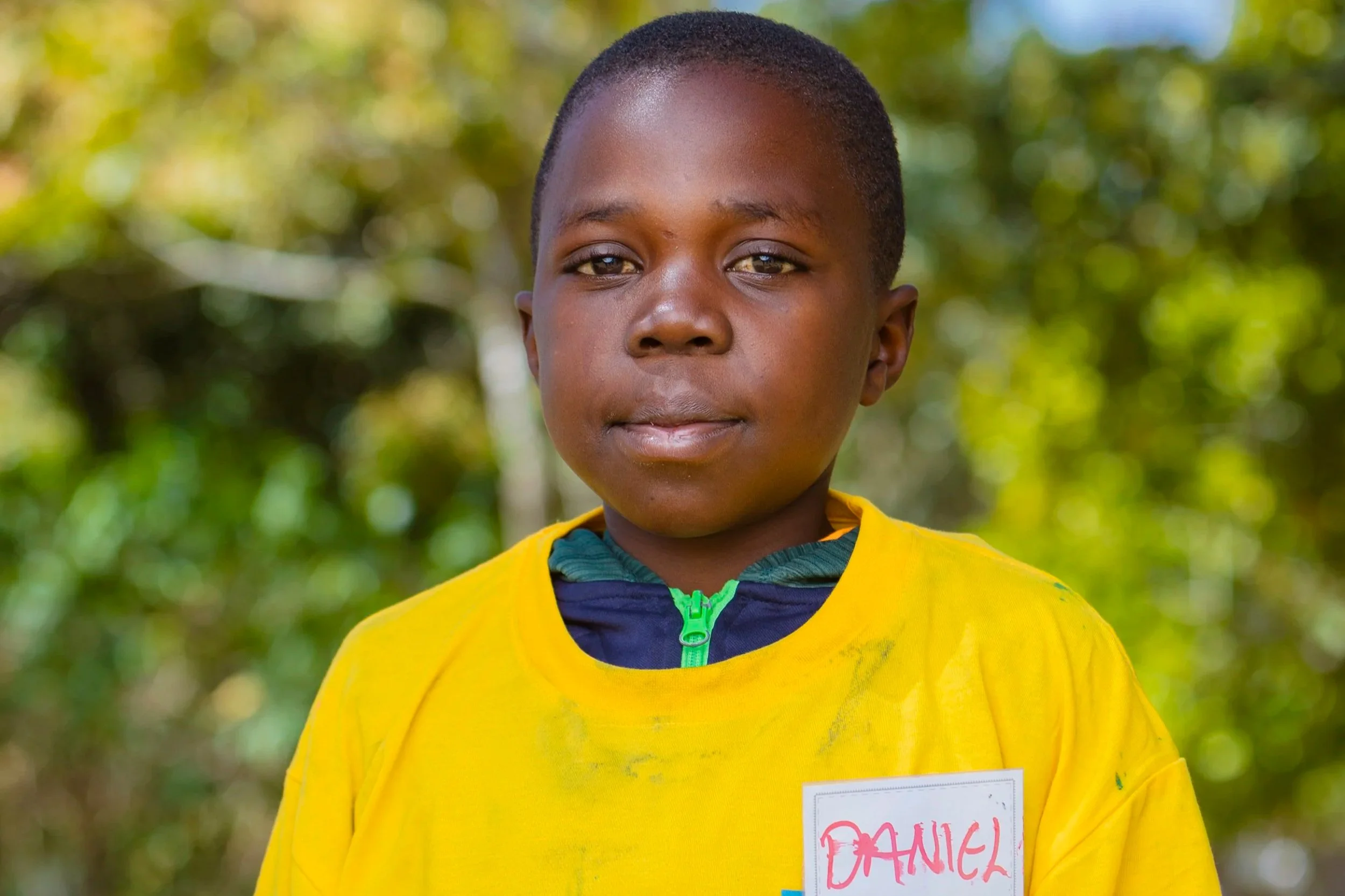
On his very first night at Camp Tuli Bonse, while his fellow campers slept, 11-year-old Daniel Mulowa received medical treatment for a sickle cell crisis.
His body ached and his nose wouldn’t stop bleeding. The painful, temporary crisis would have been familiar to anyone who suffers from sickle cell disease, a genetic blood disorder that can cause sudden pain, severe anemia, and other debilitating symptoms. Daniel’s pain crisis could have been caused by any—or a combination—of numerous factors: colder temperatures during the winter night in Lusaka, Zambia; the stress of traveling more than two hours by bus from his hometown to the camp site; the anxiety of meeting so many people all at once.
It had been a big day.
For Daniel, the magnitude of the day almost ended his camp experience. His nosebleed was so bad that medical staff went to nearby University Teaching Hospital, fortunately just down the road, to get adrenaline, which they applied topically to induce blood clotting. The treatment worked, finally stopping the nosebleed. With medicine, hydration, and rest, Daniel’s pain subsided, too.
When the worst was over, medical staff asked him a natural question: Would he like to return home, given what he had just gone through? No one would have blamed him if he had said yes. And many young people in that situation would have immediately, understandably, opted for the familiarity of home.
But Daniel declined. He said he wanted to stay. That decision may have changed his life.
Access to Care
Severe, chronic noncommunicable diseases—such as type 1 diabetes, sickle cell disease, and childhood-onset heart disease—result in more than half a million avoidable deaths every year among the world’s poorest children, adolescents, and young adults.
In many rural communities in sub-Saharan Africa, a lack of access to health care and resources can be as devastating as the diseases themselves. When care is only available in major cities, families often must travel for hours—suffering additional financial burdens—to attend check-ups and receive medicine
Fortunately, a patient-centered, integrated model of care—PEN-Plus—has been designed to greatly expand access to health services and help alleviate those burdens. PEN-Plus trains and equips providers in rural, lower-level hospitals and health facilities to bring care closer to home. PEN-Plus clinics also foster health education and peer support for patients, who often face stigma and a lack of understanding about their disease in their communities, at school, and even at home.
It was a PEN-Plus clinic that brought Daniel to Camp Tuli Bonse last summer.
Daniel attends monthly checkups at the PEN-Plus clinic in Mwachisompola First-Level Hospital, more than two hours north of Lusaka, Zambia’s capital. When he was younger, he hadn’t known what was causing his frequent pain, fatigue, and other symptoms. He said he felt sick for “a long time” before his family brought him to the Mwachisompola clinic, where he was diagnosed with sickle cell disease and began receiving treatment.
He has two younger sisters, one of whom, five-year-old Ketiwa, also inherited sickle cell disease. But apart from Ketiwa, Daniel said, he didn’t know anyone else who shared his condition—until he arrived at Camp Tuli Bonse.
“We Are Together”
The NCDI Poverty Network, the Sonia Nabeta Foundation, and the Center for Infectious Disease Research in Zambia (CIDRZ) partnered in August 2025 to host Camp Tuli Bonse, the first disease-integrated camp for children and adolescents receiving care at PEN-Plus clinics in Zambia.
Camp Tuli Bonse—which translates in Nyanja to “we are together”—was born from the idea that integrated care and support could extend beyond clinical settings, with benefits that transcend those of physical health. The camp brought together nearly 60 young people living with either type 1 diabetes or sickle cell disease, for five days of health education, empowerment, and peer support.
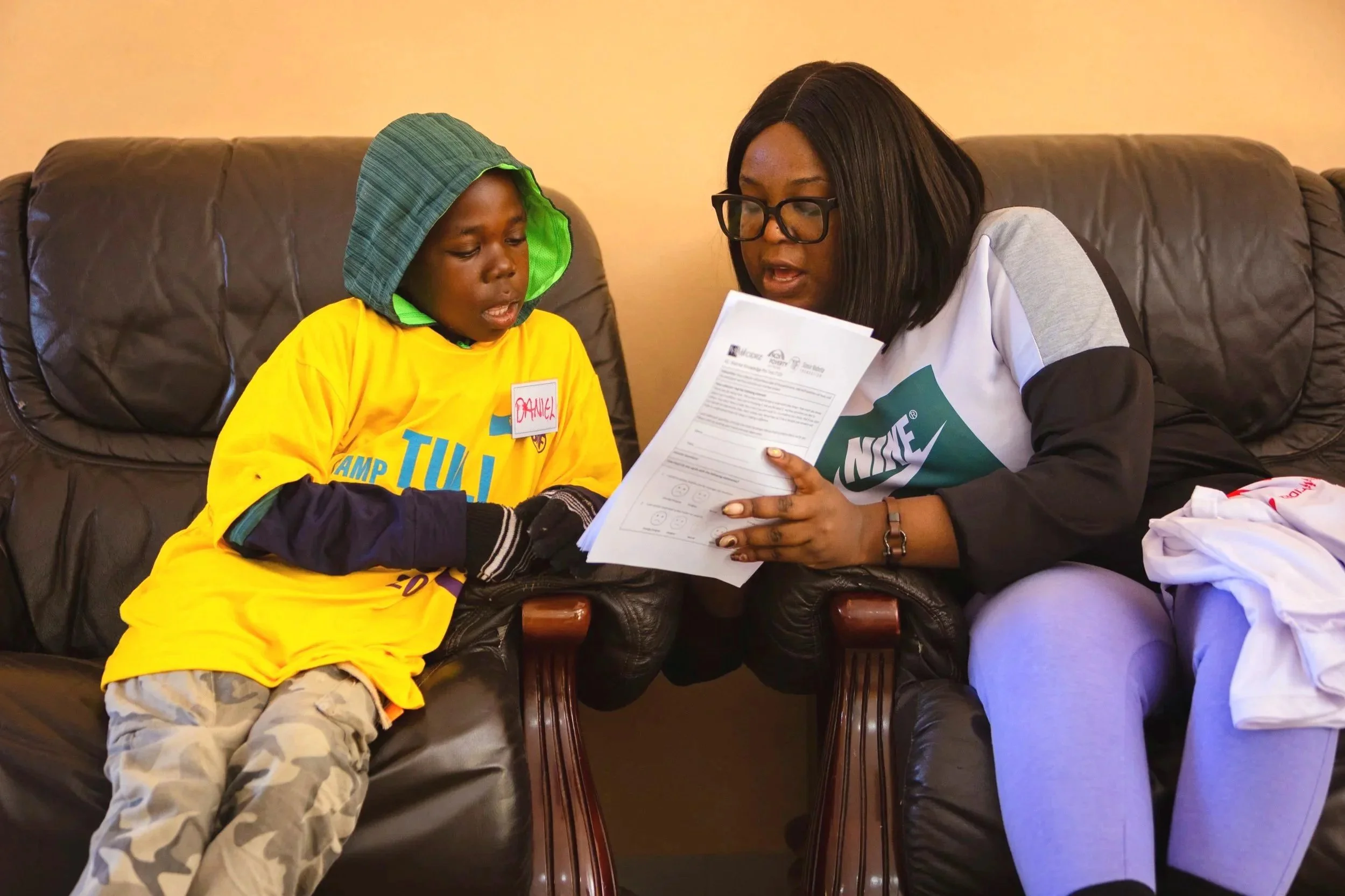
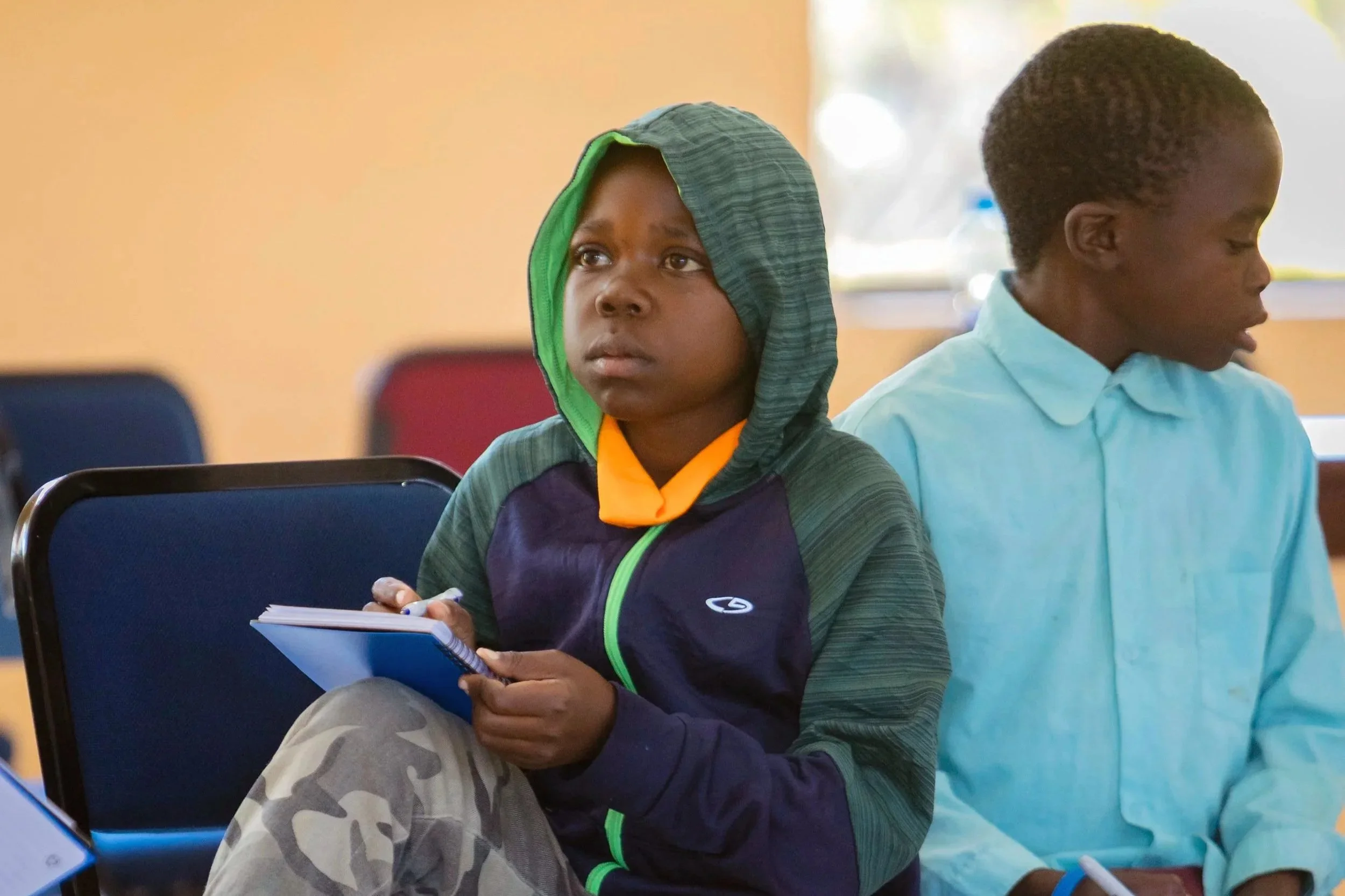
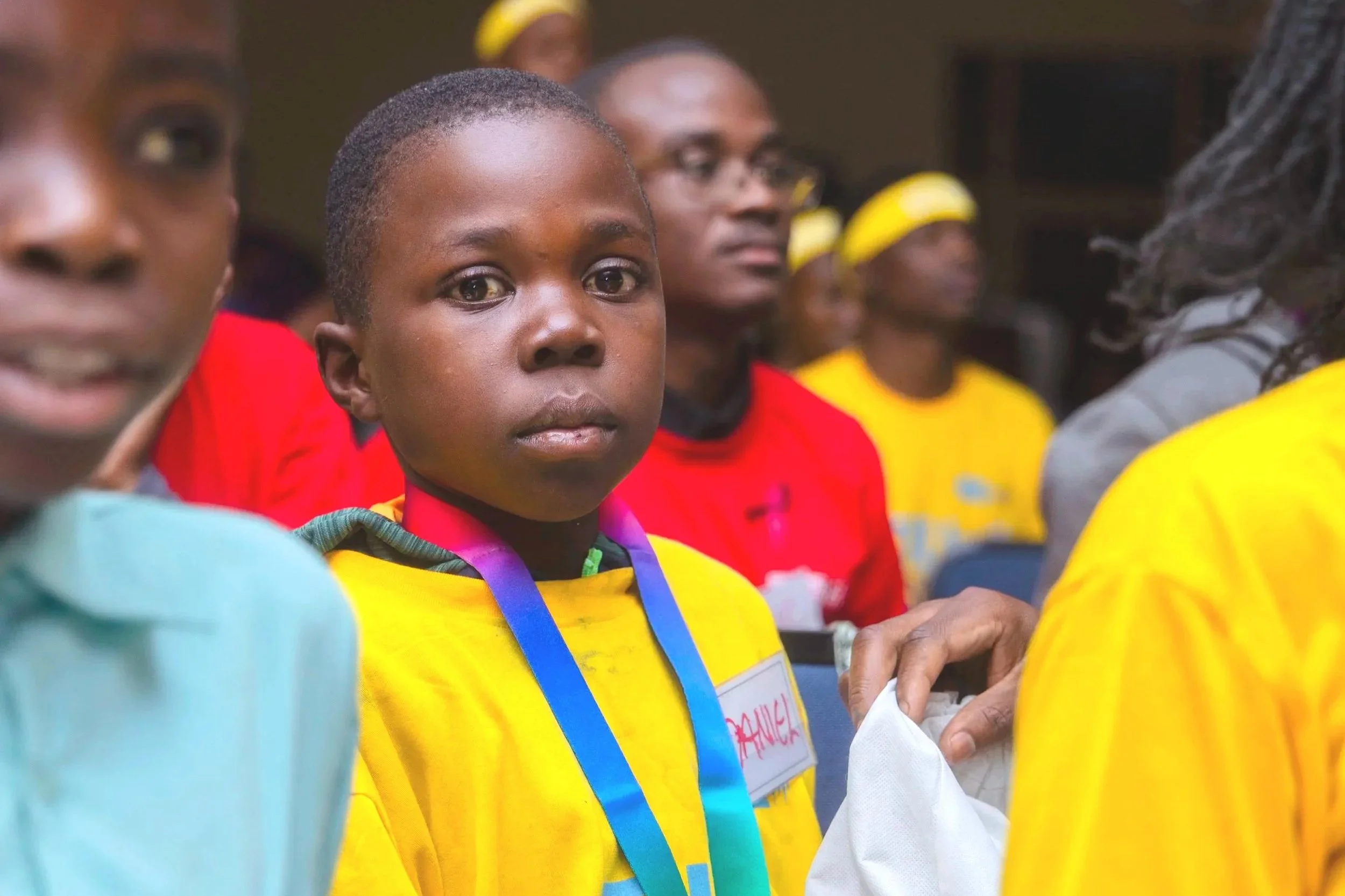
Early on Tuesday, the morning after his pain crisis, Daniel sat quietly on large, cushioned chairs in the site’s main hall. The hood of his sweatshirt was pulled up on his head and gloves covered his hands, to ward off the chill coming through the hall’s open doors. Beside him was Mwila Ng’andu, PEN-Plus coordinator for CIDRZ. She helped Daniel navigate an introductory survey that assessed his knowledge of sickle cell—part of a data study conducted by camp organizers to measure the weeklong camp’s impacts on participants’ health education and awareness.
As they spoke quietly together in Nyanja—one of several Bantu-family languages spoken at the camp; Daniel would later reveal that in his home village, he speaks Lenje—activity swirled around them. Daniel and Ng’andu, though, stayed in their quiet corner. Daniel was tired. Last night had been rough. And the camp setting was still unfamiliar, as were the people, whether they were young like him or adults, such as the medical staff and camp leaders.
Soon enough, activity found him—it was time for icebreakers. As campers gathered at tables, sitting with their designated team for the week, Daniel found himself next to Esnart Banda, a cheerful, fiery, 21-year-old camp counselor and sickle cell “warrior”—the term camp participants used to reflect their daily battles with the challenges from their disease.
As part of the morning program, Banda stood up and spoke passionately about positivity, and how she refused to let sickle cell define her or damage her self-esteem.
“I love myself so much, no one will ever discourage me!” she yelled, drawing cheers and clapping that filled the hall.
Daniel watched and, forgetting his fatigue, joined the applause.
“Hello, Mr. President”
Pauline Nalungwe has been a nurse since 1984, working at health facilities in Zambia for more than 40 years. She now works for CIDRZ in the PEN-Plus clinic at Mwachisompola First-Level Hospital. Nalungwe said the clinic provides care for about a hundred young people living with sickle cell disease, including Daniel. He was one of 10 of those warriors who attended Camp Tuli Bonse, along with 10 type 1 diabetes warriors from the clinic.
Two other first-level hospitals in Zambia—Matero in Lusaka and Kapiri Mwochi, about three hours north—also sent young people from their PEN-Plus clinics to the camp.
Nalungwe said at Mwachisompola, she sees Daniel and his younger sister regularly. She said his condition has greatly improved since he first began visiting the clinic more than a year ago—and he’s usually outgoing.
“His personality is good, along with his sister’s,” she said. “They are very active in the clinic.”
As an example, Nalungwe said that while drawing blood from some young warriors can be difficult, with Daniel it’s become easy—used to the routine, he just smiles cheerfully and extends his arm.
That personality gradually emerged as camp week continued. Daniel made a close friend—Austin, 16, a fellow sickle cell warrior from the Mwachisompola area. Austin also attends the PEN-Plus clinic, but he and Daniel didn’t know each other before camp; they live two hours apart. The pair quickly became inseparable around the camp site, walking to meals and activities together at the converted retreat center that included several buildings for staff housing, dormitories for campers, kitchen services, and the main hall.After Daniel’s pain crisis on the first night, medical staff asked him not to take part in the soccer games that other campers would start between activities. But Daniel would stand on the sidelines nonetheless, watching the action with a ball at his feet.
And on Thursday, the last full day of camp, an advocacy activity drew Daniel’s attention. Titled “One Minute with the President,” the role-playing activity gave younger campers the opportunity to speak for one minute with the president of Zambia, portrayed at the camp by Dr. Indrex Chisawa, who, incidentally, had been part of the medical team that cared for Daniel on Monday night.
As Dr. Chisawa posed presidentially near the front of the hall, Daniel approached, smiling shyly, and saluted. Daniel then asked the president for more health resources and food support in his region. After their conversation, he shook the president’s hand. The goal of the activity was to get campers thinking about using their voice for advocacy and change. For Daniel, it also was about standing up and taking part, in front of his peers.
He would do even more of that just a few hours later.
Dancing to the Music
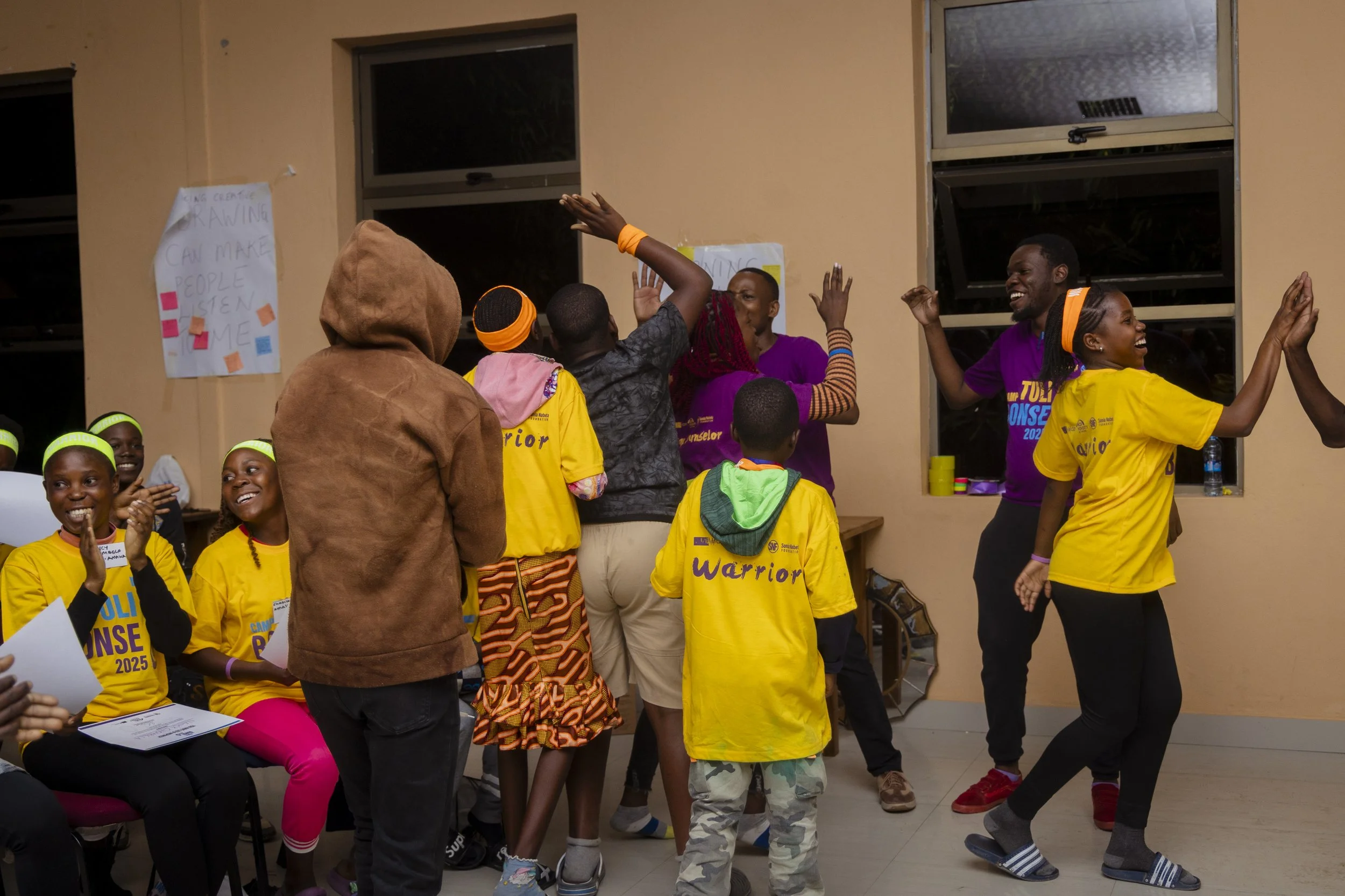
Like many youth camps, the highlight of Camp Tuli Bonse was the concluding talent show and award ceremony. Held on Thursday evening, the last night of camp, the show had a buzzy and even secretive buildup; campers had been rehearsing skits with their teams and surprise performances with their friends.
Anticipation was high as the sky darkened and campers filled seats in the main hall, entering past counselors posing as “security guards” at the door, checking fake “lists” for admission.
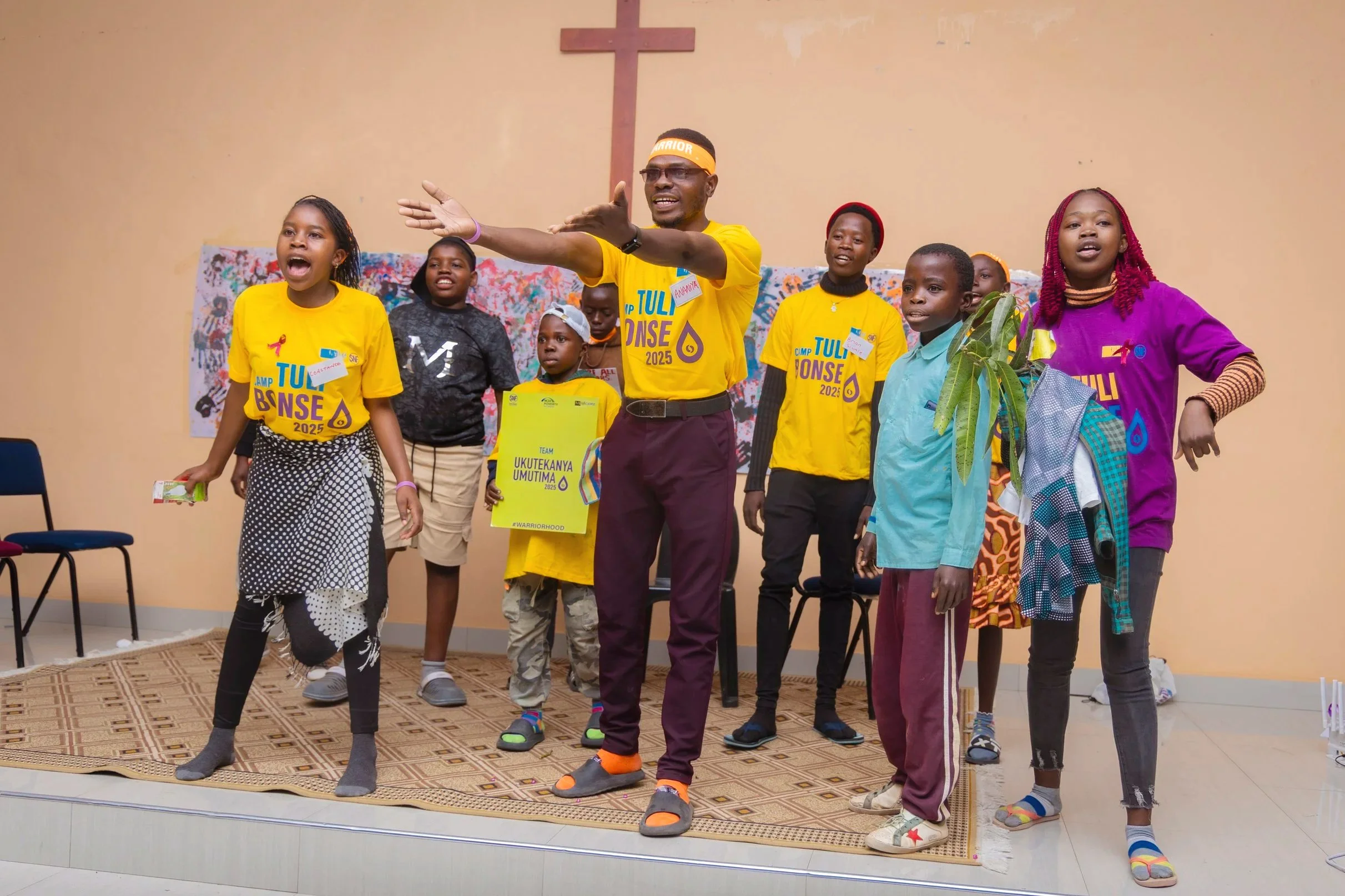
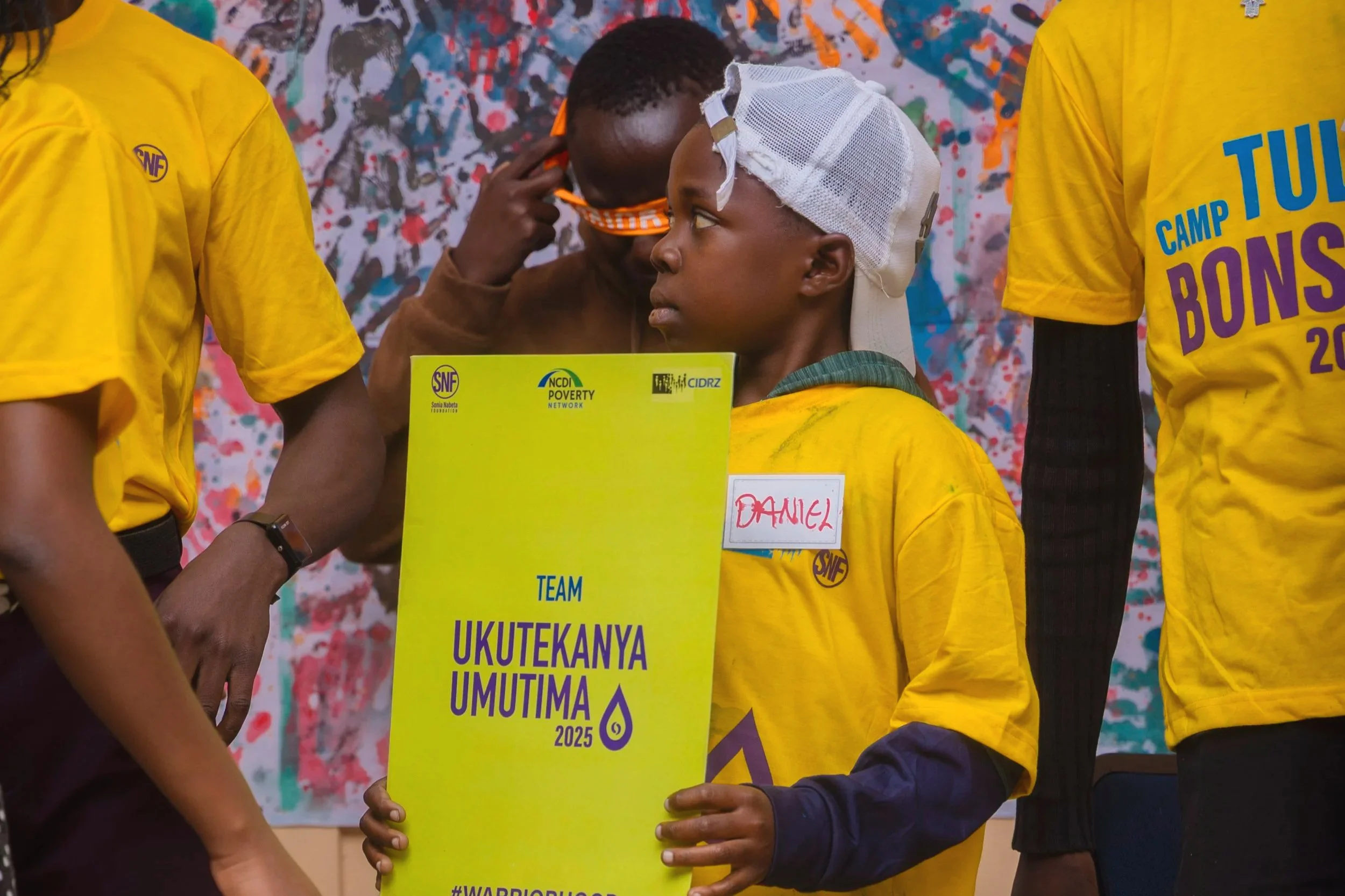
The skits dealt with very real issues: sickle cell disease, type 1 diabetes, stigma, and misperceptions in communities, schools, and homes. For Daniel’s team, Ukutekanya Umutima, it was no different—their skit portrayed a sickle cell crisis. Daniel was one of the youngest people on his team, which included several teenagers and young adults.
Despite his age, Daniel was the one who led his team to the stage, dancing and swaggering as a popular hip-hop song blasted from the camp’s giant speakers. In the midst of their make-believe party, Daniel suddenly began reenacting a sickle cell crisis—similar to the one he had endured in real life only a few nights earlier.
The team left the stage to raucous applause.
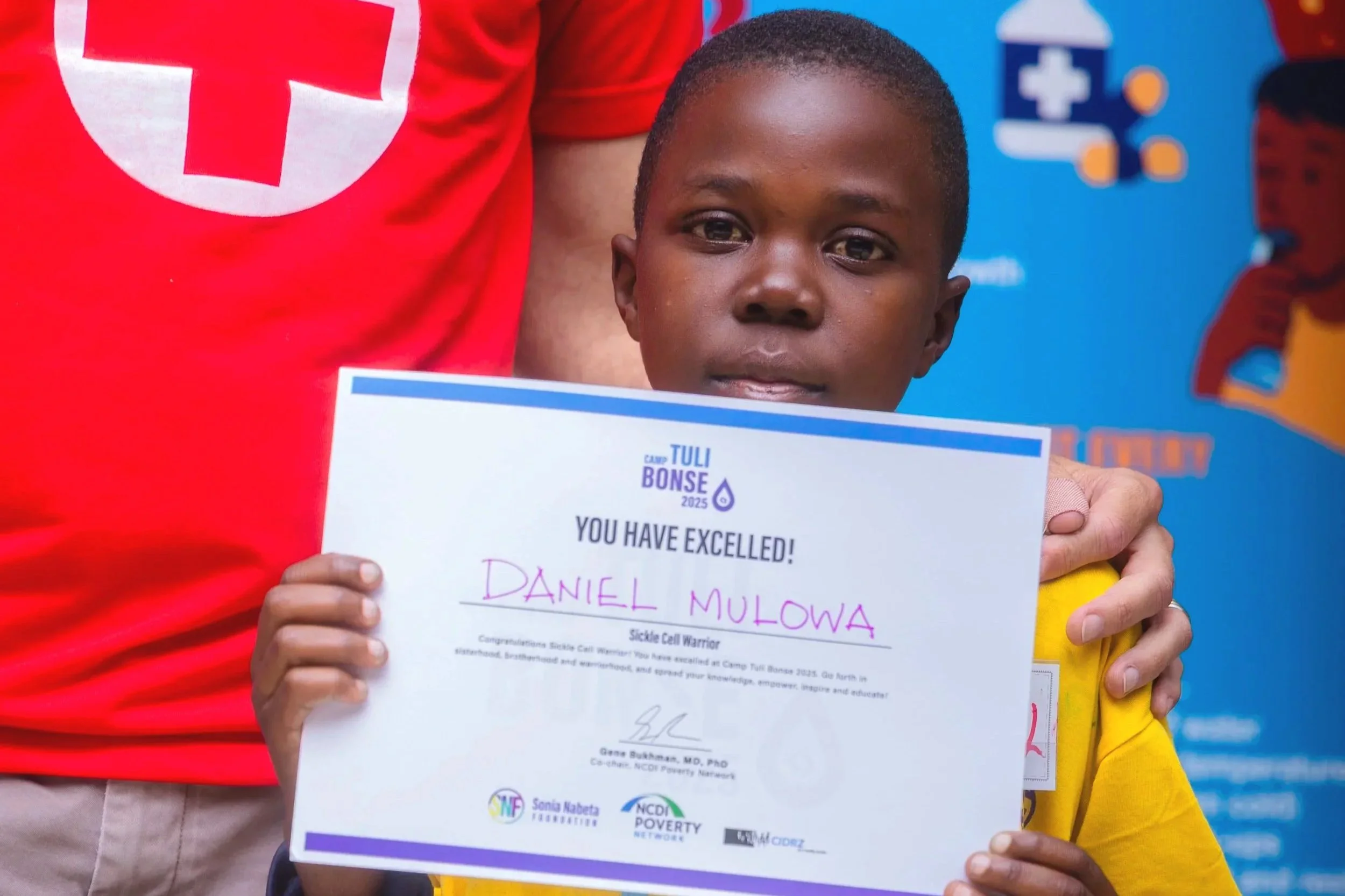
In the award ceremony that followed the talent show, every camper received a certificate of participation. Many also received prizes for various activities and performances; Daniel’s team took second in the talent show, winning colorful water bottles.
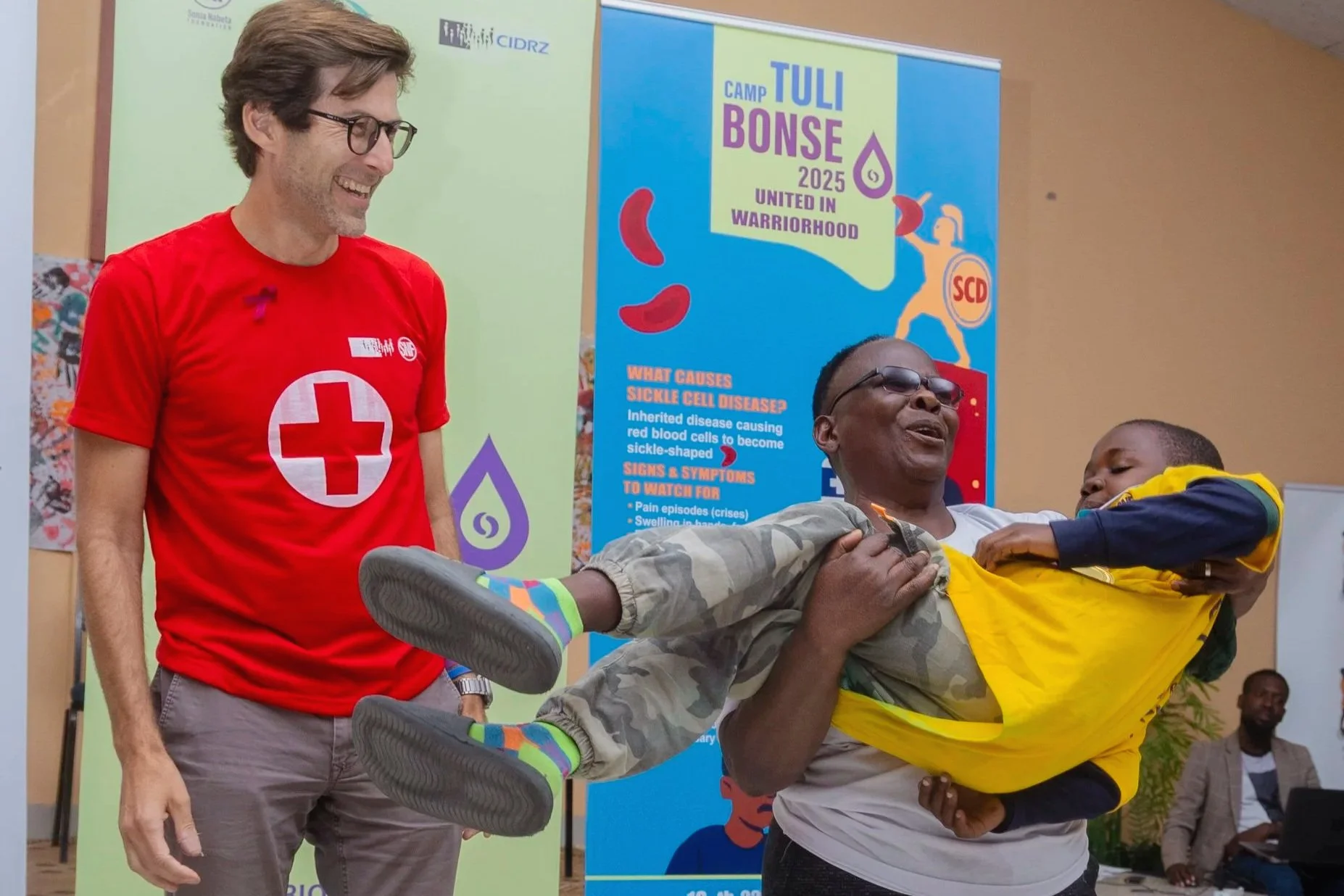
Then the final award was announced: Daniel as Camper of the Year. As he shyly high-fived counselors and staff standing in front of the stage, Pauline, his nurse, scooped him into her arms for a hug.
Daniel later said he was stunned to receive the award.
“My heart was beating so fast,” he said, with translation from a counselor. “But I wasn’t scared. I was happy.”
A Doctor One Day
The following day, Daniel sat at a picnic table next to Austin as buses filled with campers and slowly pulled away, headed for home. Their bus, to Mwachisompola, would be the last to leave.
Daniel said he was excited to return home and teach his younger sister, Ketiwa, to stay hydrated—he had a new water bottle to help—and take hydroxyurea for her sickle cell, as he had learned to do.
He would have plenty more to tell her. Reflecting on the week, Daniel said he had been surprised to meet so many other people with sickle cell disease, a new experience for him. He had been talking about the disease all week, with Austin and other warriors, discussing how often they got sick and what they did to feel better.
He learned about type 1 diabetes, too, in the same way that many diabetes warriors learned about sickle cell. Ng’andu said the camp had taught warriors to think about the struggles they shared, and how their fellow warriors were feeling. On that first night, she said, it had been a type 1 diabetes warrior who had awakened a clinician when he noticed Daniel struggling with pain.
Daniel said the medical staff had treated him very well on that first, traumatic night—and one day, he wanted to become a doctor himself, so he could treat people, too.
Ng’andu said he had come a long way in just a few short days, since the doctors had asked whether he wanted to go home.
“He wanted to stay,” she said. “And now he’s doing much better.”
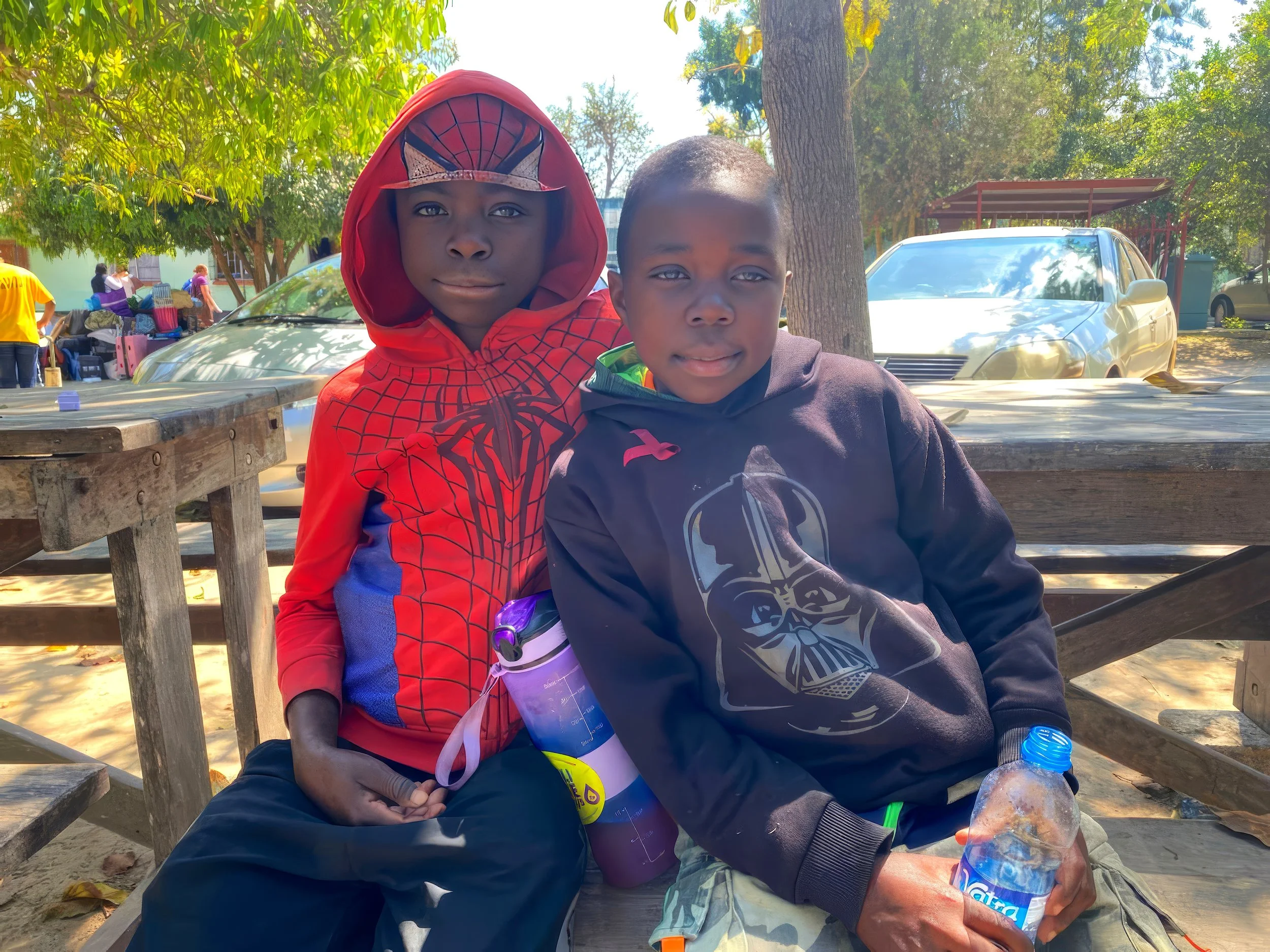
Daniel Mulowa, right, sits with fellow camper Austin Chitambala on the last day of camp. Although they live two hours apart, Daniel and Austin receive regular treatment at the same PEN-Plus clinic. They had not met before Camp Tuli Bonse, yet quickly became inseparable as they shared with each other their experiences of living with sickle cell disease. (Photo by Mike Lawrence/NCDI Poverty Network)