News and Stories
Celebrating the Network’s First Five Years
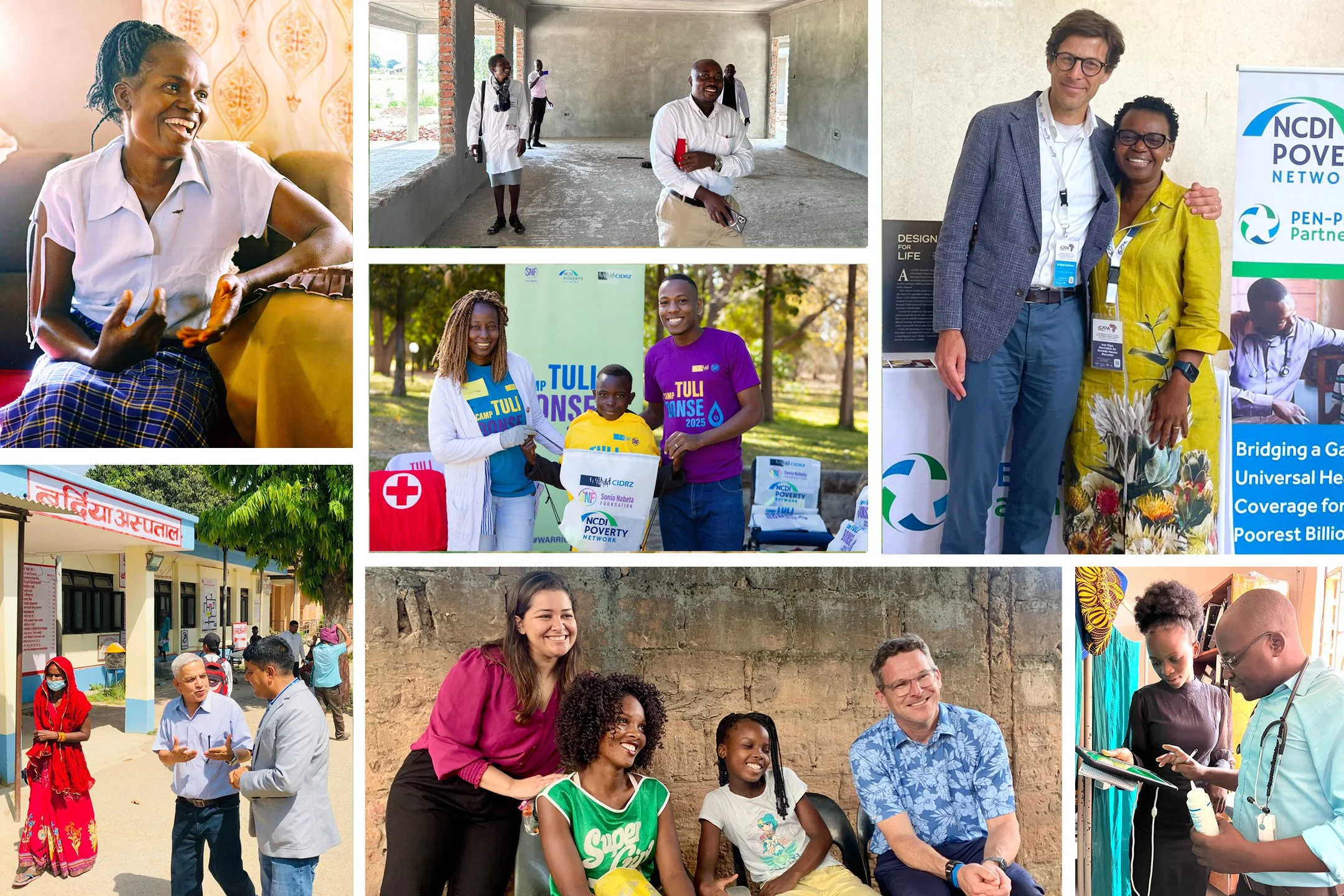
Five years. Twenty-nine countries. Over a hundred PEN-Plus clinics. More than 30,000 patients. Together, the many collaborators that compose the NCDI Poverty Network deliver hope and healthcare to children, adolescents, and young adults navigating the dual challenges of poverty and severe, chronic noncommunicable diseases. And this is just the beginning.

Mozambique Hosts a Regional PEN-Plus Study Tour
The NCDI Poverty Network’s co-secretariat in Maputo, Mozambique, and the Southern Africa Regional Hub recently hosted a study tour to enable representatives from the Ministries of Health of Angola, Eswatini, and Lesotho to learn about PEN-Plus implementation.

Health Leaders Commit to Accelerating PEN-Plus in Africa
At the second International Conference for PEN-Plus in Africa, recently held in Abuja, health leaders, policymakers, and development partners across Africa renewed their commitment to an accelerated implementation of the PEN-Plus to significantly expand access to care for people living with severe noncommunicable diseases.
Four New Countries Join the NCDI Poverty Network
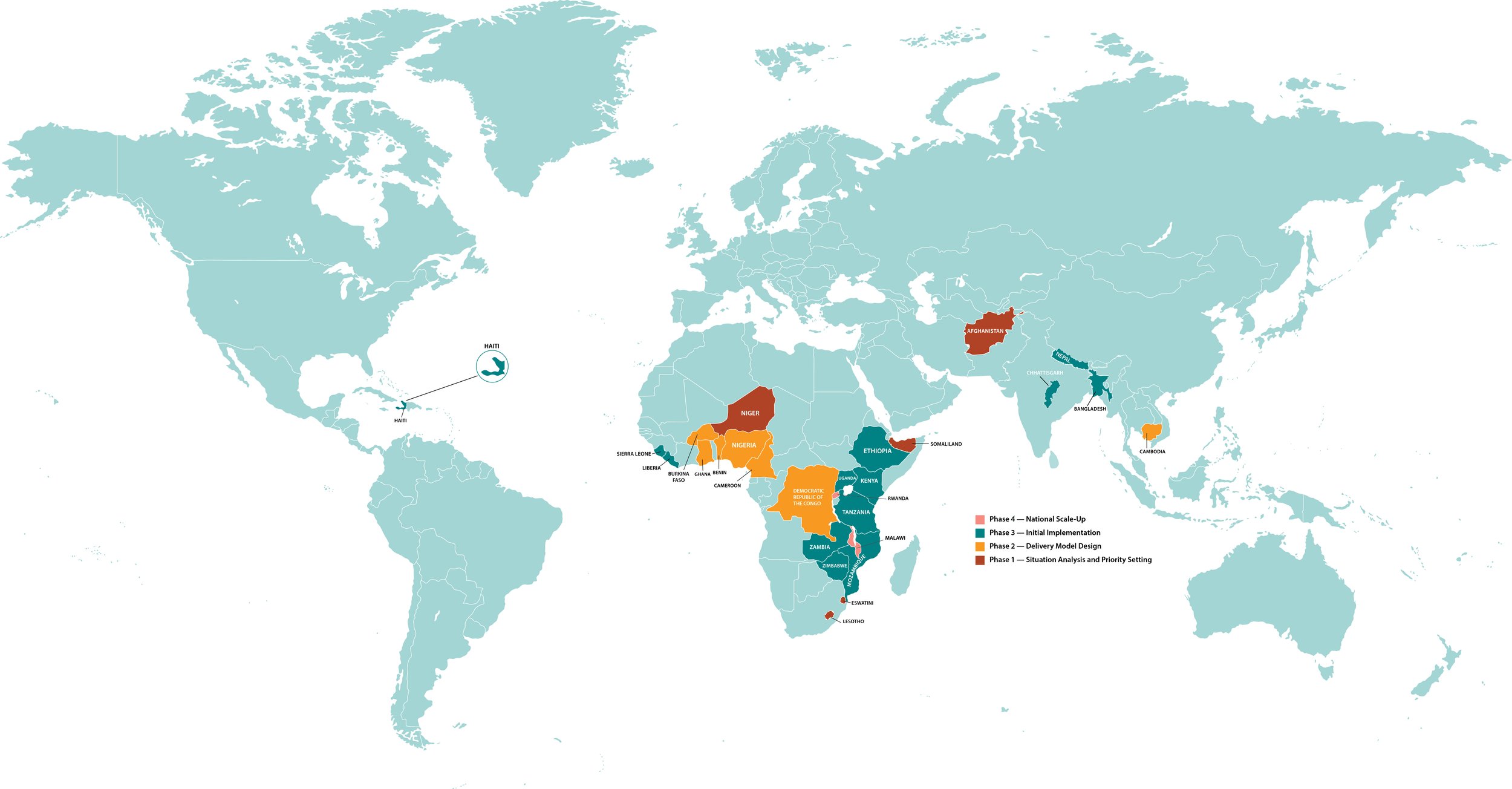
In just the past several months, the NCDI Poverty Network has grown from 23 partner countries to 27, with the most recent additions being Eswatini, Lesotho, Niger, and Somaliland.

WHO AFRO Publishes Landmark PEN-Plus Report
The WHO Regional Office for Africa recently published a landmark report that details the impact and momentum of the PEN-Plus model, providing a valuable tool for advocacy and information about integrated care for people living with severe, chronic noncommunicable diseases.

Southern Africa Regional Hub Celebrates First Anniversary
The Maputo co-secretariat of the NCDI Poverty Network, based at Universidade Eduardo Mondlane, hosted an event marking the first anniversary of the establishment of both the Southern Africa Regional Hub and the Maputo co-secretariat of the NCDI Poverty Network on 1 February. The event encouraged discussion on how the Hub can support countries in the region in implementing the PEN-Plus model.