News and Stories
A Year of Acceleration: Reflections on Steps Forward for Noncommunicable Disease Care
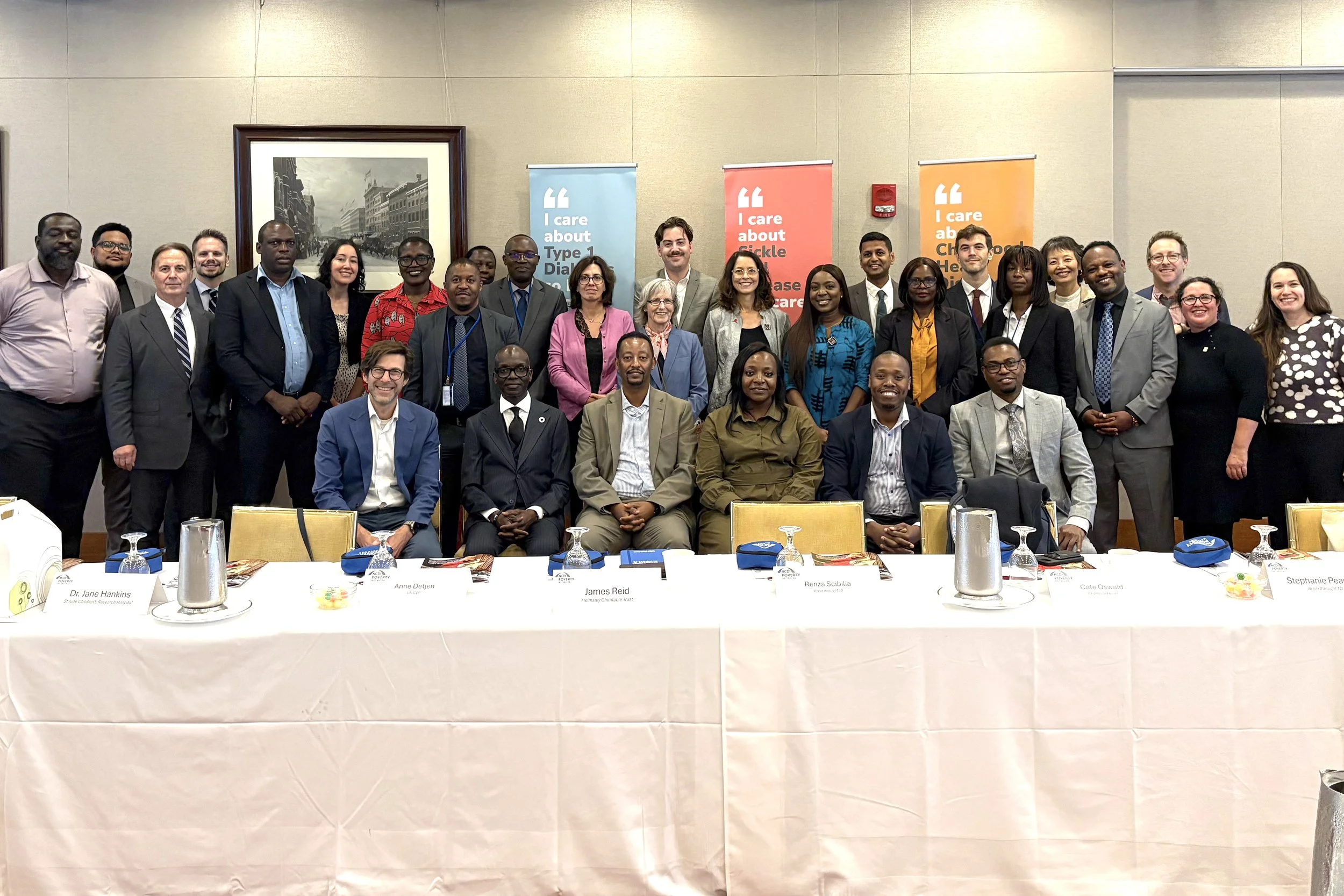
During this year’s United Nations General Assembly Week, Rachel Gasana, senior director of advancement at the NCDI Poverty Network, reflected on the bold new partnerships and program launches that made the previous year a momentous one for the care of people living with severe, chronic noncommunicable diseases.
‘Let’s Grow Together’: Voices for PEN-Plus Team Expands
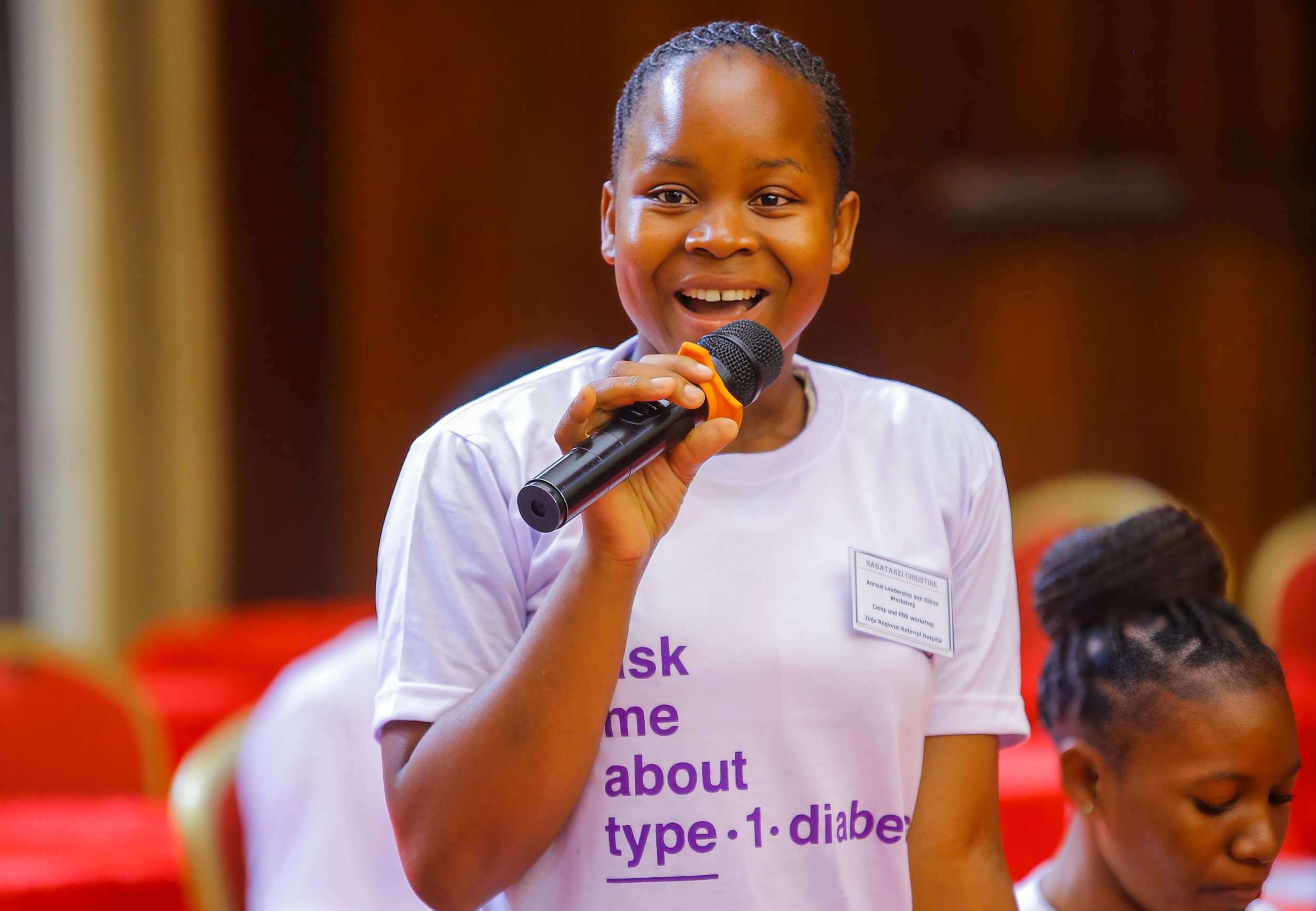
Two sickle cell warriors from Kenya and two type 1 diabetes warriors, one from Uganda and the other from Zambia, recently joined the Network’s Voices for PEN-Plus advocacy program. “Your story makes a difference, your story has impact,” veteran Voices advocate Moses Echodu said in welcoming the newcomers. “And, importantly, your story is what will keep someone else hopeful.”
‘Positioned as a Solution’: Three Intensive Years Preceded Kenya’s National Plan for PEN-Plus
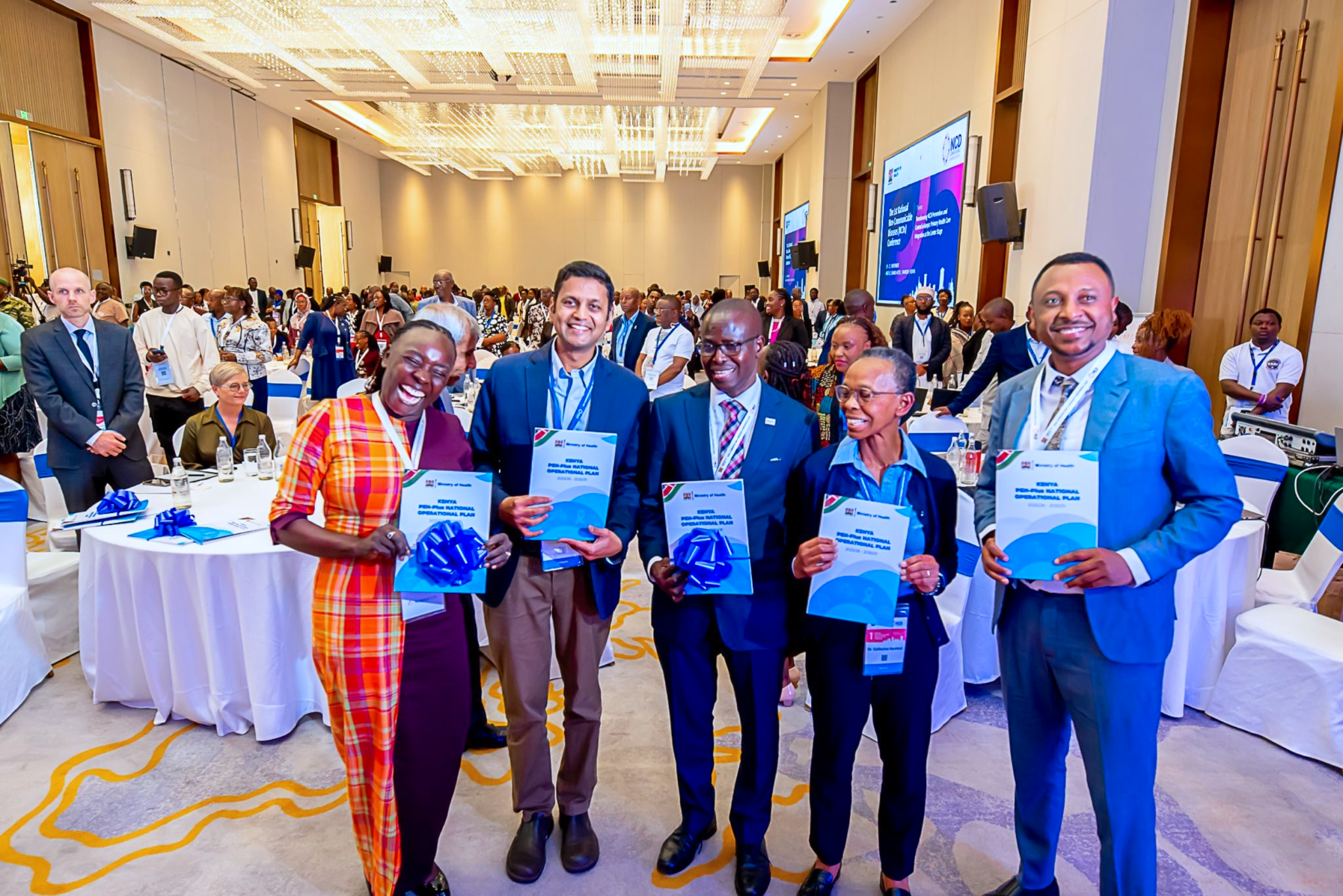
Several countries that have already implemented PEN-Plus are now launching national operational plans to detail how they will use the model to expand, integrate, and decentralize care for people living with noncommunicable diseases. A leader in Kenya’s Ministry of Health recently revealed critical steps in ensuring that country’s plan would be a success.
Peer Support a Growing Focus of Noncommunicable Disease Care
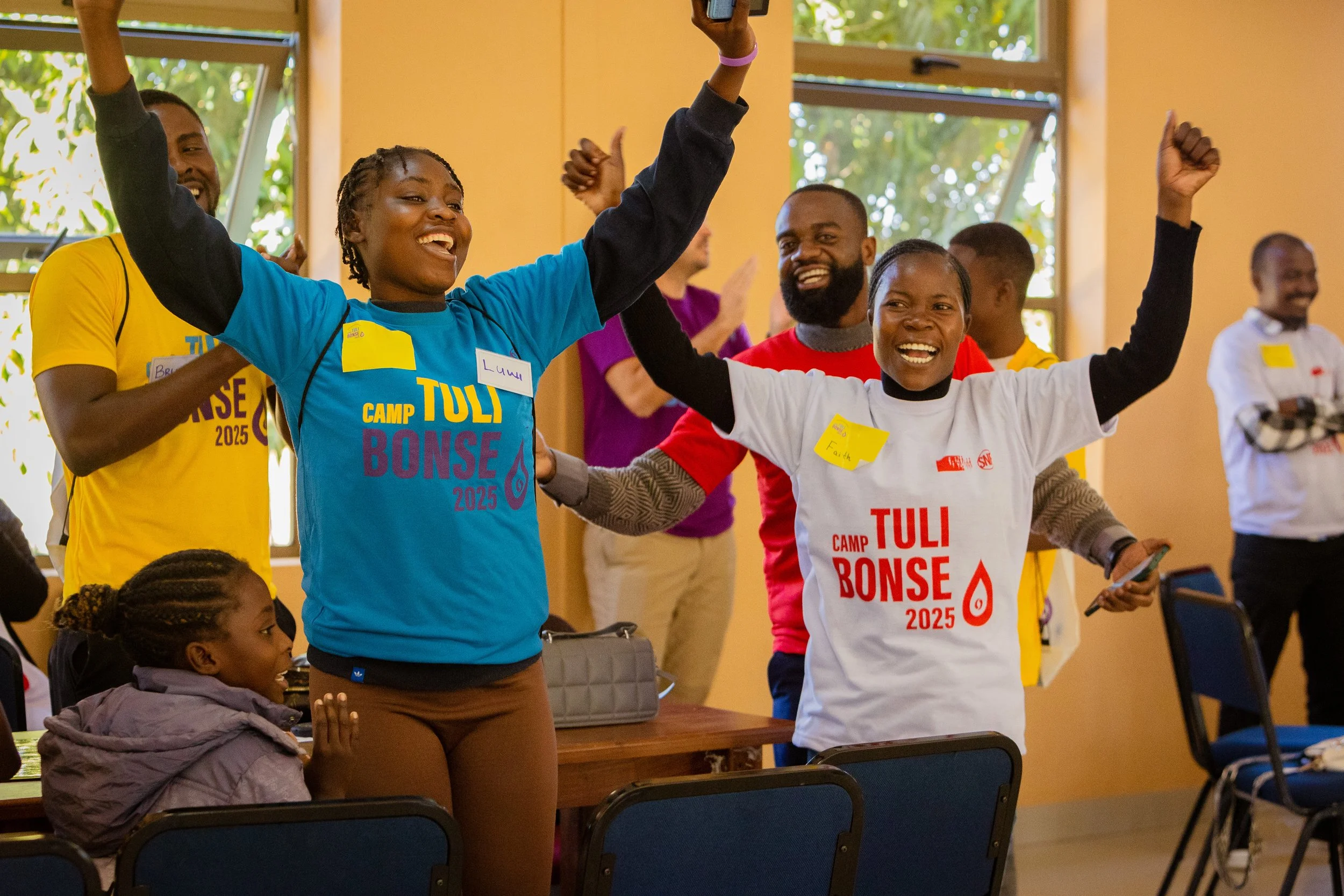
With peer support having proved to be a key component of PEN-Plus care, the NCDI Poverty Network is developing an integrated training program for peer educators. “We’ve seen beautiful examples of young people who are unafraid to speak boldly about their condition, to be advocates, to be champions,” said Dr. Colin Pfaff, the Network’s associate director of programs. “They are living successful lives and are examples to others, which has such a powerful impact.”
Celebrating the Network’s First Five Years
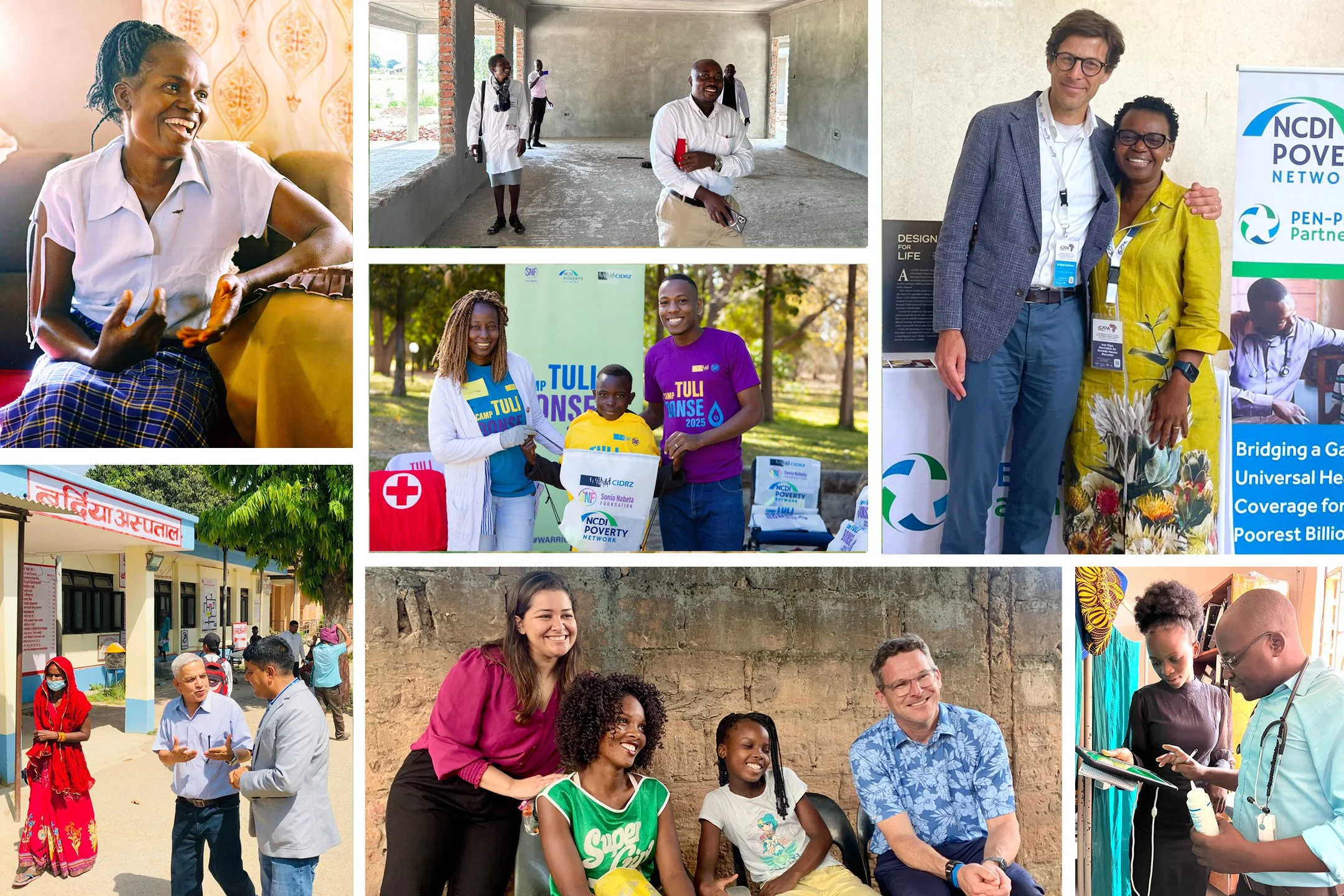
Five years. Twenty-nine countries. Over a hundred PEN-Plus clinics. More than 30,000 patients. Together, the many collaborators that compose the NCDI Poverty Network deliver hope and healthcare to children, adolescents, and young adults navigating the dual challenges of poverty and severe, chronic noncommunicable diseases. And this is just the beginning.
Kenya’s Milestones in Noncommunicable Disease Care Follow Years of Collaboration
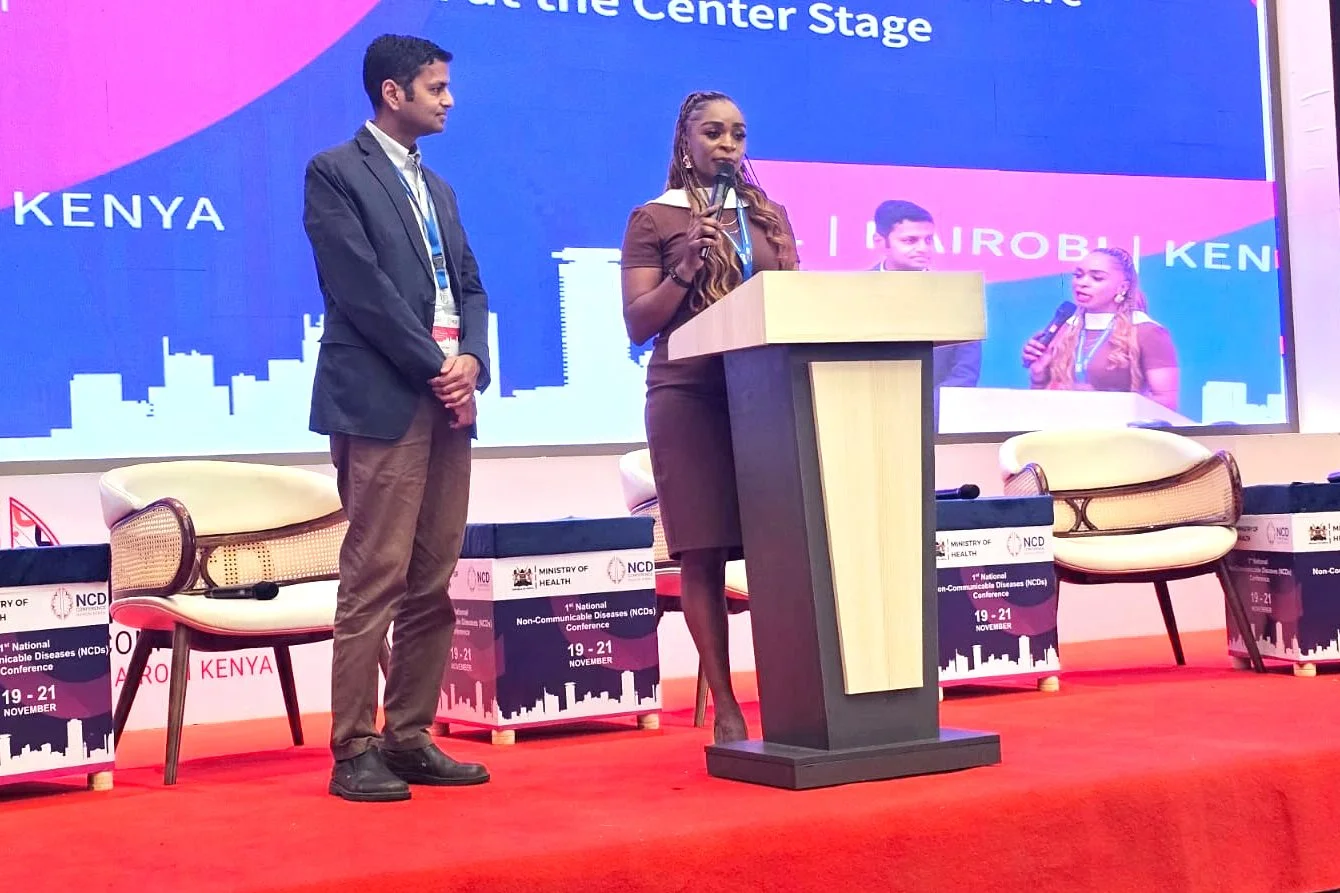
The Kenya Ministry of Health, NCD Alliance Kenya, NCDI Poverty Network, and partners convened for Kenya’s inaugural National NCD Conference, which featured the launch of a PEN-Plus National Operational Plan.

Health Leaders Commit to Accelerating PEN-Plus in Africa
At the second International Conference for PEN-Plus in Africa, recently held in Abuja, health leaders, policymakers, and development partners across Africa renewed their commitment to an accelerated implementation of the PEN-Plus to significantly expand access to care for people living with severe noncommunicable diseases.

Examining the Patient’s Entire Journey
The NCDI Poverty Network’s second study in a trio assessing 16 health facilities across nine countries in 2022–23, before PEN-Plus implementation, focuses on how providers deliver care, from screening and diagnosis through treatment and long-term support.

Study Shows Medicine and Equipment Gaps in Advance of PEN-Plus
A newly published study found that only two of 16 health facilities assessed in nine lower-income countries had all the functional equipment needed to diagnose and manage care for people living with type 1 diabetes. Two of the facilities had none of the necessary equipment.
Creating a Training “Echo”
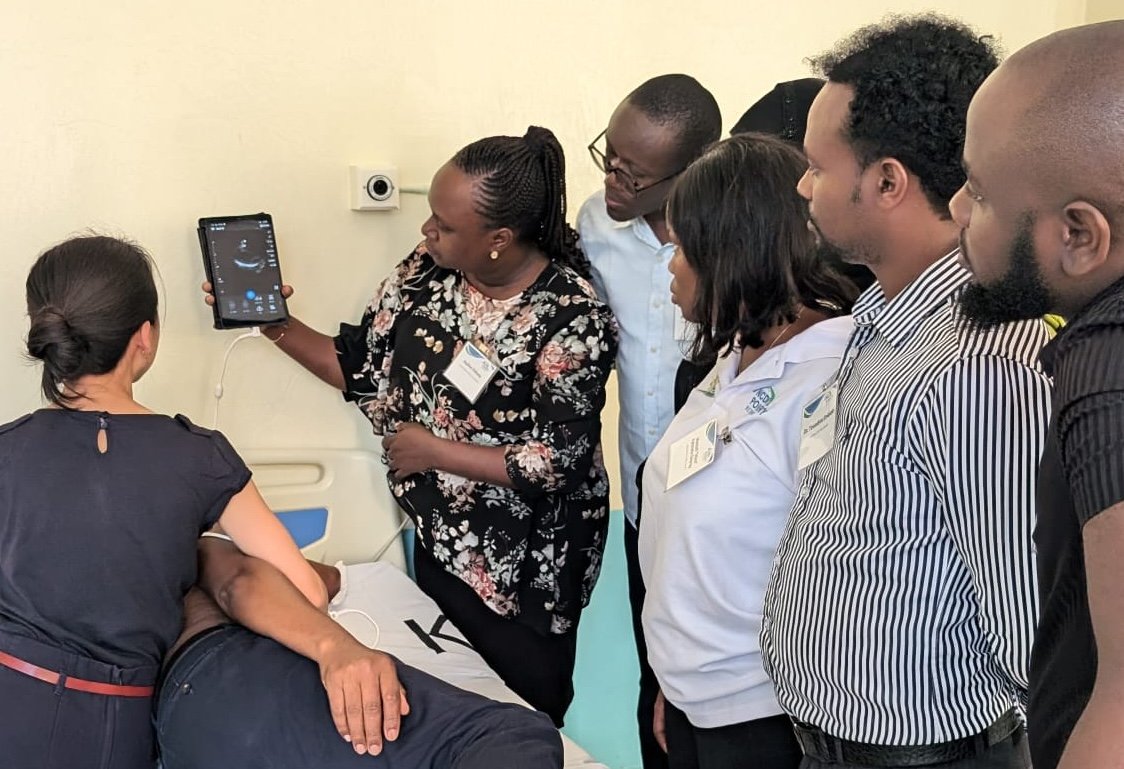
A recent intensive teaching course aimed to turn care providers already proficient in echocardiography into master trainers. Held in Kenya, the weeklong session included care providers from five countries.

WHO AFRO Publishes Landmark PEN-Plus Report
The WHO Regional Office for Africa recently published a landmark report that details the impact and momentum of the PEN-Plus model, providing a valuable tool for advocacy and information about integrated care for people living with severe, chronic noncommunicable diseases.
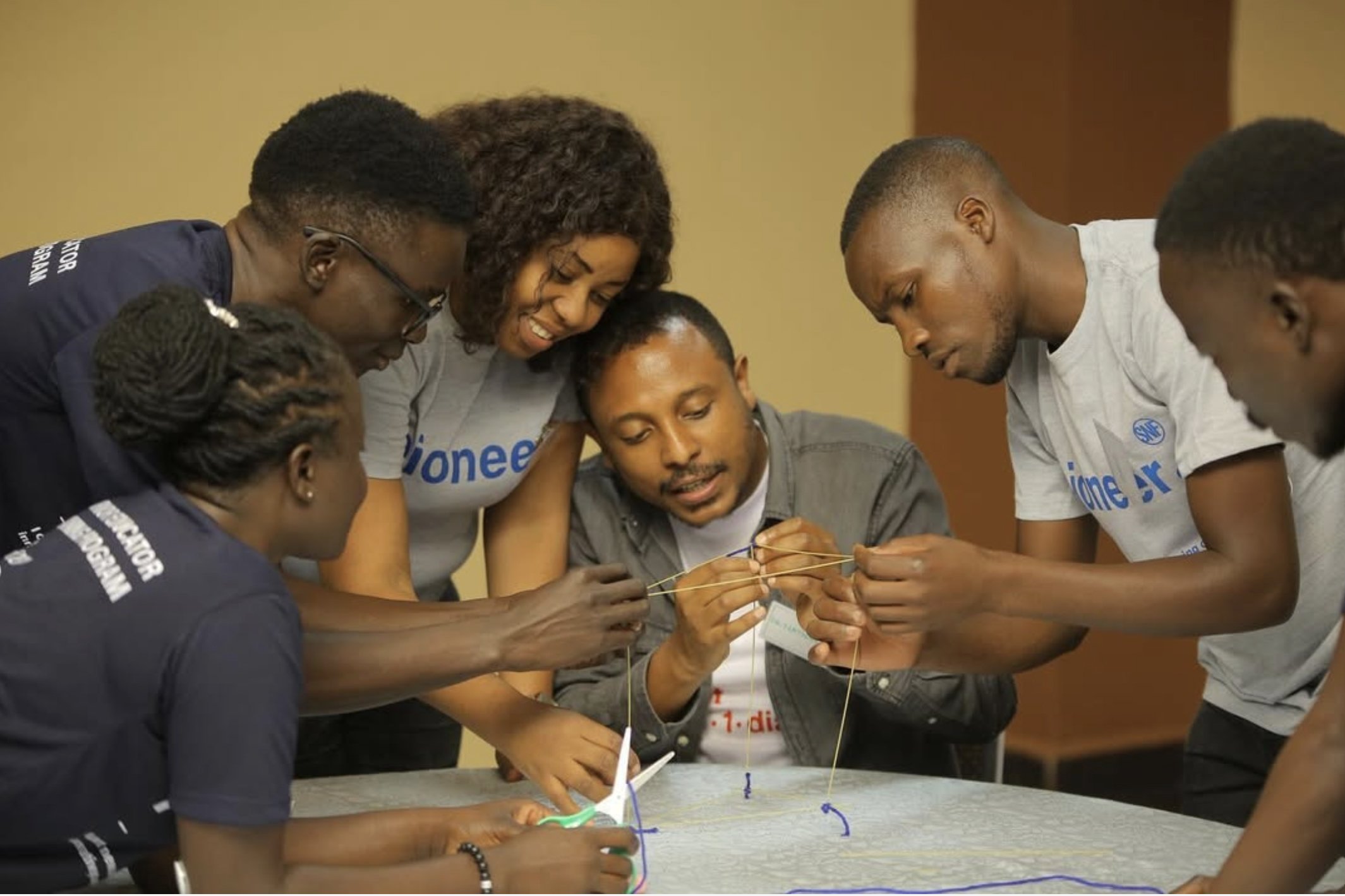
Training the Warrior Trainers
Two NCDI Poverty Network physicians lent their expertise during a recent diabetes training workshop that the Sonia Nabeta Foundation hosted in Uganda.
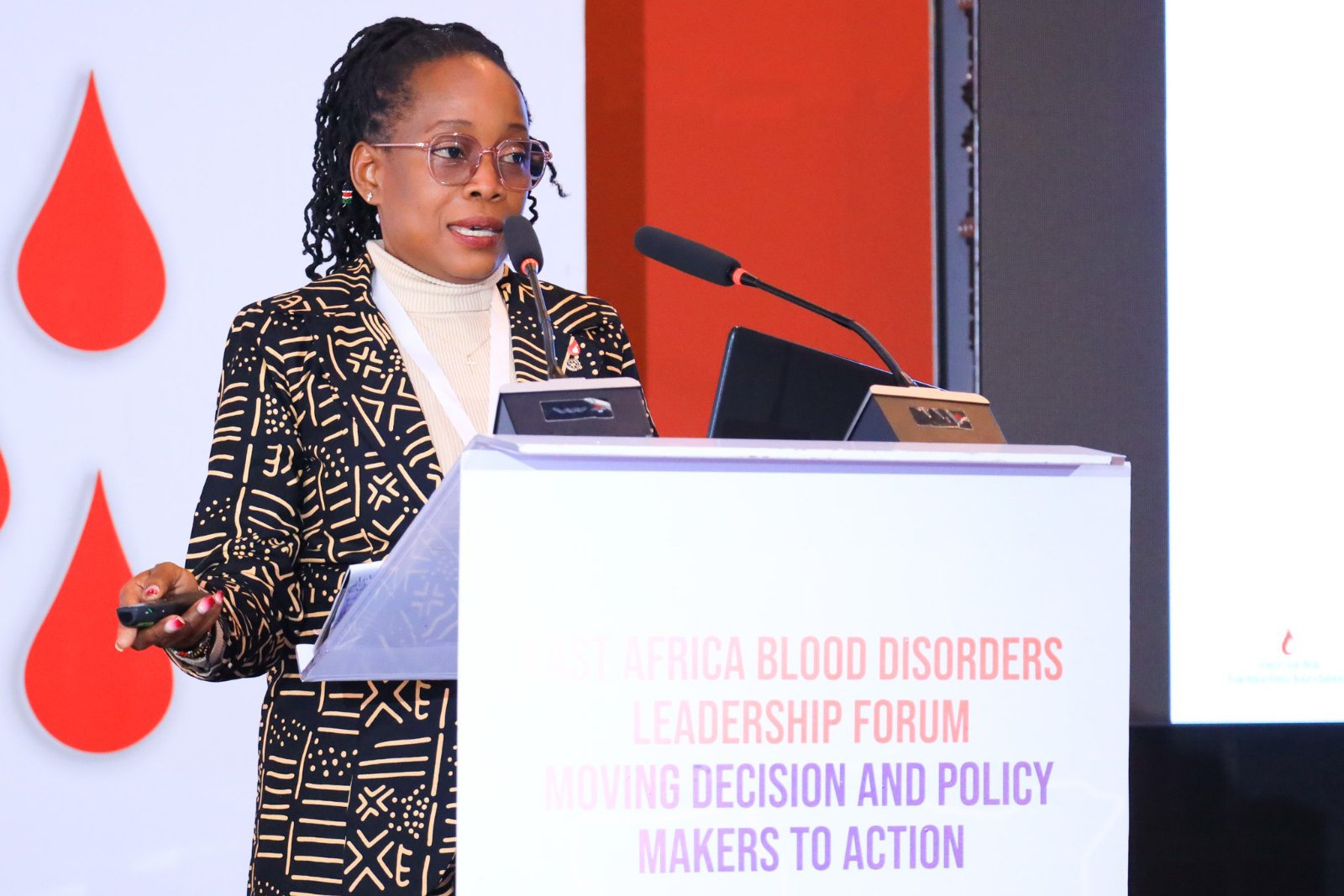
Sickle Cell Warrior Presents on the Lifesaving Power of Blood
During the East Africa Blood Disorders Leadership Forum, held in Nairobi in late October, Eunice Owino, a Voices for PEN-Plus advocate, spoke about her experiences living with sickle cell disease.
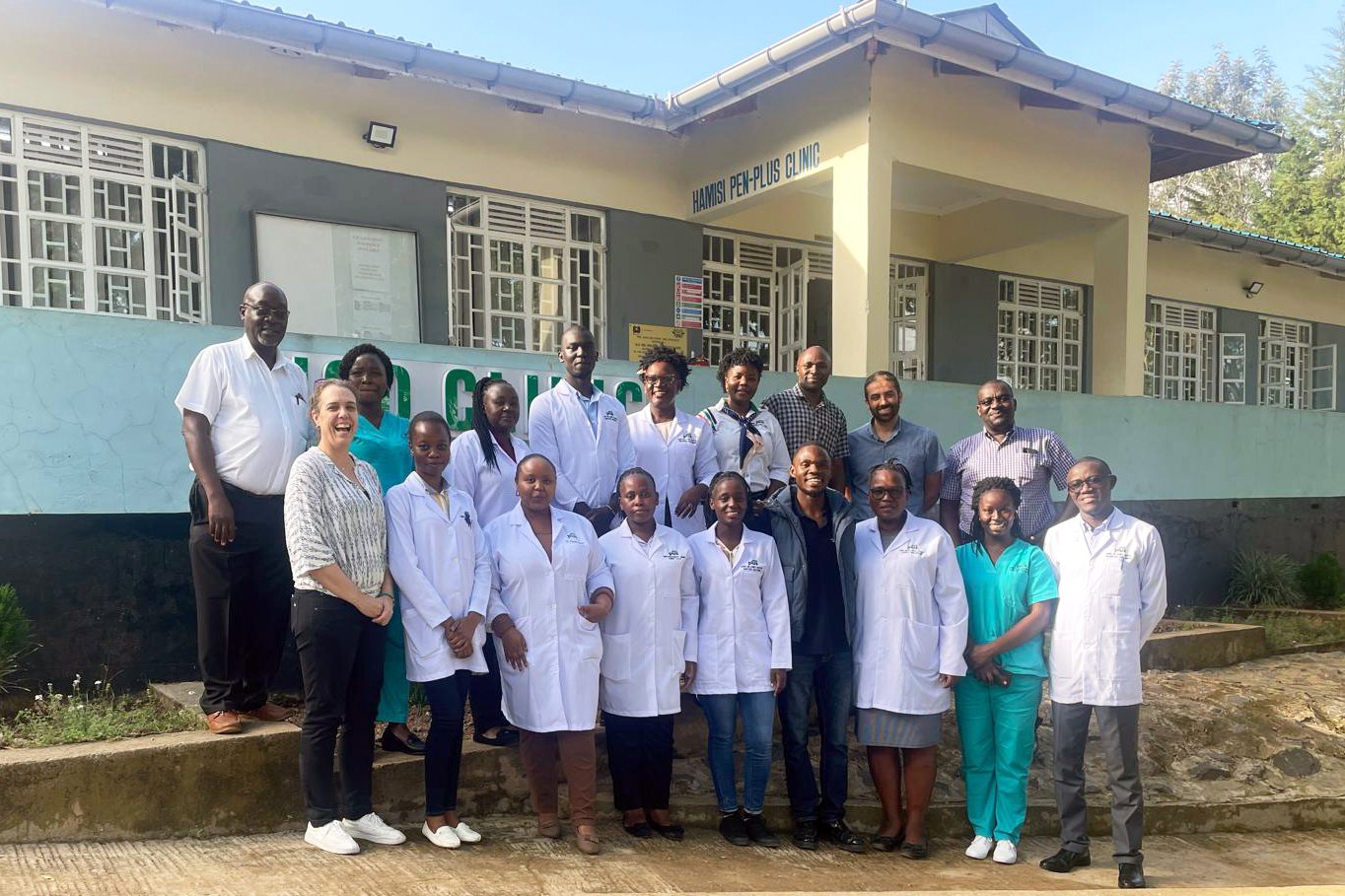
Programs Team Visits Kenya
Members of the NCDI Poverty Network’s Programs Team recently visited the PEN-Plus site in Vihiga County in western Kenya.
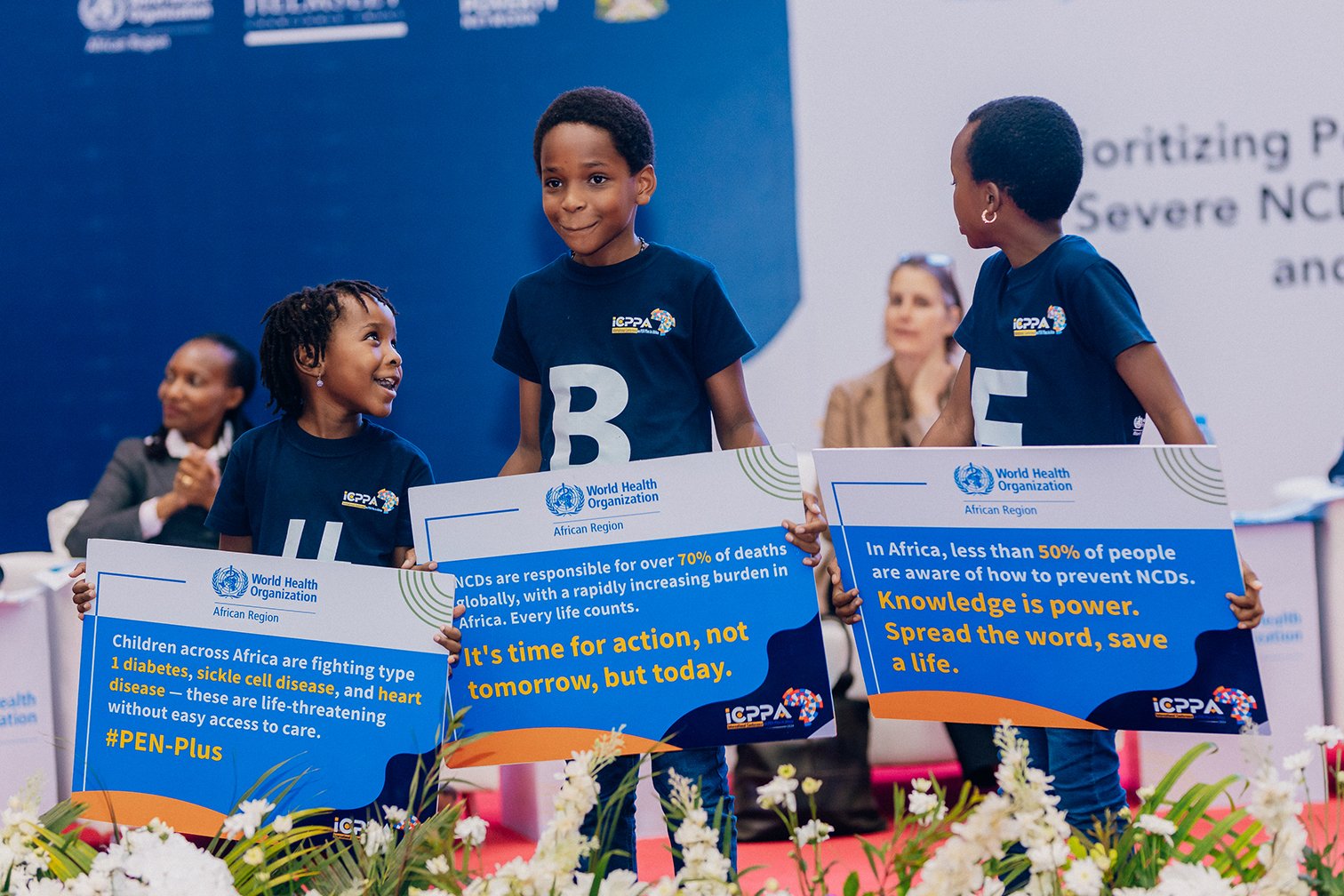
From Words to Action
The first International Conference on PEN-Plus in Africa provided a platform for health experts, policymakers, civil society organization representatives, donors, people living with noncommunicable diseases, and community advocates to expedite political and financial backing for PEN-Plus.

Steering Committee Advances Strategies for PEN-Plus Implementation
Members of the NCDI Poverty Network’s Steering Committee convened on 8 November for their ninth meeting. Among the topics covered were country updates, including those of Nepal.
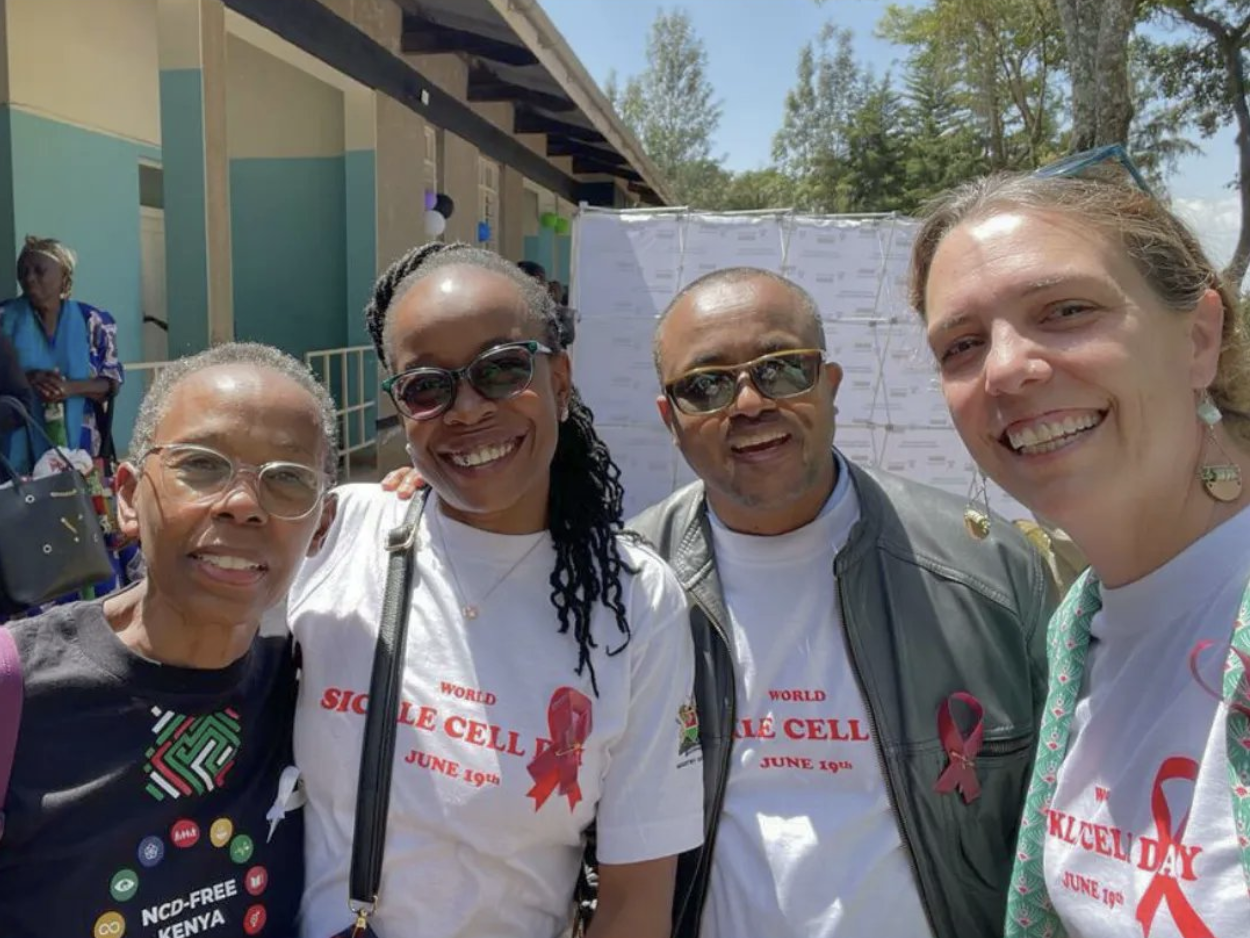
Kenya Ministry of Health Celebrates PEN-Plus Launch
The Kenya Ministry of Health, the county government of Vihiga, and NCD Alliance Kenya hosted a celebration of the launch of PEN-Plus in Kenya on June 19.
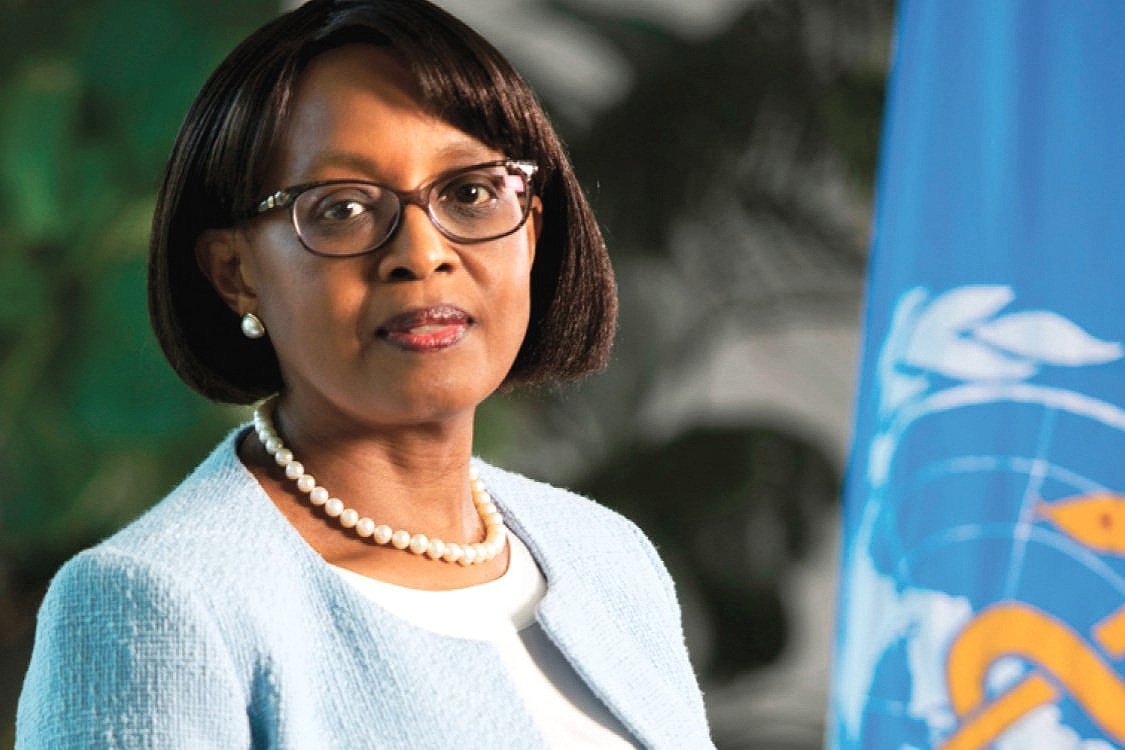
Helmsley Charitable Trust Supports WHO Regional Office for Africa Work in Severe Noncommunicable Diseases
Efforts to expand PEN-Plus across sub-Saharan Africa received a major boost today, when the Leona M. and Harry B. Helmsley Charitable Trust announced a $9 million grant to the World Health Organization Regional Office for Africa to expand care for people living with severe noncommunicable diseases (NCDs).
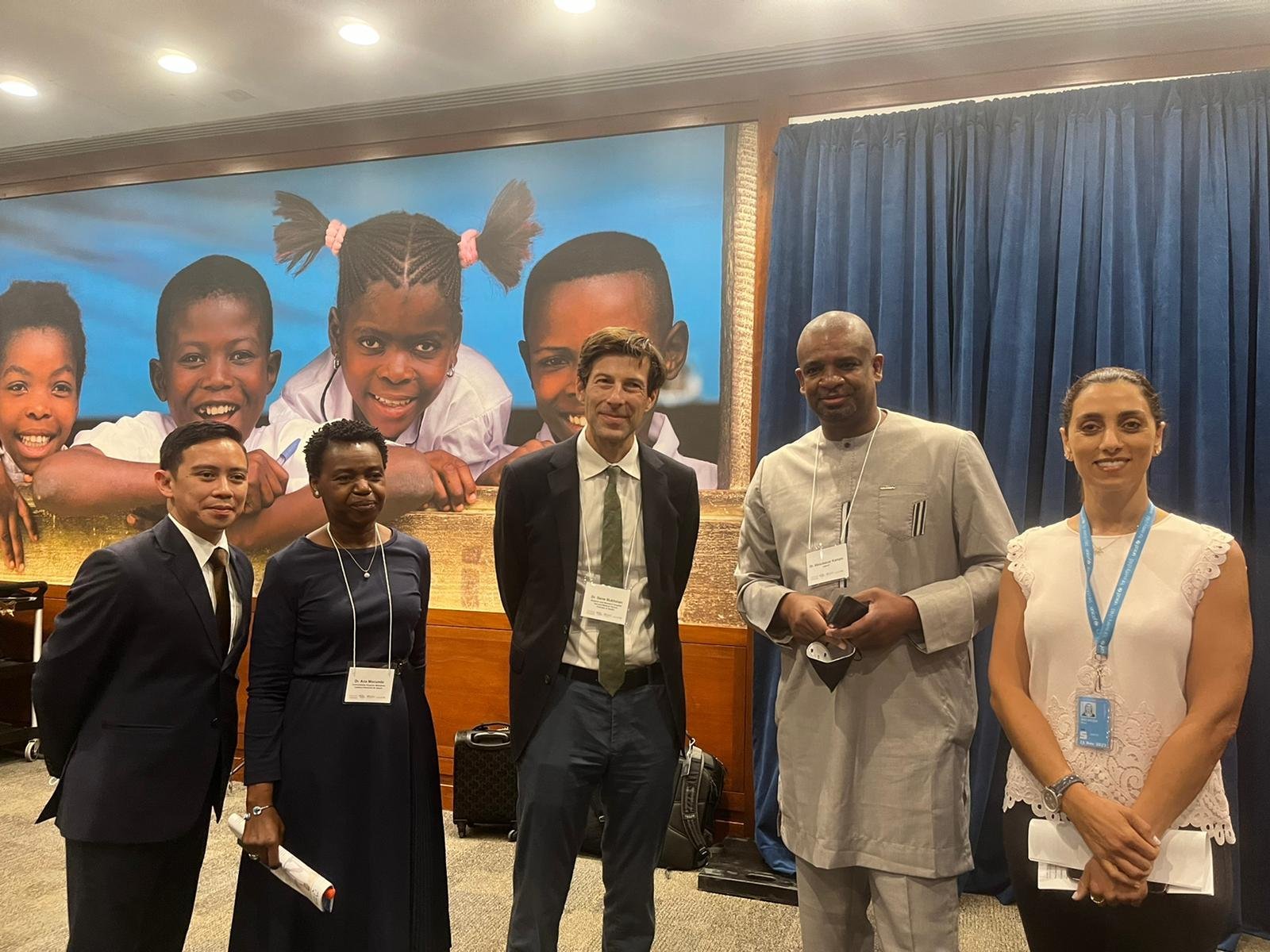
PEN-Plus in Action Introduces a Global Partnership to Fight Severe, Chronic NCDs
More than 60 representatives of leading global health policy, technical, advocacy, and financing institutions and people living with NCDs gathered at UNICEF House in New York on September 15, 2022, to introduce the PEN-Plus Partnership, a major international initiative to address the global burden of severe NCDs and injuries that cause more than 500,000 avoidable deaths every year among children and young adults living in extreme poverty.

Major Milestones for the Three East African Countries Implementing PEN-Plus
Kenya, Uganda, and Ethiopia are on track to open their first PEN-Plus clinics and training sites in the coming months.