
Gene Bukhman, MD, PhD
Co-Chair, NCDI Poverty Network
Executive Director, Center for Integration Science in Global Health Equity, Brigham and Women’s Hospital
Professor of Medicine, Harvard Medical School
Gene Bukhman, MD, PhD, is a cardiologist and cultural anthropologist at Brigham and Women’s Hospital. He is the Founder and Executive Director of the Center for Integration Science in Global Health Equity at Brigham and Women’s Hospital and the Program in Global Noncommunicable Disease and Social Change at Harvard Medical School. He is also a Professor of Medicine at Harvard Medical School.
Between 2010 and 2015, Dr. Bukhman was the senior technical advisor on noncommunicable diseases to the Rwanda Ministry of Health. Over the past 15 years, he has argued that for those living in extreme poverty, NCDs are best understood as part of the “long tail” of global health equity that demands a new “science of integration.” He has translated this critique into practical delivery strategies such as PEN-Plus (the Package of Essential Noncommunicable Disease Interventions–Plus). These strategies are now impacting the lives of thousands of people living with severe childhood-onset conditions such as type 1 diabetes, sickle cell disease, and rheumatic and congenital heart disease in more than a dozen countries.
He is the author of more than 125 peer-reviewed publications and book chapters that apply a range of methodologies from ethnography and archival research to epidemiology and mathematical modelling to identify solutions to the problem of “NCDI Poverty.”
Dr. Bukhman was the lead author and co-chair of the 2016–2020 Lancet Commission on Reframing NCDs and Injuries for the Poorest Billion. He is Co-Chair of the 29-country NCDI Poverty Network, which launched in December 2020 to support implementation of the Lancet Commission’s recommendations.
In 2023, Dr. Bukhman received the World Heart Federation Award for Outstanding Contribution to Global Cardiovascular Health. He is currently leading the Lancet Series on Integration Science for Global Health Equity.
Stories with Gene Bukhman
What could global health achieve if it stopped organizing itself along traditional lines? On October 27, the Third Symposium on Integration Science will explore the latest advancements in integration science, a growing field that bridges fundamental gaps in traditional, disease-specific approaches to global health by applying expertise and methodologies from a range of disciplines. The Center for Integration Science in Global Health Equity at Brigham and Women’s Hospital will host the symposium in Boston and online.
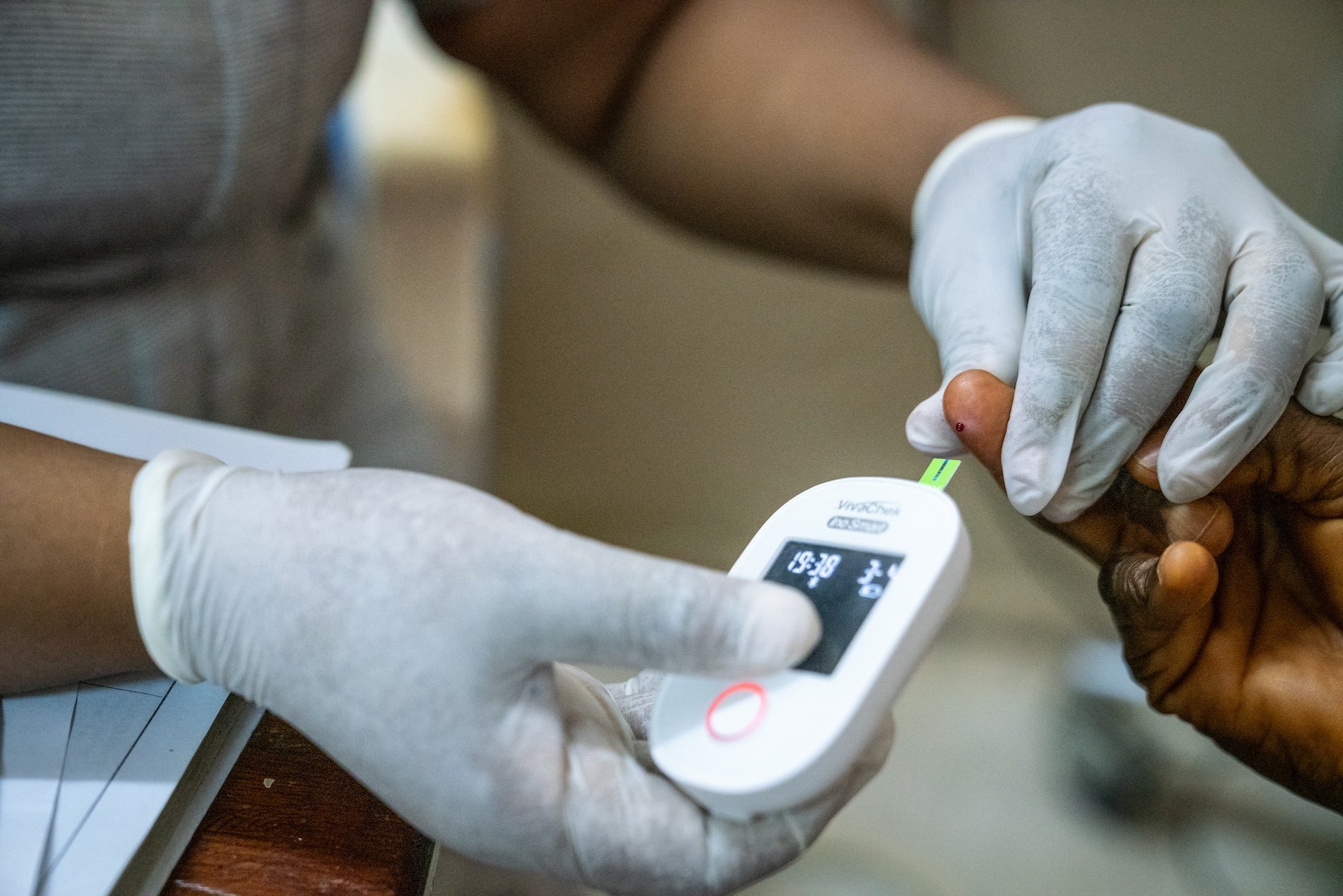
A first-of-its-kind review of published studies on type 1 diabetes care found a significant lack of records and data on care in primary- and first-referral-level hospitals in low-and lower-middle-income countries. The findings do more than suggest a wide gap in care for people living with the disease in rural areas of low- and lower-middle-income countries; they also underscore the urgent need to fill that gap through proven integrated health care models such as PEN-Plus.
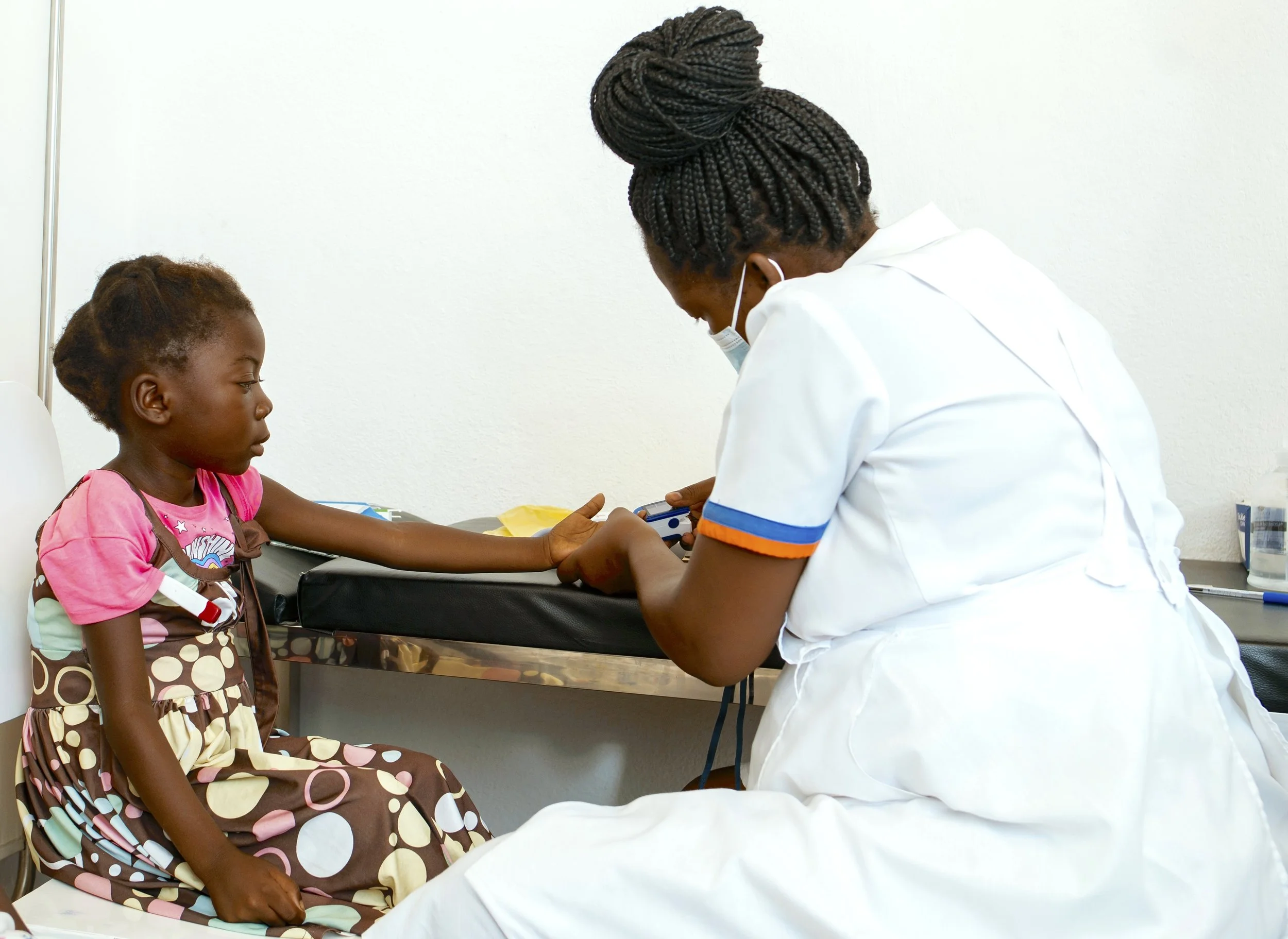
As global health funding continues to evolve, more than 50 experts from dozens of countries are preparing for publication a new four-paper series that will offer integration science as a tool for unlocking significant gains in health equity worldwide. These collaborators represent a range of organizations and include academics, ministry officials, and people with lived experience from across sub-Saharan Africa and South Asia.
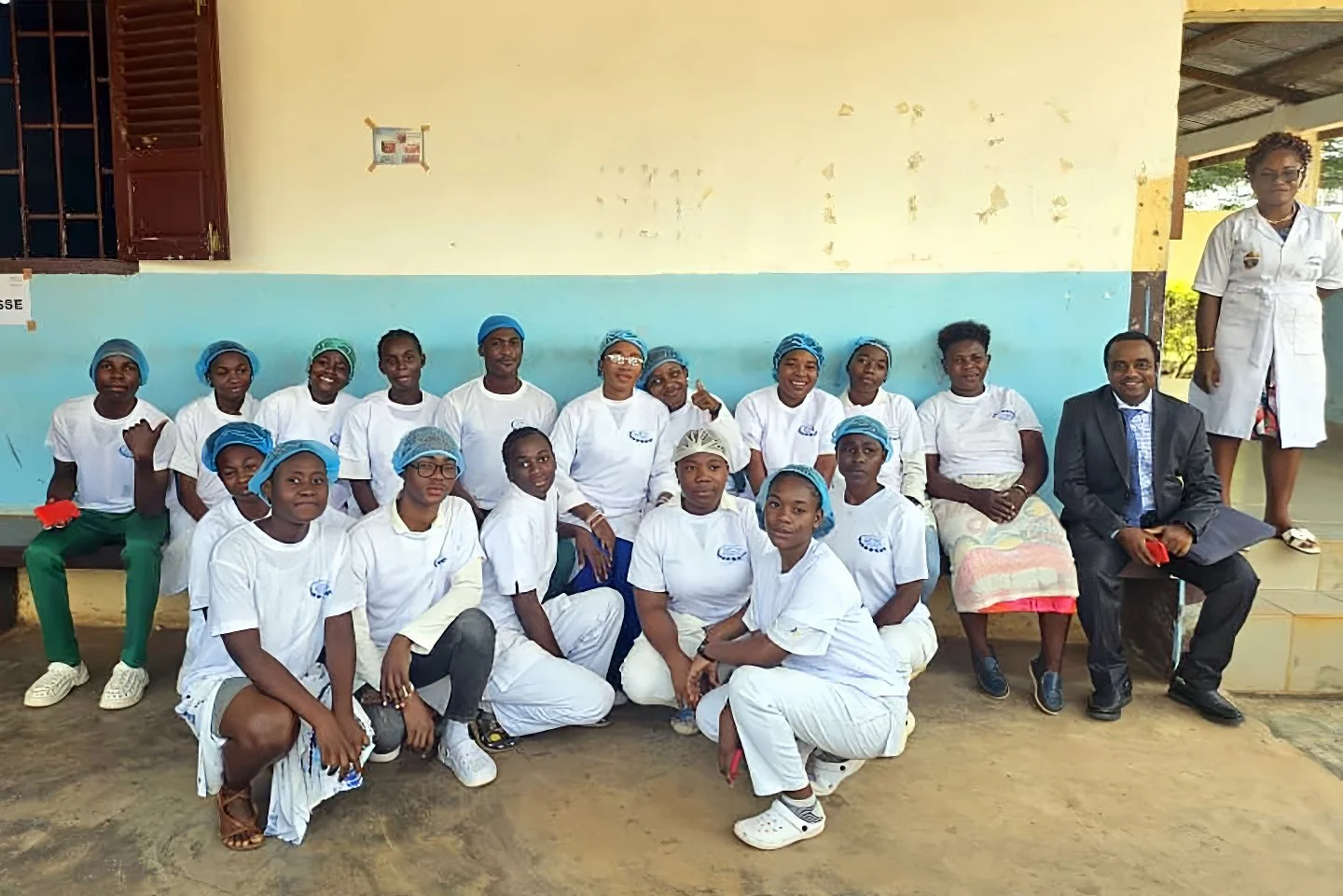
The clinics at Mfou and Djoum district hospitals arose from years of collaboration driven by Cameroon’s Ministry of Health and the WHO Regional Office for Africa, with boosts from an informal coalition of health officials in Francophone countries.
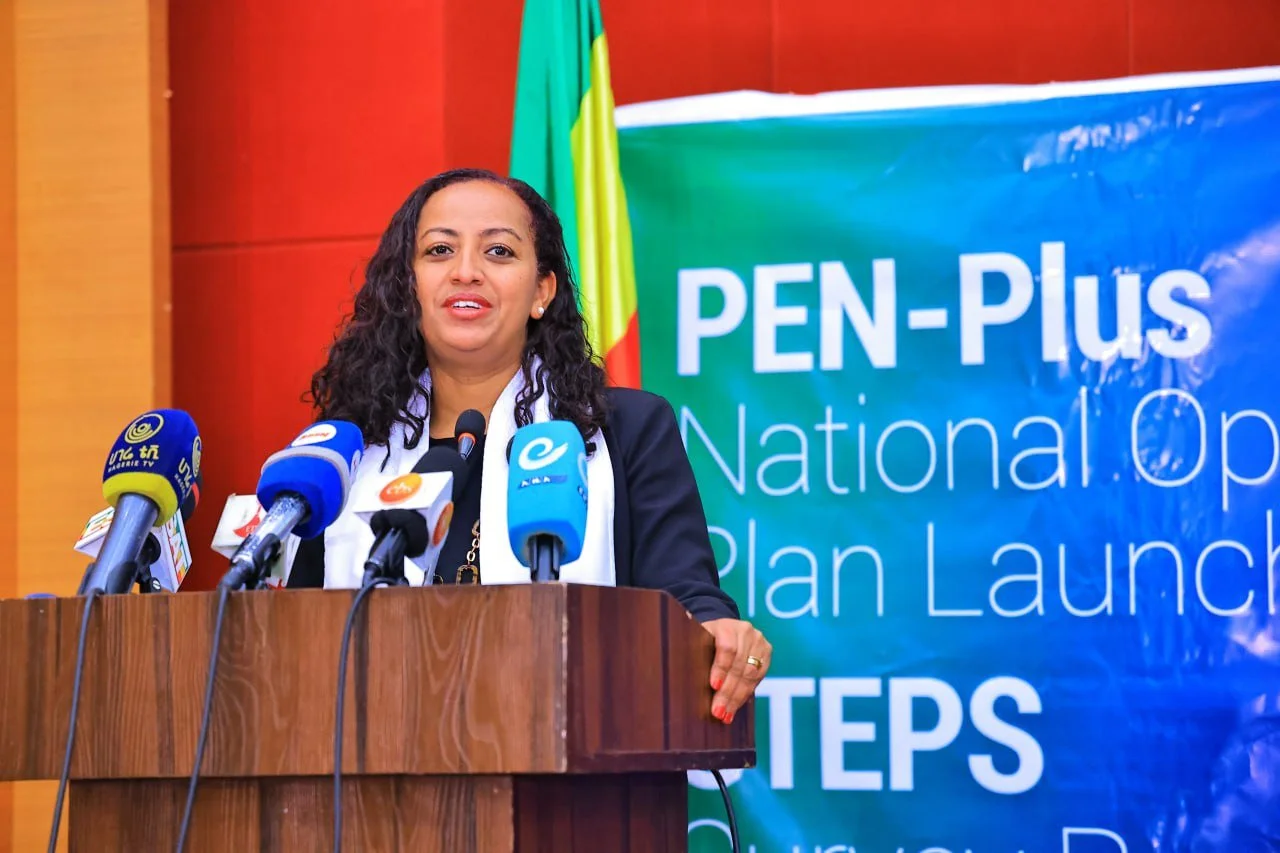
The NCDI Poverty Network joined with the Government of Ethiopia, the Mathiwos Wondu Foundation, the World Health Organization, and other partners in a recent ceremony to launch Ethiopia’s PEN-Plus National Operational Plan, marking another major milestone for the growth of PEN-Plus in sub-Saharan Africa.
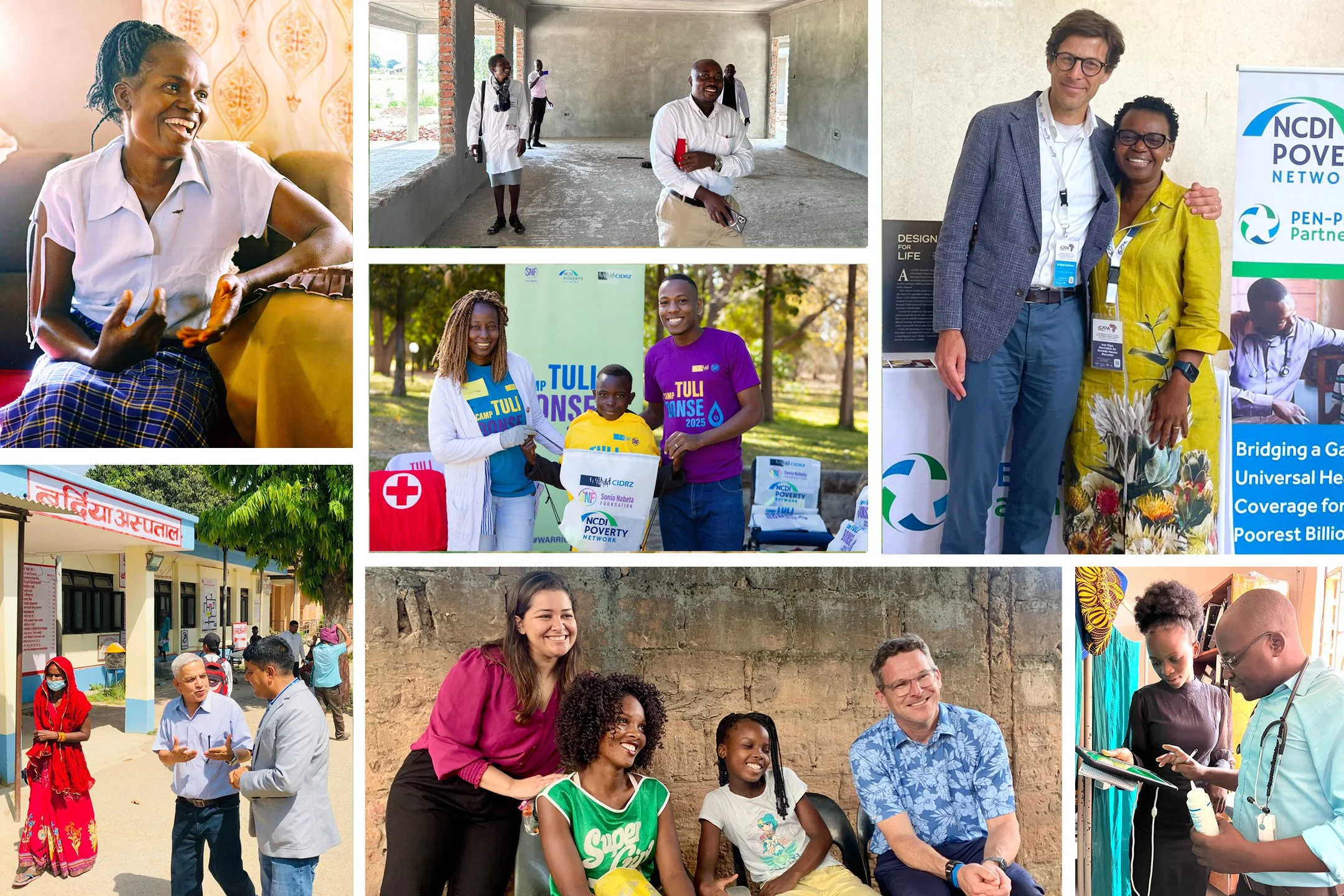
Five years. Twenty-nine countries. Over a hundred PEN-Plus clinics. More than 30,000 patients. Together, the many collaborators that compose the NCDI Poverty Network deliver hope and healthcare to children, adolescents, and young adults navigating the dual challenges of poverty and severe, chronic noncommunicable diseases. And this is just the beginning.
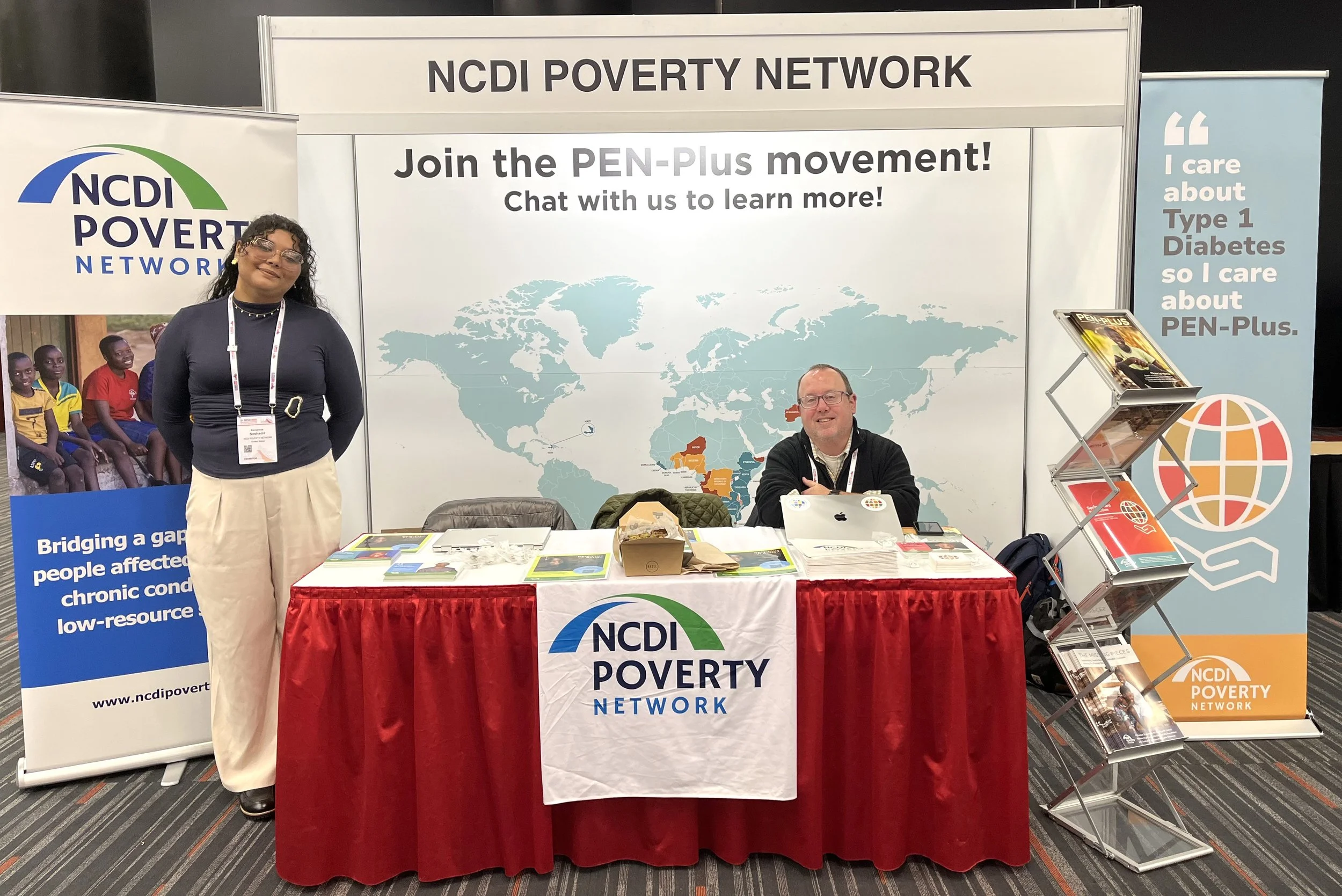
The PEN-Plus model of care is not only improving treatment and accessibility for people living with type 1 diabetes, but it’s also placing an emphasis on the disease that had not previously existed in some parts of the world, Dr. Gene Bukhman said during the recent International Society for Pediatric and Adolescent Diabetes conference, held in Montreal.
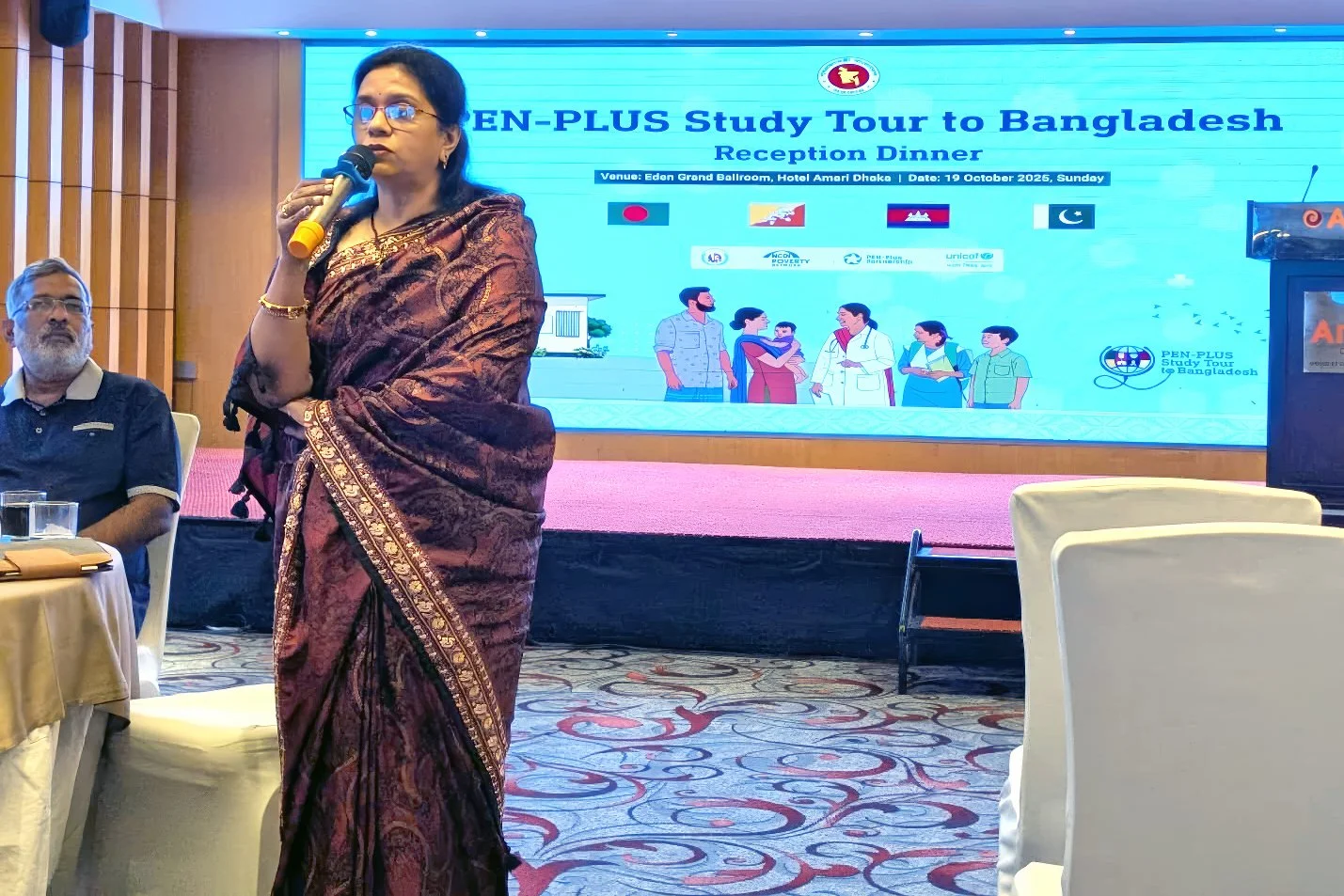
The October tour showed the strong work of a relatively young PEN-Plus program that is poised for growth, reflecting the adaptability of the integrated model of care for noncommunicable diseases.

During the opening plenary of the Sept. 25 High-Level Meeting on NCDs and Mental Health, at the UN General Assembly in New York City, repeated mentions of PEN-Plus as a successful strategy for addressing NCDs formed a show of unity in a week often noted for dissension.
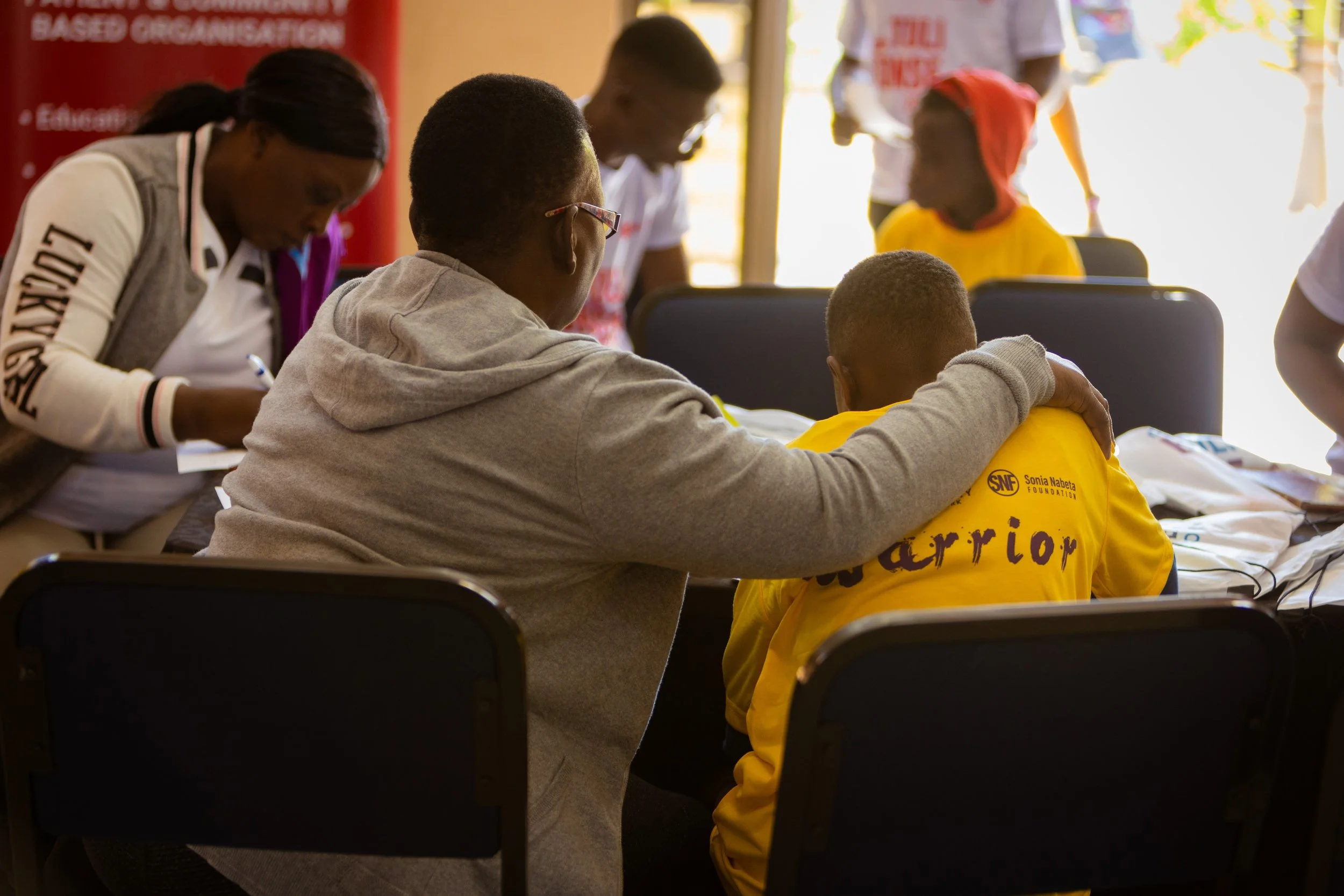
Photos from the weeklong camp show joy, education, and empowerment, as young people living with type 1 diabetes or sickle cell disease shared experiences, learned about managing their health and, above all, discovered they were not alone.

“I am a warrior. I am brave. I am triumphant.” With that mantra, participants in Camp Tuli Bonse—an integrated camp for young people living in Zambia with type 1 diabetes or sickle cell disease—learned how a sense of unity can confer benefits beyond physical health.
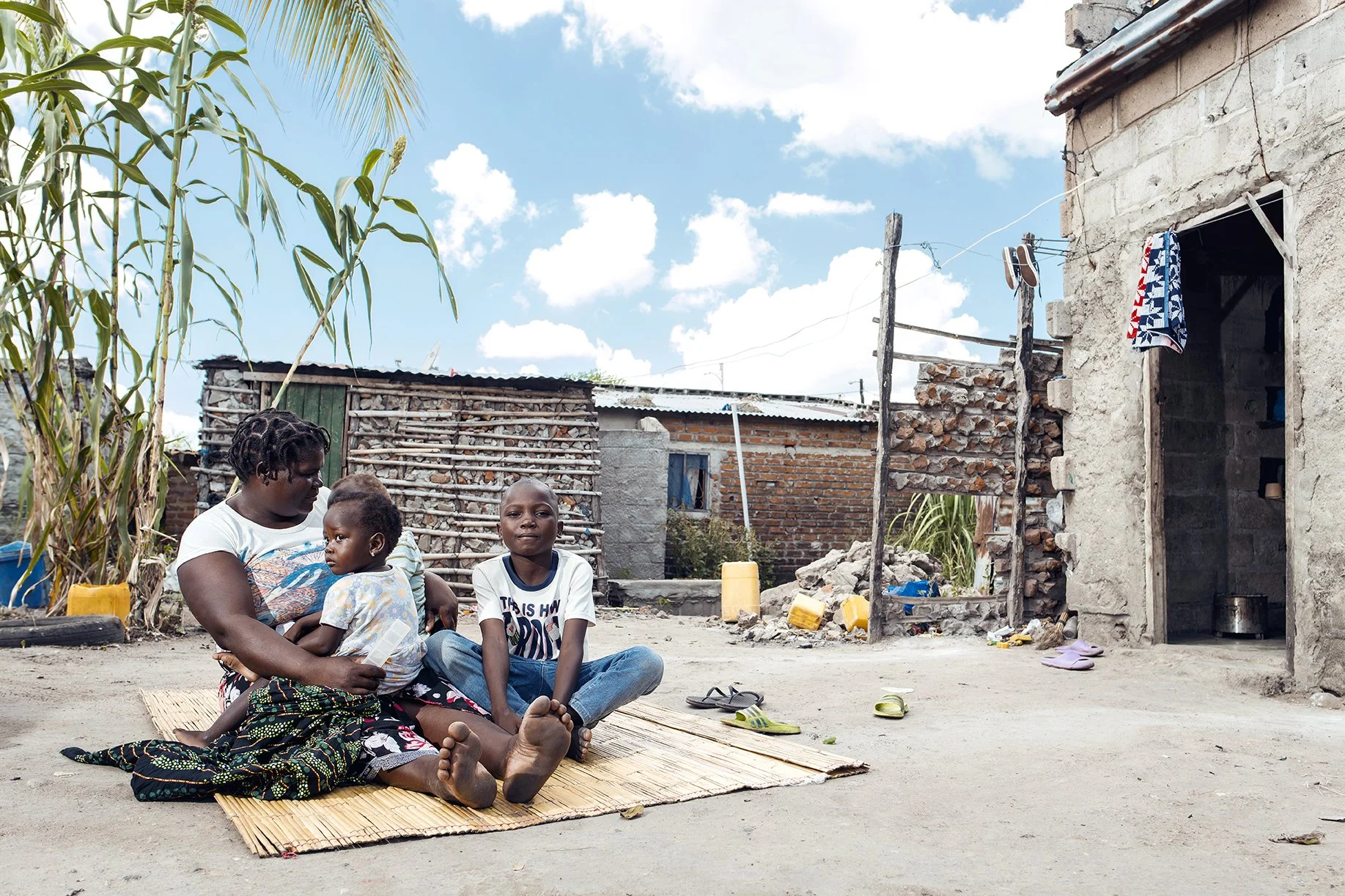
A commentary authored by Network and UNICEF leaders and published in August by The Lancet Child & Adolescent Health makes the case for better care for children and adolescents living with severe, chronic NCDs in settings of extreme poverty, a case that’s also reflected in the Network’s position statement ahead of the United Nations High-Level Meeting on NCDs in September.

In a launch event in late July, the Republic of Somaliland announced a partnership with the NCDI Poverty Network to support people living with severe, chronic noncommunicable diseases through PEN-Plus. In a statement, the Ministry of Health Development of the Republic of Somaliland noted the partnership “marks a significant step forward in strengthening the ministry’s efforts to improve health services, particularly in addressing noncommunicable diseases.”

At the second International Conference for PEN-Plus in Africa, recently held in Abuja, health leaders, policymakers, and development partners across Africa renewed their commitment to an accelerated implementation of the PEN-Plus to significantly expand access to care for people living with severe noncommunicable diseases.

Health officials from several French-speaking countries in western and central Africa have begun meeting in a new webinar series to share—in French—their challenges and successes in expanding care for people living with severe noncommunicable diseases. The new series solidifies a groundbreaking collaboration that began with a February study tour in Sierra Leone.

A newly published study found that only two of 16 health facilities assessed in nine lower-income countries had all the functional equipment needed to diagnose and manage care for people living with type 1 diabetes. Two of the facilities had none of the necessary equipment.

The NCDI Poverty Network has submitted proposals to the World Health Organization suggesting it add analogue insulins and a triple fixed-dose antihypertensive medicine combination to its Model List of Essential Medicines. The Network has also proposed that WHO reclassify hemoglobinopathies to shine more of a spotlight on sickle cell disease and thalassemias.
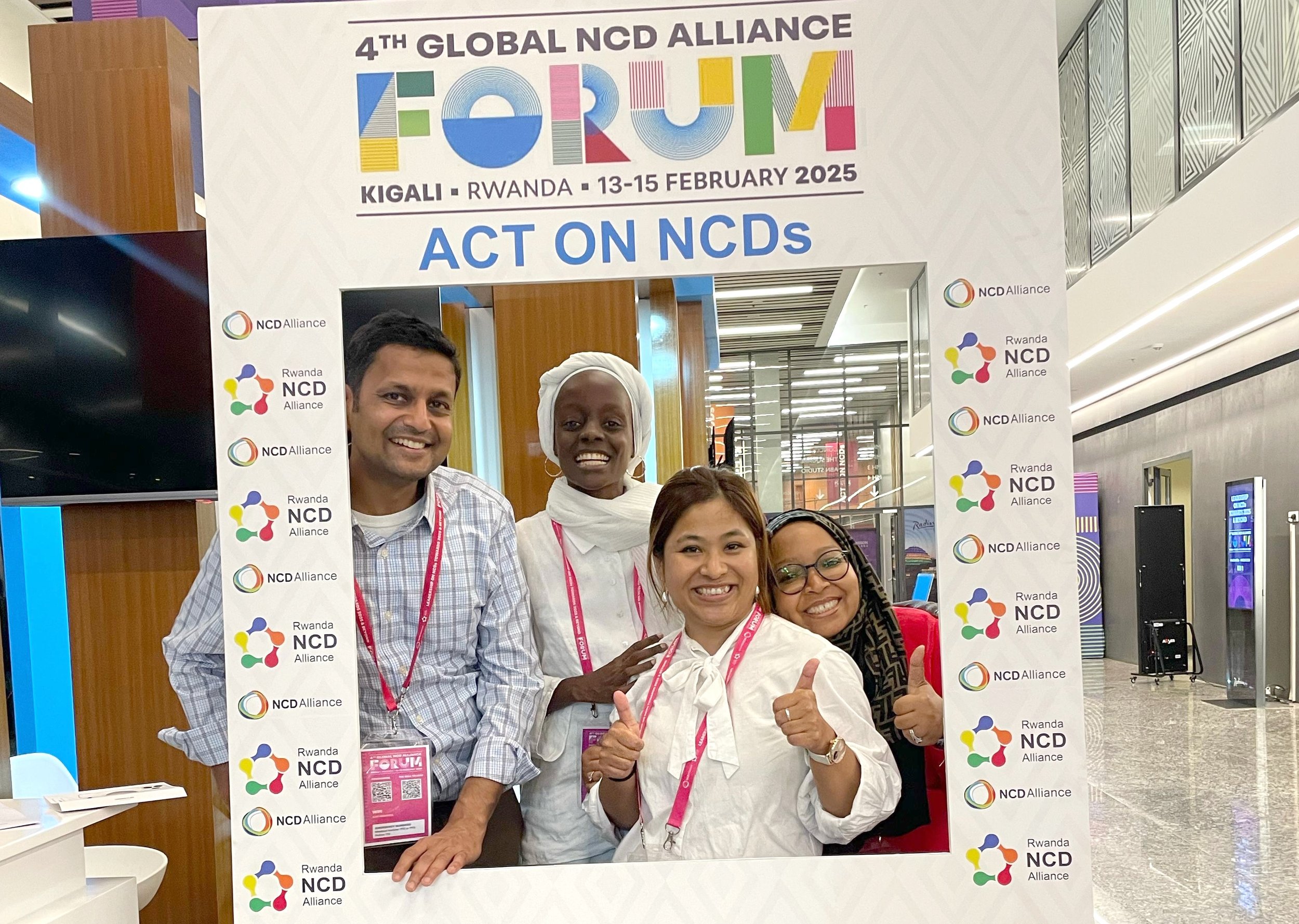
The NCDI Poverty Network’s recent week of advocacy in Rwanda included visits to two hospitals, a conference with more than 700 attendees, a panel with four expert speakers, and one recurring theme: the recognition that PEN-Plus is an effective model for mobilizing action and financing to increase access to care for people living with severe, chronic noncommunicable diseases.
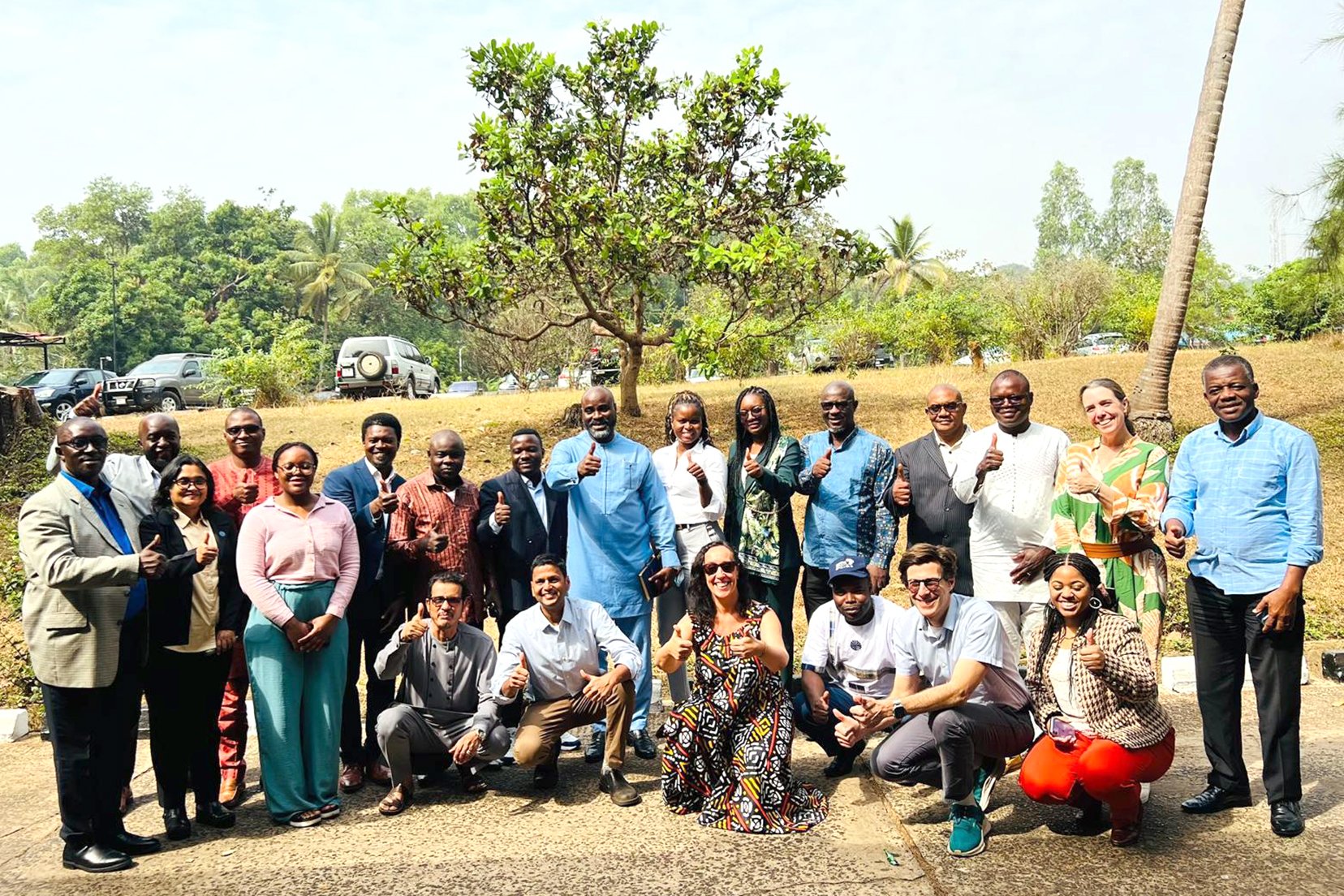
A “game-changing” study tour of a PEN-Plus clinic in Sierra Leone introduced Ministry of Health officials from six other Francophone nations to the role integration can play in providing quality care for people living with severe noncommunicable diseases in low- and lower-middle-income countries.
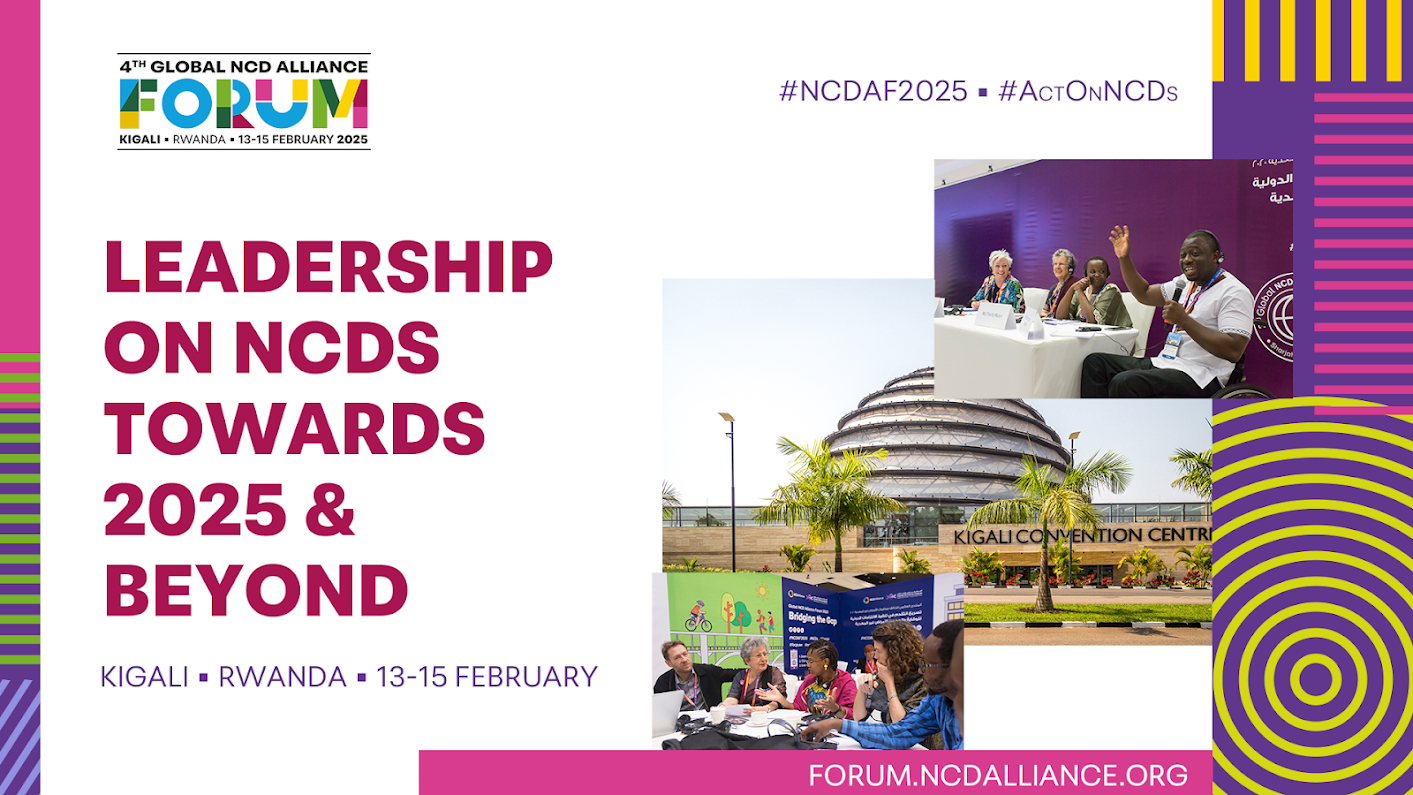
The NCDI Poverty Network will have a busy schedule at the 2025 Global NCD Alliance Forum, including co-hosting a panel event with the Scottish Government during the February convention in Rwanda.

The PEN-Plus Partnership Strategic Plan (2025–2028) had its official launch at Springboard for Action, an event celebrating progress toward global access to care for people living with severe, chronic noncommunicable diseases. The NCDI Poverty Network hosted the event in New York City in September on the sidelines of the 79th Session of the U.N. General Assembly.

On September 24, the Network officially published the PEN-Plus Partnership Strategic Plan (2025–2028). “It is our commitment, our testimony, and our witness to the collective progress of NCDI Poverty Network partners in delivering healthcare and hope to people in lower-income countries,” said Dr. Gene Bukhman, co-chair of the Network.

In early June, delegations from all eight countries in UNICEF ROSA—the Regional Office for South Asia—convened in Kathmandu for a three-day workshop on severe childhood-onset noncommunicable diseases.
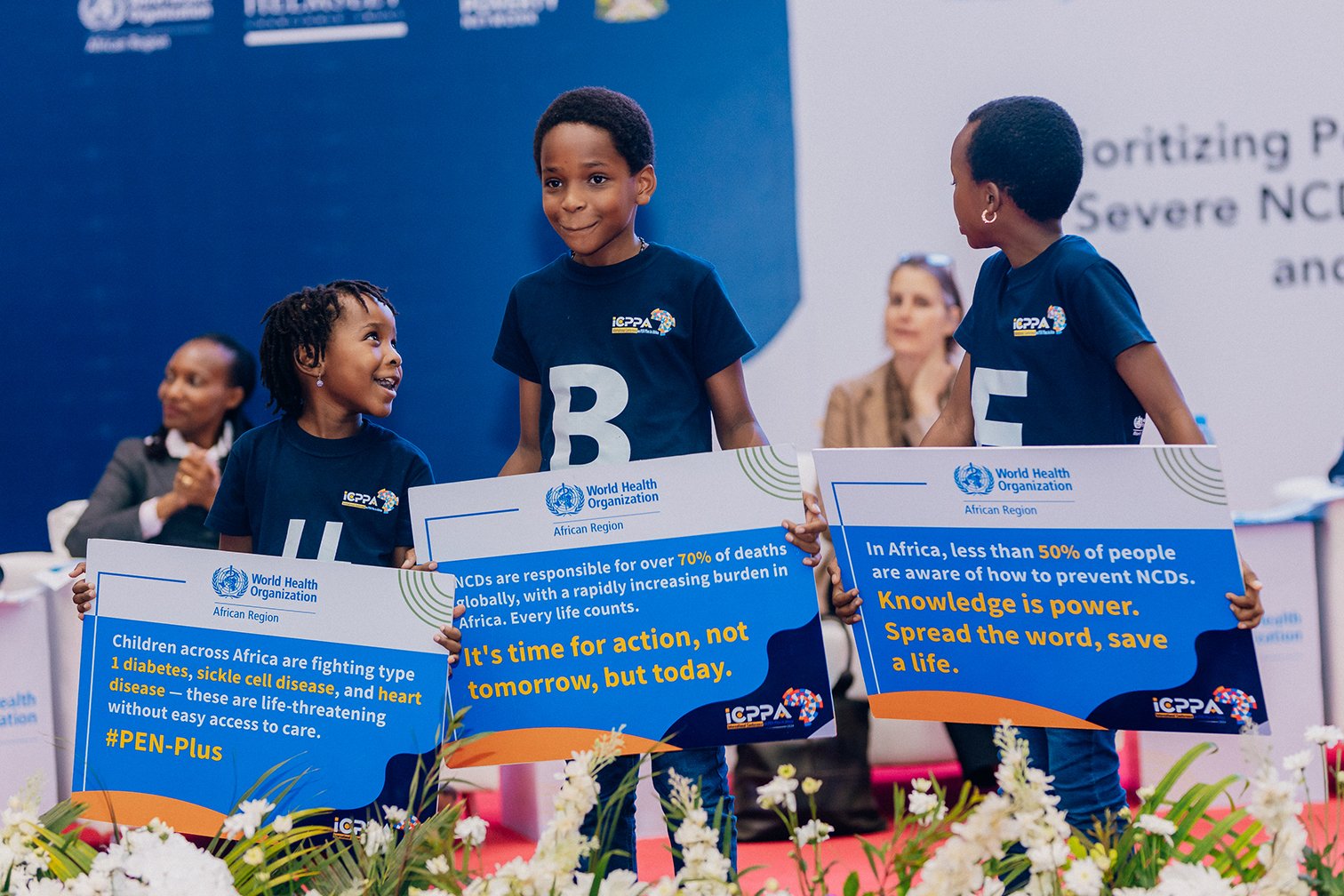
The first International Conference on PEN-Plus in Africa provided a platform for health experts, policymakers, civil society organization representatives, donors, people living with noncommunicable diseases, and community advocates to expedite political and financial backing for PEN-Plus.

During the week of the International Conference on PEN-Plus in Africa, NCDI Poverty Network members took advantage of several opportunities to gather, reflect, and renew their commitment to ensuring that lifesaving treatment reaches those who need it most.

At the first International Conference on PEN-Plus in Africa, the science was serious and the messages meaningful. NCDI Poverty Network participants showed their passion and compassion throughout the conference—and even shared moments of levity.
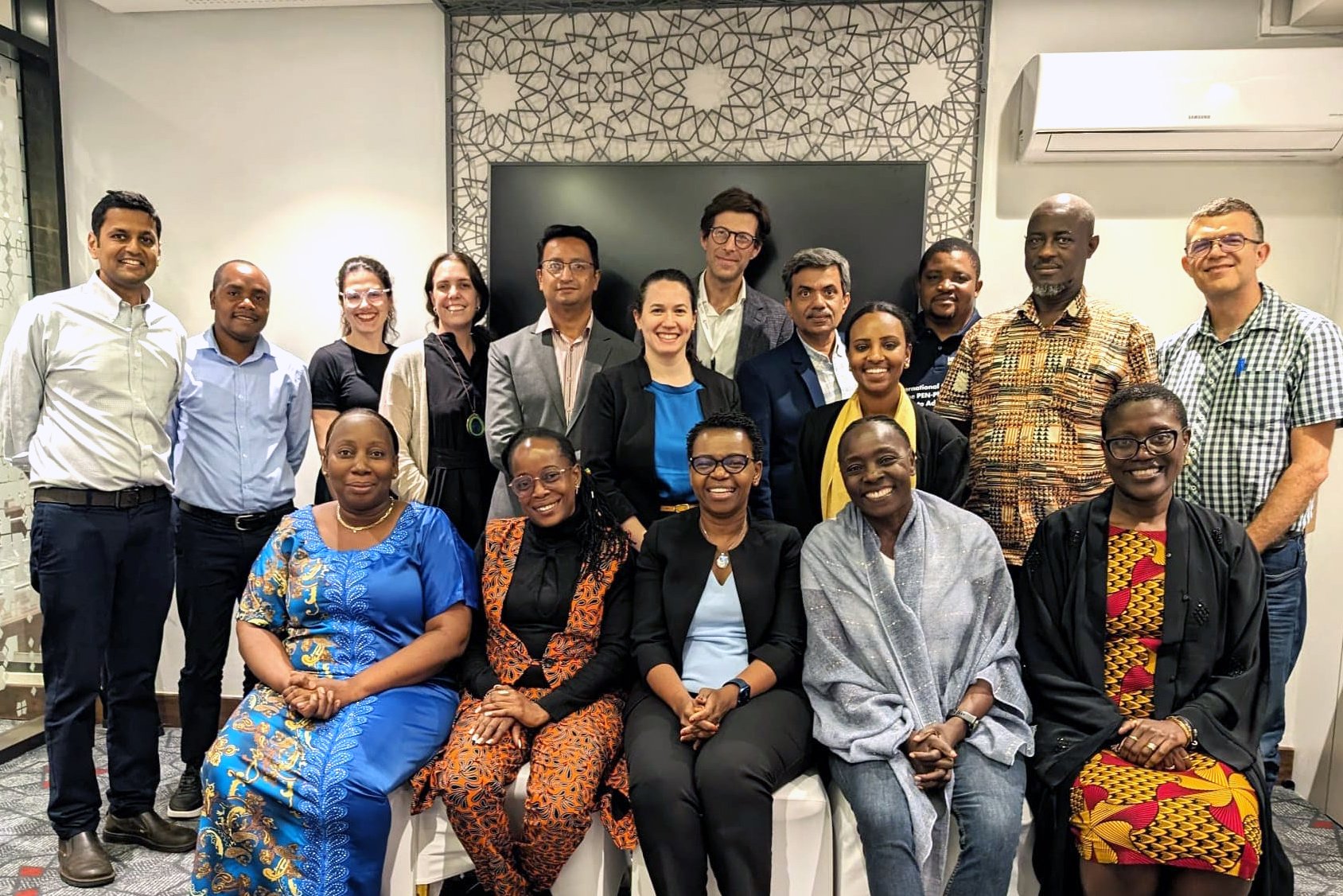
In addition to participating in the first International Conference on PEN-Plus in Africa, NCDI Poverty Network members took several occasions to gather, reflect, and renew their commitment to ensuring that lifesaving treatment reaches those who need it most.

NCDI Poverty Network researchers recently published a scoping review of models of care for people with sickle cell disease in low-income and lower-middle-income countries. Their findings confirmed the care limitations the Network has been seeking to overcome through the implementation of the PEN-Plus model.

Integration science can do more than deliver quality healthcare; it can also deliver global health equity solutions. That’s the central premise of “From Local Innovation to National Scale to Global Impact: Integration Science as an Engine of Change and an Agenda for Action,” the second annual symposium of the Center for Integration Science in Global Health Equity.

The High-Level Advisory Group of the PEN-Plus Partnership met in New York City on 19 September to discuss the progress and future of PEN-Plus, an integrated care model that diagnoses and treats severe noncommunicable diseases in rural areas of low- and lower-middle-income countries, where more than 90 percent of the world’s poorest people live.