
Neil Gupta, MD, MPH
Senior Director of Policy, NCDI Poverty Network and Center for Integration Science in Global Health Equity, Brigham and Women’s Hospital
Assistant Professor in Medicine, Harvard Medical School
Associate Physician, Division of Global Health Equity, Brigham and Women’s Hospital
Neil Gupta, MD, MPH, is the Senior Director of Policy for the NCDI Poverty Network, where he plays a lead role in facilitating and supporting National NCDI Poverty Commissions and the NCDI Poverty Network Steering Committee.
An internist and pediatrician by training, Dr. Gupta was previously the Chief Medical Officer for Partners In Health in Rwanda, where he was responsible for the strategy, design, and implementation of clinical programs in collaboration with the Ministry of Health. He later joined the NCD Synergies team of Partners In Health and supported the development of the Lancet NCDI Poverty Commission from Addis Ababa, Ethiopia. Dr. Gupta is also the Primary Investigator for the Simplifying Hepatitis C Antiviral Therapy for Elsewhere in the Developing World study, which aims to promote access and availability of hepatitis C treatment.
Dr. Gupta is a graduate of the University of Pennsylvania School of Medicine and the Harvard School of Public Health, and he completed his residency training at Brigham and Women’s and Boston Children’s hospitals. He is currently an Assistant Professor in Medicine at Harvard Medical School and Associate Physician in the Division of Global Health Equity at Brigham and Women’s Hospital in Boston.
Stories with Neil Gupta

What could global health achieve if it stopped organizing itself along traditional lines? On October 27, the Third Symposium on Integration Science will explore the latest advancements in integration science, a growing field that bridges fundamental gaps in traditional, disease-specific approaches to global health by applying expertise and methodologies from a range of disciplines. The Center for Integration Science in Global Health Equity at Brigham and Women’s Hospital will host the symposium in Boston and online.
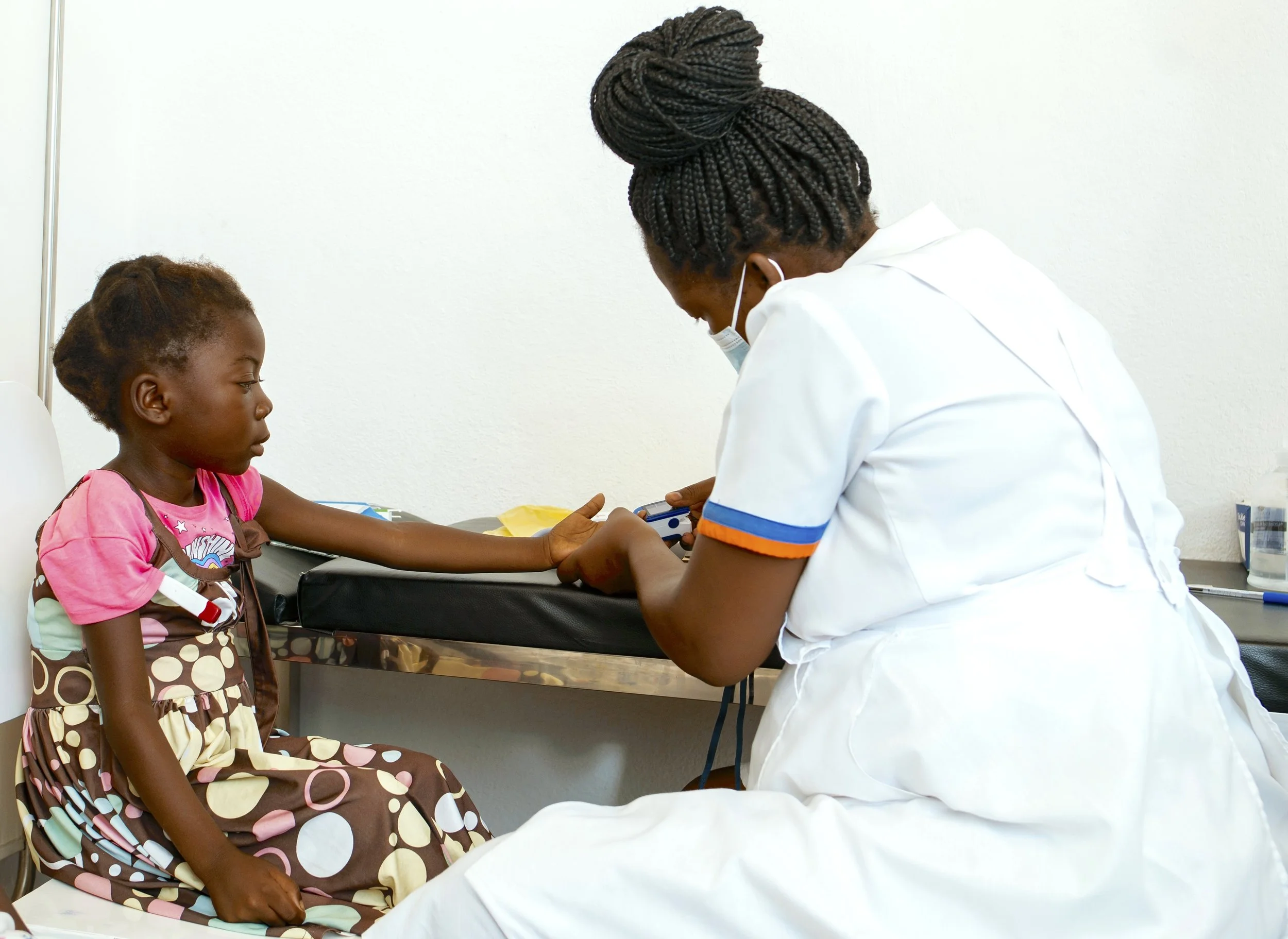
As global health funding continues to evolve, more than 50 experts from dozens of countries are preparing for publication a new four-paper series that will offer integration science as a tool for unlocking significant gains in health equity worldwide. These collaborators represent a range of organizations and include academics, ministry officials, and people with lived experience from across sub-Saharan Africa and South Asia.
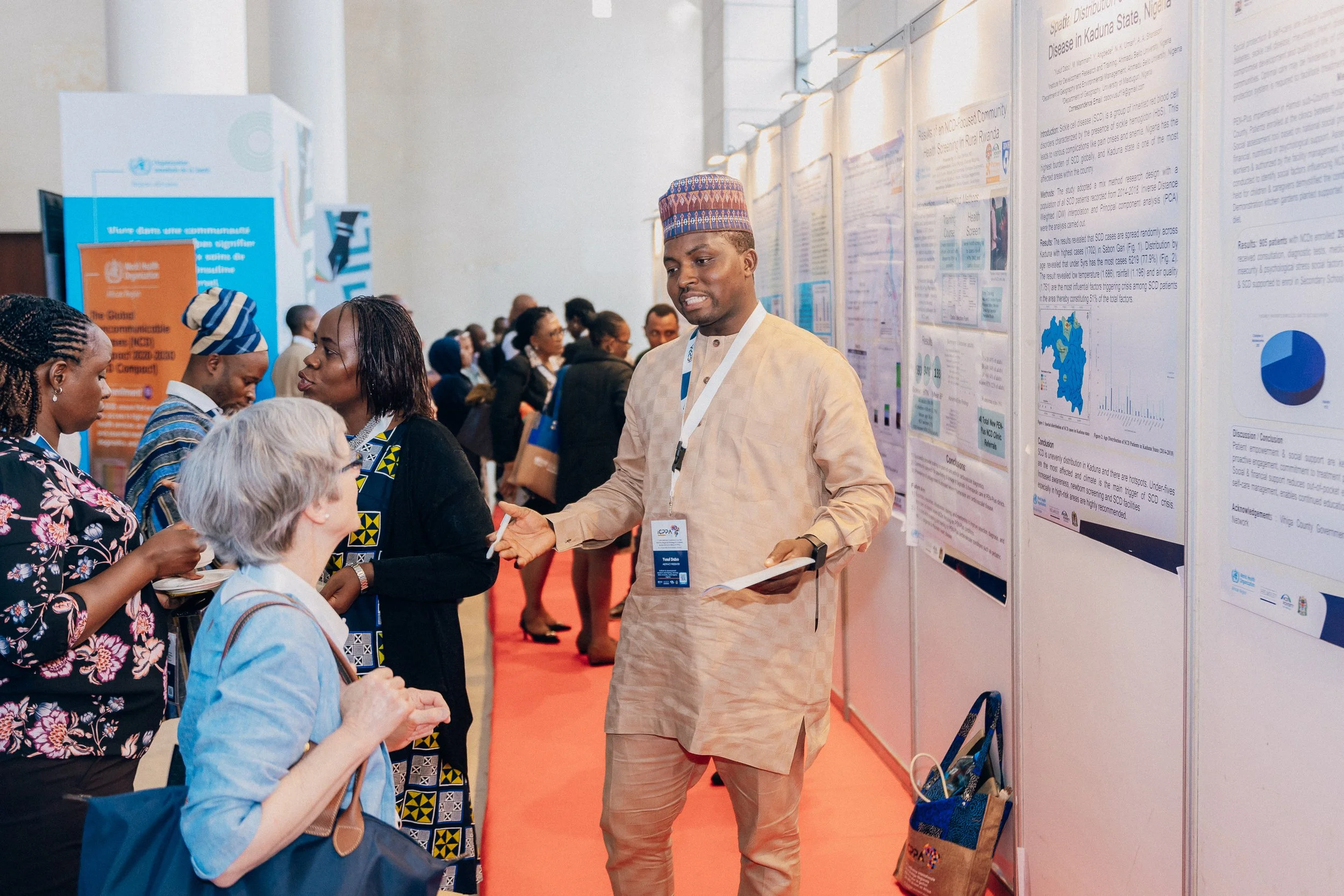
Preparations are in full swing for the Third International Conference on PEN-Plus in Africa, slated for June 23–25 in Dar es Salaam, Tanzania. The conference will celebrate the accelerating momentum of the PEN-Plus movement and highlight the latest research, for which the World Health Organization Regional Office for Africa has issued a call for abstracts.
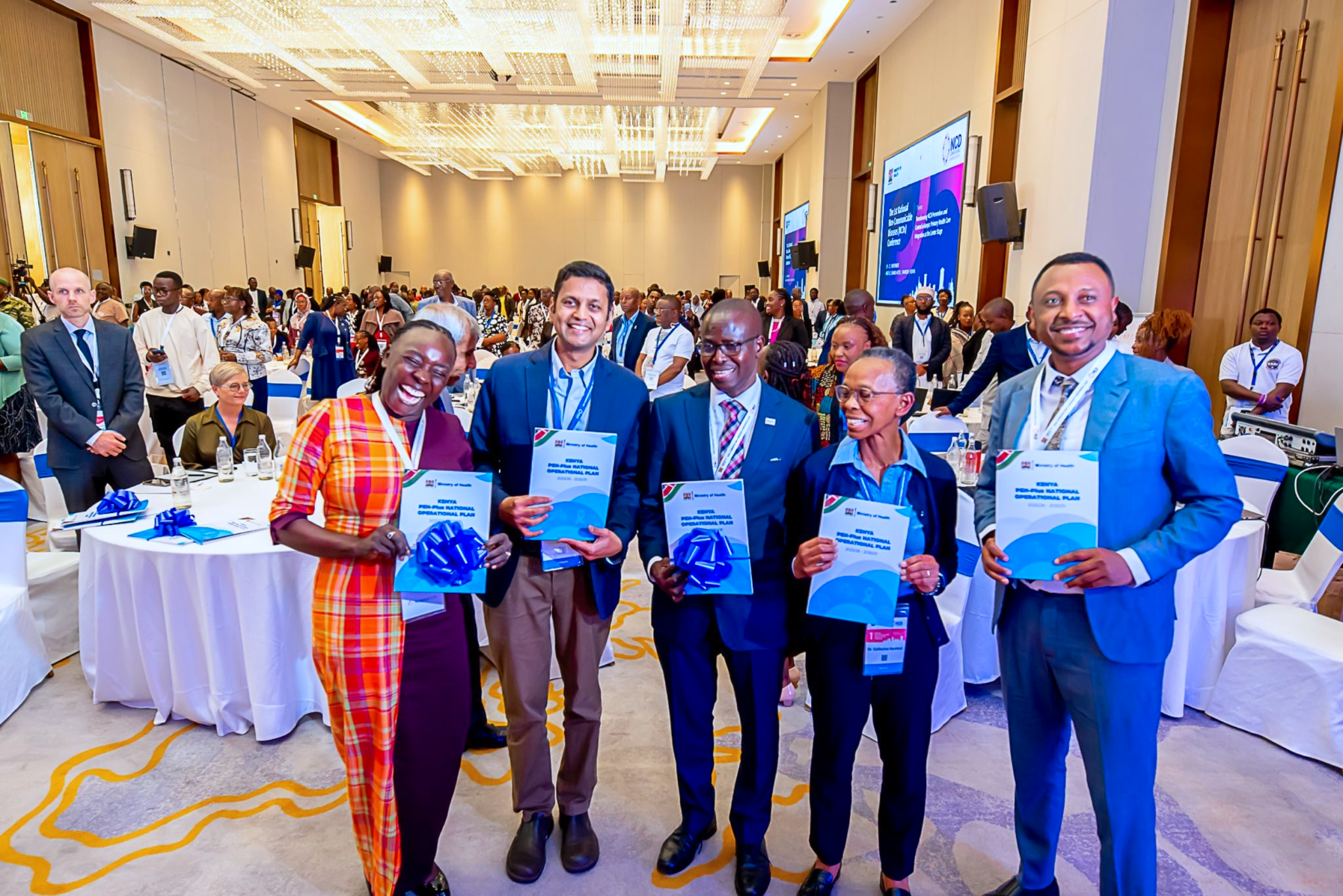
Several countries that have already implemented PEN-Plus are now launching national operational plans to detail how they will use the model to expand, integrate, and decentralize care for people living with noncommunicable diseases. A leader in Kenya’s Ministry of Health recently revealed critical steps in ensuring that country’s plan would be a success.
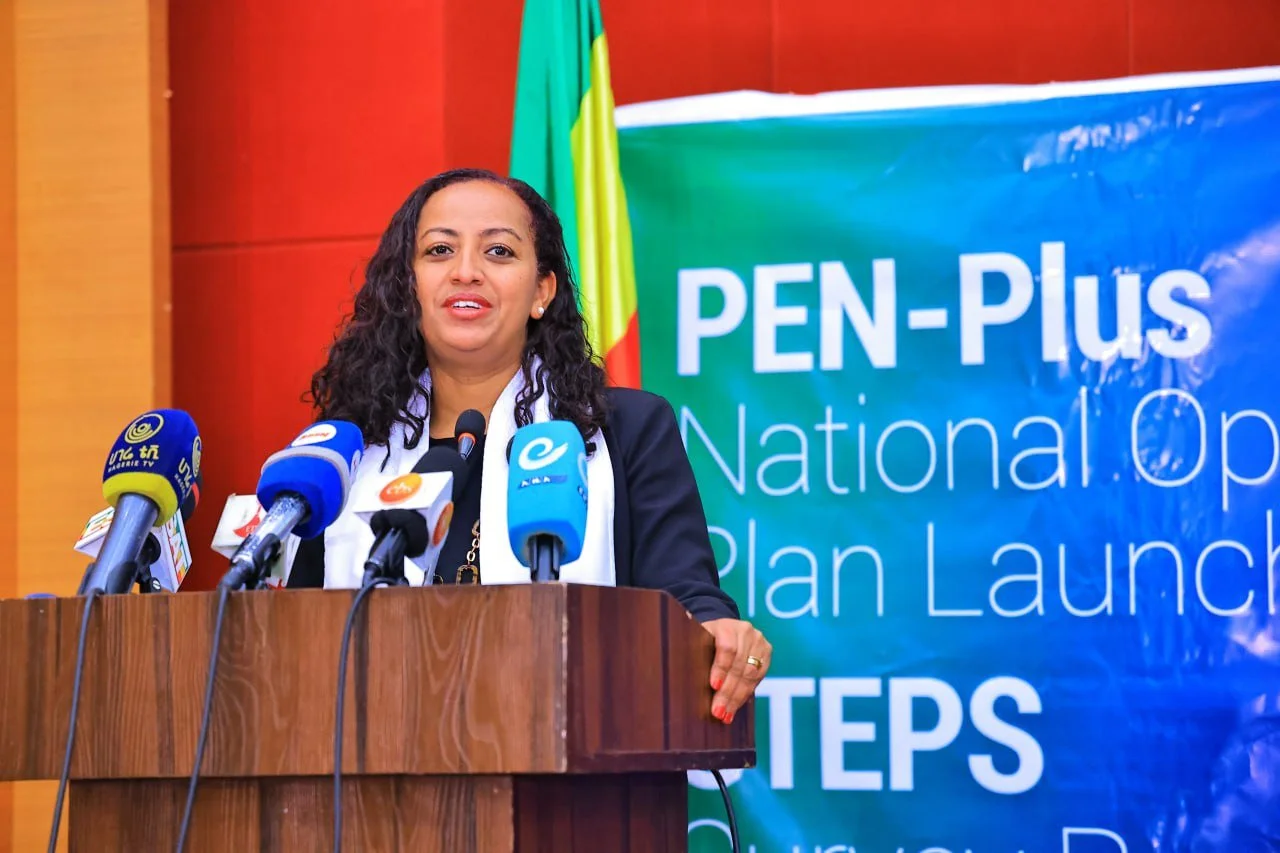
The NCDI Poverty Network joined with the Government of Ethiopia, the Mathiwos Wondu Foundation, the World Health Organization, and other partners in a recent ceremony to launch Ethiopia’s PEN-Plus National Operational Plan, marking another major milestone for the growth of PEN-Plus in sub-Saharan Africa.
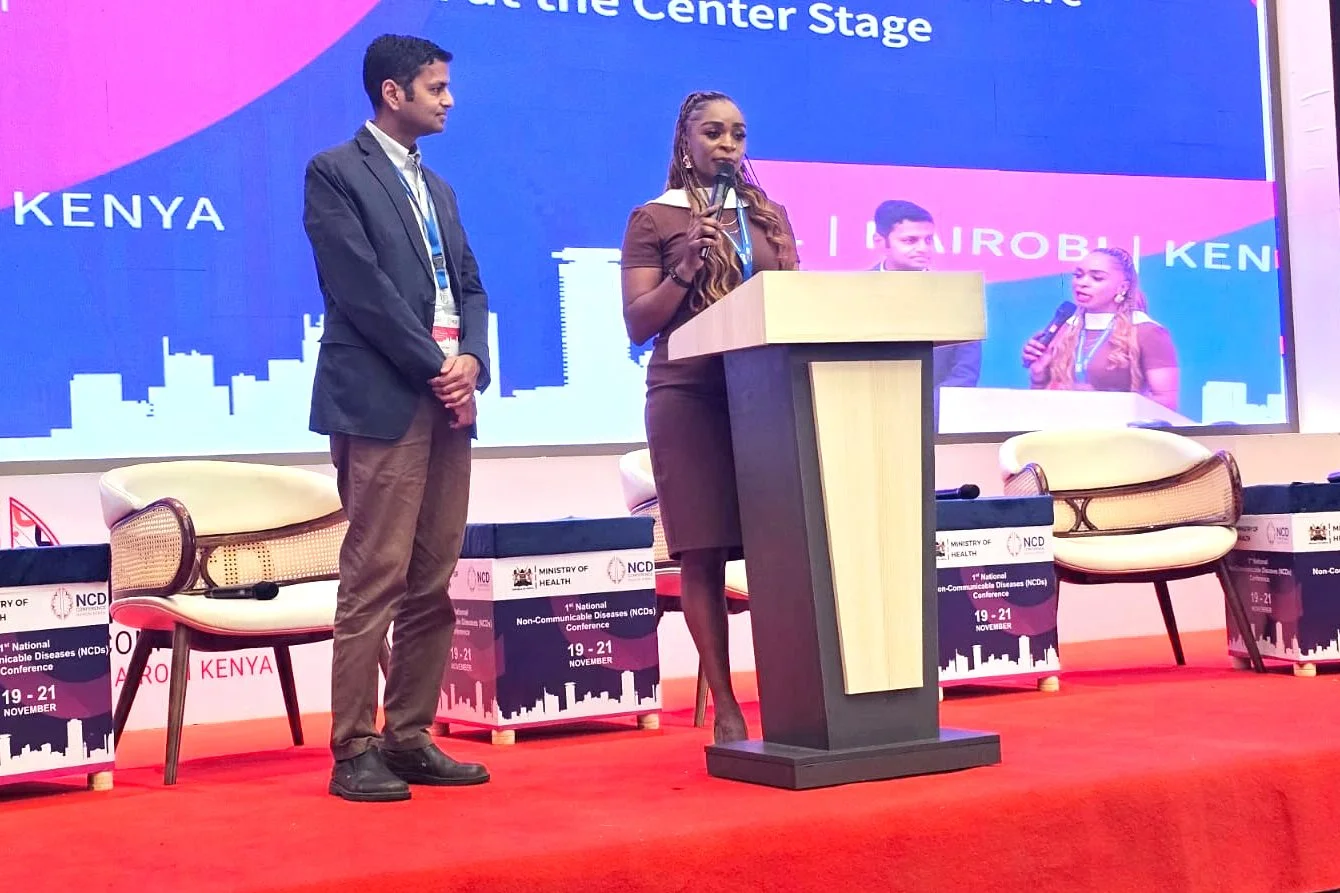
The Kenya Ministry of Health, NCD Alliance Kenya, NCDI Poverty Network, and partners convened for Kenya’s inaugural National NCD Conference, which featured the launch of a PEN-Plus National Operational Plan.
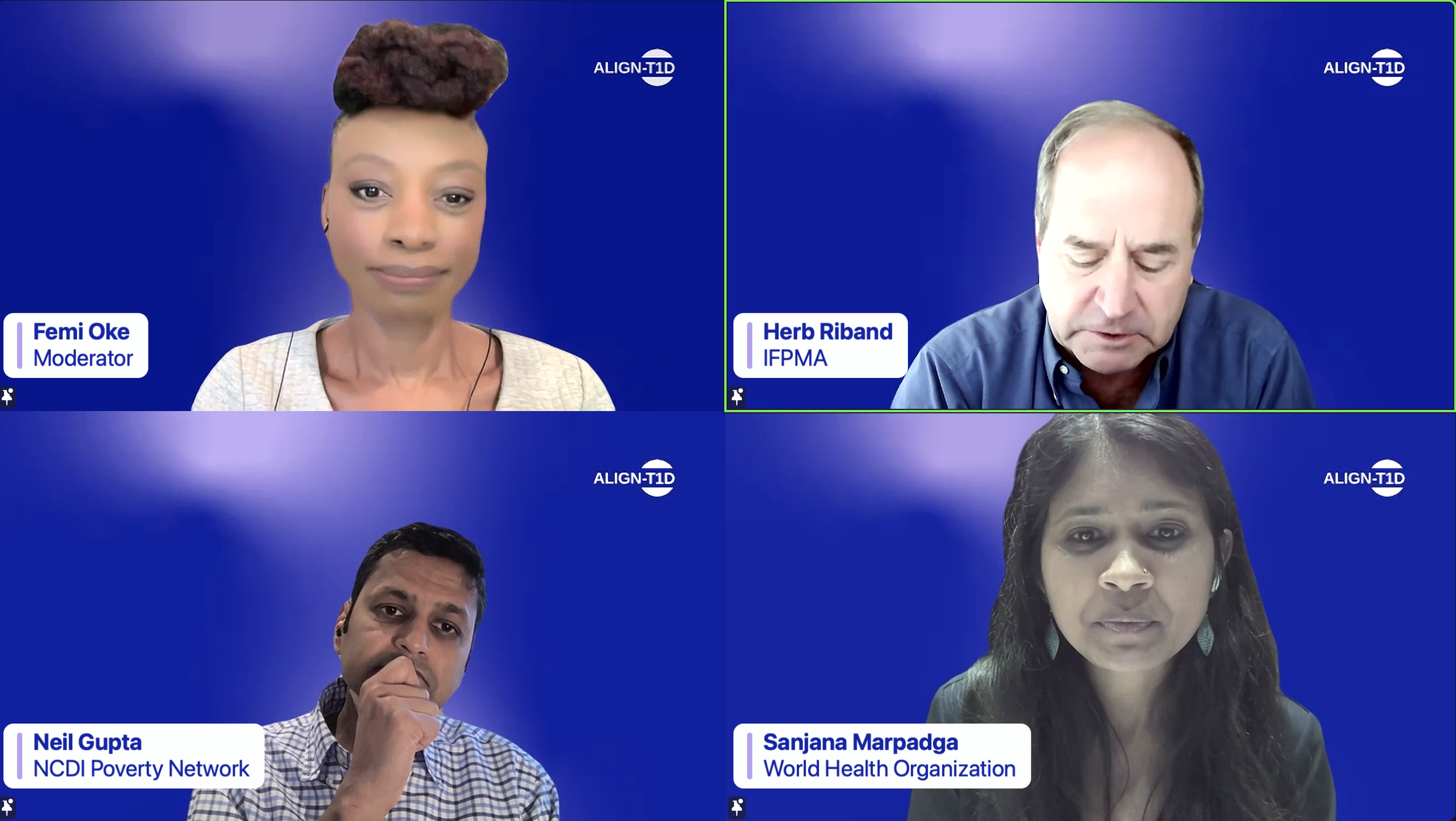
ALIGN-T1D includes global funders of type 1 diabetes programs, leading producers of diabetes medicines and technologies, and members of the worldwide type 1 diabetes community.
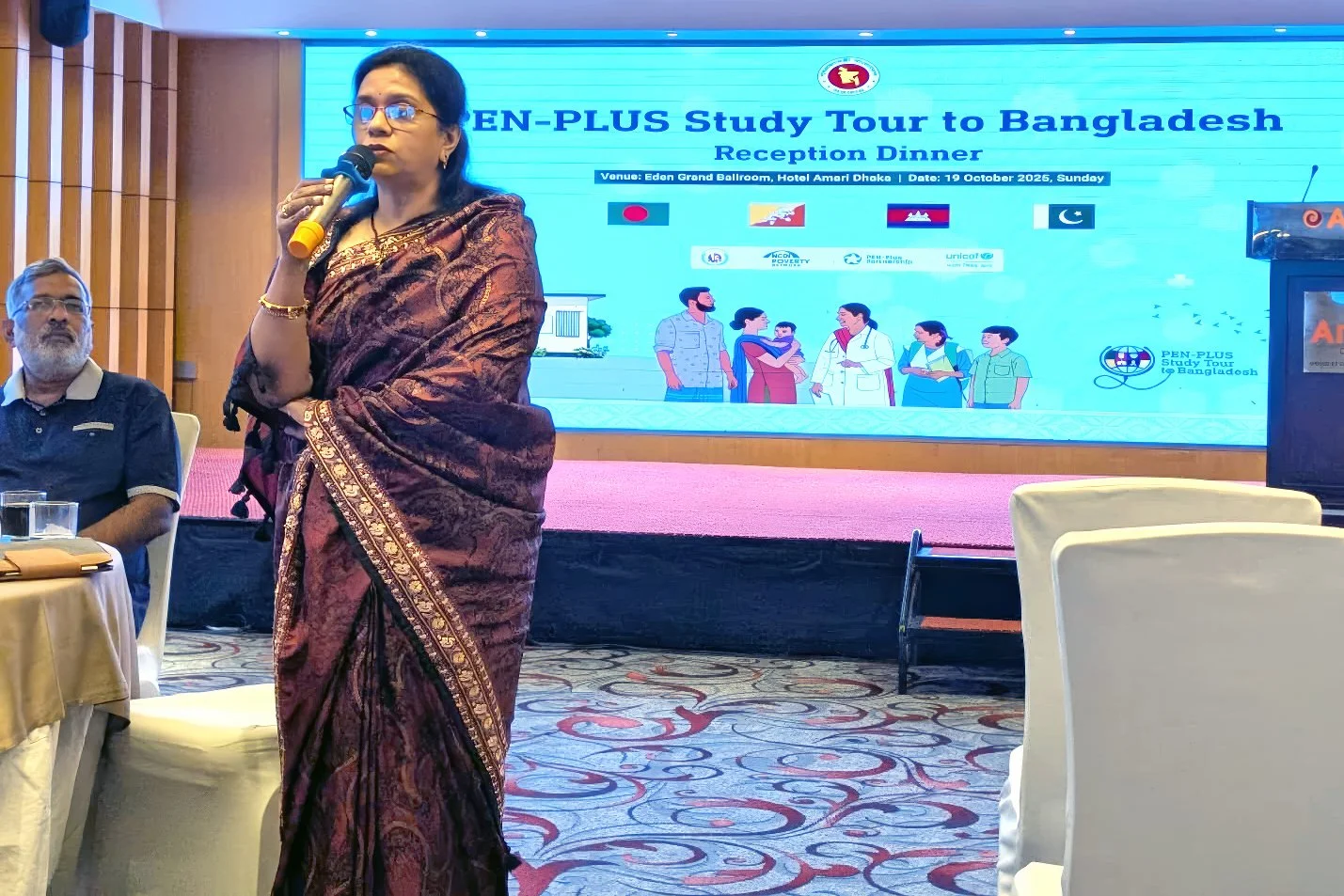
The October tour showed the strong work of a relatively young PEN-Plus program that is poised for growth, reflecting the adaptability of the integrated model of care for noncommunicable diseases.

During the opening plenary of the Sept. 25 High-Level Meeting on NCDs and Mental Health, at the UN General Assembly in New York City, repeated mentions of PEN-Plus as a successful strategy for addressing NCDs formed a show of unity in a week often noted for dissension.
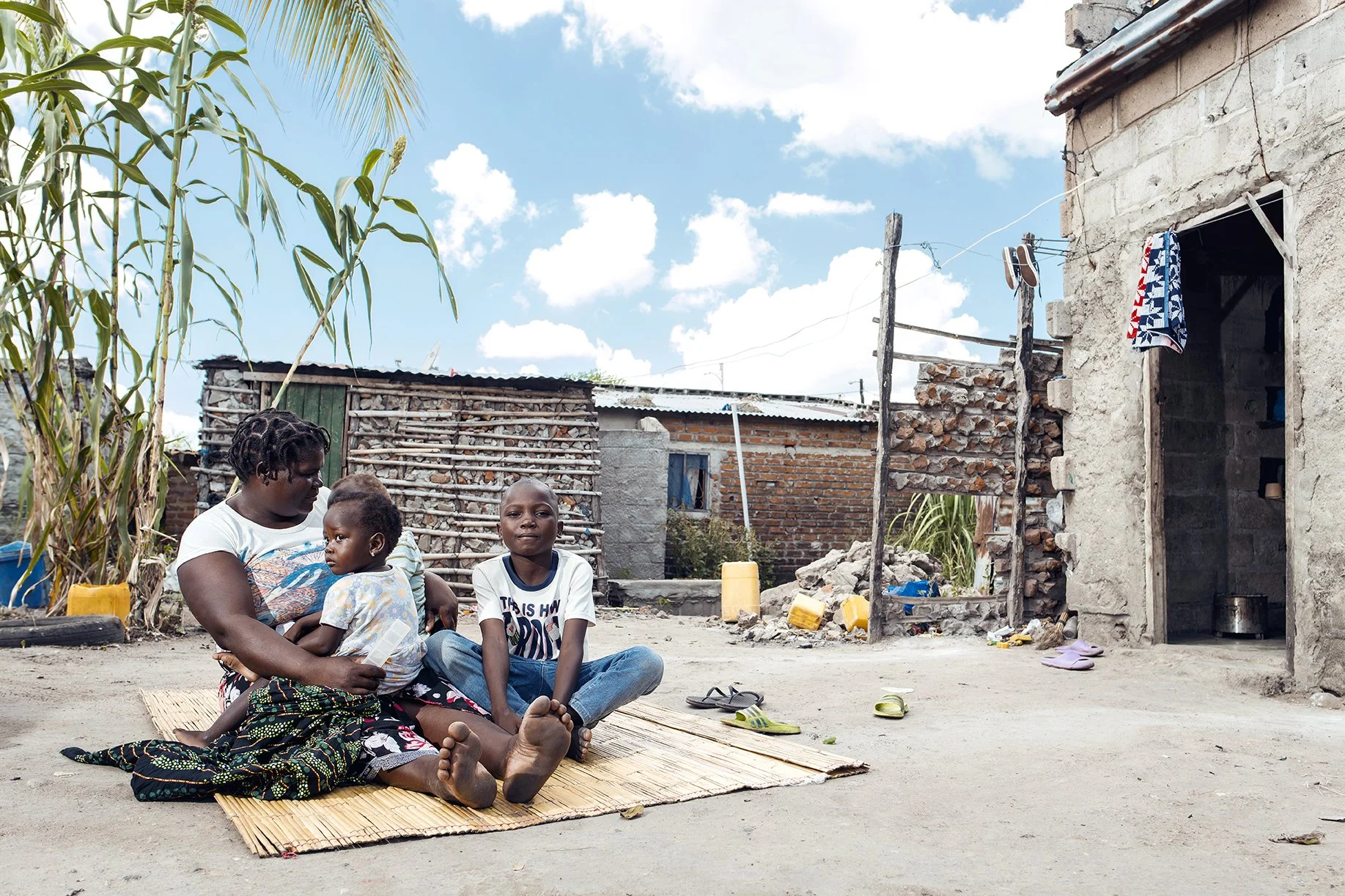
A commentary authored by Network and UNICEF leaders and published in August by The Lancet Child & Adolescent Health makes the case for better care for children and adolescents living with severe, chronic NCDs in settings of extreme poverty, a case that’s also reflected in the Network’s position statement ahead of the United Nations High-Level Meeting on NCDs in September.

In a launch event in late July, the Republic of Somaliland announced a partnership with the NCDI Poverty Network to support people living with severe, chronic noncommunicable diseases through PEN-Plus. In a statement, the Ministry of Health Development of the Republic of Somaliland noted the partnership “marks a significant step forward in strengthening the ministry’s efforts to improve health services, particularly in addressing noncommunicable diseases.”

Health officials from several French-speaking countries in western and central Africa have begun meeting in a new webinar series to share—in French—their challenges and successes in expanding care for people living with severe noncommunicable diseases. The new series solidifies a groundbreaking collaboration that began with a February study tour in Sierra Leone.
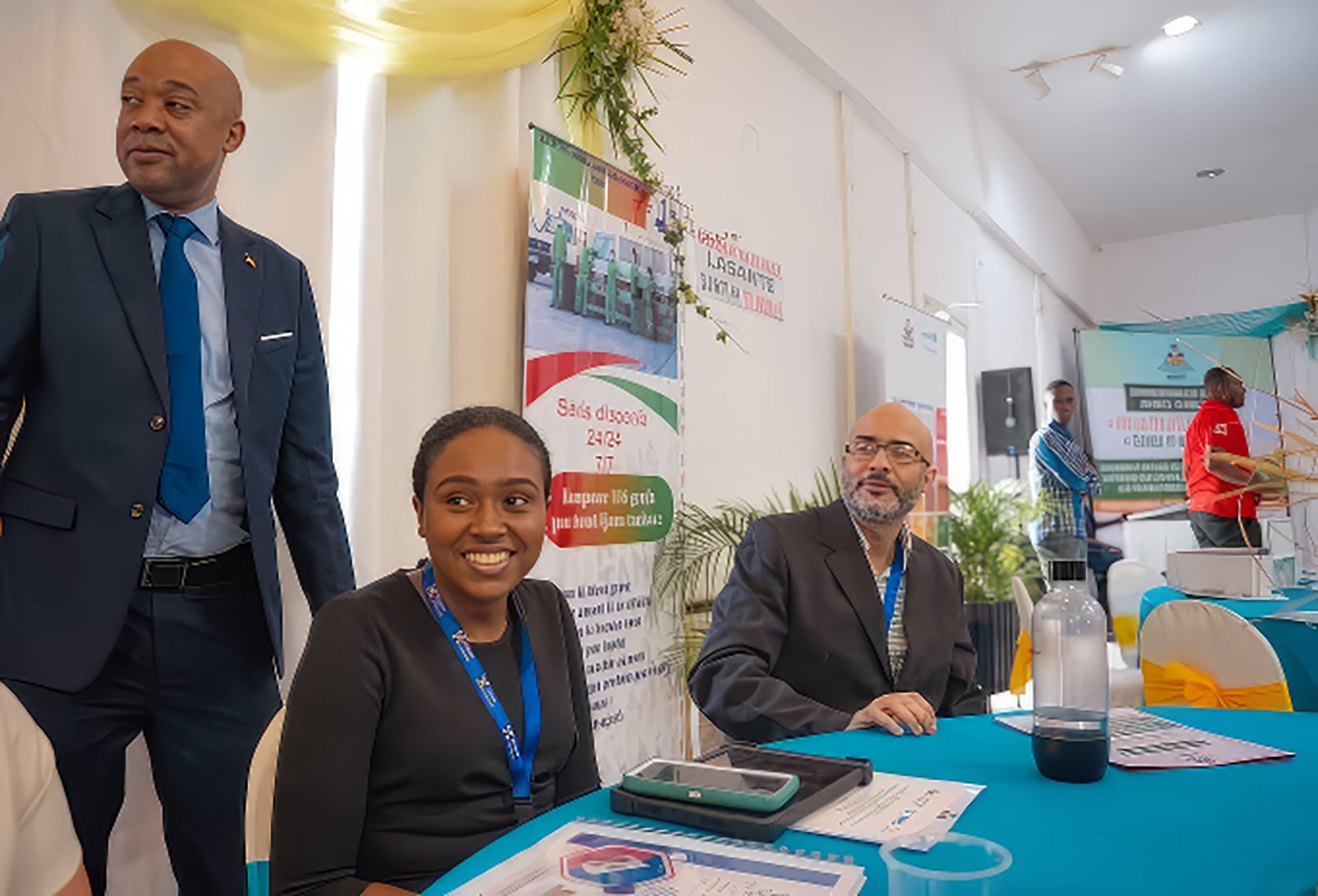
More than 150 people recently gathered in Port-au-Prince for the formal launch of Haiti’s NCDI Poverty Commission report on noncommunicable diseases, injuries, and poverty. The updated and expanded report, which Commission members began drafting in 2019, represents the country’s commitment to health equity despite ongoing national challenges.

Zimbabwe recently finalized its national operational plan for PEN-Plus, becoming the first country to do so among the dozen nations that began implementing PEN-Plus in 2022–23. “This plan shows the great commitment of Zimbabwe’s Ministry of Health and its supporting partners to take the lessons learned from its initial experience with PEN-Plus to the next level,” said Dr. Neil Gupta, senior director of policy for the NCDI Poverty Network.
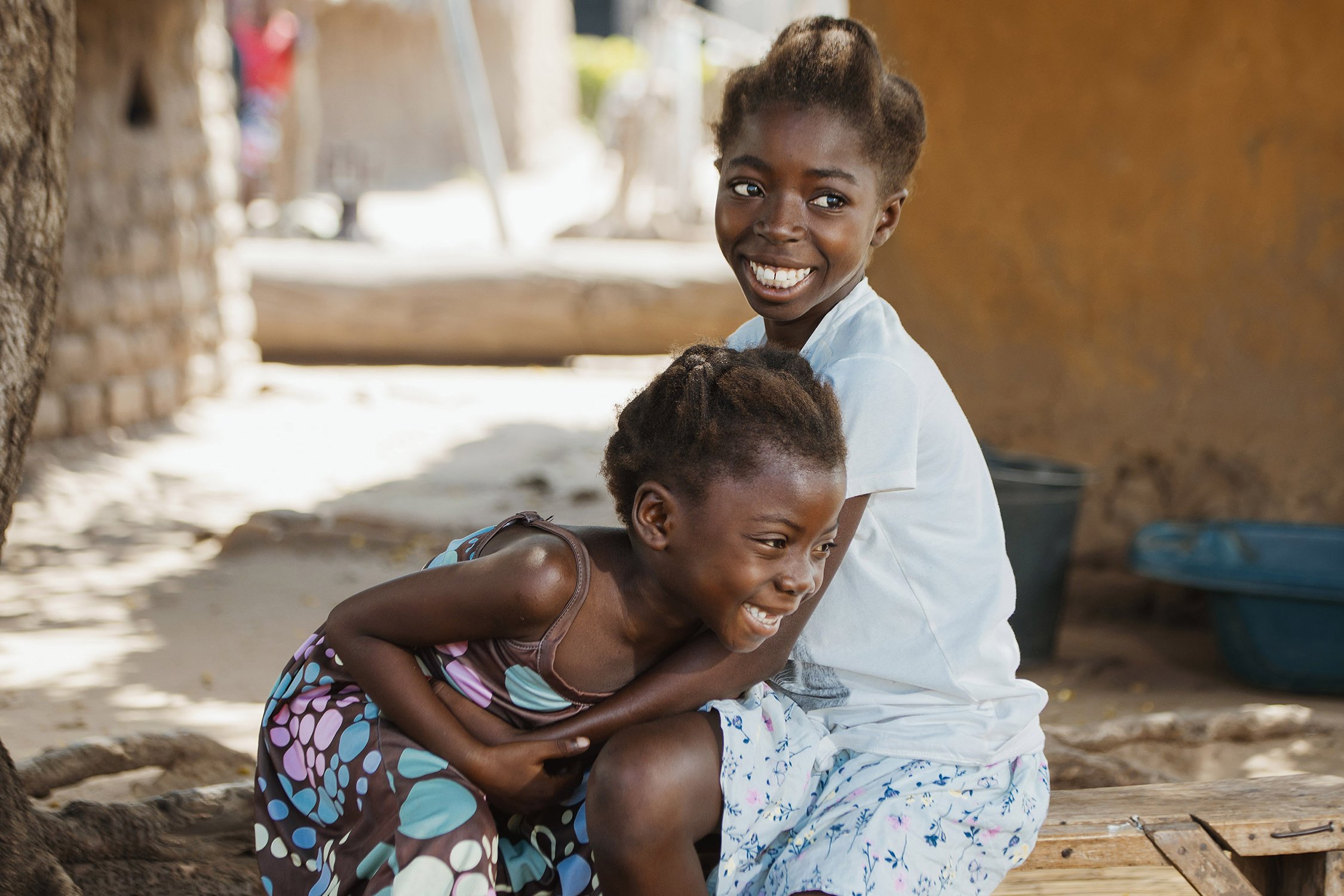
The NCDI Poverty Network recently published a position statement that identifies the crucial pieces—and populations—missing from the global NCD agenda. With this statement, the Network seeks to inform policy discussions in the lead-up to the Fourth United Nations High-Level Meeting on the Prevention and Control of Noncommunicable Diseases, slated for September.
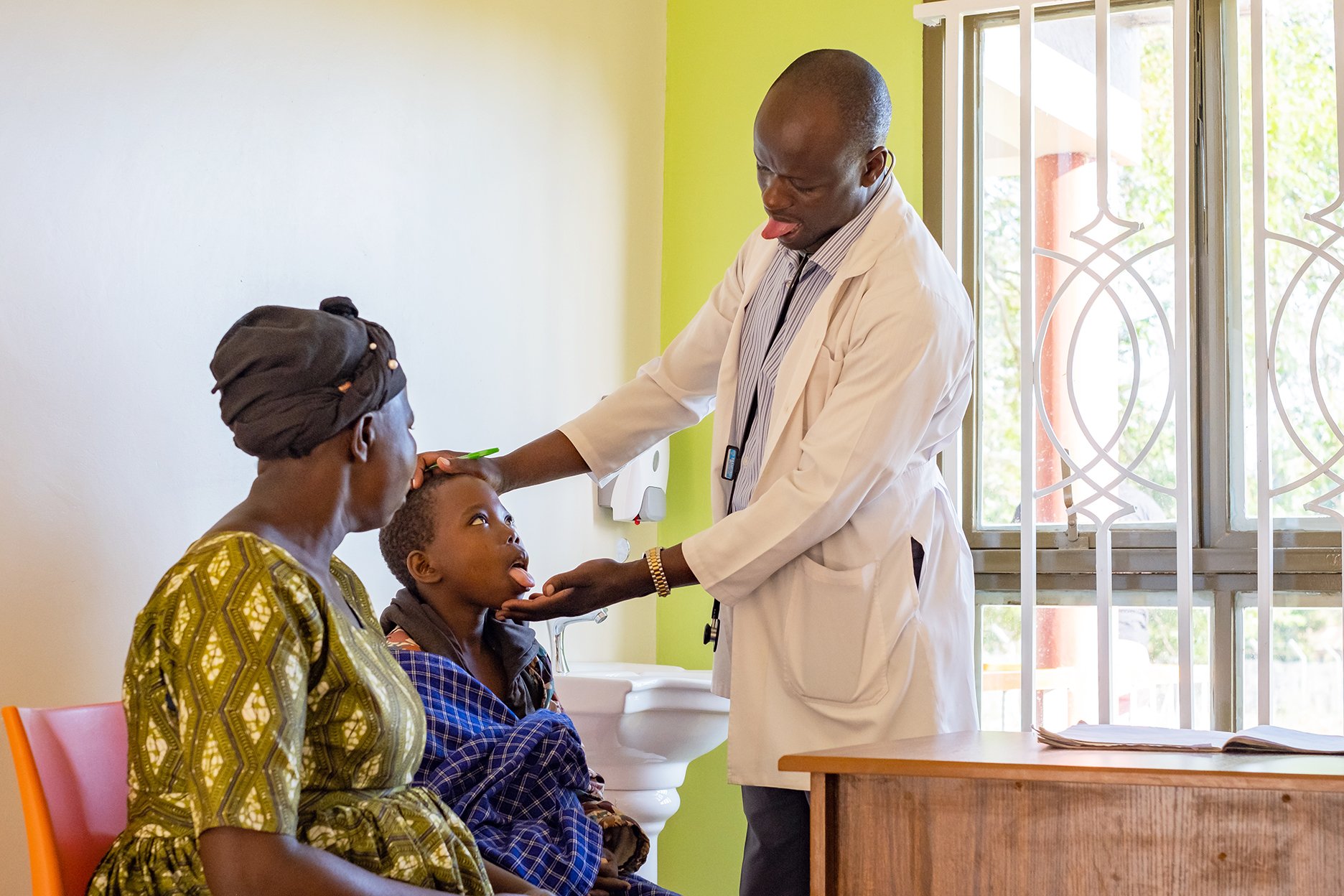
Dr. Neil Gupta, a pediatrician and the senior director of policy at the NCDI Poverty Network, will join a panel of healthcare providers in an upcoming webinar that explores how PEN-Plus affects the care of children living with severe NCDs. The International Pediatric Association is hosting the webinar on March 25.
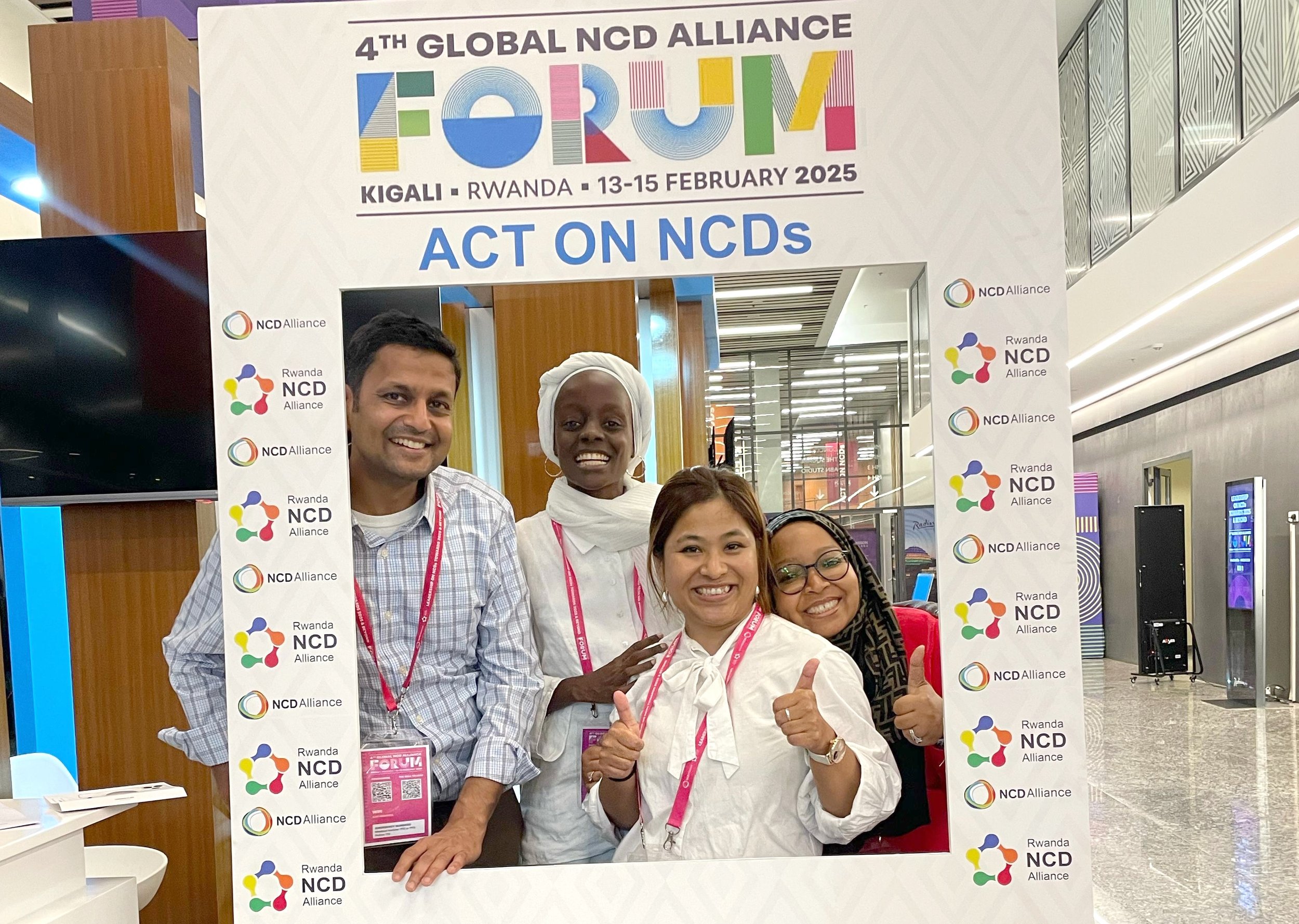
The NCDI Poverty Network’s recent week of advocacy in Rwanda included visits to two hospitals, a conference with more than 700 attendees, a panel with four expert speakers, and one recurring theme: the recognition that PEN-Plus is an effective model for mobilizing action and financing to increase access to care for people living with severe, chronic noncommunicable diseases.
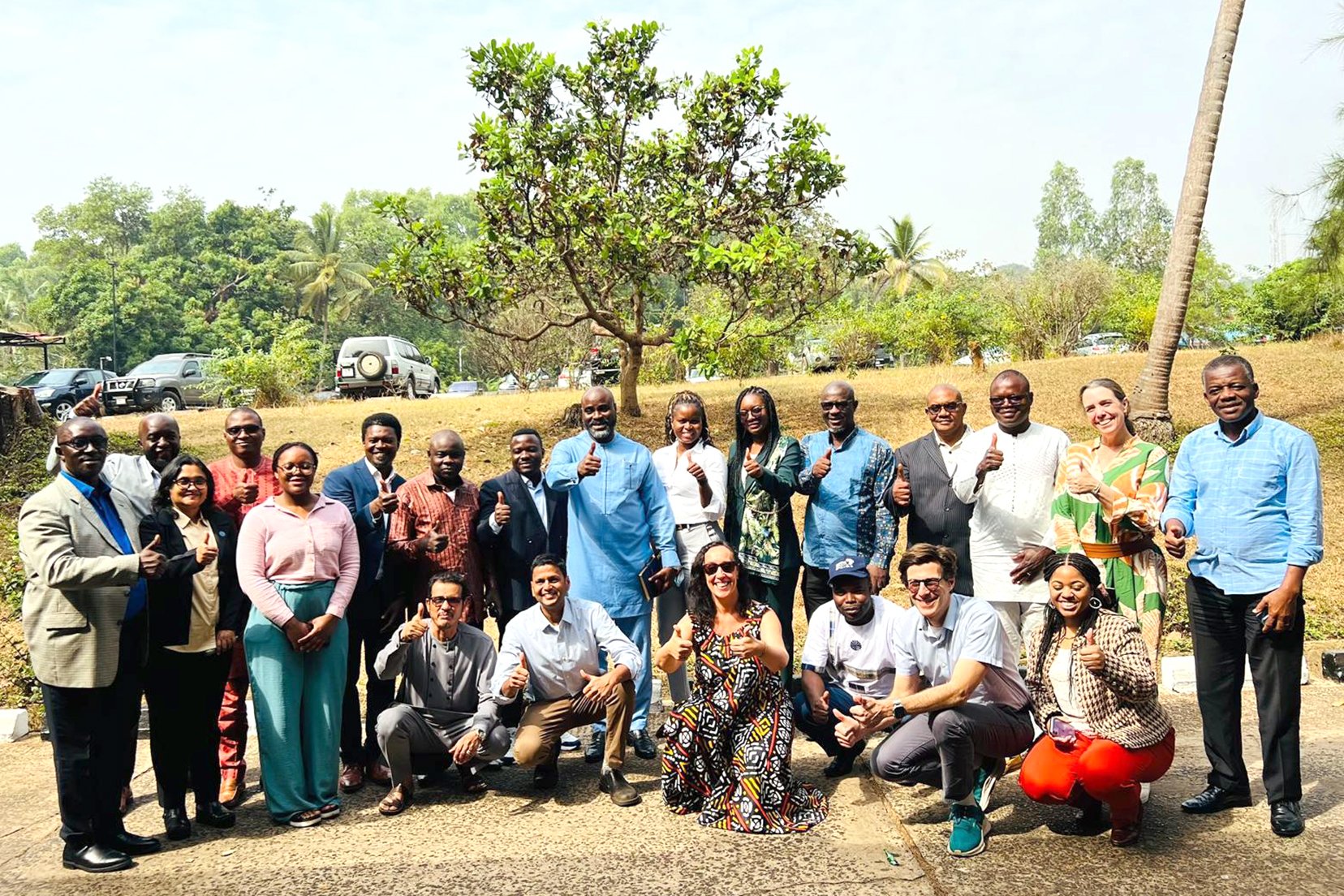
A “game-changing” study tour of a PEN-Plus clinic in Sierra Leone introduced Ministry of Health officials from six other Francophone nations to the role integration can play in providing quality care for people living with severe noncommunicable diseases in low- and lower-middle-income countries.
The NCDI Poverty Network has published a French edition of PEN-Plus Clinical Tools and Programmatic Standards, a document that defines the diagnostic, treatment, and patient support services that compose PEN-Plus. Several francophone countries have already initiated PEN-Plus.

The PEN-Plus Partnership Strategic Plan (2025–2028) had its official launch at Springboard for Action, an event celebrating progress toward global access to care for people living with severe, chronic noncommunicable diseases. The NCDI Poverty Network hosted the event in New York City in September on the sidelines of the 79th Session of the U.N. General Assembly.

In early June, delegations from all eight countries in UNICEF ROSA—the Regional Office for South Asia—convened in Kathmandu for a three-day workshop on severe childhood-onset noncommunicable diseases.

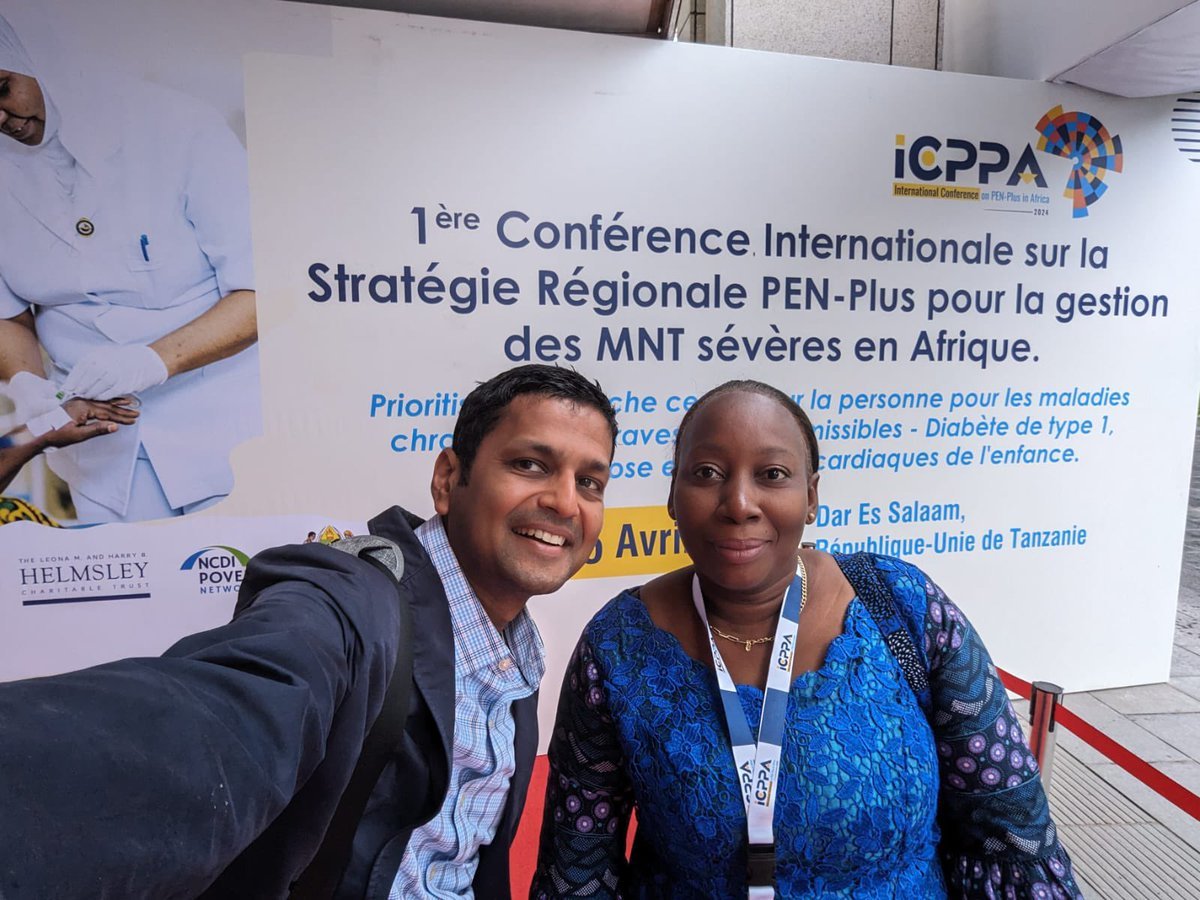
At the first International Conference on PEN-Plus in Africa, the science was serious and the messages meaningful. NCDI Poverty Network participants showed their passion and compassion throughout the conference—and even shared moments of levity.
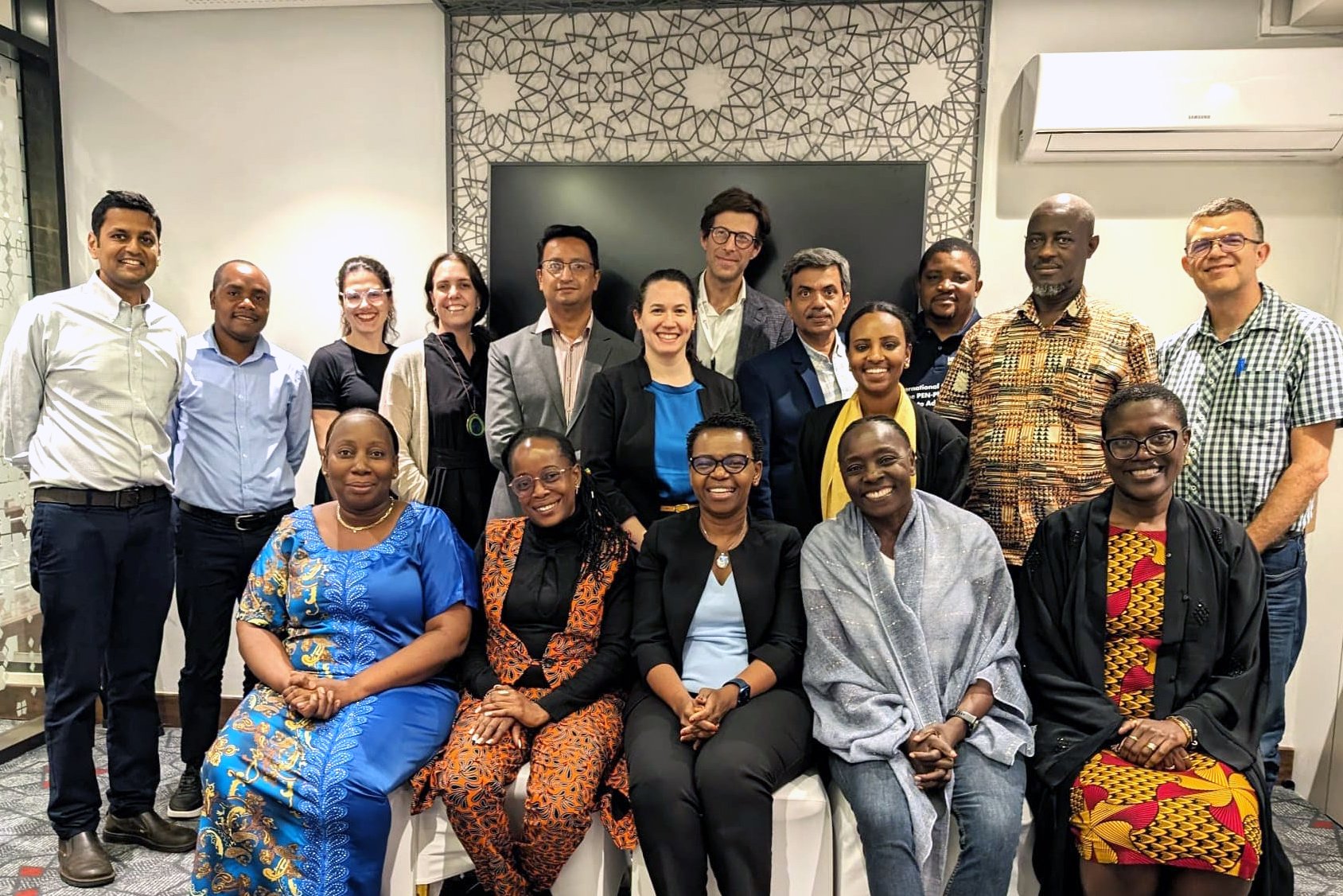
In addition to participating in the first International Conference on PEN-Plus in Africa, NCDI Poverty Network members took several occasions to gather, reflect, and renew their commitment to ensuring that lifesaving treatment reaches those who need it most.

Integration science can do more than deliver quality healthcare; it can also deliver global health equity solutions. That’s the central premise of “From Local Innovation to National Scale to Global Impact: Integration Science as an Engine of Change and an Agenda for Action,” the second annual symposium of the Center for Integration Science in Global Health Equity.
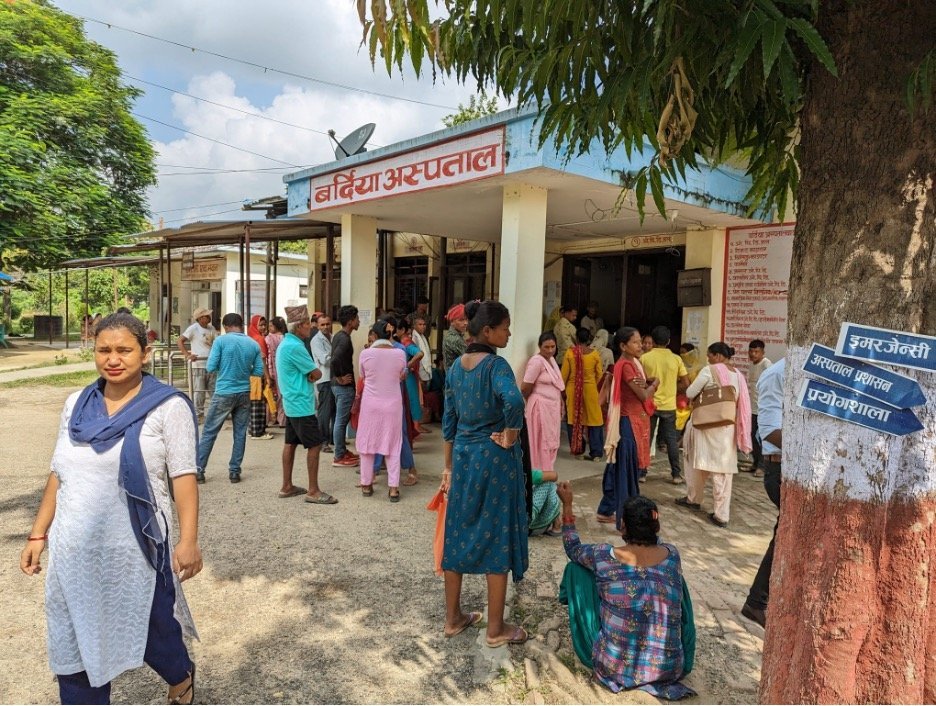
A team of NCDI Poverty Network technical experts recently traveled to Nepal to align with partners following the Ministry of Health’s decision to expand PEN-Plus to four more district hospitals. The Network group spent the week collaborating with the Ministry of Health, UNICEF, and the Kathmandu Institute of Children Health (KIOCH) to understand how the success of PEN-Plus initiation in Nepal can be replicated nationally.

The High-Level Advisory Group of the PEN-Plus Partnership met in New York City on 19 September to discuss the progress and future of PEN-Plus, an integrated care model that diagnoses and treats severe noncommunicable diseases in rural areas of low- and lower-middle-income countries, where more than 90 percent of the world’s poorest people live.

A commentary published in The Lancet Diabetes and Endocrinology in early May showcases the power of PEN-Plus and the PEN-Plus Partnership to bring lifesaving care for severe, chronic NCDs to first-level hospitals in poor, rural areas of lower-income countries.

The Cambodia NCDI Poverty Commission members took a big step in March 2023 when they reviewed key findings of the country’s situation analysis and conducting a workshop to form recommendations on which noncommunicable conditions and interventions to prioritize based on burden, severity, and equity.

The Maputo co-secretariat of the NCDI Poverty Network, based at Universidade Eduardo Mondlane, hosted an event marking the first anniversary of the establishment of both the Southern Africa Regional Hub and the Maputo co-secretariat of the NCDI Poverty Network on 1 February. The event encouraged discussion on how the Hub can support countries in the region in implementing the PEN-Plus model.
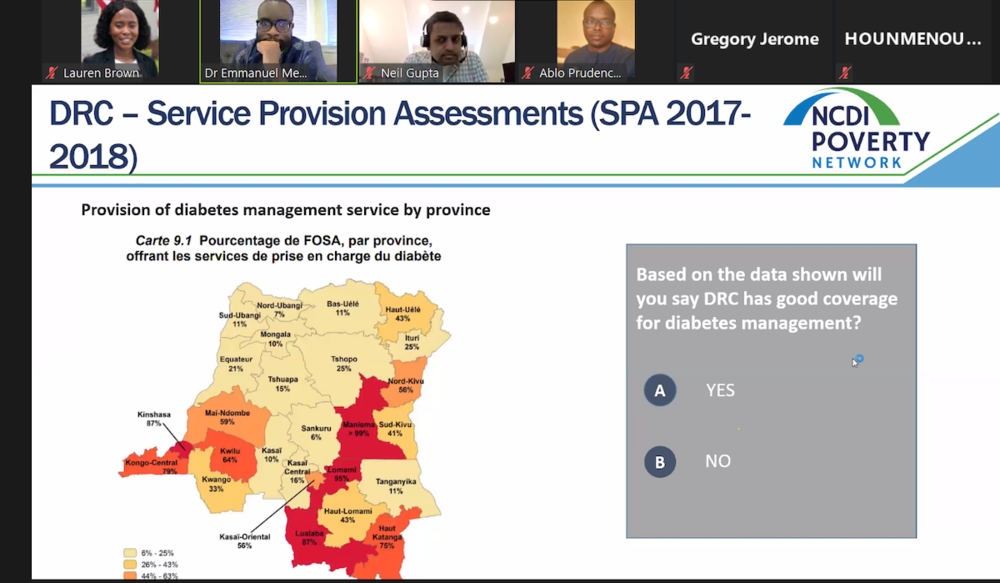
Thirty-seven people—including delegates from all seven countries that are joining the NCDI Poverty Network in 2021, as well as representatives from the Network Secretariat and WHO AFRO—participated in the second Learning Workshop for Phase 1 countries.