Transforming Pain into Power: Mentors Encourage Young Warriors to Become Advocates
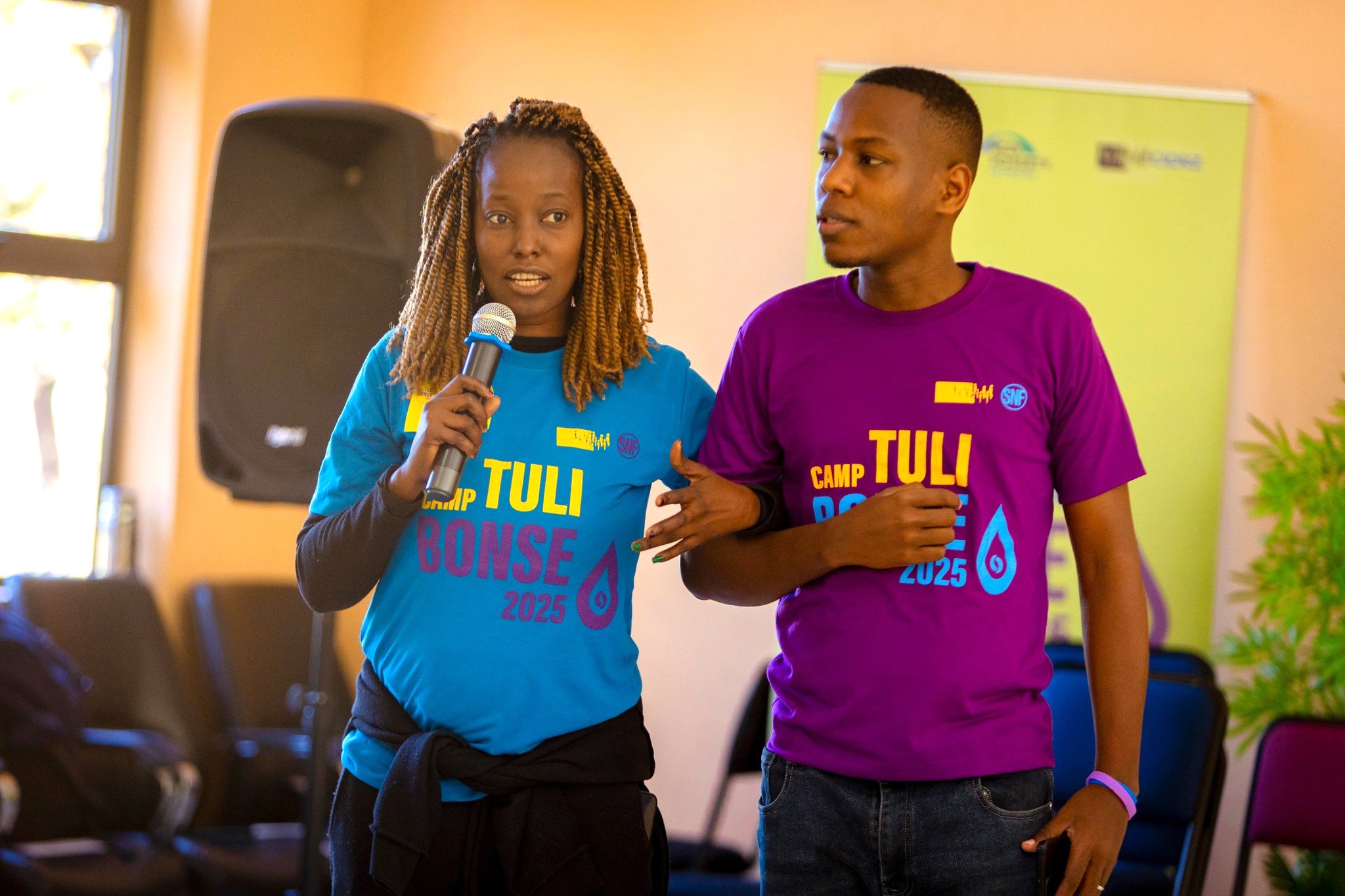
Lwimba Kasongo (left) and Emmanuel Kisembo—who live with sickle cell disease and type 1 diabetes, respectively—are tireless advocates for awareness and education about their conditions. They are also members of the NCDI Poverty Network’s Voices for PEN-Plus program and were co-captains last summer at Camp Tuli Bonse in Zambia, where they mentored nearly 60 youth with noncommunicable diseases. (Photo by DOD Media Hub)
Emmanuel Kisembo and Lwimba Kasongo are members of Voices for PEN-Plus, an NCDI Poverty Network initiative that brings together people with lived experience to advocate for implementation of PEN-Plus, an integrative model of care designed for low-resource settings. Each advocate is from a country actively initiating or implementing PEN-Plus, and each lives with a severe, chronic noncommunicable disease, such as type 1 diabetes, sickle cell disease, childhood heart disease, or childhood cancer.
Although the advocates live in different countries and live with a range of diseases, they have faced common challenges, including stigmatization, difficulty accessing medicine, and a lack of awareness about their condition in their communities, schools, and professional settings. Those common challenges—and the potential for peer support across conditions—have given rise to an integrated-disease camp model born from the idea that integrated care and support can extend beyond clinical settings, with benefits that transcend those of physical health.
In August 2025, the NCDI Poverty Network, the Sonia Nabeta Foundation, and the Center for Infectious Disease Research in Zambia (CIDRZ) partnered to host such a camp—Camp Tuli Bonse, the first disease-integrated camp for children, adolescents, and young adults receiving care at PEN-Plus clinics in Zambia. Held near Lusaka, Camp Tuli Bonse—which translates in Nyanja to “we are together”—brought together nearly 60 young people living with either type 1 diabetes or sickle cell disease, for five days of health education, empowerment, and peer support.
Kisembo and Kasongo served as camp co-captains, leading activities, mentoring youth, and teaching camp participants about their condition and how not only to manage it but also to thrive with it. Here, they share their personal experiences with their condition, their thoughts on advocacy, and what the PEN-Plus camp meant to them.
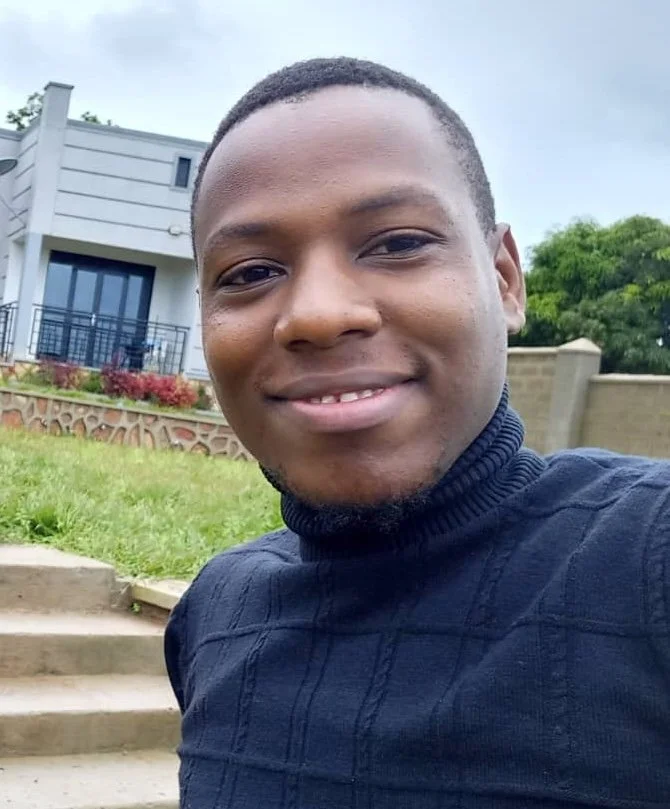
Emmanuel Kisembo
Type 1 Diabetes Warrior and Programs Manager of Special Initiatives for the Sonia Nabeta Foundation, Kampala, Uganda
What was it like growing up in Kampala with type 1 diabetes?
Growing up with type 1 diabetes was nothing short of challenging. The condition was an enormous mystery in Uganda for several reasons. Healthcare workers were not very knowledgeable about the condition, for example, and type 1 diabetes was not necessarily on the radar of policymakers. The widespread lack of awareness brought about stigmatization. I remember hiding in the school bathroom to check my blood sugar and take my insulin, because I did not want anyone at school to find out I had diabetes, for fear of judgment.
At that time, I had not met any other young person with type 1 diabetes. I thought I was alone, and this affected me greatly. I was always withdrawn. I felt my life had hit a dead end and I would never amount to anything.
I also believed that my disease was my fault. I felt ashamed when, for example, my hbA1c reading was not as good as I had hoped.
Additionally, type 1 diabetes is a financially backbreaking condition. It surely affected my family’s finances, as most of the money was channeled toward my treatment.
I also struggled with the fear of injections. My mother used to inject me. I simply couldn’t inject myself. It wasn’t until I joined the type 1 diabetes clinic and met other warriors that I developed the courage to start injecting myself. This community has helped me come to terms with my condition and be the leader that I am today.
How did you get through it?
Joining the clinic and subsequently, the type 1 diabetes community, helped me a great deal. Finally, I had found a family and friends who were on the same journey. I felt embraced and understood, and this helped me get on top of my condition.
Being part of the Sonia Nabeta Foundation and being a leader at several type 1 diabetes camps has enabled me meet so many warriors from different walks of life. Many of them have been a great inspiration to me. There are many people who have succeeded despite their challenges. I like hanging around these people!
Serving type 1 diabetes warriors from low-resource settings, through the Sonia Nabeta Foundation, has also given me a sense of purpose. Knowing that young warriors in the villages are looking up to me is all the motivation I need to keep pushing and overcoming every obstacle. I now use my voice to inspire and motivate other warriors to become better at managing their condition.
How has PEN-Plus affected your life?
PEN-Plus has not only taught me about advocacy but also given me an opportunity to practice it. As part of the Voices for PEN-Plus team, I have had the awesome opportunity to participate in advocacy training every month with advocates from across the world. This has increased my knowledge on advocacy. PEN-Plus has widened my community. It is so good to have warrior friends from many countries.
In August 2025, I had the opportunity to serve as a camp co-captain with my fellow Voices member, Lwimba Kasongo, in Zambia. It was the first integrated camp I had attended, and it helped me to appreciate what people with sickle cell disease go through. I also better understand the power of combined advocacy. We have so many similarities, and our voices are stronger when we advocate together.
What did you try to teach the young warriors?
I encouraged the warriors to speak up. They are the biggest stakeholders in the fight against noncommunicable diseases and should lead the task of imparting knowledge and raising awareness, by sharing their life experiences. I challenged them to become engaged in teaching and empowering others to better manage their conditions.
What are your reflections on the camp?
It was an amazing time of learning. It not only created a sense of family and belonging among the warriors but also highlighted the shared struggles across the different noncommunicable diseases. The sessions were so impactful, and the ice-breaker activities were fun and interesting. It was beautiful to see sickle cell and diabetes warriors participate together in sports and a talent show.
Many of the warriors had never gotten the opportunity to express themselves and live life fully. This was so heartwarming to watch. And as a camp co-captain, I appreciated how powerful we can be when we work together. As I left Zambia, I could not stop reflecting on how impactful those few days were.
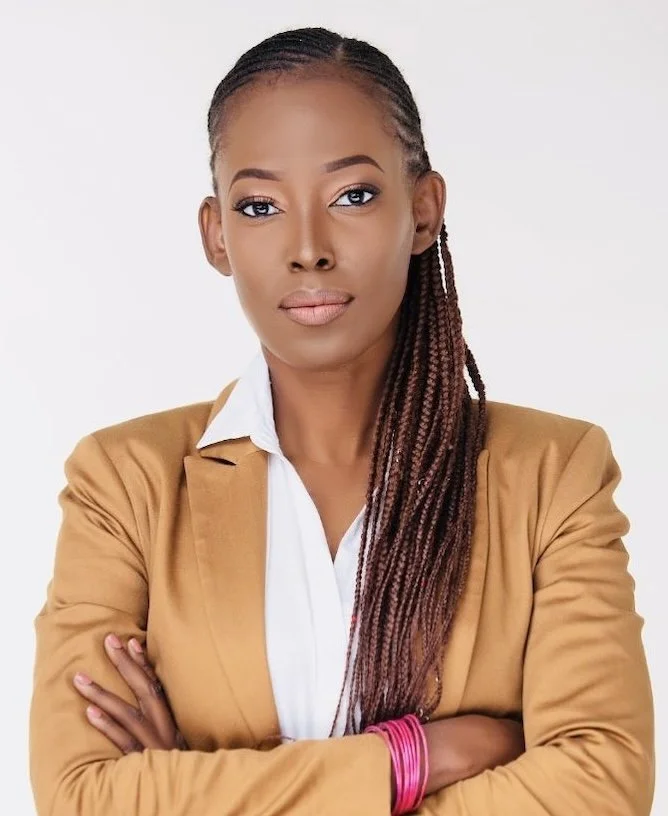
Lwimba Kasongo
Sickle Cell Warrior and Global Patient Advocate, Consultant, and Visual Artist, Lusaka, Zambia
What was it like growing up in Lusaka with sickle cell disease?
When I was growing up, sickle cell disease was considered a rare disease. In the 1980s, we had no hematologists, no internet, no social media, and no support groups, making it difficult to access information on sickle cell disease. As a result, many warriors grew up isolated. The levels of mockery and stigma we experienced were high then, even more so than they still are today. Society made me believe that I would be dead by 16, because people with sickle cell disease were not meant to live long. So I grew up with no dreams and no hope for the future. I had low self-esteem and no confidence. I felt unworthy.
How did you get through it?
What helped me was my family’s support. Amid all the school bullying, societal misconceptions, stigmatization, and mockery, my family encouraged me and convinced me I could beat the challenges that surround sickle cell disease. With this support, I developed an attitude of resilience. I accepted my condition and chose to run with it, because being upset about it would not change anything. But that change did not take place overnight. It took years of building inner strength and believing in myself. Gradually, I picked myself up and began speaking publicly about sickle cell disease, which has transitioned to the advocacy I’m doing now.
How has PEN-Plus affected your life?
My sickle cell advocacy journey has landed me in the company of PEN-Plus, an integrated model of care for severe noncommunicable diseases, such as sickle cell. It’s exciting to be a voice for PEN-Plus advocacy, as a sickle cell disease warrior. In August 2025, PEN-Plus supporters hosted a groundbreaking integrated camp in Lusaka, for young warriors with either sickle cell or type 1 diabetes. The camp hosted about 60 warriors, including nearly 30 young people with each condition.
I was privileged to serve as a camp co-captain, alongside my fellow warrior, Emmanuel Kisembo, who lives with type 1 diabetes. In our co-captain role, we facilitated and led camp activities, served as emcees for camp meetings, and acted as mentors for young warriors.
Our surveys showed that the experience transformed many campers’ lives. But I can say that the camp also transformed my life. I realized that this kind of role is what I was born to do, to serve and mentor young people. This is why I have sickle cell disease: to help and bring hope to others who are walking the same journey I walked.
What did you try to teach young warriors?
As a camp co-captain, I tried to help warriors believe that they can be the next voices in advocacy. They, too, are called to drive sickle cell awareness in various locations, such as their schools, churches, and communities.
On the last full day of camp, Emmanuel and I each led an advocacy session with warriors. For me, it was the highlight of the week. Speaking to young warriors about my journey—and how I am now using my voice to contribute to the cause of sickle cell awareness and care—felt wonderful.
I encouraged the warriors to also use their voices to change the world. I tried to drive home the point that their painful experiences can create powerful stories and raise voices that can make a huge difference in society. I reminded them that their experiences are not meant to wear them down, but rather to build them up as tomorrow’s advocates and leaders. I reminded them that to win the battle within themselves, they likely must change their mindset, believe in themselves, and not allow their condition or any negativity to stop them from being who they are: warriors!
What are your reflections on the camp?
It was evident from this experience and the feedback we received that the young warriors also thought the camp was life-changing, as we did. I strongly believe that Emmanuel and I changed the way they saw their condition and helped them realize that they have so much power within themselves, with endless possibilities for their lives.
I believe we left them with so much hope. I could see more confidence in them when camp ended, compared with when they had arrived just a week earlier. Their faces lit up every time we told them that they could be the next advocates and leaders themselves. It brings me so much satisfaction to know that I contributed to creating the next generation of warrior voices.